 English
  Russian
  Spanish
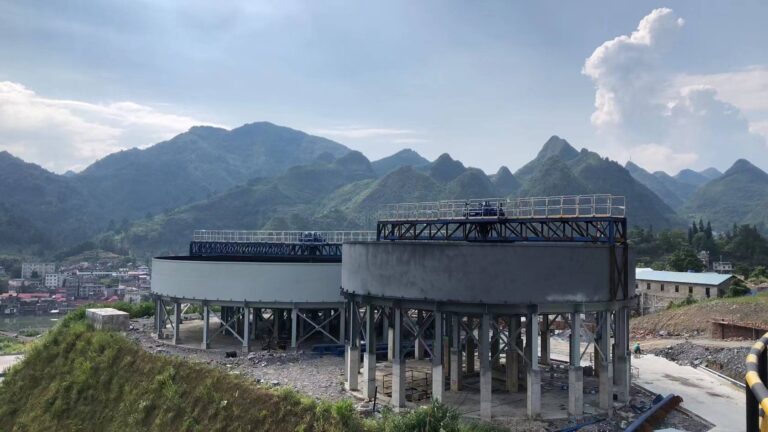
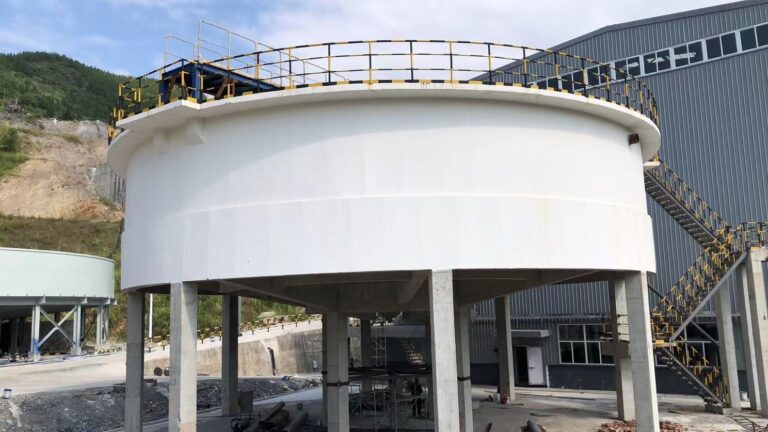
 A tailings dry discharge water balance should show where water enters the circuit, where it leaves with solids or evaporation, and how much can return to the plant. The NGZ High Efficiency Thickener removes bulk water before final filtration, while the filter separates additional liquid from the concentrated underflow. Treating these streams as one connected system helps prevent an oversized return-water tank, an unstable filter feed, or a process plant that cannot receive recycled water when the dewatering circuit produces it.
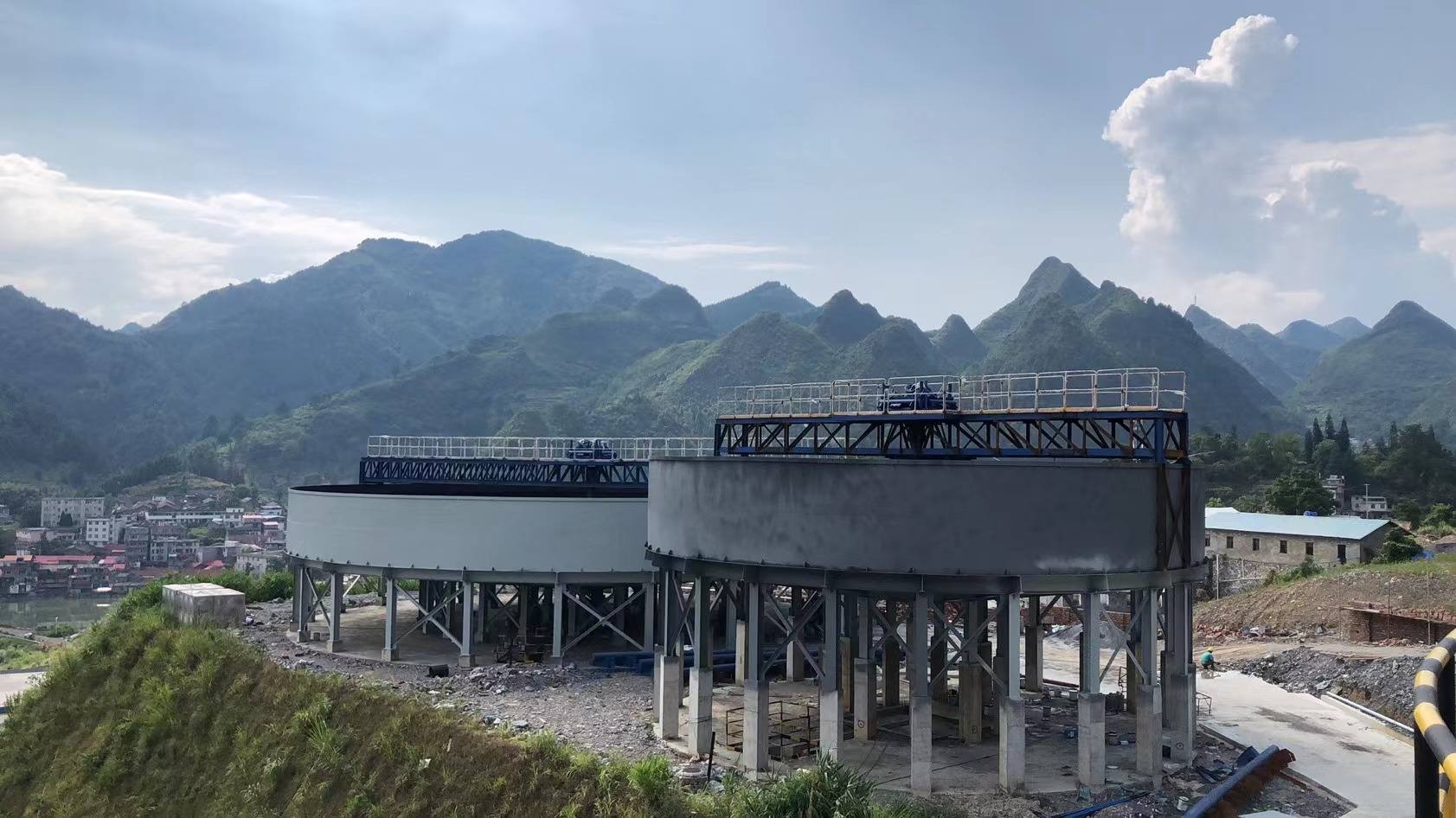
Why Is a Water Balance Essential for Tailings Dry Discharge?
Dry discharge is not only a solids-handling project. It is also a water-recovery project whose performance depends on the timing, quality, and destination of every liquid stream.
Define the Boundary Before Calculating Flows
Set a clear boundary around the thickener, filter feed tank, final filter, filtrate tanks, wash-water users, pumps, and return-water reservoir. Record normal, minimum, maximum, start-up, and shutdown conditions. A single design flow is not enough because the thickener may discharge continuously while a tower filter operates in batches or a ceramic filter changes flow through its cycle.
Separate Recoverable Water from Unavoidable Losses
Recoverable water normally includes thickener overflow and filter filtrate. Water retained in the cake, used in equipment cleaning, lost through leaks, or carried to another process must be counted separately. Rainfall, evaporation, floor drainage, and emergency dilution may also matter at site level, but they should not be mixed into the core equipment balance without clearly stated assumptions.
What Should Be Measured Around the Thickener?
The thickener is usually the largest bulk-water removal stage, so small changes in feed or underflow conditions can shift both overflow recovery and downstream filter loading.
Track Feed Solids and Underflow Mass
Measure slurry flow, density, solids concentration by mass, and representative particle-size distribution. The dry-solids rate should remain consistent across the balance even when the water rate changes. Underflow targets must also respect pumpability and filter-feed stability; simply maximizing density can create high viscosity, line restrictions, or surge-tank problems.
Check Overflow Quality as Well as Quantity
Overflow volume is valuable only when its suspended solids and chemistry are acceptable for the intended reuse point. Turbid overflow may return solids to process-water systems, increase tank cleaning, or interfere with reagent preparation. Sampling should therefore include suspended solids, pH, dissolved constituents, and any process-specific contaminants that could accumulate in a closed circuit.
How Should Filtered Water Be Collected and Reused?
Final filtration produces a second recoverable stream, but its flow can fluctuate with cake formation, washing, drying, and discharge. Collection and reuse must match that operating rhythm.
Match Filtrate Storage to the Filtration Cycle
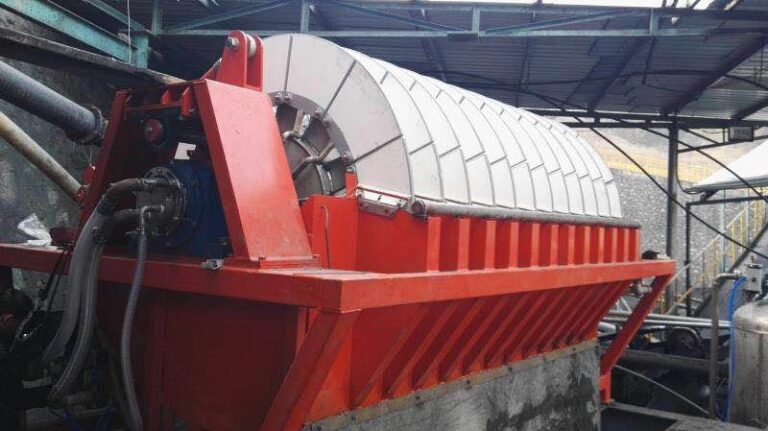
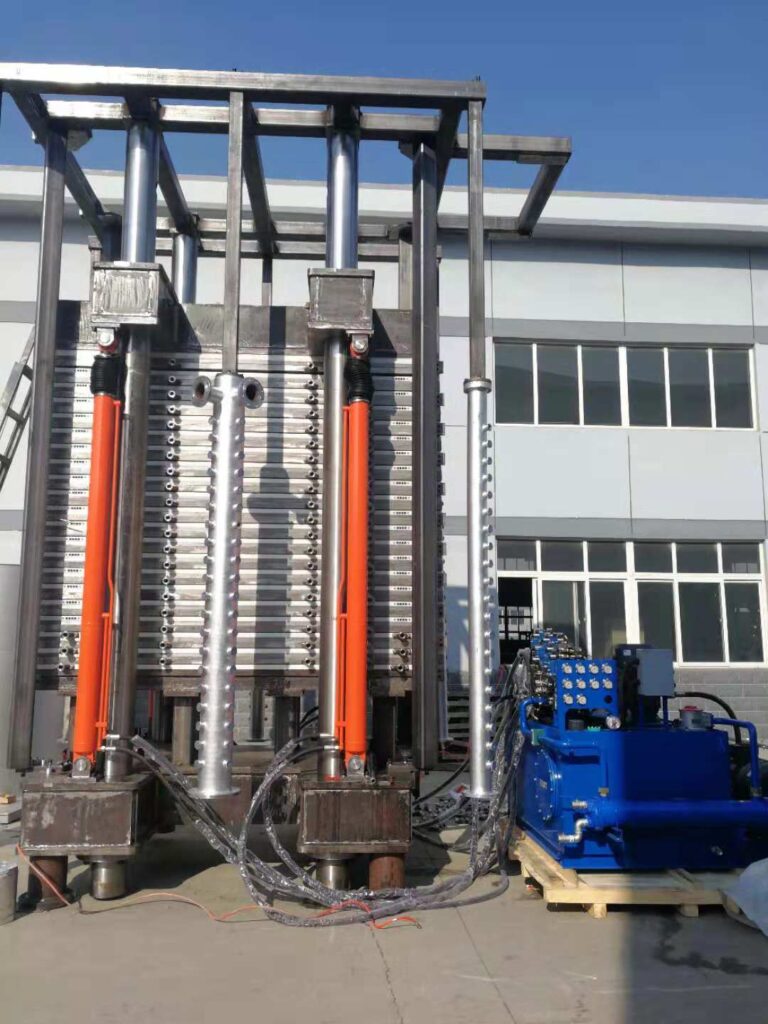
A DF Ceramic Filter can produce filtrate while cake forms and dries under vacuum, whereas a tower filter creates more distinct batch phases. The filtrate receiver and transfer pump should handle peak flow rather than only the daily average. Level control should also prevent backpressure or flooding from disturbing the filter.
Keep Process Filtrate and Cleaning Water Identifiable
Filtrate may be suitable for direct return, but plate-cleaning water, cloth-wash water, acid-cleaning discharge, or floor washings can have different quality. Combining them without review can turn a clean reusable stream into a treatment burden. Separate measurement points allow operators to find the source when clarity or chemistry changes.
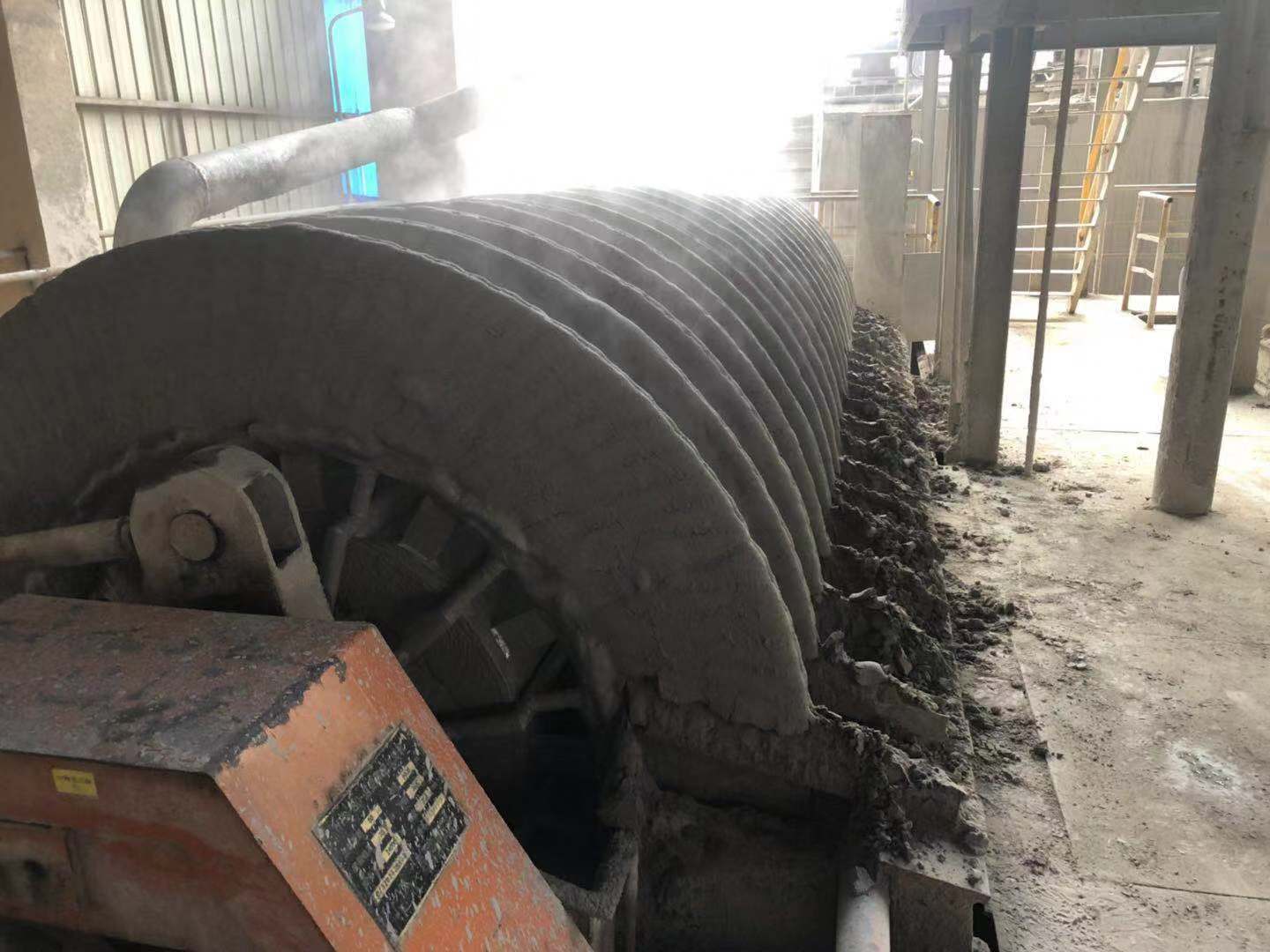
Where Should Recovered Water Return to the Plant?
The best destination depends on water quality, pressure, temperature, reagent sensitivity, and the plant’s ability to accept variable flow.
Prioritize Stable Users Before Optional Consumers
Common destinations include process-water tanks, slurry dilution, equipment washing, seal-water systems, and reagent make-up where chemistry permits. Critical users should receive water through controlled storage and quality monitoring rather than directly from a fluctuating filtrate line. If the process plant stops before the dewatering circuit, sufficient buffer or a safe alternative destination is required.
Coordinate the Thickener and Filter as One Circuit
The operating interface described in Where Should a Thickener Sit Before Belt, Ceramic, or Tower Filtration? is central to water balance control. A high thickener bed level, unstable underflow withdrawal, filter stoppage, or blocked return-water line can shift inventory quickly. Shared trends for feed flow, overflow, underflow, filtrate, tank levels, and cake production help operators see the entire circuit instead of adjusting one machine in isolation.
Which Checks Should Be Completed Before Final Design?
A design review should reconcile laboratory results, continuous measurements, equipment cycles, and upset scenarios before storage volumes and pumps are fixed.
Test Representative Slurry and Water Samples
Use normal and difficult feed samples to test settling, underflow rheology, filtration rate, cake moisture, filtrate clarity, and wash-water demand. Chemical analysis should identify constituents that may concentrate through repeated reuse. The results should define operating ranges, not a single optimistic point.
Run Normal and Upset Balance Cases
Calculate steady operation, high-feed periods, low plant-water demand, filter downtime, thickener upset, cleaning cycles, and start-up. Confirm where water will go in each case and how long storage can absorb the mismatch. Instrumentation should be selected so the plant can later verify the same balance with measured data.
Why Consider Hexin for a Tailings Dewatering Circuit?
A supplier should connect thickening, filtration, pumps, tanks, controls, and water return around tested slurry behavior rather than treating each equipment item separately.
A Relevant Solid-Liquid Separation Supplier
Yantai Hexin Environmental Protection Equipment Co.,Ltd supplies thickeners, ceramic filters, belt filters, tower filter presses, and tailings dry discharge project equipment. This product range makes the company relevant when a project team needs to coordinate bulk-water removal, final cake production, and water recovery. Final flow targets and reuse decisions should still follow representative testing and site-specific water-quality requirements.
Conclusion
A reliable tailings dry discharge water balance starts with dry-solids mass, then follows water through the thickener, filtration cycle, cake, cleaning systems, storage, and plant reuse points. Thickener overflow and filter filtrate should be measured separately, checked for quality, and returned through storage that can absorb different operating rhythms. Designing for upset cases is as important as balancing normal flow because shutdowns and process interruptions create the largest inventory changes.
FAQs
Can thickener overflow and filter filtrate use the same return-water tank?
They can share storage when their chemistry, suspended solids, temperature, and receiving process are compatible. Separate inlet measurement and sampling are still useful because a quality problem may originate in only one stream.
How much water storage is needed in a dry discharge circuit?
Storage should cover the largest realistic mismatch between recovered-water production and plant demand, including filter cycles, process stoppages, cleaning, and transfer-pump constraints. A daily average alone is not a safe sizing basis.
Does the highest thickener underflow density always improve water recovery?
No. Higher density may recover more water in the thickener, but excessive viscosity can reduce pumpability and destabilize filter feed. The target should balance water recovery, transport, filtration performance, and control stability.