
 English
  Russian
  Spanish
 NGZ Thickener Bottom Design: When Should Buyers Consider a Variable Slope or Deep Cone?
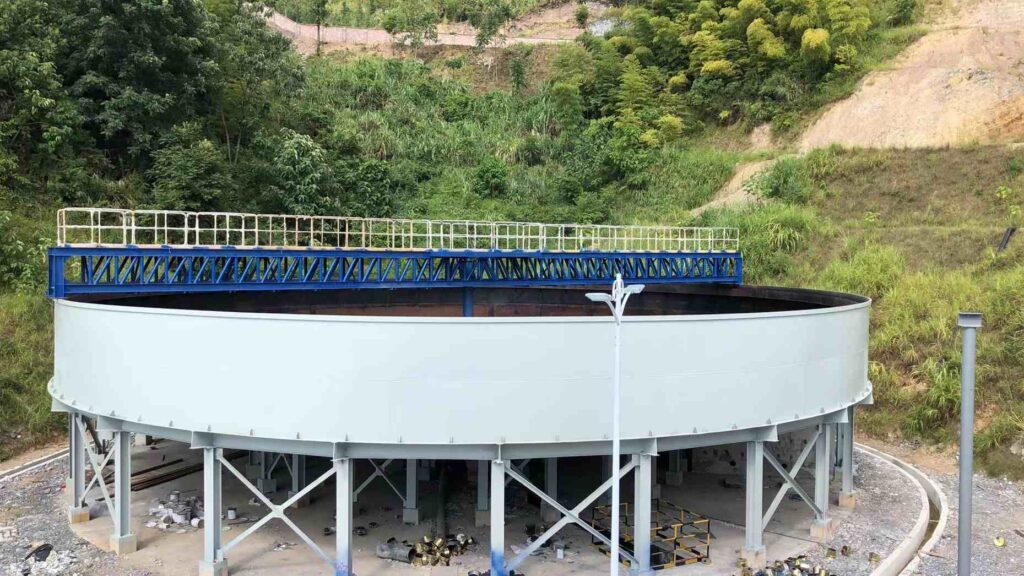
Choose an NGZ thickener bottom design by comparing variable slope and deep cone options for solids movement, compression, pumpability, and restart.
BF Belt Filter Support Selection: Roller Deck, Air Cushion, or Sliding Support?
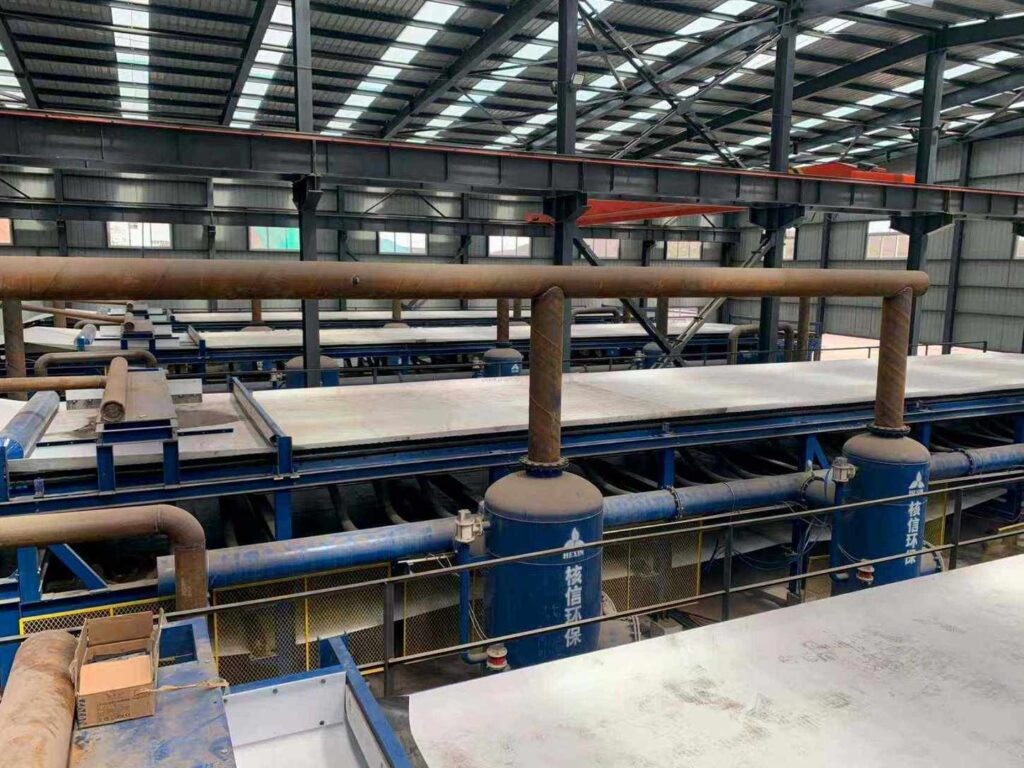
Compare roller deck, air cushion, and sliding supports for BF belt filters by maintenance, air supply, wear, layout, and slurry conditions.
Tailings Dry Discharge Water Balance: How Should Thickener Overflow and Filtered Water Be Reused?
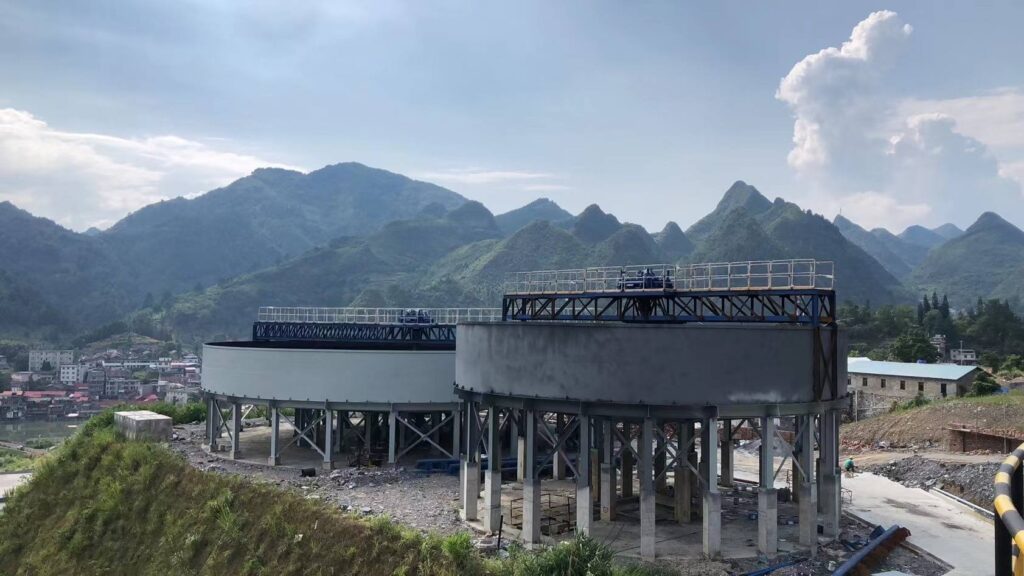
A tailings dry discharge water balance should show where water enters the circuit, where it leaves with solids or evaporation, and how much can return to the plant. The NGZ High Efficiency Thickener removes bulk water before final filtration, while the filter separates additional liquid from the concentrated underflow. Treating these streams as one connected […]
Ceramic Filter Feed Tank Agitation – Preventing Solids Settling and Unstable Cake Formation
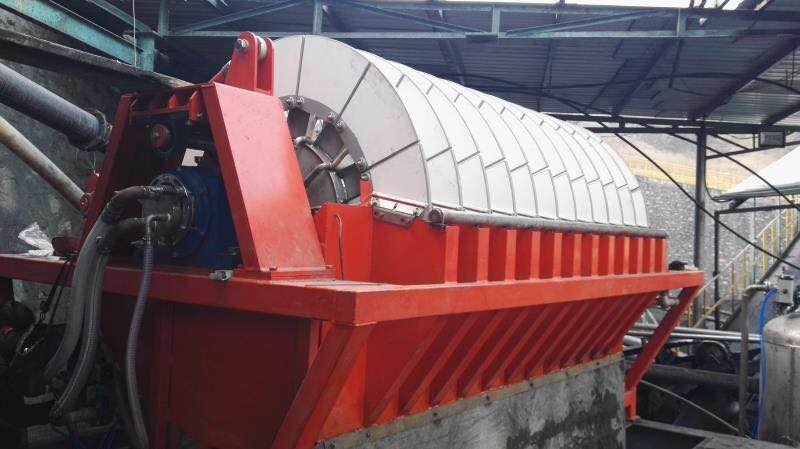
A ceramic filter feed tank is more than a buffer vessel. It is the point where slurry concentration, residence time, agitation, overflow risk, and feed consistency are prepared for a vacuum and capillary filtration cycle. If solids settle in the tank, the DF Ceramic Filter may receive a different material at the start and end […]
Thickener Rake Load Alarm Troubleshooting – Bed Inventory, Underflow Flow, and Safe Recovery
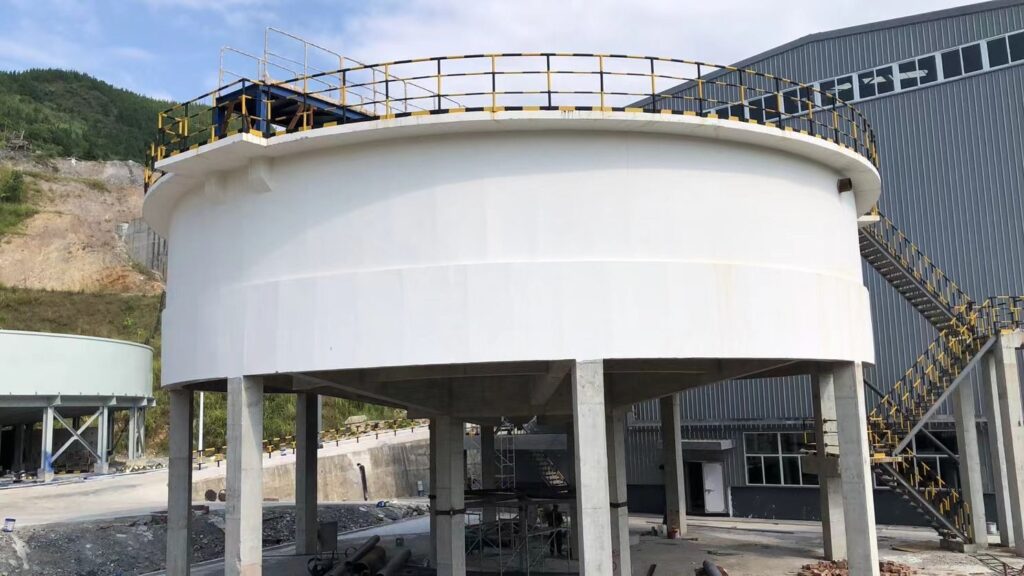
An NGZ high-efficiency thickener rake-load alarm should be treated as a process-protection signal, not simply as an electrical fault. Rising resistance can reflect accumulated bed inventory, restricted underflow withdrawal, feed changes, poor flocculation, or mechanical problems. The NGZ High Efficiency Thickener product information describes overload alarms, automatic rake adjustment, hydraulic protection, pressure sensing, and automatic, […]
TFP Tower Filter Press Cake Washing and Air Drying: What Should Buyers Specify?
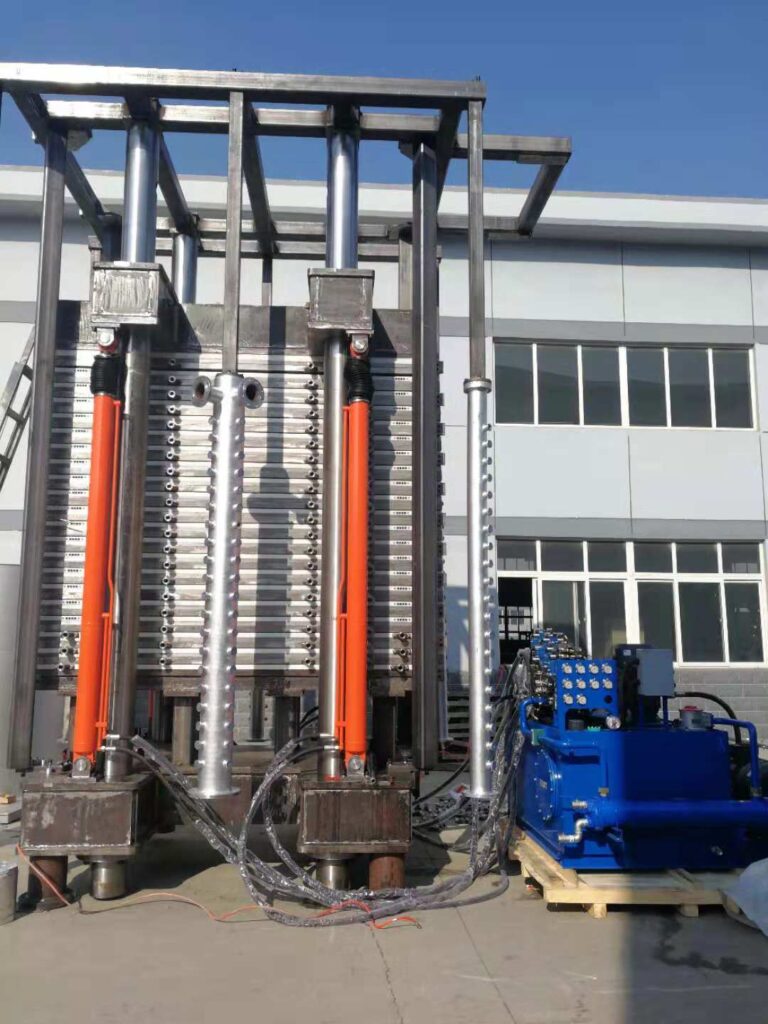
A tower filter press quotation should define more than filtration area and feed capacity. Cake washing and air drying can determine product purity, residual liquid, cycle time, compressed-air demand, and downstream handling. The TFP Tower Filter performs filtration, pressing, optional washing, additional pressing, air drying, and cake discharge in an automated sequence. Buyers therefore need […]
Vacuum Belt Filter Enclosure Design: Containment, Ventilation, and Maintenance Access
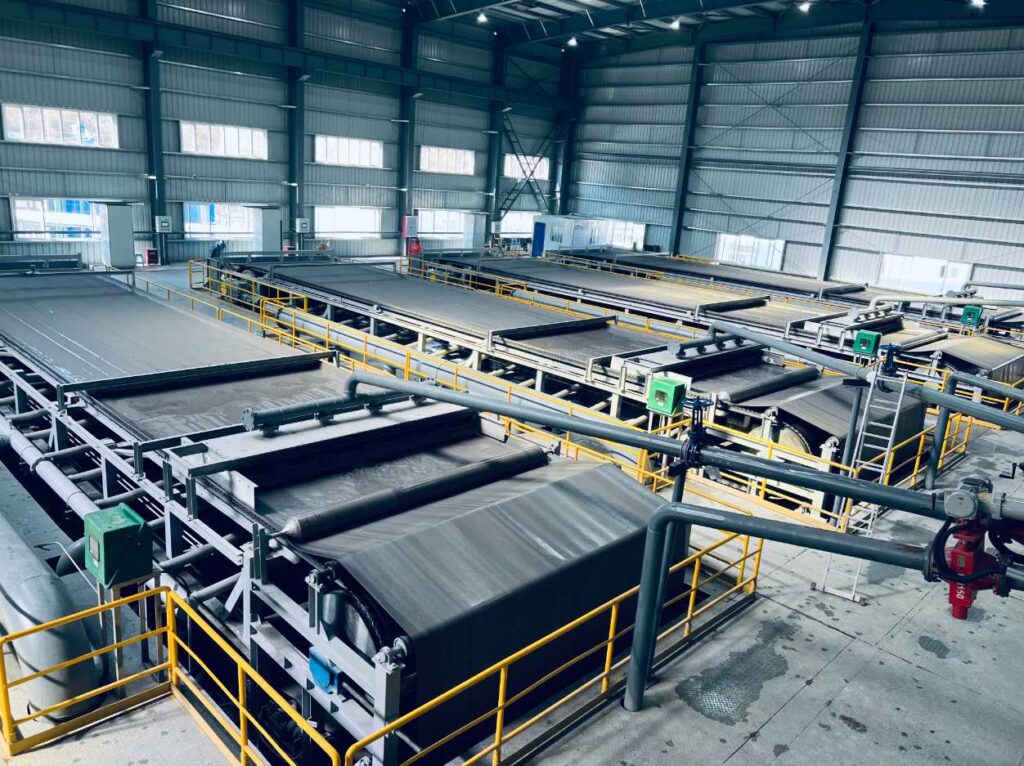
A horizontal vacuum belt filter can be open, partly enclosed, or fully enclosed, but the choice should follow the slurry hazard, vapor behavior, temperature target, cleaning method, and access needs. An enclosure is not a decorative cover. It changes ventilation, inspection, washdown, corrosion exposure, condensate handling, and operator interaction. The current BF Belt Filter product […]
Tower Filter Press Cake Washing: When to Add Washing, Second Pressing, and Air Drying
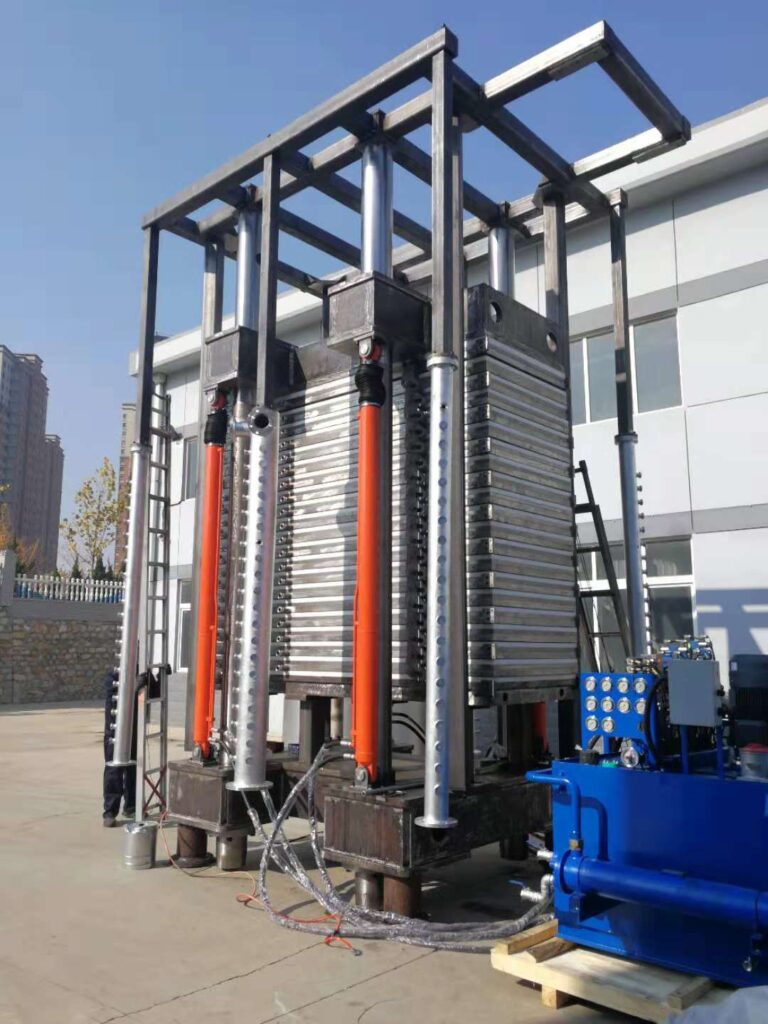
Cake washing in a tower filter press should be included only when the process must remove soluble species, recover dissolved value, or protect a downstream step. Washing adds liquid and time, so it changes cycle capacity, filtrate routing, pressing duty, and compressed-air demand. The TFP Tower Filter product sequence supports optional washing, optional second pressing, […]
Thickener Overflow Turbidity Troubleshooting: Feed, Flocculant, Bed Level, or Underflow Withdrawal?
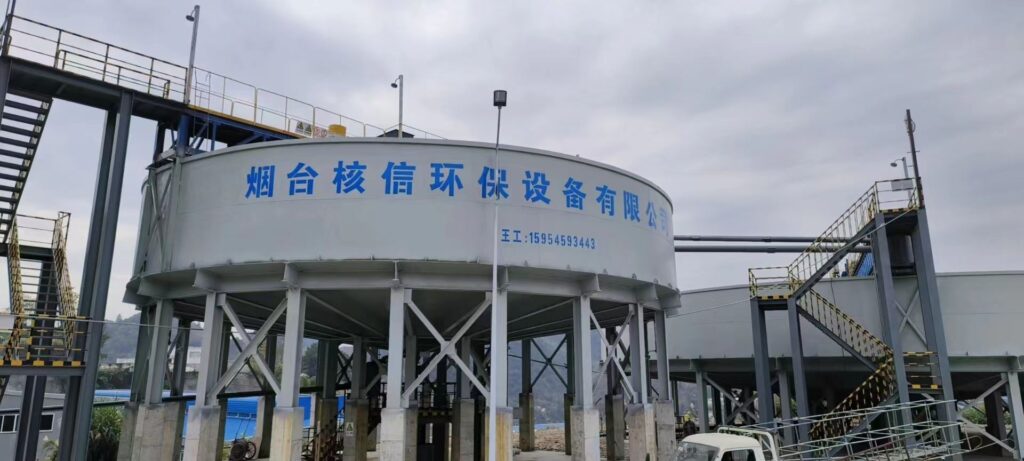
A sudden rise in thickener overflow turbidity is a process signal, not a diagnosis. The cause may begin with feed rate, particle-size distribution, slurry chemistry, flocculant preparation, feedwell mixing, bed inventory, rake condition, or underflow withdrawal. Troubleshooting works best when operators preserve the timeline, compare several measurements, and change one variable at a time. The […]
Horizontal Vacuum Belt Filter Filtrate Segregation: Managing Mother Liquor, Wash Filtrate, and Cloth-Wash Water
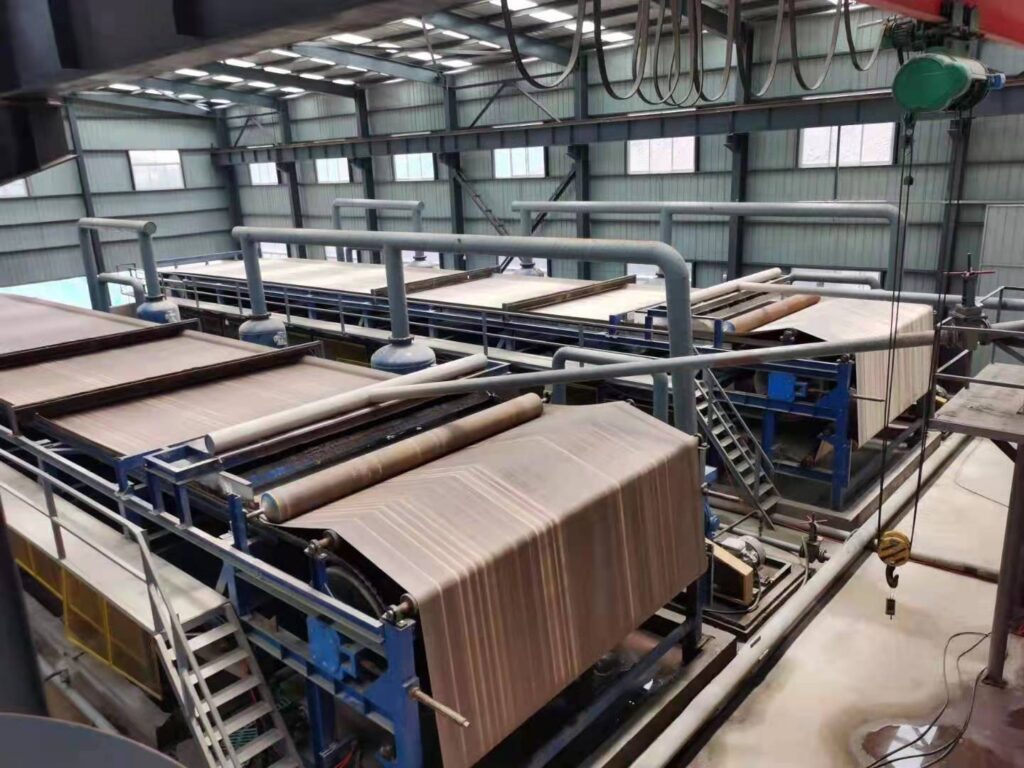
A horizontal vacuum belt filter may produce several liquid streams during one continuous pass: the first filtrate displaced from the slurry, filtrate collected during cake washing, drainage from the drying zone, and water used to regenerate the cloth. Treating all of them as one stream can increase recycling loads, dilute valuable liquor, or send contamination […]