 English
 Russian
 Spanish
Ceramic vacuum filter utilities are worth reviewing while the equipment enquiry is still open. Where will the machine connect? What do you actually know about the services at that point? An existing water main or vacuum pump gives you somewhere to start, but it isn’t a measurement at the proposed filter branch. That gap belongs in the enquiry. It needn’t stop the first discussion, but it shouldn’t disappear behind the word available either.
What does the ceramic filter cycle require from the plant
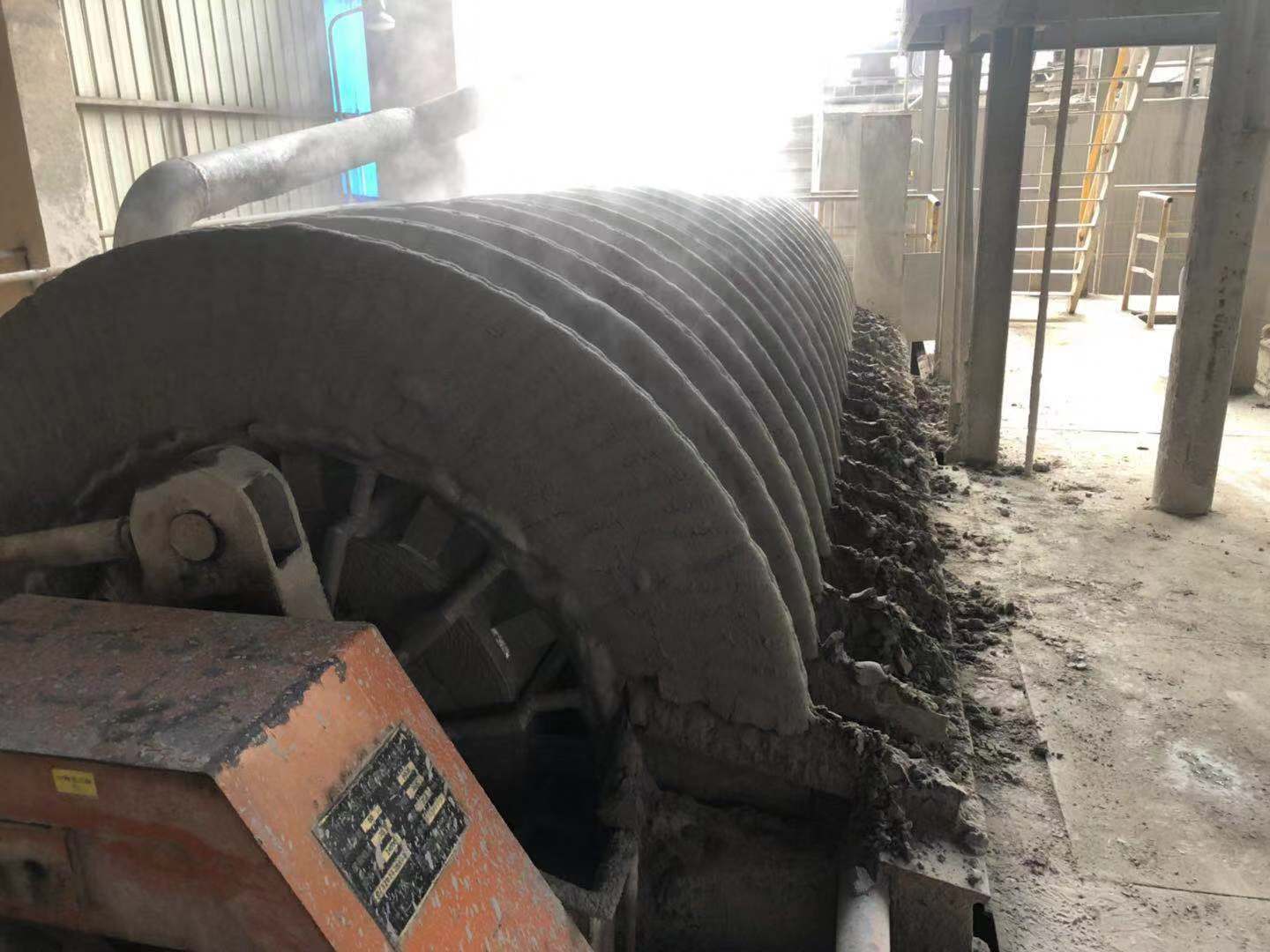
The duties become easier to separate if you follow one plate from the slurry trough past the scraper. Vacuum does part of the work, while the cleaning step uses services that need their own entries on the enquiry.
Filtration and drying share a vacuum duty
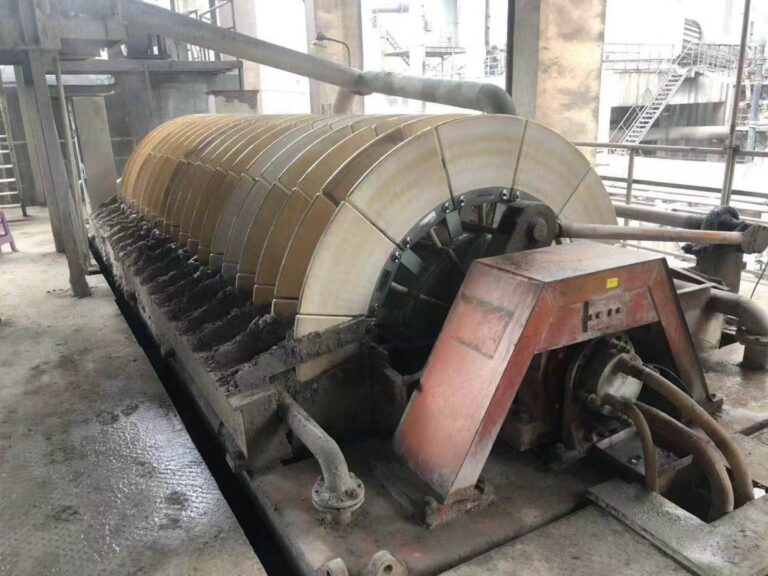
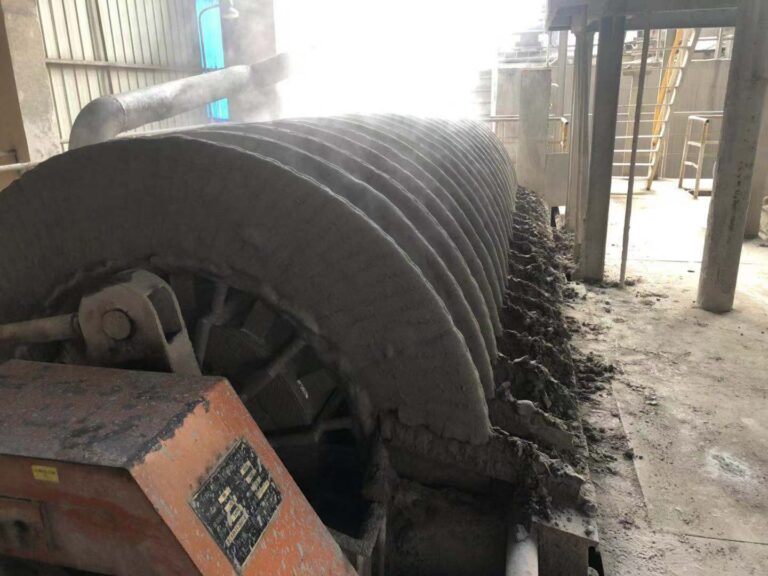
Liquid takes two different paths through a DF Ceramic Filter cycle. First it passes through the submerged ceramic surface, leaving solids to form cake outside the plate. Vacuum and the ceramic material’s capillary properties enable this separation. From there the filtrate has a route of its own, inside the plate channels and on to the discharge tank. The solids stay outside. As the plate turns, it carries that cake into the drying zone for further dewatering. A layout that shows suction but stops at the tank still leaves the filtrate destination unanswered.
At discharge, the scraper removes the cake with no vacuum applied. You can see why a pump data sheet alone doesn’t describe the whole duty: filtration and drying have occurred earlier in the rotation. The data sheet won’t show a shared branch or the route to the filter either. Where an existing system is proposed, include its connection on the layout and explain which other users remain on it.
Cleaning introduces separate services
After discharge, the direction changes for backwash: it comes from inside the plate channels and works outward. Hexin describes industrial water or compressed air for that step. Periodically, ultrasonic cleaning with dilute acid is also described. Which of these arrangements is the offer pricing? The description doesn’t supply a project cleaning pressure, acid concentration or interval, so those cannot be filled in from a generic utility schedule. Each proposed service needs an identified supply point and an owner.
Which water information belongs in the enquiry
The phrase plant water leaves too much room for interpretation. It can describe a source across the site, a main running past the filter area, or an actual branch ready for connection. Only the last of those settles the physical interface. Even then, availability during the required duty still needs checking.
Conditions at the connection are the useful conditions
A measurement taken at a pump room is not automatically a measurement at the proposed filter connection. Its location should stay with the reading, along with the date and operating state. Where another machine shares the line, the record should say whether that machine was running. Otherwise, a perfectly accurate reading can be used to describe a condition that was never measured.
For each source, ask what has actually been observed. Is the supply continuous? What flow and pressure range was measured, and is a water analysis available? Include temperature when it matters for the duty. These are inputs to a review, not universal acceptance values. If flow during backwashing is unknown, the RFQ can say exactly that. An open item beside the reading is more useful to the supplier than a number copied in to make the table look complete.
The word reclaim can be misleading on a recycled-water drawing. Does it mean thickener overflow here, or filtrate coming back from a filter? Those are different sources. And at startup, the return you expect during normal production may not exist yet. Storage or another supply might resolve that, but the decision needs the plant’s water balance. The tailings water-balance discussion looks at those returns together; this enquiry needs to identify which one actually reaches the filter connection.
How should the vacuum and filtrate routes be reviewed
Once the water sources are identified, the layout can show how the filter connects to the rest of the plant. This is the point to separate a required duty from an assumed package scope.
Trace liquid all the way to its destination
Consider a hypothetical layout revision that sends filtrate to a different collection tank. On a flow diagram, it might take only one changed arrow. On the site layout, the new route could have another elevation or a longer run, and the original quotation may stop at the old connection. The revision therefore belongs in the supplier clarification, not just on the process drawing. The aim is to establish who supplies the liquid route all the way to its agreed destination.
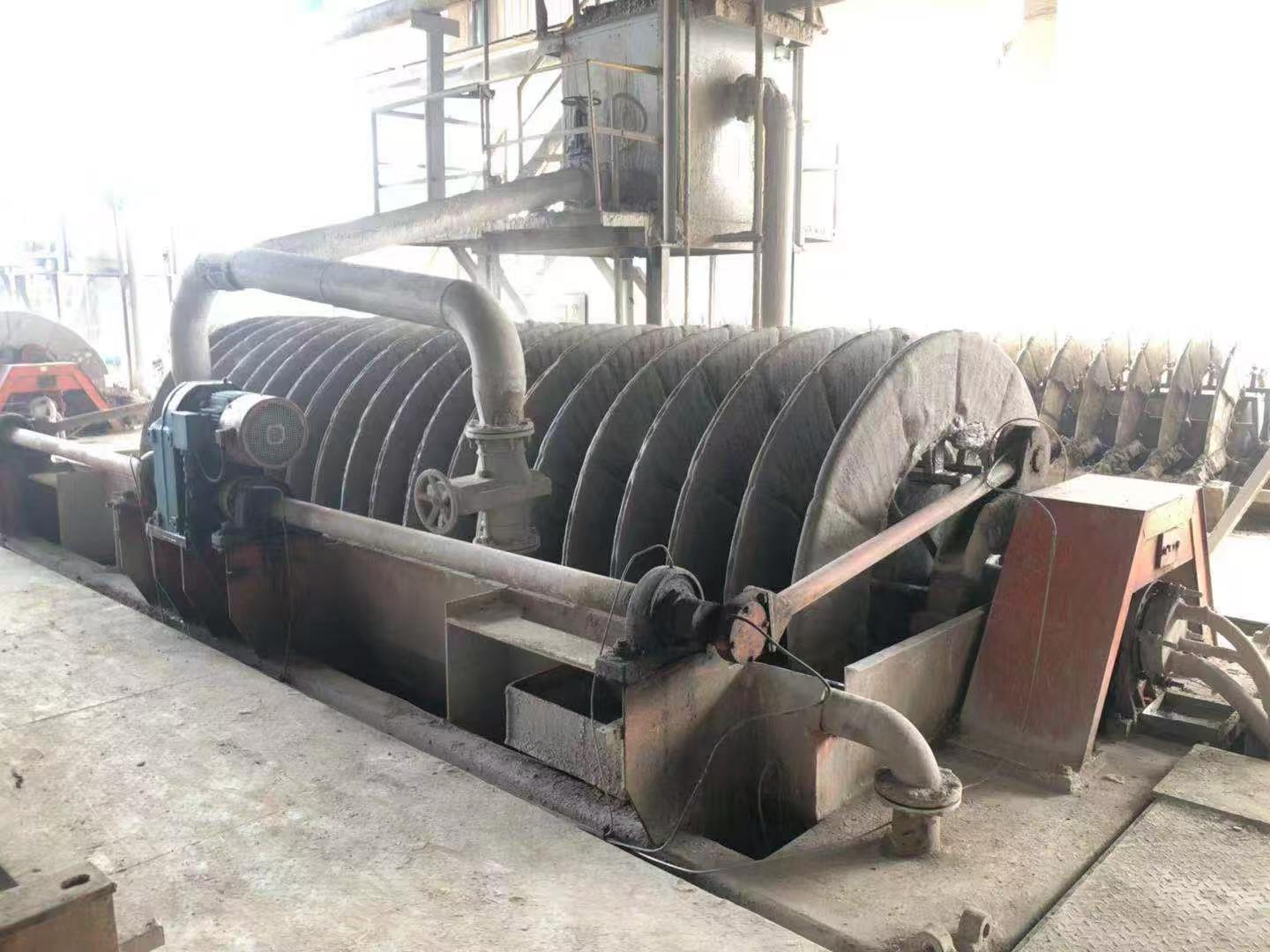
On the vacuum side, use one drawing to show the filter connection and the route through any receiver or separation point to the vacuum equipment. Mark the valves and shared branches too. At an operating site, take the drawing on a walkdown; if a branch has moved, the pipe in front of you is the useful starting point. On a new project, the proposed elevations and route give the supplier the corresponding information to review.
Give an operating observation its context
If a sample looks cloudy, the next question is where it came from and what the filter was doing then. The sample alone won’t tell you why it contains solids. Comparing outlets or cycle stages can help the team decide which plate channels or connections to inspect. The related filtrate turbidity troubleshooting article develops that investigation. A change in water quality can remain a question to examine without being presented as the established reason for carryover.
What must be settled before comparing quotations
Every bidder needs the same feed description, operating schedule and utility drawing. A filtration test belongs with its sample origin and conditions. It does not establish the capacity of a site water branch or complete a missing piping survey. Keeping test evidence and utility measurements separate helps procurement see what each proposal actually assumes.
Read the equipment list beside the marked layout. Is the pump included? What about the tank, valves, instruments, controls and pipe between packages? Write included, excluded or supplied by others against the items, rather than assuming a package name settles them all. For an open connection, a small register can keep the reading, its source and the person doing the next check together. This is particularly useful where a plant branch and a supplier’s package end at different physical points. The pipe between those points needs an owner, however small it looks on the layout.
Discussing ceramic filter scope with Hexin
Ceramic, belt and tower filters, along with thickeners, are in the range offered by Yantai Hexin Environmental Protection Equipment Co.,Ltd. To request product details and a quotation, send the feed information you have and a sketch of the proposed connections. Leave the survey gaps visible on that sketch. You’ll then have something specific to discuss when comparing the equipment offered with the services your plant still has to provide.
Conclusion
When you come to compare quotations, return to the three physical points on the layout: water coming in, suction connected, filtrate going out. Are both parties pricing the same arrangement? Any remaining unknown needs a named follow-up. This is the link between selecting a filter for its feed duty and being able to connect it at the site you’ve actually got.
FAQs
Can a pump nameplate replace a site vacuum review
No. It identifies the pump, but not the installed line, shared users or conditions at the filter. The review still needs the connection and piping arrangement.
Must every water measurement be complete before requesting a quotation
No. An initial enquiry can identify missing readings. The proposal should state which assumptions remain subject to confirmation before the equipment basis is finalized.
Does clear filtrate prove a recycled stream is suitable for cleaning
No. Appearance alone does not establish the chemistry, availability or suitability of a stream for a particular cleaning duty. Review the intended service and available analysis.