
 English
 Russian
 Spanish
A low vacuum reading fails to show its exact root cause. For a BF Belt Filter, air leaks might happen at the belt seal. They could also occur near the vacuum box. At the same time, a blocked liquid path can create a very similar issue. The most recent good run serves as a helpful baseline. That run’s gauge location, belt load, feed, and cake details offer the next shift a solid starting point.
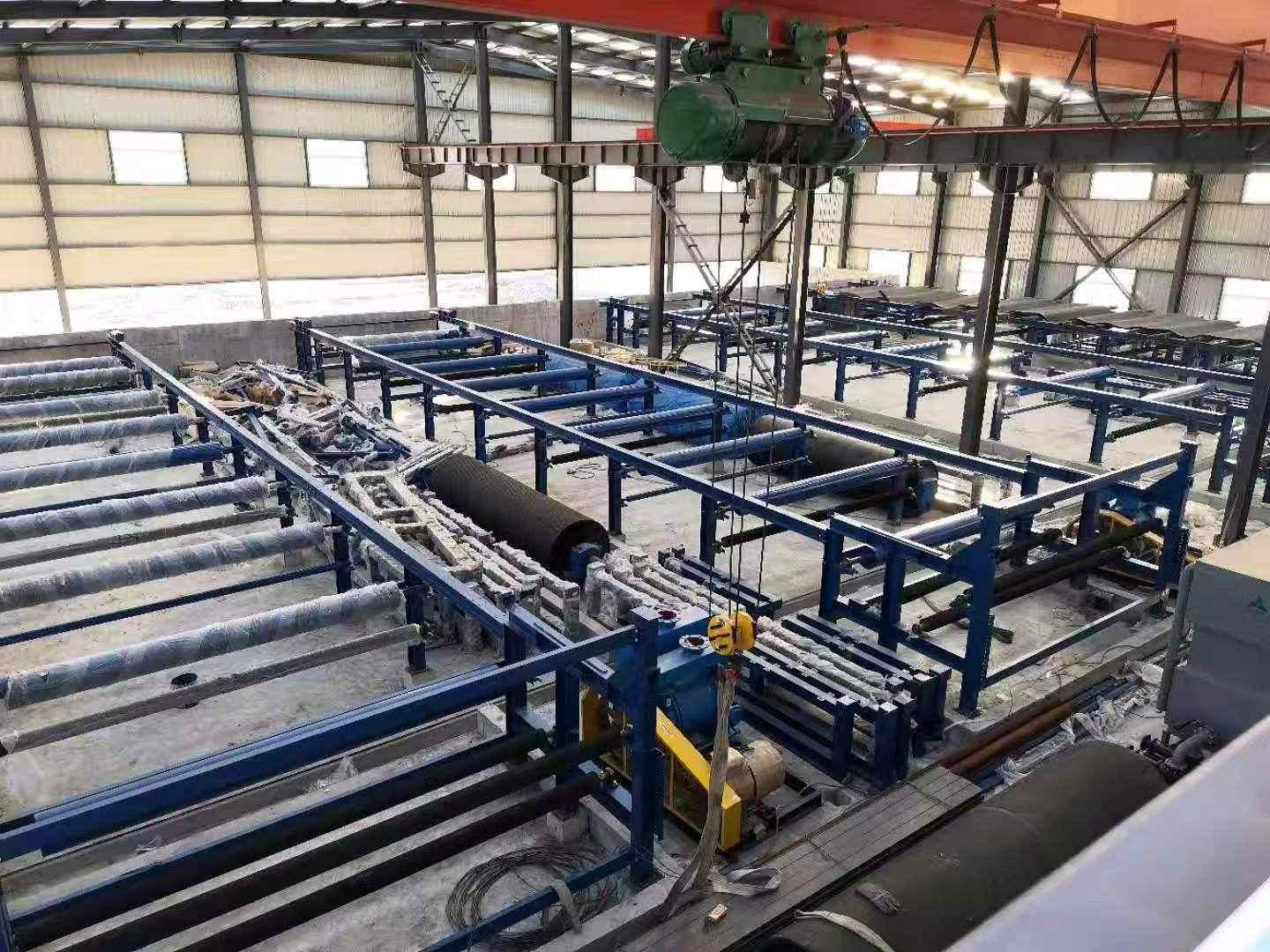
Where was the reading taken?
A simple pressure number means very little by itself. Always record its exact location. Also, note the physical state of the belt right next to that spot.
Write down the operating picture
The operator’s log needs to answer a few basic questions. Did the belt carry a heavy load, or was it mostly empty? Did a cleaning cycle just end? Did the feed material change? Furthermore, a blocked sensing line can easily distort the pressure reading. Keep in mind that a vacuum value is not absolute pressure. The installed gauge and the local plant rules must clarify this detail. You must sort this out before anyone opens an active process line.
Is seal water reaching the belt contact?
Hexin’s product documents show a specific water seal. This seal sits right where the carrier belt touches the friction belt above the vacuum box. This specific design feature makes the water pipe a key part of any vacuum check. If water fails to reach that contact zone, the required seal will not exist.
Trace the line all the way
In the belt filter configuration, the equipment layout needs to display the exact spots for checking seal-water flow. You should be able to see or measure this flow clearly even after workers install the safety guards.
Did maintenance change the box position?
Sometimes the vacuum level drops right after workers open the box. When this happens, you should check the recent maintenance logs. Do this step before the plant decides to buy a larger pump.
Compare the parts under isolation
First, safely isolate the machine and release all stored energy. Next, compare the actual box, contact strips, and belt drainage holes against the official assembly drawing. You should carefully document any dirt buildup or physical wear. However, remember that even a perfectly clean strip might sit in the wrong spot. Always rely on the manufacturer’s stated limits. Adding extra belt tension will never fix a hidden air leak. Also, you cannot use a different machine as a safe guide for making adjustments.
Is filtrate leaving the receiver?
The standard BF Belt Filter path pulls liquid through the filter cloth and the belt. It goes into the vacuum chamber. From there, it travels through an air-water separator. If the receiver gets completely full, the discharge flow might stop. This specific issue can easily look like a major fault at the vacuum box itself.
Follow the liquid route
Before you start the inspection, highlight the separator, outlet, receiver, and pump on your plant’s piping diagram. When the problem actually happens, write down the receiver fluid level. Also record the valve positions and the flow rate at that exact time. A single small test is much easier to understand than making multiple changes all at once. The general continuous dewatering guide provides helpful background information. However, the specific site installation drawing always controls this particular filter.
How should the repair be judged?
An empty moving belt might appear perfectly fine. Yet, that same belt could lose suction once it carries a heavy load. Therefore, you must test the recent repair work using normal feed material on the belt.
Look at cake and filtrate too
During the follow-up check, use the exact same pressure gauge. You should record the seal-water state, the belt speed, and the feed rate. Observe the final cake formation and the filtrate flow right next to the recorded pressure value. Sometimes the suction level goes back to normal, but the cake quality stays bad. That outcome gives you a completely different clue. It usually points to an issue with the feed slurry or the filter cloth condition.
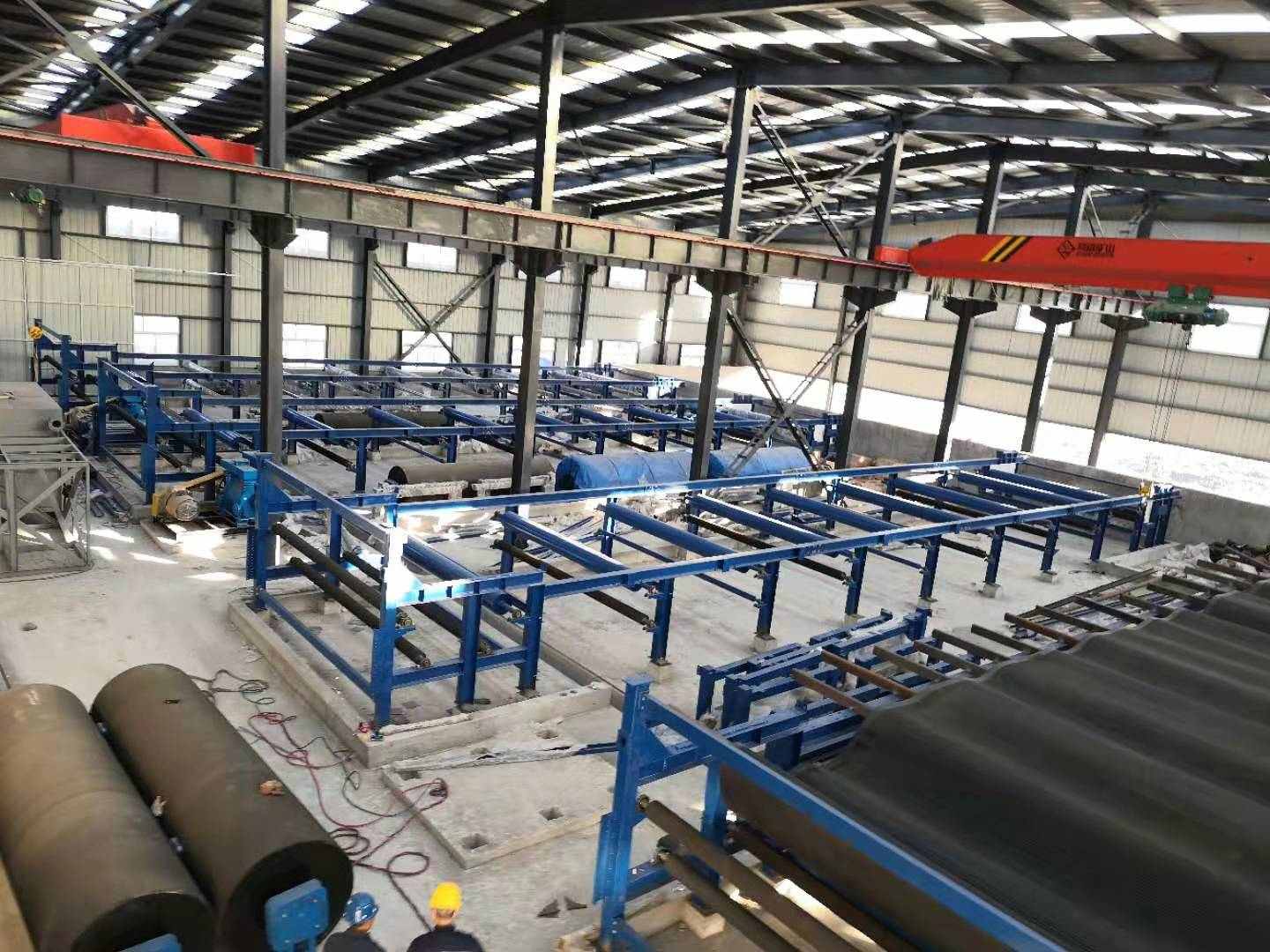
What can Hexin review?
The continuous dewatering guide offers a broader technical context. Meanwhile, the specific BF Belt Filter documents explain the water-sealed vacuum area and the various liquid-discharge choices. A truly helpful support request to Yantai Hexin Environmental Protection Equipment Co.,Ltd will include the machine model and the recent performance trend. It should also list your water observations and the current maintenance logs. Furthermore, any new project quote must display the planned water and filtrate pipe connections.
A proper shift handover will document a clear chain of events. For example, it should note that the pressure drop started right after a cleaning cycle. It might state that the belt held a thick cake, the seal water flowed visibly, and the receiver liquid level went up. The next plant operator can easily track that specific sequence. This prevents them from simply guessing the true meaning of a "low vacuum" note.
Sometimes adjusting a valve makes the gauge reading better. When this occurs, you must save both the old and new numbers. Proper liquid drainage might have started working again. Alternatively, the system’s air load could have shifted for just a short moment. A later test run with a full material load will reveal the truth. It shows whether the actual repair caused that performance boost.
Plant engineers can make future troubleshooting tasks much easier during the initial purchase phase. The equipment layout drawings can clearly display the water lines and the filtrate pipes. They can also show the pressure gauge spots and the safe inspection access points. These specific design details become highly important once the filter starts running every day.
Conclusion
Always trace the complete air path starting from the marked gauge. Move carefully through the belt seal, the vacuum box, and the liquid receiver. You must link every single observation back to the official site drawing. After that, test your mechanical repair by placing real slurry on the belt. This structured approach gives the processing plant a clear, verifiable next step.
FAQs
Should a larger vacuum pump be installed first?
No. You should always start by checking the water seal, the box alignment, and the liquid drainage path. First, you need to fully understand any hidden leaks or pipe restrictions. After you clear those issues, the true air load can help you pick the right pump size.
Is belt-seal water the same as cloth-wash water?
No. These two water flows handle completely different tasks. Because of this, they must stay on separate piping circuits within the system drawings.
Does restored vacuum prove that cake moisture is acceptable?
No. The standard plant moisture testing method remains totally necessary. The incoming feed quality and the physical state of the filter cloth still play a major role.


