 English
  Russian
  Spanish
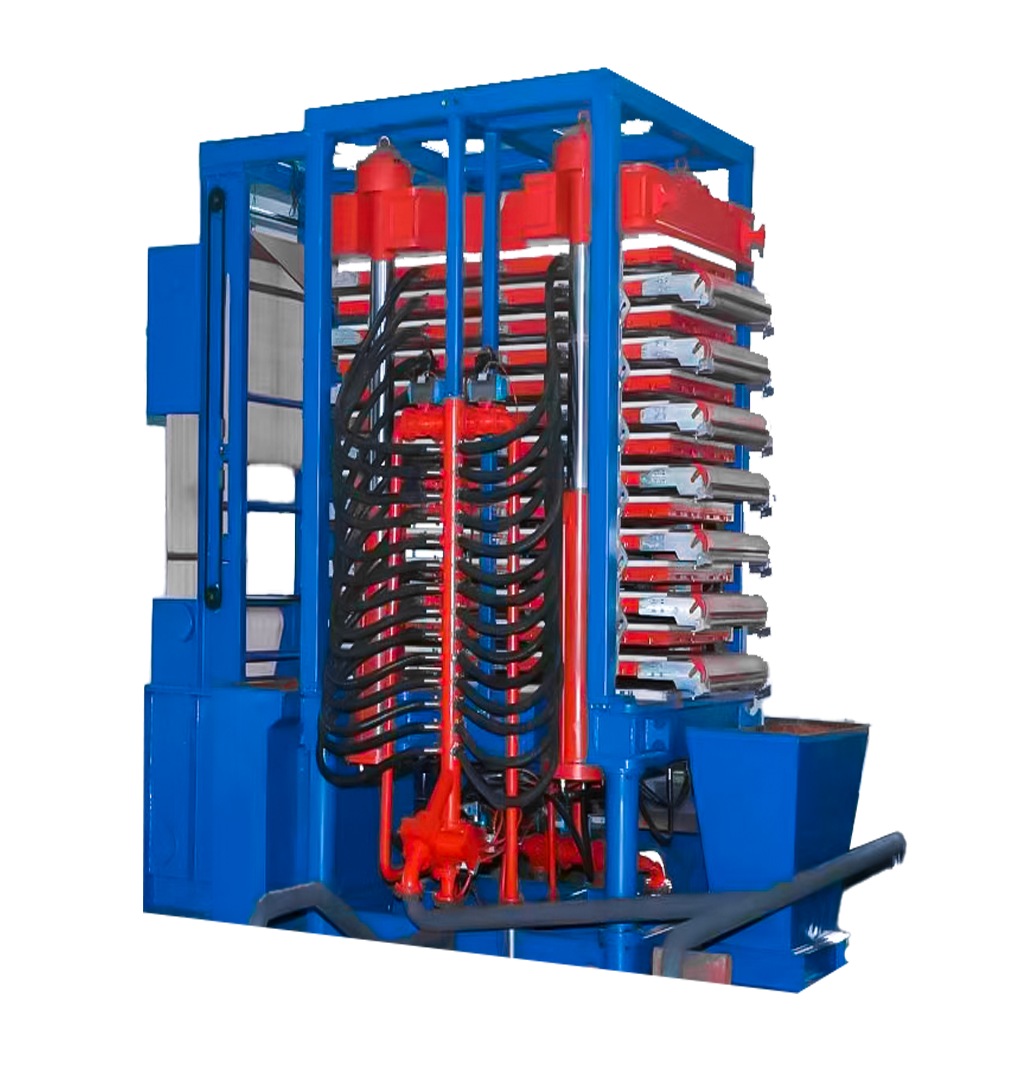
 Metallurgical facilities process slurries that often hold small mineral bits, metal oxides, leaching residues, electrolytic residues, concentrates, tailings, or industrial slags. Effective solid-liquid separation highly impacts downstream recovery. It also affects water reuse, transport expenses, and residue management. An automatic vertical filter press, widely known as a tower filter press, merges pressure filtration, cake pressing, and optional washing. It also handles air drying, automatic discharge, and filter-cloth regeneration in a single operating cycle. Still, buyers must pick the equipment based on real slurry tests and process goals instead of just looking at the filtration area.
How Does an Automatic Vertical Filter Press Work?
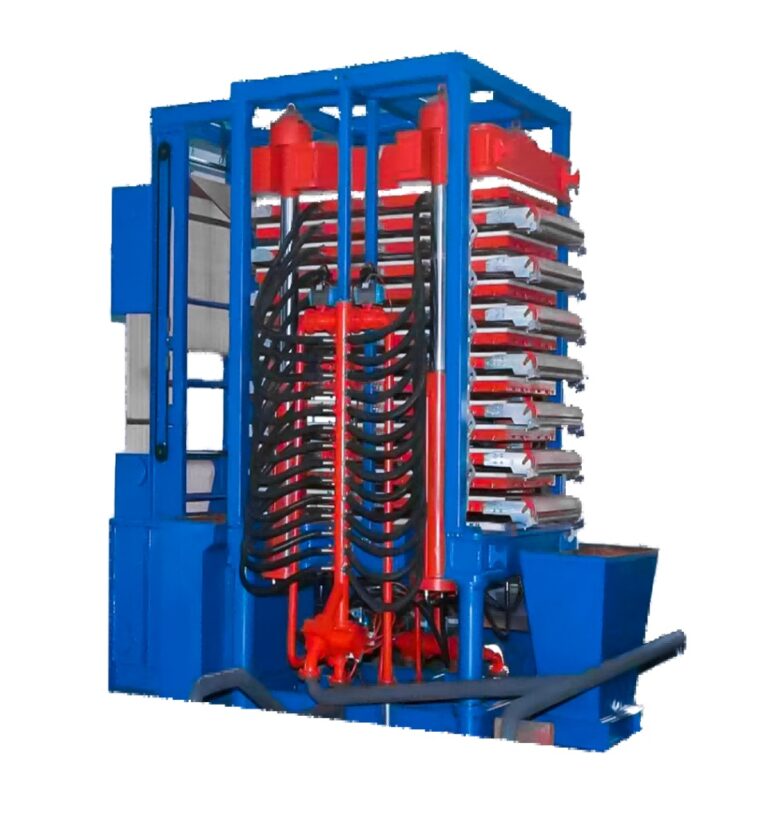
A vertical filter press stacks multiple horizontal filter chambers inside a tower-like frame. Slurry is pumped into these sealed chambers. Liquid moves through the filter cloth, and solids build up to form a solid filter cake.
The whole cycle can feature various stages. These stages depend on the metallurgical process and the needed cake condition.
How Is the Initial Filter Cake Formed?
During the slurry feeding stage, the pressure difference across the filter cloth forces the liquid into the filtrate channels. The suspended solids stay on the cloth. They slowly create a cake.
Feed concentration, particle-size distribution, and viscosity all affect cake formation. Temperature, mineral makeup, and pump pressure play big roles too. A slurry with fine or sticky bits might need a longer filling time. It might also need a different cloth choice compared to a coarse concentrate.
Steady upstream thickening is also crucial. Big shifts in feed concentration can lead to unstable cycle times. They can also cause uneven cake thickness and poor filtrate quality.
What Happens During Diaphragm Pressing and Air Drying?
After the chamber fills up, high-pressure water can push on the diaphragm. This action compresses the cake against the filter cloth. This mechanical pressing step takes out extra liquid that might stay after the first filtration stage.
Compressed air can then blow through the cake. This reduces residual moisture even more and clears liquid from the filtration chamber. The TFP tower filter offered by Yantai Hexin includes filtration, pressing, and optional washing. It also covers drying, discharge, and cloth-regeneration tasks inside an automated process. Its product page notes that filtration pressure can hit 20 MPa. This depends on the chosen setup and application.
How Is the Filter Cake Discharged?
After pressing and drying finish, the plate assembly opens. The filter-cloth drive shifts the cake toward the discharge points. Automatic cake discharge can cut down the manual labor linked to opening plates and taking out single cakes.
The cloth is then washed or regenerated before the next cycle starts. Dependable discharge relies on cake structure, moisture, and adhesion. Cloth condition and proper machine settings are also vital. Sticky metallurgical residues must therefore be tested before model selection.
Where Can a Tower Filter Press Be Used in Metallurgy?
The machine can handle both production and residue-management tasks. The right placement point depends on the specific goal. A plant might want to recover a precious solid or get a reusable filtrate. It might also need to wash soluble items from the cake or ready waste material for transport.
Many metallurgical applications can gain advantages from pressure filtration.
Can It Dewater Concentrates and Tailings?
Mineral concentrates may need lower moisture before storage, transport, blending, or further processing. Tailings filtration can be applied to recover process water. It also yields a cake that is simpler to handle than a watery slurry.
A low-moisture cake can lower the volume of water moved with the solid material. However, the reachable moisture level relies on the mineral and particle size. Cake permeability, feed concentration, filtration pressure, air-drying conditions, and cycle time also matter.
Hexin lists mining concentrates and tailings among the main dewatering uses of its TFP tower filter.
Can It Process Leaching and Electrolytic Residues?
Hydrometallurgical methods often create residues after leaching, precipitation, purification, or electrolysis. In these uses, filtration might need to do more than basic dewatering.
The facility might have to recover a costly solution or cut down soluble material left in the cake. It might also need to wash the solid before disposal or extra treatment. An optional cake-washing step can feed washing liquid through the formed cake. It then sends the resulting liquid to the discharge system.
Hexin also names metal oxides, electrolytic residues, and leaching residues. Slags and waste-acid treatment are also among the applications for its vertical filter press.
What Process Benefits Can the Equipment Provide?
The primary worth of an automatic vertical filter press is process integration. Several separation stages can happen in a managed order. This avoids using multiple separate machines or heavy manual handling.
The perks should still be checked against the plant’s actual production data.
How Can Automation Improve Operating Consistency?
A PLC and touch-panel control system can manage chamber closing, slurry feeding, pressing, and washing. It also controls drying, plate opening, cake discharge, and cloth movement. Automated valves can further help manage the flow of slurry, water, air, and filtrate.
This steady sequence can lessen changes caused by manual timing. It may also permit operators to watch pressure, cycle duration, valve status, and alarms more reliably. Hexin outlines its TFP system as hydraulically run and managed through a PLC, touch panel, and automatic valves.
How Can Lower Cake Moisture Help a Metallurgical Plant?
Lowering cake moisture may drop transport weight, boost downstream handling, and save more process liquid. A drier cake can also be simpler to stack, convey, package, or feed into the next production phase.
The goal should not merely be “the lowest possible moisture.” Extra pressing or air drying uses up time and utilities. Buyers must find the moisture level that adds clear value for the next process.
Why Is the Compact Tower Structure Useful?
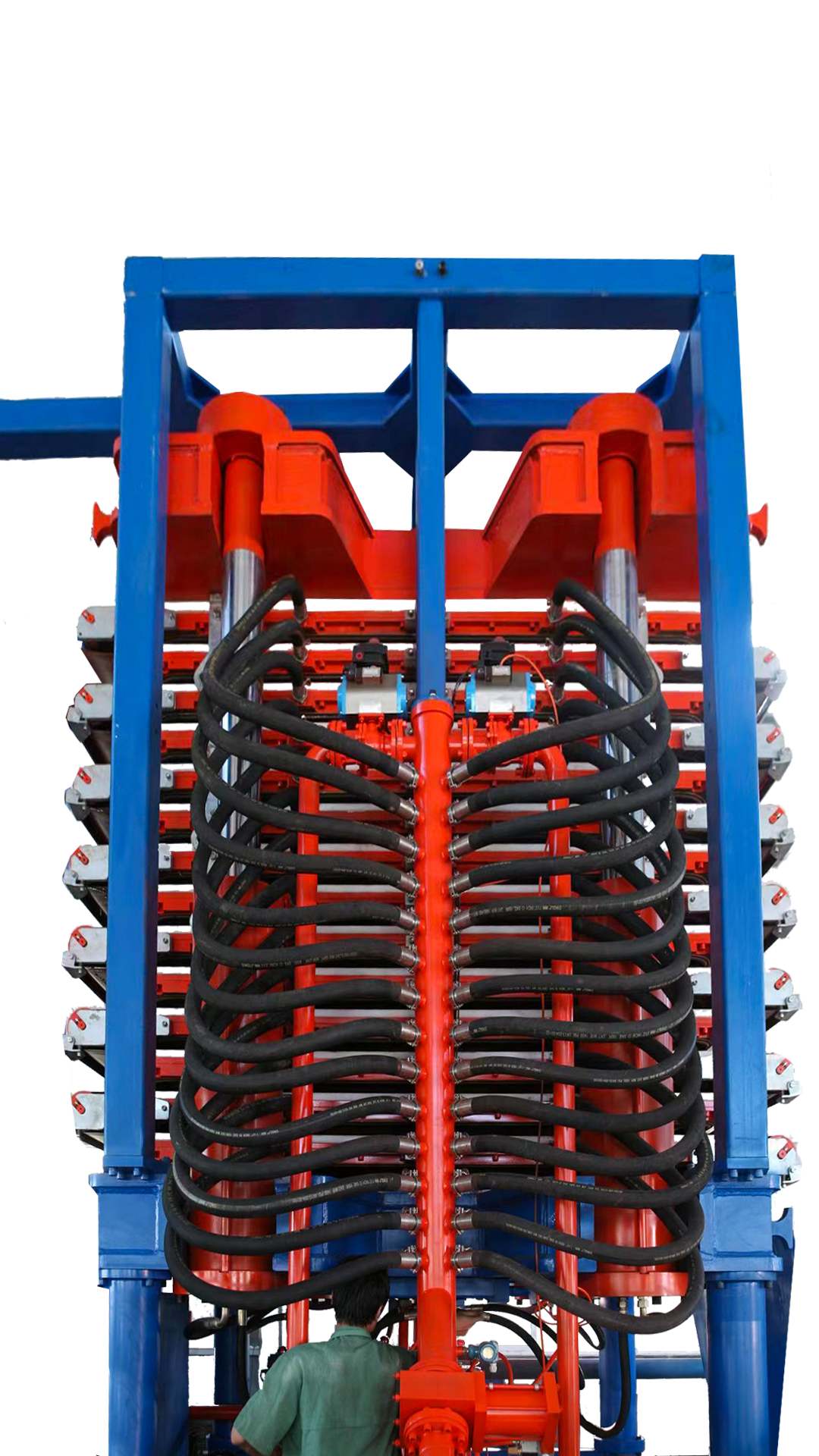
Horizontal filtration chambers are stacked vertically. This setup allows a fairly large filtration area to fit inside a tight footprint. This design can be very helpful when a plant has little floor space but can handle the machine height.
The support structure must still offer proper access for maintenance, cloth replacement, and piping. It also needs space for cake discharge, hydraulic equipment, and overhead lifting where needed.
What Should Buyers Check Before Selecting a TFP Tower Filter?
A model cannot be picked safely based on daily tonnage alone. Two plants handling the exact same amount of solids might need different filtration areas. This happens because their slurry traits and cycle goals differ.
The buying process should start with process data and laboratory or pilot filtration tests.
Which Slurry Information Should Be Provided?
The supplier must get the slurry flow rate, solids concentration, and particle-size distribution. Density, viscosity, temperature, pH, chemical composition, and the planned operating schedule are also vital. Buyers should also mention if particles are abrasive, corrosive, sticky, or compressible. They must note if the cake is tough to release from the cloth.
A true sample is extremely useful. Tiny changes in ore body, reagent dosage, or oxidation state can shift results. Upstream thickener operation can also impact filtration performance.
Which Performance Targets Should Be Confirmed?
Buyers must set the required dry-solids throughput, peak cake moisture, and filtrate clarity. Washing efficiency, cake thickness, discharge behavior, and suitable cycle time are also key.
Utilities must also be checked. These include electrical supply, compressed-air pressure and volume, and process-water access. Washing-liquid needs and hydraulic-system conditions matter too. The final proposal must show which utilities are in the supplier’s scope and which the plant must supply.
Which Mechanical and Commercial Details Matter?
Material choices should fit the slurry’s corrosiveness and abrasiveness. Buyers must check the filter cloth, diaphragm, piping, valves, and seals. They should also review hydraulic parts, wear items, and surfaces that touch the slurry.
They must also verify installation dimensions, foundation loads, operating weight, and cake-discharge clearance. Access platforms, spare-parts advice, commissioning support, and operator training are important. Warranty terms, documentation, and the planned delivery schedule should be clear.
Hexin supplies TFP models with stated filtration areas ranging from 1 to 144 square meters. However, the right model must be chosen based on test results and the needed production capacity.
Why Choose Yantai Hexin Environmental Protection Equipment Co., Ltd.?
Metallurgical filtration projects need more than just dropping off a machine. Buyers might require process evaluation, equipment selection, and installation guidance. Commissioning, spare parts, and after-sales support are also crucial.
A vendor with deep knowledge across multiple solid-liquid separation technologies can assess the filtration stage within the whole plant process.
What Makes Hexin a Reliable TFP Tower Filter Supplier?
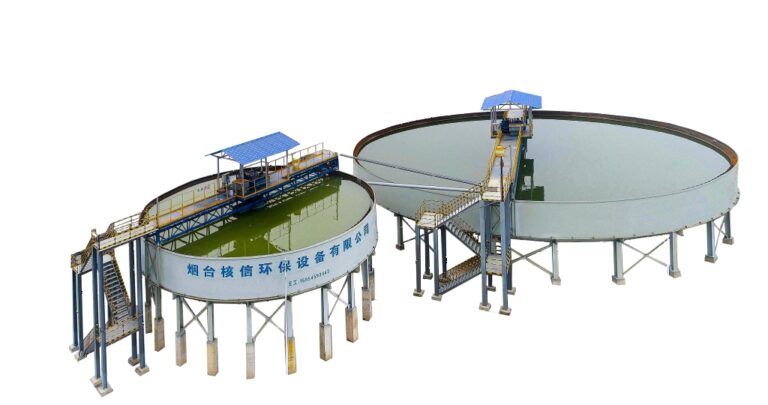
Yantai Hexin Environmental Protection Equipment Co., Ltd. focuses on the research, building, and sale of filtration equipment. Its product lineup includes vertical tower filter presses, belt filters, and ceramic filters. High-efficiency thickeners and tailings-treatment EPC solutions are also offered. The firm notes that it has operated in the filtration sector for more than 20 years. It serves mining, metallurgy, chemical processing, sewage treatment, and tailings-treatment applications.
For a TFP project, clients can supply slurry data, production targets, and plant layout. Utility conditions and material needs are also helpful so that Hexin can plan a proper setup.
What Is the Final Selection Principle?
An automatic vertical filter press can aid metallurgical concentrate dewatering, residue washing, and filtrate recovery. It also helps with tailings treatment and slag handling. Its automated filtration, diaphragm pressing, and optional washing are very effective. Air drying, cake discharge, and cloth-regeneration stages can deliver stable operation and low-moisture cake output.
The optimal equipment pick relies on proper slurry testing. Before buying, customers must check feed traits, needed throughput, and the cake-moisture target. Filtrate quality, washing duty, utilities, construction materials, automation scope, and maintenance access are essential. A technically thorough proposal brings much more value than just picking the biggest available filtration area.
FAQs
Can a Vertical Filter Press Handle Fine and Sticky Metallurgical Slurry?
It might be a good fit because pressure filtration and diaphragm pressing can handle tough fine-particle tasks. However, filterability, cake release, and cloth choice must be checked. Cycle time should also be tested with a true slurry sample before the machine is sized.
Does a Larger Filtration Area Always Produce a Better Result?
No. A larger area can raise possible capacity. Yet, filtration performance also relies on feed concentration, cake thickness, and pressure. Cycle length, air drying, washing needs, and slurry traits matter greatly. Oversizing might raise costs without fixing bad feed conditions.
What Information Should I Send Hexin for a TFP Proposal?
Share the slurry source, hourly flow, solids concentration, particle size, density, temperature, and pH. Chemical composition, needed cake moisture, filtrate-quality target, and washing requirements are also needed. Include daily operating hours, available utilities, installation space, and favored construction materials. A proper slurry sample can greatly aid in reliable equipment selection.