 English
  Russian
  Spanish
 Tailings dewatering system design holds a highly important role in current mining projects. Mines today face tougher environmental rules, climbing water expenses, and restricted tailings pond space. They also deal with greater demands for operational safety. Therefore, buyers require a system that goes beyond merely separating solids from liquids. A properly planned tailings dewatering system manages to cut down water loss and boost tailings stability. It also eases transportation burdens, aids dry stacking, and builds a much cleaner, safer mine environment. For mining firms, engineering contractors, and purchasing teams, picking the proper system stands as a lasting investment. This choice directly impacts production efficiency, environmental compliance, daily operating cost, and overall project reliability.
Why Is Tailings Dewatering Important for Mining Projects?
Tailings represent more than just a typical waste stream. They actually act as a massive cause of water loss, land use, environmental danger, and operating cost. A proper dewatering system lets mining projects handle these heavy pressures in a highly controlled manner.
Reducing Water Consumption
Mining activities normally use huge volumes of process water. If a site discharges tailings slurry without proper dewatering, a massive portion of that water stays trapped inside tailings ponds or disposal zones. Tailings dewatering allows the site to recover water. The facility can then send this water back to the plant for reuse. This step proves especially vital for mines situated in dry areas, remote spots, or regions holding strict water-use permits.
Improving Tailings Disposal Safety
Tailings with high water content demand much larger storage spaces. They can also raise geotechnical risks significantly. Dewatered tailings prove much easier to stack, transport, backfill, or discard in a well-managed form. When a system lowers the moisture content correctly, the tailings grow much more stable. They also become simpler to handle. This shift helps mining businesses lower their reliance on standard tailings ponds. It also greatly improves overall site safety.
Supporting Environmental Compliance
Environmental laws keep getting tougher across many mining areas. Buyers frequently need machinery capable of cutting wastewater discharge. They also need to limit seepage risks and encourage cleaner tailings management. A professional tailings dewatering system enables mines to achieve these specific goals. At the same time, it boosts both public trust and regulatory confidence.
What Factors Should Buyers Check Before Designing a Tailings Dewatering System?
Before picking out equipment, buyers must deeply examine the material, process targets, site conditions, and the planned downstream disposal method. A system working perfectly for one mine might not fit another site at all.
Tailings Particle Size and Mineral Composition
Particle size distribution remains one of the very first details to inspect. Coarse tailings often settle and filter quite easily. On the other hand, fine tailings, clay-heavy tailings, or complex polymetallic tailings might demand specific thickening, flocculation, or filtration methods. Furthermore, mineral composition directly impacts corrosion resistance, filter media choice, and general equipment wear.
Slurry Concentration and Flow Rate
The incoming feed slurry concentration and the required processing capacity dictate the size and setup of the entire system. A tiny mismatch can cause unstable running conditions, messy overflow, weak filtration results, or increased energy use. Buyers must supply precise slurry flow details, solid content figures, and daily processing needs before the actual system design starts.
Target Moisture Content
Various projects demand varying final moisture amounts. Tailings meant for backfilling might need a totally different moisture range compared to tailings planned for dry stacking or road transportation. Buyers must clearly state the target filter cake moisture. This exact number affects the equipment choice, required filtration area, needed pressure level, and overall system layout.
Which Equipment Is Commonly Used in Tailings Dewatering Systems?
A full tailings dewatering system frequently links several kinds of equipment rather than leaning on just one single machine. The best mix relies heavily on the specific tailings traits and the main project goal.
High Efficiency Thickener
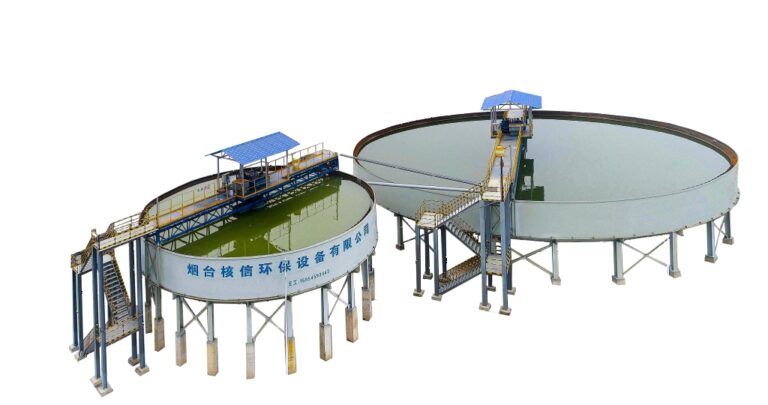
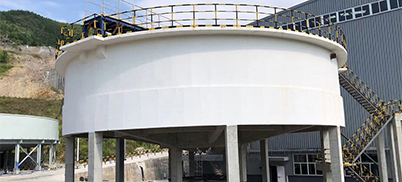
A thickener normally goes into action right before filtration. Its main job is to raise slurry concentration. It also lowers the hydraulic stress placed on downstream machines. With correct flocculant dosing and smart settling design, a high efficiency thickener boosts water recovery. It also builds a much steadier feed for the filters.
Vacuum Belt Filter
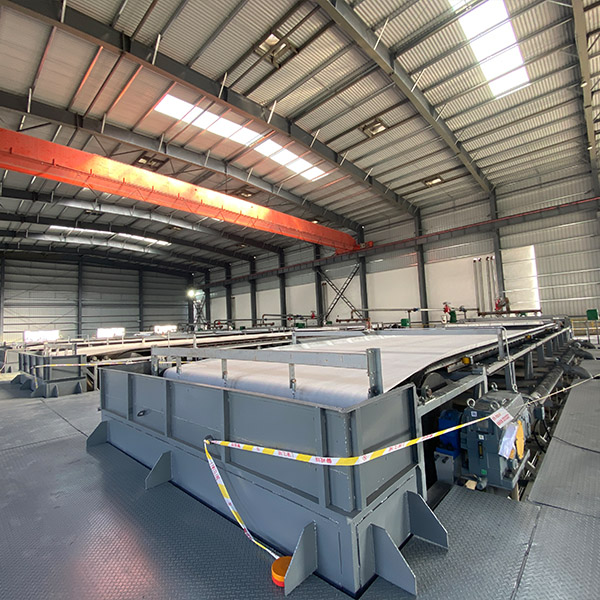
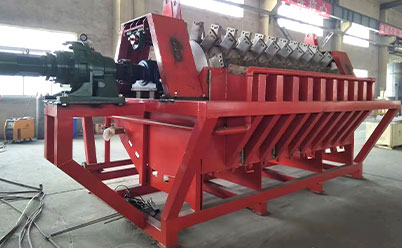
A vacuum belt filter fits perfectly for continuous running and massive processing capacity. The industry uses it widely in mineral processing and tailings treatment. It manages slurry continuously, builds a solid filter cake, washes the material if needed, and drops solids out smoothly. For projects needing steady output and fully automatic running, this equipment serves as a highly practical choice.
Ceramic Filter
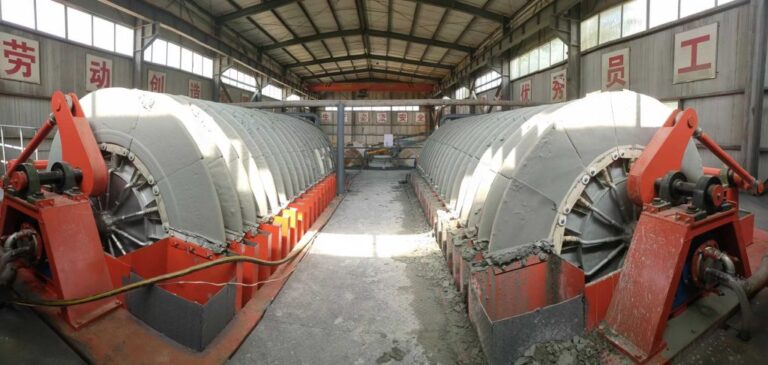
Buyers frequently pick ceramic filters when they desire low energy use and excellent fine filtration results. These units fit certain mineral concentrates and specific tailings showing the right particle traits. The final choice rests on the feed conditions, general filtration difficulty, and the exact required moisture level.
Vertical Filter Press or Tower Press Filter
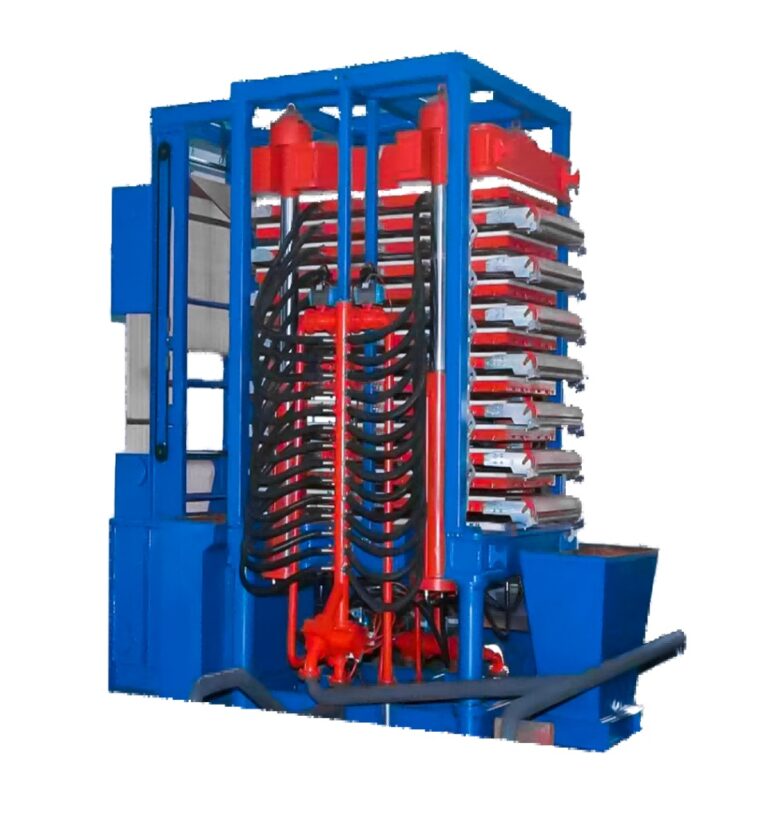
A vertical filter press works well when the project demands lower cake moisture. Engineers often consider it for projects holding tight dry discharge goals. It also fits situations where workers must transport, stack, or reuse tailings holding less water. Buyers must carefully review the filtration pressure, cycle duration, cake discharge style, and routine maintenance needs before making a selection.
How Should the System Layout Be Planned?
Picking the equipment makes up only one piece of the project. A solid tailings dewatering system also requires a highly practical layout. This layout must fit the specific mine site, the plant process, and any future expansion ideas.
Feed and Pumping Arrangement
The feed system must keep up a steady slurry flow to the thickener and the filtration machines. Designers must carefully think about pump selection, pipeline width, slurry speed, and tough wear-resistant materials. If the feed jumps around too much, the final dewatering result might turn highly unstable.
Flocculant Preparation and Dosing
For lots of different tailings, flocculant dosing remains absolutely vital for proper thickening and sedimentation. The dosing system must stay simple to control and adjust. Wrong dosing amounts can drive up chemical costs. It can also drop settling efficiency or harm the final filtration results.
Filter Cake Handling
Right after filtration, the facility must discharge, move, store, stack, or transport the tailings cake. Buyers must map out the filter cake handling path very early. Belt conveyors, holding areas, truck loading spots, and dry stacking sections must perfectly match the output capacity of the entire dewatering system.
Water Recovery and Return
The site should gather recovered water and send it back to the process water system whenever possible. This action requires proper channels, holding tanks, strong pumps, and smart control systems. A great water recovery design lowers the daily fresh water demand. It also boosts the total economic value of the whole system.
What Cost Factors Should Buyers Compare?
The cheapest machinery rarely provides the lowest-cost answer. Buyers must compare the total cost across the entire project life cycle.
Capital Investment
Capital investment covers the basic equipment price, necessary civil works, setup, electrical systems, control setups, pipelines, and extra auxiliary gear. A smartly designed system might ask for a bigger initial investment. However, it can prevent many later operating headaches.
Operating Cost
Operating cost includes daily power use, filter cloth or filter media swapping, flocculant usage, needed spare parts, labor, routine maintenance, and unexpected downtime. For huge mining projects, even tiny gaps in operating cost can grow massive over time.
Maintenance and Spare Parts
Mining machines operate under highly abrasive and tough conditions. Buyers must verify if spare parts remain easily available. They must check if workers can swap wear parts easily. They should also see if the supplier offers strong technical support. A solid supplier helps lower shutdown risks and keeps the whole system running nicely.
How Can Buyers Choose a Suitable Tailings Dewatering System Supplier?
The supplier must do more than simply hand over equipment. A strong supplier must assist buyers in checking materials, planning the process, picking equipment, and backing up the setup and daily operation.
Project Experience
Buyers must check if the supplier holds real experience in mining tailings treatment, solid-liquid separation, and full EPC projects. Real-world project experience proves highly valuable. Tailings conditions can shift drastically from one site to the next.
Technical Design Ability
A truly professional supplier must offer solid process design, exact equipment configuration, smart layout tips, and clear technical talks before production starts. This support helps buyers dodge systems that are too big, too small, or simply wrong for the job.
Quality Control and Service
Good quality control directly impacts equipment toughness and lasting stability. After-sales service remains highly important too. It matters most for setup guidance, commissioning help, operator training, quick troubleshooting, and steady spare parts supply.
Why Choose Yantai Hexin Environmental Protection Equipment Co.,Ltd as a Tailings Dewatering System Supplier?
Yantai Hexin Environmental Protection Equipment Co.,Ltd acts as a highly dependable supplier for mining tailings dewatering and solid-liquid separation projects. The company centers entirely on filtration equipment manufacturing, deep research, steady development, and global sales. Its product lines feature belt filters, ceramic filters, vertical filter presses, high efficiency thickeners, and complete EPC project solutions.
Suitable Equipment Portfolio for Mining Projects
For mining buyers, a full product portfolio remains extremely important. Yantai Hexin can back up various stages of tailings treatment, moving from thickening right through to filtration and dry discharge. This broad range allows buyers to construct a much more fitting system. They base it on material traits, required capacity, exact moisture targets, and the specific site layout.
Practical Support for Project Implementation
In complex tailings dewatering projects, buyers require much more than a simple equipment drop-off. They need deep technical talks, careful system matching, clear setup guidance, and strong after-sales backup. Yantai Hexin’s deep background in solid-liquid separation and tailings treatment helps buyers step from the first choice to smooth, steady operation with much higher confidence.
Conclusion
Tailings dewatering system design stands as a major choice for mining projects seeking superior water recovery, safer tailings disposal, reduced environmental danger, and highly steady long-term running. Buyers must carefully review tailings traits, slurry flow, target moisture, equipment style, system layout, daily operating cost, and the true supplier capability before finalizing a purchase choice. A correctly planned system boosts both environmental results and daily economic efficiency. By teaming up with a professional supplier like Yantai Hexin Environmental Protection Equipment Co.,Ltd, mining firms can construct a tailings dewatering solution that truly matches actual production needs. It also strongly supports lasting, sustainable mine development.
FAQs
1. What is the main purpose of a tailings dewatering system?
The primary goal is to pull water away from the tailings slurry. This process creates a much drier solid material ready for safe disposal, dry stacking, backfilling, or easy transportation. At the exact same time, the site can reuse the recovered water in the active mining process. This action greatly lowers daily fresh water use.
2. Which equipment is best for tailings dewatering?
No single best machine exists for every single project. A standard system might feature a high efficiency thickener, a vacuum belt filter, a ceramic filter, or a strong vertical filter press. The absolute best choice depends heavily on particle size, actual slurry concentration, total processing capacity, target moisture, and the chosen disposal method.
3. What information should buyers provide before requesting a system design?
Buyers must hand over detailed tailings material data, exact particle size distribution, slurry concentration, flow rate, and required daily capacity. They also need to share the target moisture content, site layout plans, water recovery rules, and the ultimate tailings disposal plan. These specific details help the supplier design a much more precise and highly reliable system.