 Russian
  English
  Spanish
 Picking a tower press filter means more than just finding the biggest filtration area. Proper sizing starts with solid feed data. It also needs clear cake requirements and good filtration tests. Missing details can cause low capacity or long cycle times. It might also lead to bad washing, wet cake, or messy discharge. Purchasers can get better quotes and lower their startup risks. They just need to build a full process data package before asking for a bid.
Why Is Accurate Process Data Essential for Sizing?
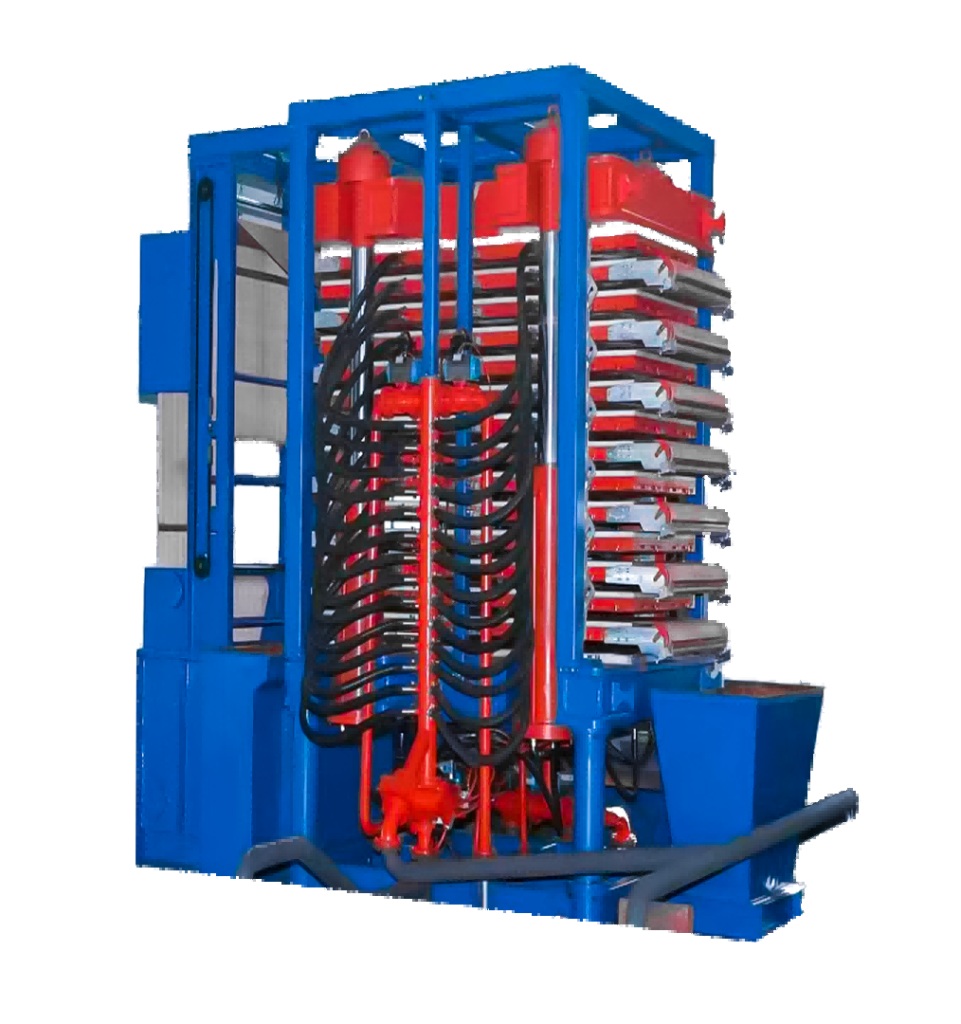
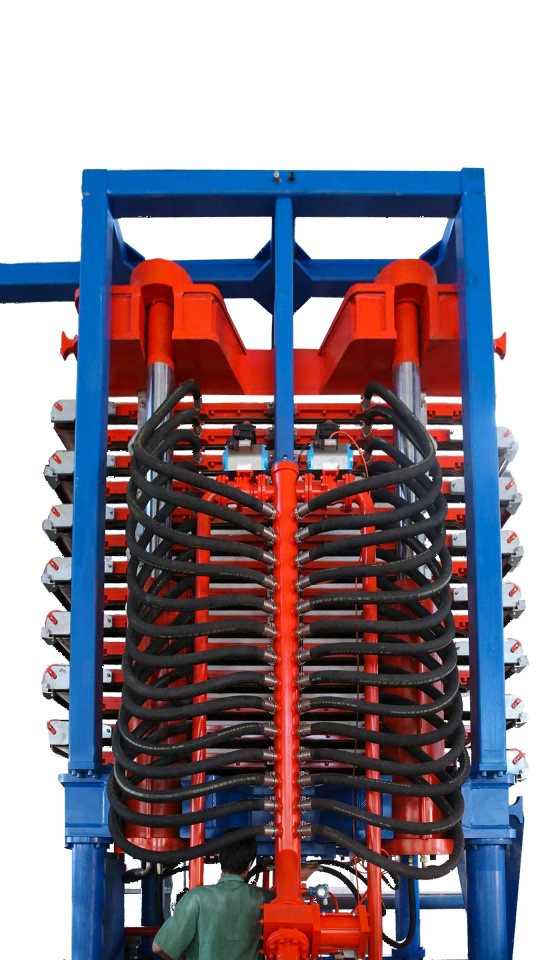
A tower press filter handles many tasks. These include slurry feeding, cake formation, and diaphragm pressing. It also does washing, air drying, and cloth movement. Finally, it manages cake discharge and cloth regeneration. Yantai Hexin’s TFP tower filter acts as an automated solid-liquid separation system. It brings all these steps together inside a horizontal filtration, tower-type structure.
Dry Solids Load Determines Capacity
Slurry flow by itself cannot decide the right filter area. A specific flow might hold vastly different amounts of solids. This changes based on feed concentration and particle density. Therefore, buyers need to share their normal and maximum slurry flows. They must also include the dry solids throughput measured in kilograms or tonnes per hour.
Feed Variation Requires a Design Margin
Average numbers can mask big shifts. These shifts often come from upstream thickener performance or ore type. They also arise from batch production, water balance, or reagent dosage. The supplier needs to see the normal, minimum, and maximum numbers. They also need the upset-case values. This helps ensure the chosen filter works well under actual operating conditions.
What Feed Data Must Buyers Provide?
The request package must mix plant production data with slurry properties. A good feed sample should also be ready for laboratory or pilot testing. This is because filterability is hard to guess just from flow rates and solids percentages.
Flow, Concentration, and Density
Please supply the slurry flow and dry solids throughput. Also include solids concentration by weight, slurry density, liquid density, and solids specific gravity. A higher feed density usually cuts down the liquid volume passing through the cake. On the other hand, a low-density feed can drop capacity. It also makes hitting the moisture target much tougher.
Particle Size and Fine Fraction
Submit a complete particle size distribution. This should cover d10, d50, d80, top size, and the share of fine particles. Fine material normally forms tiny cake pores. This creates higher filtration resistance. Finer particles are usually tougher to dewater. They might need more pressure or a longer drying stage.
Chemistry, Temperature, and Rheology
Note the temperature, pH, and viscosity. Also list the chemical composition, dissolved salts, abrasiveness, and corrosivity. Mention any hazardous traits as well. Furthermore, identify any flocculants, coagulants, surfactants, or other upstream reagents. These factors guide filter cloth selection and wetted-part materials. They also impact cake release, filtrate quality, and how often cleaning happens.
Schedule and Available Utilities
Share your operating hours and annual production days. Also detail your maintenance windows, required availability, and standby plans. Utility details must cover compressed-air pressure and flow. They should also list process-water pressure, wash-water quality, electrical supply, and instrument air. A lack of air or water capacity can drag out the cycle. This will ultimately lower your output.
What Cake and Filtrate Requirements Must Be Defined?
You should pick the filter based on the needed product and downstream process. Asking for the “lowest possible moisture” is not a full specification. Moisture, capacity, and air use all link together. Cycle duration and capital cost also connect to these factors.
Target Cake Moisture and Thickness
State the maximum cake moisture. Note if you measure it on a wet or dry basis. Explain why this limit exists. Reasons might include transport, dry stacking, or thermal drying. Other reasons could be smelter feed, landfill rules, or overall product quality.
Cake thickness changes both capacity and drying results. A thinner cake might dewater much easier. However, it holds fewer solids in each cycle. A thicker cake can boost the cycle load. Yet, it might need extra pressing and longer drying time.
Washing and Recovery Targets
If you need cake washing, give the wash-liquid composition and wash ratio. Include the allowed residual impurity and your product-recovery target. State how many wash stages you want. Also, clarify if the wash filtrate needs to be recovered or recycled. You should mention if it must be separated or sent for treatment.
Buyers must point out any limits on wash-water temperature or pressure. Chemical compatibility is also a key factor. These facts help the supplier set up the washing stage. They also ensure the filtrate collection system works right.
Filtrate Clarity and Cake Discharge
Define the permitted suspended solids in the filtrate. Tell us where each filtrate stream will go. State if the first cloudy filtrate can go back to the feed tank. If not, clarify if it must be handled on its own.
For the discharged cake, state if it needs to be free-flowing or stackable. Tell us if it must be non-sticky or ready for conveying. Sticky and fine materials often need special cloth choices and unique cycle settings. Hexin builds its TFP unit specifically for fine and sticky materials. It also targets jobs that need a low-moisture cake.
How Is the Required Filtration Area Calculated?
Final sizing needs to rely on tests with a representative slurry. It should also use the planned operating cycle. The test must copy cake formation and pressing. It should include washing if needed. Air drying and discharge must also be copied as closely as possible.
Test Results Establish the Area Basis
A useful guess begins with the needed dry solids throughput. You divide this by the tested dry solids capacity per square meter:
Required filtration area ≈ Dry solids throughput ÷ Tested solids capacity per unit area
The first math result must then be tweaked. You adjust it for cycle time, operating availability, and feed variation. Cloth cleaning, maintenance, and the total installed units also matter. The quote must clearly list the assumed cake loading and final moisture. It should also show the cycle duration and effective operating hours.
Layout Must Be Checked with Model Selection
Filter area is just a single choice factor. Buyers must also look at equipment height and footprint. Access platforms, cake conveyors, and filtrate piping need a review. Maintenance clearance, lifting access, and future growth space are vital too.
Hexin offers TFP tower filter models with a wide size range. Their filtration areas go from 1 to 144 square meters. This broad range lets the suggested model fit various production capacities. It also suits many different plant layouts.
Why Choose Yantai Hexin as a Tower Press Filter Supplier?
A solid supplier links filtration test results to process targets. They connect these to equipment design, automation, and construction materials. Utility conditions and site limits are also part of this link.
Filtration Experience and Technical Support
Янтай Гексин Экологическая защита оборудования Co., Ltd focuses on filtration equipment. Their lineup includes belt filters, ceramic filters, and vertical tower filter presses. They also build high-efficiency thickeners and handle EPC projects.
The company holds over 20 years of filtration industry background. Its public service details cover quality-control steps and pre-shipment checks. They also provide online technical consultation and installation support. Commissioning help and technical training are available too.
Hexin needs a full process data sheet and a representative slurry sample. With these, they can judge the filtration area and cycle stages. They also review cake requirements, automation, and layout limits. After this, they suggest a fitting tower press filter setup.
Вывод
Buyers must confirm many details before asking for tower press filter prices. They need to know the dry solids throughput, slurry flow, and solids concentration. Particle size distribution, slurry chemistry, temperature, and viscosity are also key. Furthermore, they should check the operating schedule and available utilities. Target cake moisture, washing duty, filtrate clarity, and cake-handling needs must be ready.
Good filtration testwork should back up these inputs when possible. Checked data gives the supplier a firmer ground to pick the right filtration area. It helps them guess capacity, cake moisture, and cycle duration better. Utility use and operating costs become clearer. A thorough request at the project start stops expensive changes later. This is crucial once equipment building has begun.
Вопросы и ответы
1. Can a Tower Press Filter Be Sized from Slurry Flow Alone?
No. Slurry flow needs to join with solids concentration and solids density. You must also include dry solids throughput and particle size distribution. Filtration test results are just as vital. Two feeds might share the exact same volumetric flow. However, they could demand vastly different filtration areas.
2. Is Laboratory Filtration Testing Necessary?
Testing is highly advised for new materials. It is also smart for fine particles, sticky slurries, and strict moisture limits. Cake-washing jobs need it too. Similar full-scale operating data can sometimes offer a helpful start. Still, the feed traits and cycle conditions must match closely.
3. What Cake Requirement Should Be Stated First?
Target cake moisture is normally the top requirement. Yet, it should come with cake thickness and washing quality. Discharge behavior and downstream handling conditions are also important. You should state the reason for the moisture limit as well. These mixed requirements let the supplier balance cake quality. They can then match it with capacity and cycle time.