 Russian
 English
 Spanish
A replacement cloth can look like the old one and still give a different result on the press. For tower filter press filter cloth selection, appearance is a poor purchasing specification. Put the intended separation into the enquiry: the feed to be treated and the required cake and liquid. The supplier can use that information to propose fabrics for comparison. Fit and performance then need checking on the machine reference and on representative feed, respectively.
Define the Separation Before Comparing Fabrics
Two plants handling a similar slurry may be buying cloth for different reasons. One needs cleaner recovered liquid. The other needs a cake that discharges without leaving material behind. Their specifications should say so.
Describe the Feed and the Required Filtrate
An average particle size doesn’t describe the fines that a fabric will encounter. Particle size distribution belongs in the enquiry, along with feed solids, liquid composition and temperature. The destination of the filtrate matters too. Liquid returning to a process and liquid recovered as a product may have different acceptance requirements. Give the cloth supplier the requirement that actually applies.
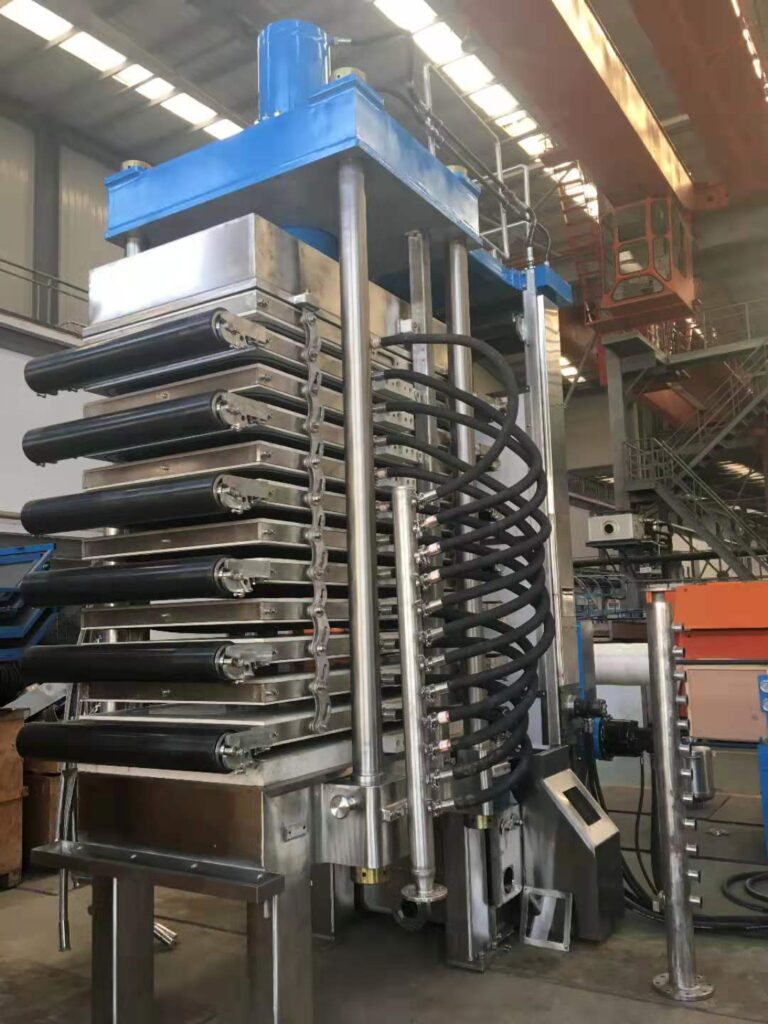
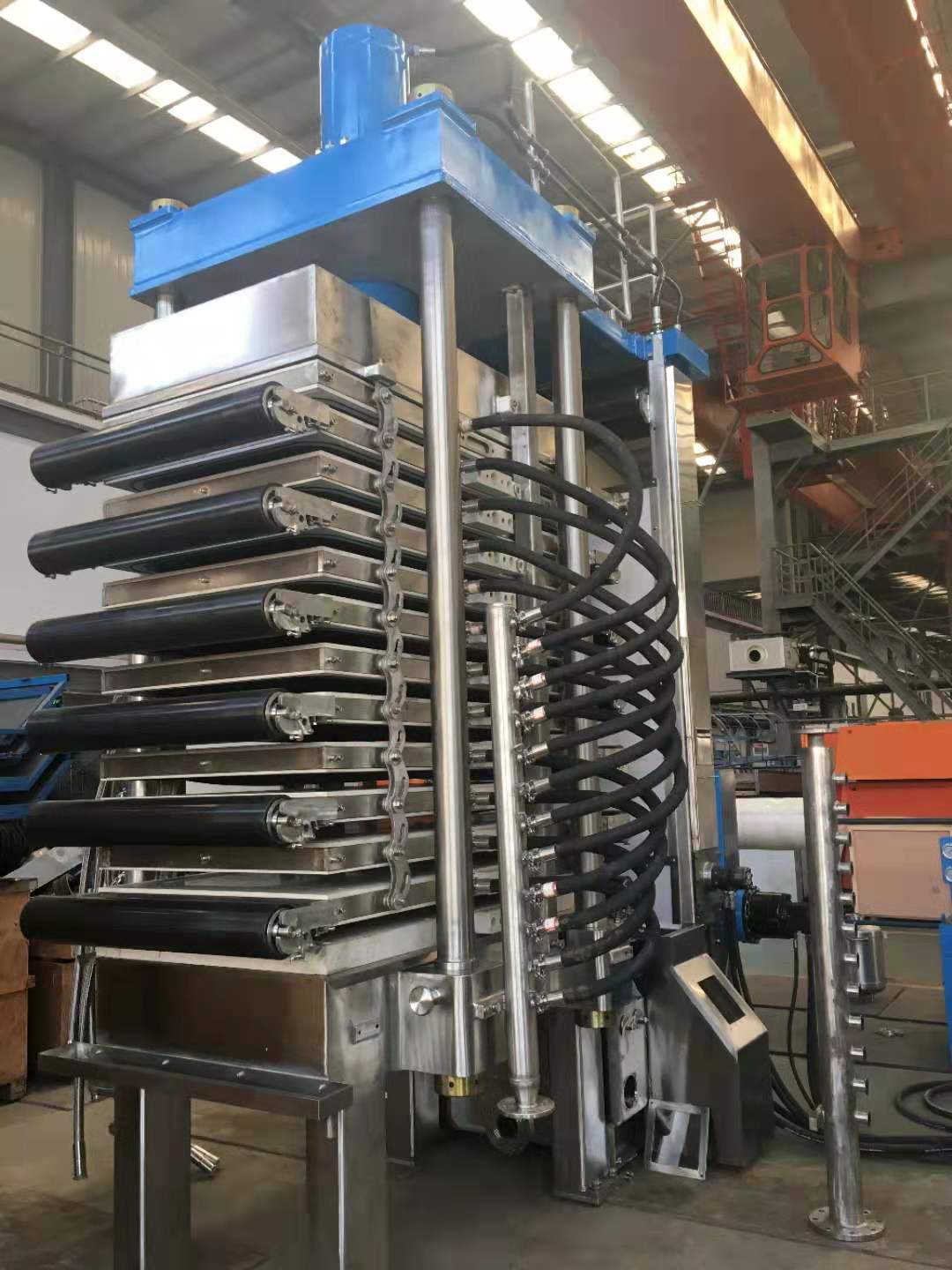
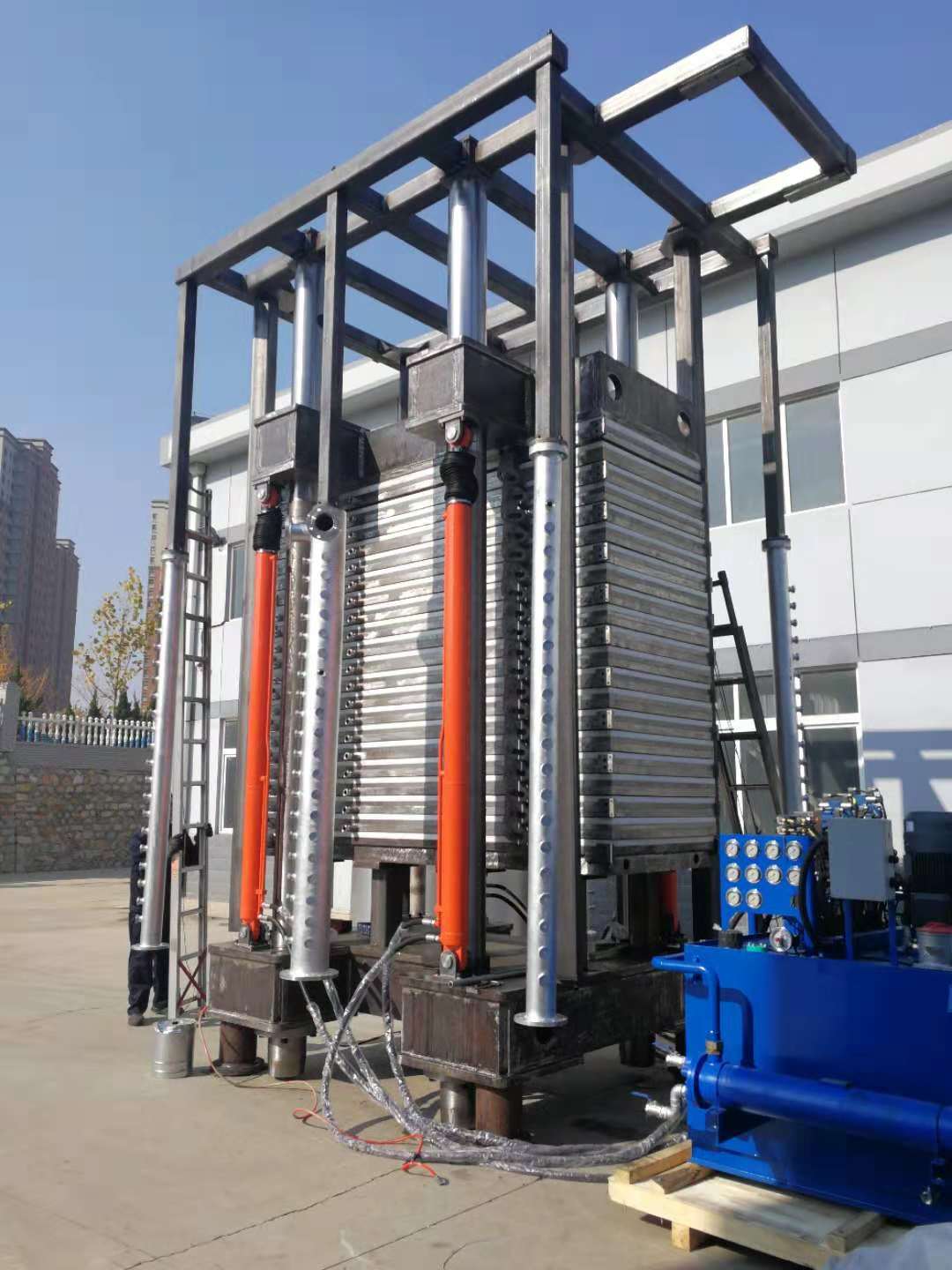
In the Фильтр башни TFP, slurry is filtered through cloth before the subsequent pressing and discharge stages. Cake formation changes the resistance to liquid flow. A fabric that passes clean water readily therefore hasn’t demonstrated acceptable filtration on the actual slurry. Compare filtrate quality during cake formation as well as later in the cycle.
Include the Whole Operating Recipe
The proposed recipe belongs with the sample. It tells the supplier whether cake washing, second pressing and air drying are required after initial filtration. Regeneration and any approved cleaning treatment expose the cloth to another set of conditions. A trial limited to the first stage leaves those exposures untested. Describe the liquid used to wash the cake separately from the water used to regenerate the fabric.
Where the feed varies, describe the expected variation instead of sending only the easiest sample to filter. A candidate needs a fair comparison on the material the press will actually receive. Label samples with their source and sampling date so a later test can be traced to the same feed condition.
Screen Chemical Compatibility and Cloth Construction
The supplier can now review possible fabrics against a defined application. A recommendation simply described as suitable for mining or chemical service needs more explanation.
Check the Combined Chemical and Temperature Exposure
The name of a polymer doesn’t settle chemical compatibility. Its exposure to the liquor at the operating temperature needs review, including any cleaning chemicals and their concentration. Batch changes count here. Even an occasional cleaning treatment belongs in this review. The enquiry should distinguish that treatment from normal process exposure, with the proposed concentration and duration available for the cloth supplier to assess.
For a replacement enquiry, a labelled piece of the old cloth can be worth keeping. Its history gives the supplier something to examine alongside the new specification. A photograph of damaged fibres without the temperature, liquor or cleaning record leaves several possible causes open. An account of when the damage first appeared is much more useful.
Compare Retention with Permeability and Release
The yarn and weave deserve attention beyond the initial clarity result. Material lodged in a cloth after discharge has to be removed before it causes problems on later cycles. A candidate proposed to improve retention therefore needs a release check too. The supplier’s explanation should cover how its construction is expected to behave with the particles in this feed.
A quotation may include air permeability figures. Before using them to rank candidates, check which test and units produced each figure. The number describes air passing through fabric; it isn’t an hourly slurry capacity. In вертикальные пресс-фильтры, repeated pressing, cloth travel and regeneration also form part of the service the fabric must withstand.
Check the Fit Before Approving a Replacement
A cloth is also a finished component with dimensions and joining details. This part of the enquiry needs the machine reference rather than a fabric sample alone.
Verify Dimensions and Moving Interfaces
The enquiry needs the machine model and the drawing that defines the finished cloth. Check the route, dimensions and joining details against that reference. A stretched sample might suggest a length that was never specified for the press. Note its condition and send it for identification if useful, while keeping the approved drawing as the dimensional reference for manufacture.
A suitable fabric can still perform poorly if it folds or runs incorrectly. Repeated edge wear therefore belongs in the installation review. The approved drawing and equipment procedure should govern any correction to the cloth path. Changing the weave leaves an installation fault unresolved and makes the new fabric harder to judge.
Use a Full Cycle Trial to Make the Decision
By this point, the candidates should be compatible with the liquid and fit the press. The trial can then answer the remaining question: which cloth gives an acceptable separation over a workable cycle?
Agree on Comparable Measurements
Use representative slurry and record the feed condition for each trial. Hold the agreed recipe steady while comparing filtrate quality, stage times, cake condition and residue after discharge. A longer drying stage changes the comparison, for example. Its effect needs to be separated from any improvement attributed to the fabric.
Include washing when the application requires it. Hexin’s tower filter cake washing guide explains where washing, second pressing and drying enter the sequence. A candidate that works during initial filtration still needs to be observed during those later stages and cloth regeneration.
Define Acceptance and Repeat the Comparison
The trial record needs an agreed place for each result: filtrate quality, cake condition, discharge and the time taken. Continuing the comparison over repeated cycles brings regeneration into the assessment. One clean first batch offers little evidence about deposits that develop during use. Any claimed service life needs evidence relevant to the operating duty.
Discuss the Cloth Duty with Hexin
For a new press, include the cloth requirements in the equipment enquiry. That gives the supplier an opportunity to address the fabric and operating recipe together.
Send a Traceable Specification
For buyers considering a TFP, Янтай Гексин Экологическая защита оборудования Co., Ltd provides the machine and an after-sales service offering. Its documented sequence gives the enquiry a practical reference: initial filtration and pressing precede any specified washing and drying, and the cloth then moves to discharge the cake. Regeneration completes the sequence. A cloth proposal can be reviewed against each of these documented stages with the manufacturer.
Send the slurry details and installation reference when requesting a TFP quotation or replacement-parts guidance. The proposal should identify its cloth specification and anything awaiting confirmation. Hexin’s public TFP information doesn’t list a universal polymer or weave for every application; those details belong in the application review.
Вывод
A cloth order is easier to assess when the separation requirement leads to the material choice, the drawing establishes fit and a complete cycle tests the result. Keep that record with the approved fabric reference. It gives the next purchaser a repeatable basis for ordering instead of relying on the appearance of a worn sample.
Вопросы и ответы
Can cloth be selected from particle size alone?
The particle size result is useful input, rather than a complete specification. A fabric suitable for the particles still has to survive the liquid and cleaning exposure and produce the required separation during trials.
Does higher air permeability mean faster filtration?
It may distinguish fabrics under a stated air test, but the press handles slurry. Once cake forms, its resistance affects liquid passage too. A comparison on the same feed and recipe is needed.
Can an old cloth be used as the replacement drawing?
Use it to help identify the installation and show the wear pattern. For ordering, return to the approved machine reference for the finished dimensions and joining details, particularly if the sample is distorted.