 Russian
 English
 Spanish
High hydraulic oil temperature in a thickener cannot be assumed to be an indicator that the oil cooler is broken. There could be a variety of reasons for the increase in temperature, including increased workload from the drive, poor cooling air flow, inadequate oil circulation, and faulty temperature reading. Installation of a new fan does not reduce mechanical load, and resetting of alarms only covers up the problem with hydraulics.
Is the Hydraulic Oil Actually Overheating?
Begin with evidence behind the temperature warning; a displayed value may be incorrect.
Compare the Trend with an Independent Check
Measure temperature of oil, time when the alarm sounded, the state of the pump and motor, and also environment. If the site procedure permits, recalibrate the instrument using accurate value at the correct location. Do not touch any surface that is either hot or pressurized. An immediate increase, which seems impossible, is an indication of defect in instrument or wiring. A gradual increase in loaded condition requires thermal analysis.
Confirm Alarm and Cooling Setpoints
Hexin’s NGZ Высокая эффективность загустителя product information describes PLC oil-temperature regulation: a radiator fan is activated when oil temperature is high, while a heating device can operate when it is low. However, there are no universal guidelines on the fan temperature at which it should start and stop working. One should use the recommendations for that particular machine.
Could the Cooling System Be Restricting Heat Removal?
As far as the accuracy of the temperature measurements is concerned, the next step to be taken would be to determine if the hydraulic system can get rid of the heat.
Inspect the Fan, Radiator, and Airflow Path
Make sure that the fan works according to the specifications. Obstructions in the radiator fin, dirt buildup, air flow blockages, unusual sounds coming from the fan, and poor clearance at the station should be considered. The fact that the fan is working doesn’t necessarily mean that there is enough airflow.
Check Oil Circulation and the Cooler Circuit
The reasons for overheating may include low oil level, wrong viscosity of oil, blocked filters, and insufficient flow rate. You should keep your eye out for possible leaks, hoses, blockage, and entrapped air. Also, you have to pay attention to oil coolers and thermostatic valves in the system, but you should not assume that they are all identical.
Can Excessive Drive Load Heat the Hydraulic Oil?
Hydraulic losses increase when a system works against sustained resistance. The useful question is whether the temperature trend follows changes in thickener load.
Compare Oil Temperature with Rake and Underflow Data
The NGZ employs a multi-hydraulic motor drive system. According to the NGZ product page, the scraping resistance is higher when the accumulated material is more concentrated, thereby increasing the hydraulic pressure. Compare the oil temperature with the drive pressure, rake position, underflow withdrawal, feed density, and rake lift events. The appearance of the hot station after a long period of load can suggest process/mechanical loading.
For the process-side diagnosis, the company’s thickener rake-load alarm troubleshooting guide addresses bed inventory and underflow restrictions. Keep that investigation distinct from the oil-temperature checks; both may be necessary if the alarms coincide.
Consider Relief-Valve Operation and Repeated Cycling
Excessive pressure relief, repeated raking, or continuous load on the hydraulic system can result in heat generation from excess power. Analyze pressure profiles and the behavior of valves from the hydraulic schematic diagram. Relief should never be adjusted in order to clear temperature alarms. This is simply the set point that guarantees safety of machinery and equipment.
How Can PLC Signals Create a False Cooling Diagnosis?
The problem may not lie within the radiator but within the control loop. Analyze what was required by the controller and what was done by the equipment.
Trace the Sensor-to-Fan Sequence
Check the temperature sensor signal, its reading, output from the PLC, starting method for the fan motor, and feedback where applicable. In case a fan does not start despite the presence of a legitimate temperature signal, then this must be an electrical or mechanical problem. If the fan runs continuously yet the temperature keeps rising, then this is a sign of the above factors.
Review Alarm History Before Resetting
Log timestamp of events, changes from automatic to manual control, pressure alarms, and oil temperature readings. Hexin notes pressure self-test and protection shut-down features of the NGZ; these must be taken into account while troubleshooting. Failure to do so and continue resetting without determining the reason can lead to an avoidable shut-down.
What Should Be Verified Before Returning the Thickener to Service?
Restart should occur only after the source of abnormal heat has been evaluated and maintenance authorization is given.
Run a Controlled Verification
Confirm oil level and condition, cooling response, valid sensor readings, and no unresolved hydraulic leaks. Check the approved settings, then observe temperature alongside pressure and rake load during a controlled operating period. Record whether the oil temperature stabilizes under representative duty. In case temperatures increase again or the alarm comes on, you should cease your activities following the site protocol and go ahead with troubleshooting rather than bypassing the trip.
For buyers reviewing industrial thickener equipment, the operating handover should include sensor locations, cooler drawings, setpoint records, alarm responses, and maintenance access. Those details simplify future investigations.
Why Consider Yantai Hexin for Thickener Control and Protection?
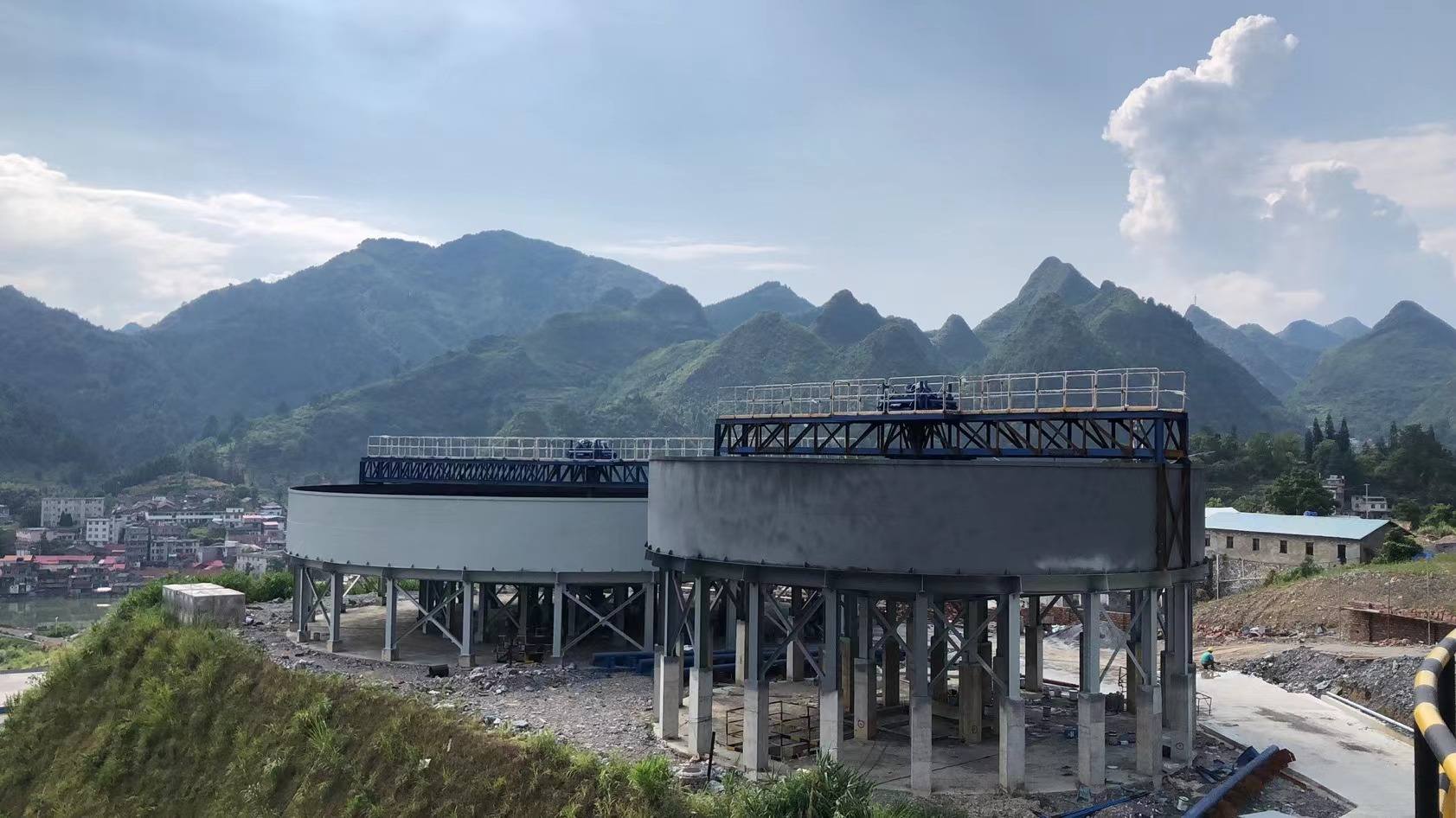
Янтай Гексин Экологическая защита оборудования Co., Ltd supplies high-efficiency thickeners and other solid-liquid separation equipment. The NGZ range combines hydraulic rake drive, PLC control, automatic rake adjustment, overload protection, and oil-temperature regulation. The buyers can look at the control logic as well as the site-specific cooling setup provided by the manufacturer.
Вывод
There are various potential reasons for high hydraulic oil temperature; they must not be summarized into one cooling system failure reason. Check whether it is a correct reading, assess heat dissipation and circulation, examine load patterns, and the path from sensors to the cooling fans. The process of controlled restart will prove more beneficial than resetting the alarm.
Вопросы и ответы
What is the normal hydraulic oil temperature for an NGZ thickener?
There is no universally applicable value provided on the public NGZ webpage of Hexin. Use the given specifications regarding the hydraulic equipment, recommended oil, and alarm/cooling threshold values of the installed equipment.
Can a heavy solids bed contribute to oil overheating?
It does. Increased resistance to scraper may increase the need for hydraulic drive and heat loss due to this. Compare the temperature changes of oil with respect to rake pressure, bed conditions, and underflow withdrawal.
Should operators bypass the fan or temperature alarm to keep production running?
No. The protective functions must stay on. Proceed as per the isolation, inspection, and restart sequence, and carry out an investigation of the sensor, cooling loop, and drive load.