 Russian
 English
 Spanish
You open the filtrate sample and find it cloudy. The immediate temptation is to inspect the plates, but first look at the label on the sample. Where was it taken? Liquid from the receiving tank may have met other streams or old tank residue after leaving the DF Керамический фильтр. Work back along that route. A useful investigation begins with a sample you can place on the piping drawing, then asks when the change first appeared.
Where was the cloudy sample collected?
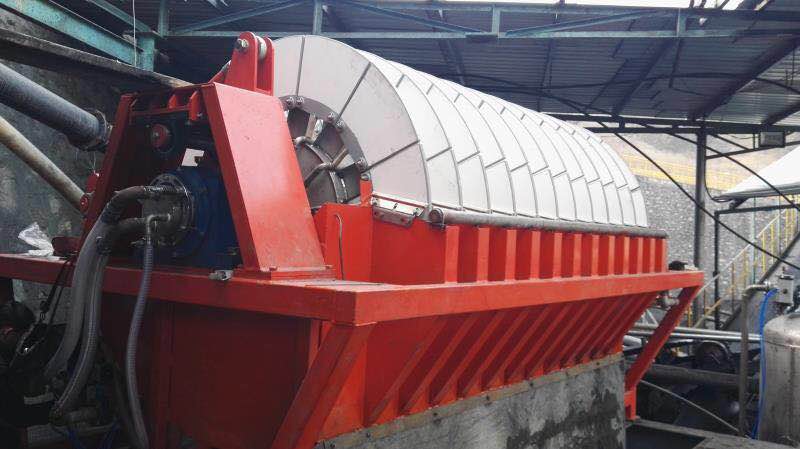
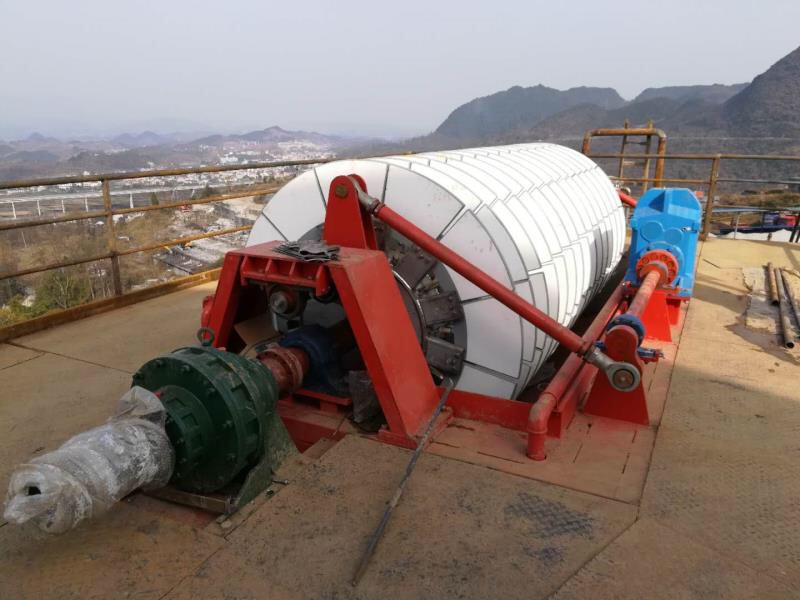
Hexin describes filtrate passing through the ceramic plates’ internal conduits into a discharge tank. Find that route on your installation drawing. Keep that drawing with the bottles you label.
Mark the sample location
Write the sampling point on the record, together with the time and operating condition. Give each result an outlet reference. Use the sampling access already approved for the installation, leaving vacuum lines connected and keeping clear of rotating equipment.
Where approved points are available at both locations, take a bottle at the filter outlet and another at the receiving tank. If the outlet meets the agreed requirement but the tank sample doesn’t, investigate the tank and incoming streams. Settled residue, a dirty sample container or another connected return can confuse the picture. If the bottle or sampling equipment is suspect, repeat the collection with equipment prepared by the site method.
The laboratory request should identify the reuse requirement and the suspended-solids test specified for it. A turbidity instrument reports a different measurement. Don’t convert its reading into solids concentration unless that relationship has been established for your material.
Do the available outlets give the same result?
There is a difference between one affected collection path and a change seen at every available sample point. Find out which description fits before changing a machine-wide setting.
Compare equivalent samples
Where the design provides separate accessible outlets, sample them under comparable feed and operating conditions. Mark which path each sample represents. The manual decides which separate tests are possible. Some assemblies cannot be isolated section by section during a run.
A consistently poorer result at one path gives the inspection team a place to begin during an isolated stop. If all paths change together, put the feed record and collection arrangement alongside the plate inspection. Keep the result attached to its path reference for the inspection team.
There is a purchasing lesson here for ceramic filtration equipment. Mark the proposed bottle-filling point on the layout, including the access space around it. Check that the completed pipework leaves that space available.
What should a plate and connection inspection establish?
Once you have identified a suspect path, the inspection has a specific question to answer: could slurry reach the collection route without passing through the ceramic barrier?
Record the defect before replacing parts
At the isolated machine, match the suspect assembly to the drawing. Use the vendor’s inspection procedure and keep its component references in the photographs. For an ambiguous mark, the enquiry can say “this mark at position A needs assessment”. Leave ceramic repair decisions to the approved process; a makeshift patch isn’t evidence of an intact barrier.
Recent maintenance is relevant. For a complaint following a plate change, pull out the job record. Which part was fitted? Does its reference match the assembly drawing? The team that did the job can help reconcile the record with the assembly now in front of you.
If that inspection doesn’t settle the question, the next enquiry is for the integrity procedure applicable to the model. Obtain the pass criteria with it.
How should feed and cleaning records be used?
Put a date and time to the first poor result. Underneath it, write the feed changes, cleaning events and maintenance jobs around that time. Now you have a sequence to discuss instead of a general request to clean harder.
Put the operating record beside the sample record
What was happening to the feed when the sample changed? Put the feed laboratory results beside the vacuum and flow trends. A photograph of the cake at that time can add context to the numbers.
Backwashing is part of the DF sequence after cake discharge. Periodic ultrasonic cleaning with dilute acid is also described in Hexin’s ceramic vacuum filter maintenance guide. The maintenance job needs to match the finding. Deposits call for an appropriate cleaning procedure; damage or incorrect assembly calls for the corresponding repair work. For a clean, the fluid destination is part of the procedure too.
For a complaint beginning after a clean, keep the first sample and the later results in order. Use the collection drawing to review the return to filtration.
Where will the follow-up bottles come from?
Go back to the labelled point used in the original investigation. Take the new sample by the same method and document the feed. Moving to a cleaner-looking point would undermine the comparison.
Keep a record beyond the first clear sample
Repeat measurements over representative operation, recording feed and cleaning events. Include the receiving tank in the follow-up. Keep later results even if they are less encouraging than the first bottle after restart.
What can operators request from Hexin?
A concise fault record helps the equipment supplier understand which part of the DF installation needs attention.
Connect the enquiry to the installed model
For a DF enquiry, Янтай Гексин Экологическая защита оборудования Co., Ltd is the equipment manufacturer to contact. The company’s range includes ceramic filtration and it provides after-sales service. Send a model reference and the labelled results to request technical guidance or parts information. A new-equipment enquiry should describe the feed and the required filtrate, giving the supplier a basis for product information and a quotation.
Вывод
Keep the route sketch and the sample results with the maintenance job. They explain where the complaint began and what was checked. Use the same points for the follow-up, then compare the measured results with the intended reuse specification.
Вопросы и ответы
Must a plate be replaced because one sample is cloudy?
One bottle leaves several questions open. Examine the sample route and connections, and use the approved inspection or integrity procedure to assess the suspected plate.
Can more intensive cleaning solve solids carryover?
Cleaning addresses suitable deposits. It cannot repair structural damage or incorrect assembly, and its chemistry must remain compatible with the plate.
Is a clear-looking sample enough for process-water reuse?
The plant’s reuse specification decides that. A bottle that looks clear still needs the agreed solids measurement and any chemical tests required by its destination.