 English
  Russian
  Spanish
 Tailings Dewatering Equipment for Dry Stacking Systems Process and Equipment Options
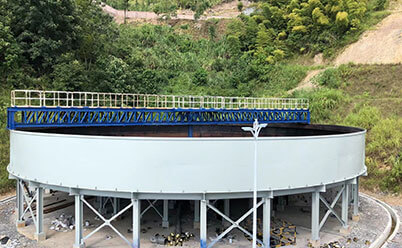
In the face of growing environmental scrutiny and the push for more sustainable mining practices, dry stacking of tailings has emerged as a preferred alternative to traditional wet impoundments. Central to the success of any dry stacking system is the dewatering process, which transforms high-moisture slurry into a stable, stackable solid while simultaneously recovering valuable […]
Slurry Thickener for Mining How to Improve Concentration and Underflow Stability
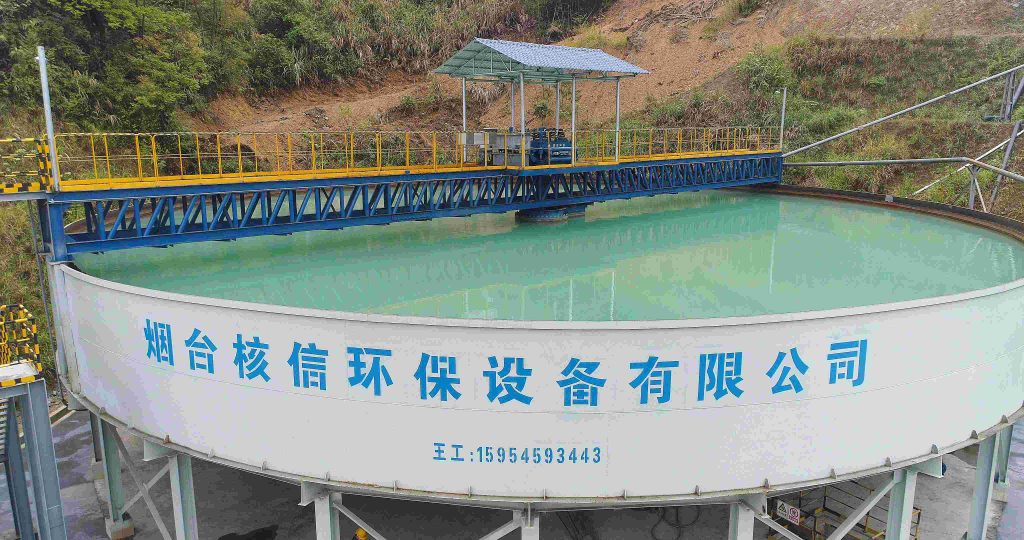
Modern mining requires efficient solid-liquid separation in order to maximize extraction of valuable minerals from ores while minimizing water usage and the impact of the resulting tailings. As the grade of the ore being processed continues to decline, the focus on achieving efficient extraction while keeping costs to a minimum has increased. This is where […]
Vertical Filter Press for Low-Moisture Filter Cake When to Choose a Tower Press Filter
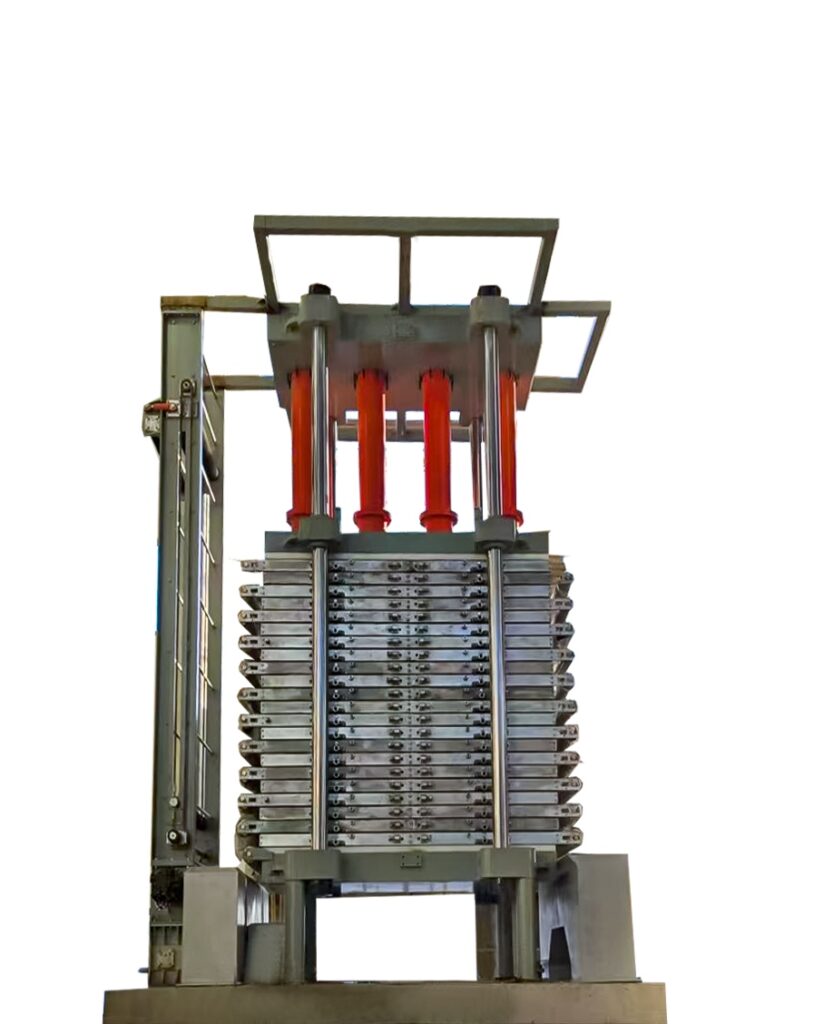
A vertical filter press (tower press filter) is not always the right choice for every dewatering process. However, it becomes the preferred solution when industries require very low-moisture filter cake, high filtration efficiency, and fully automated operation within a compact footprint. In general, if your process involves fine particles, high slurry volumes, or strict moisture […]
Vacuum Belt Filter vs Belt Filter Press Which Fits Industrial Dewatering Better
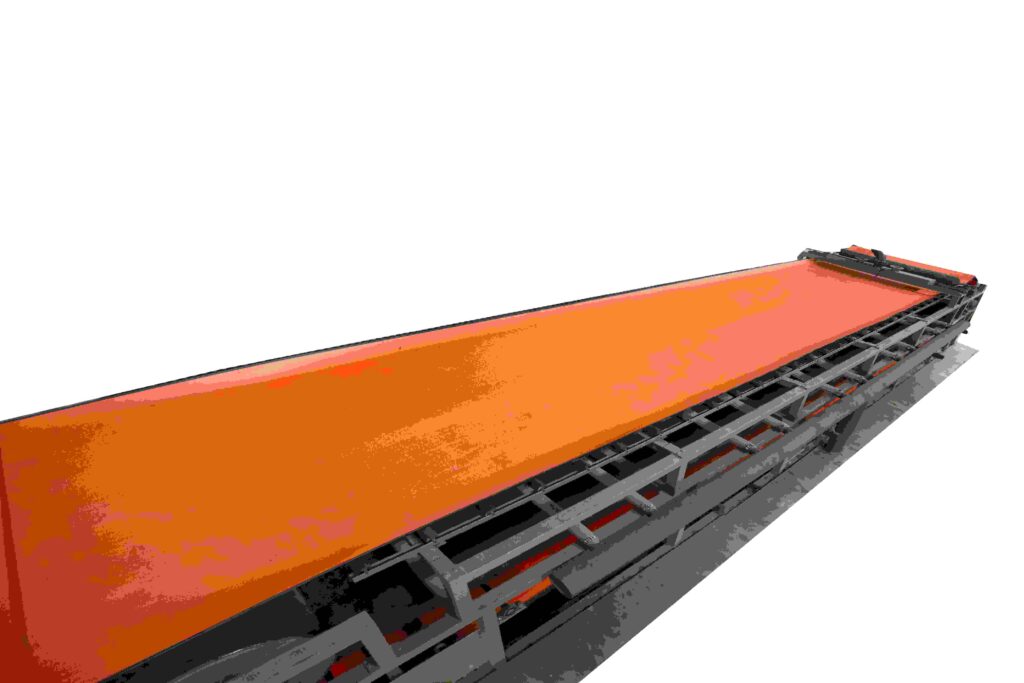
In Industrial Dewatering applications, selecting between Vacuum Belt Filters and Belt Filter Presses requires a detailed assessment regarding efficiency of filtration, operating costs and solid cake moisture content. Both solid/liquid separation systems are used very frequently, however they are based on fundamentally different principles and are suited to specific fields of application. Typically vacuum belt […]
High Rate Thickener vs High Density Thickener Selection Guide for Mineral Processing
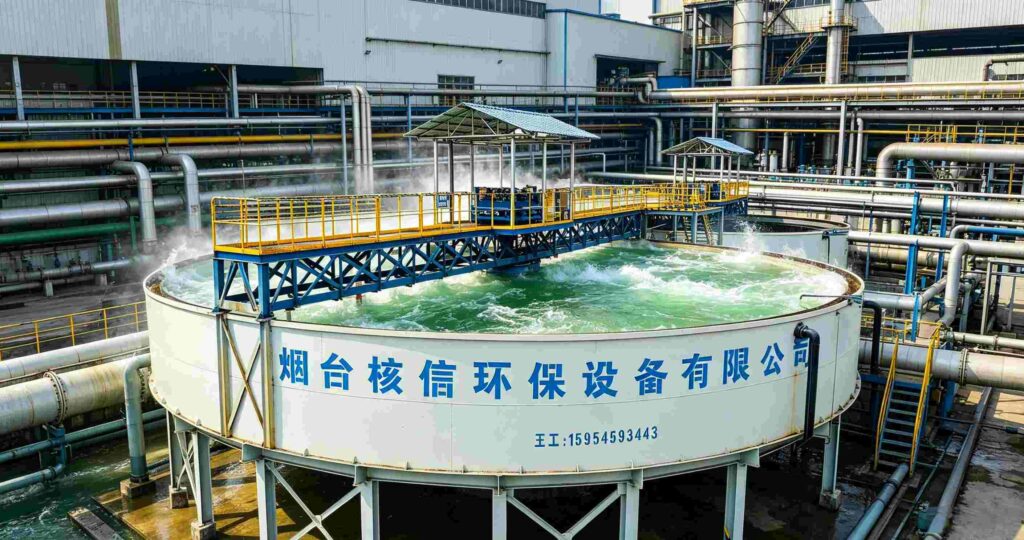
Efficient solid-liquid separation is a critical function of modern mineral processing to enable efficient water recovery and the management of tailings, enable effective filtration downstream, and reduce processing costs. With the drive to increased efficiency in mining through the better use of resources, the choice of thickening technology is increasingly important. Thickeners are among the […]
Ceramic Disc Filter Applications in Mining Concentrate and Tailings Dewatering
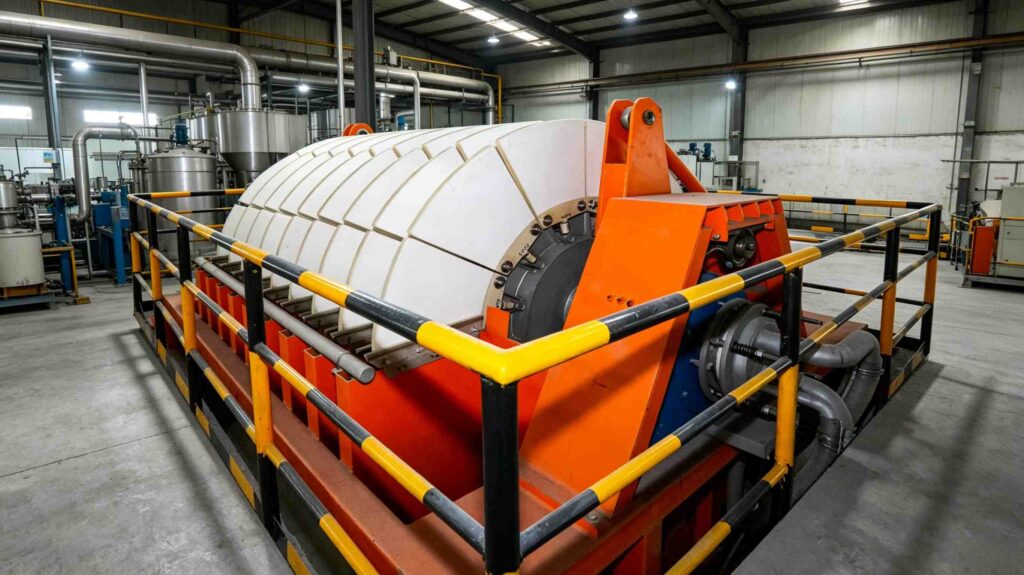
In pursuit of higher levels of production efficiency, lower water usage and greater environmental responsibility, mining are increasingly relying on effective dewatering solutions along the entire processing route for minerals. Efficient dewatering solutions are needed to process concentrates and to manage tailings. The solutions enable efficient separation of solids and liquids. In this way, the […]
How to Choose a Horizontal Vacuum Belt Filter for Mining Slurry Dewatering
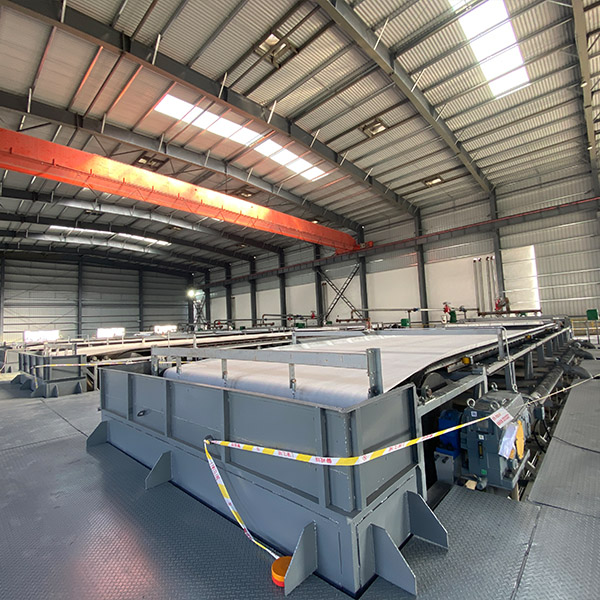
At a mine site, a horizontal vacuum belt filter is never chosen from a model name alone. Two slurries can look similar in a bucket and behave nothing alike on a filter cloth. One drains cleanly. Another blinds the cloth after ten minutes. A third forms a cake, then cracks before the drying zone can […]
Belt Filter for Tailings Dewatering Applications, Advantages, and Selection Points
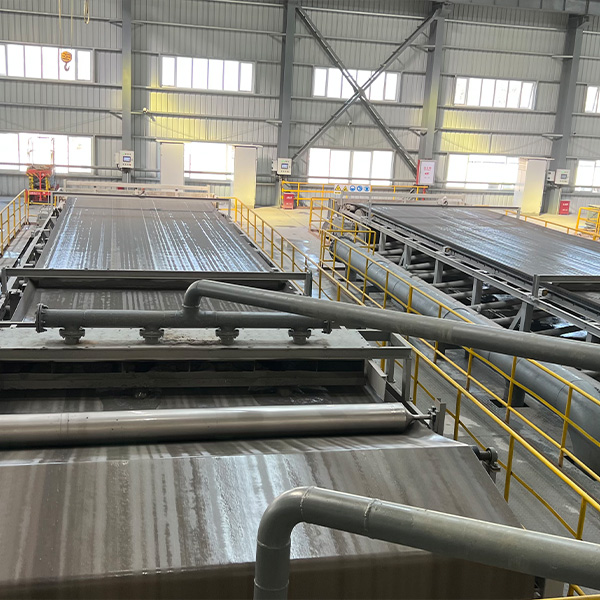
Tailings dewatering sits at the rough end of a mineral plant. The slurry has already passed through the valuable part of the process, but it still carries water, fine solids, and a long list of handling problems. If the stream is left too wet, the plant may face heavier transport, more storage pressure, slower stacking, […]
Why More Industrial Plants Are Choosing TFP Tower Filters in 2026
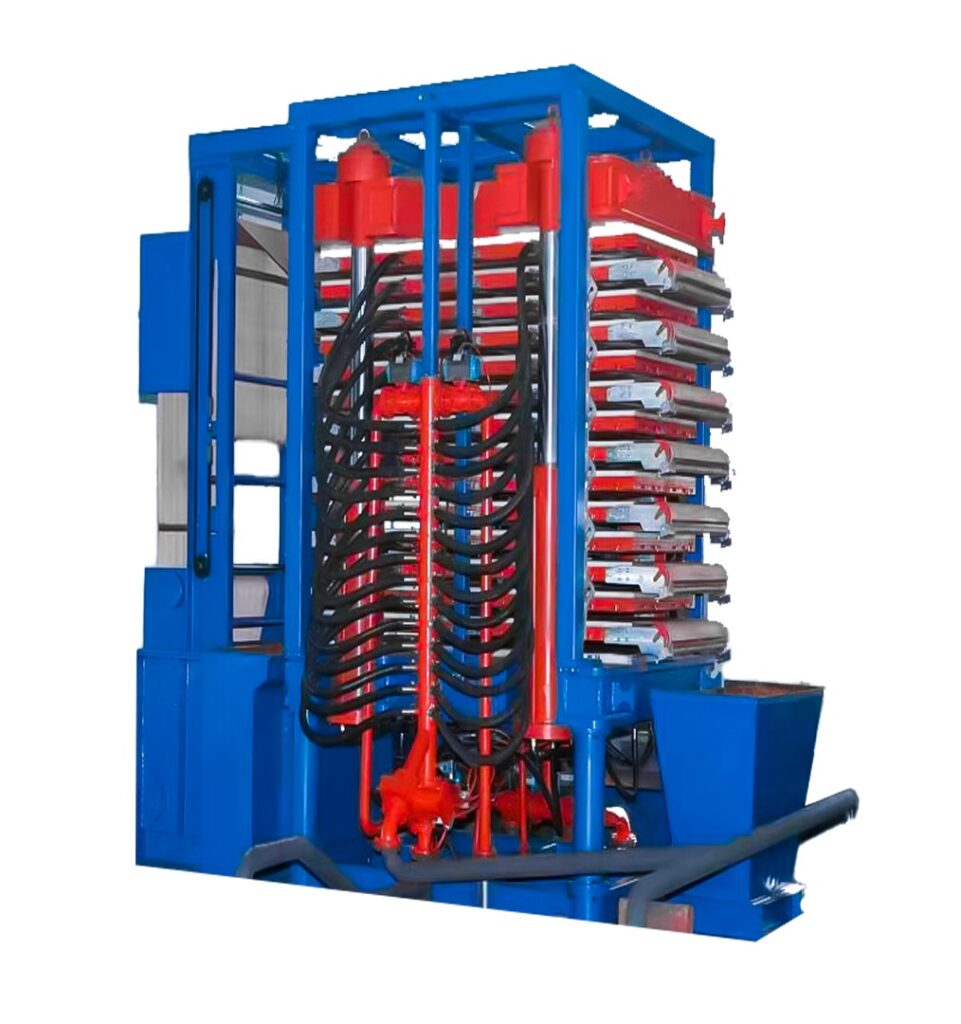
The smart shift to intelligent and sustainable production is gaining pace in industry worldwide. The crucial role that is now being played by filtration technology in helping to improve the efficiency and the sustainability of production in mining, metallurgy, chemical processing and wastewater treatment is becoming increasingly apparent. The major challenge facing companies in these […]
NGZ High Efficiency Thickener vs Traditional Thickener Which Delivers Better Tailings Management
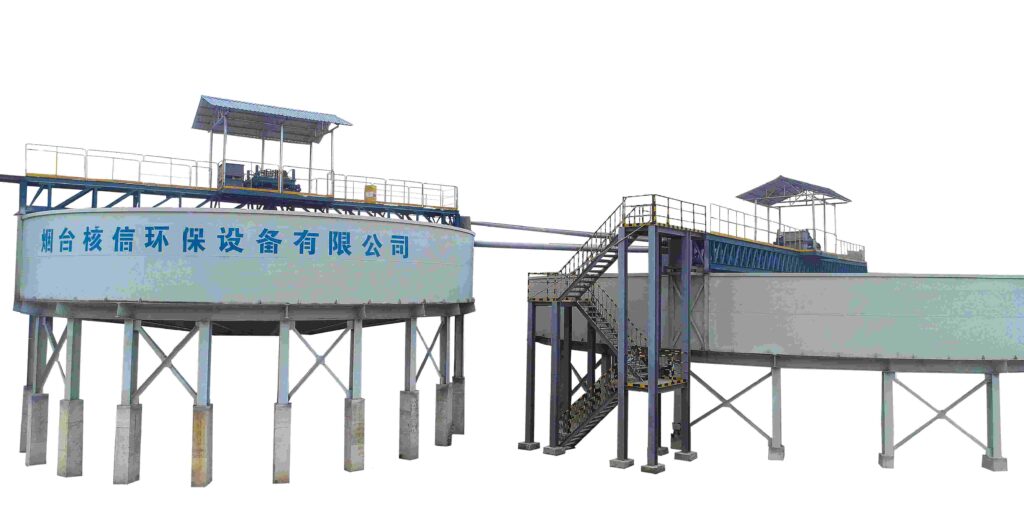
In an environment where the global mining and mineral processing industry is pressurized to maximize water recovery, minimize the risks associated with the disposal of tailings and reduce costs of operation, Thickening technology has become a cornerstone of effective Tailings Management. Traditional Thickeners, which have historically been used for slurry thickening and for the solid-liquid […]