 English
  Russian
  Spanish
 Efficient solid-liquid separation is a critical function of modern mineral processing to enable efficient water recovery and the management of tailings, enable effective filtration downstream, and reduce processing costs. With the drive to increased efficiency in mining through the better use of resources, the choice of thickening technology is increasingly important.
Thickeners are among the most common solutions for dewatering of concentrates and tailings. High rate thickener and high density thickener are two of the most typical types of thickeners. The function of both types is to improve settling of solids and to recover as much water as possible from the slurry. However, both types have different objectives. Selecting the wrong thickener can result in a low water recovery efficiency, in an unstable underflow density, in high operating costs and in uneconomical capital expenses.
The selection of a thickening process is a complex process that requires consideration of the characteristics of the slurry, the required throughput, constraints of the existing plant, environmental objectives and the costs for the long-term operation. New technologies such as the NGZ intelligent thickening system have in recent years increased the efficiency of the conventional high rate thickening as well as the high density thickening. With the improved process stability, mining companies are now able to achieve higher efficiency with their thickening process.
In this guide we compare and contrast high rate thickeners with high density thickeners, describe the main characteristics of each and outline the key selection criteria. We then go on to explain how modern thickening technology can be used to improve the dewatering of slurry at a mineral processing plant in order to improve overall efficiency and help deliver on the aims of sustainable mining.
What Are the Key Differences Between a High Rate Thickener and a High Density Thickener?
In mineral processing, both High Rate Thickeners and High Density Thickeners are widely used. However, there are considerable differences between them in terms of design and operating parameters, which affect the efficiency of solid-liquid separation, the water recovery in the thickener overflow, and the overall processing cost.
Design Characteristics of Each Thickener Type
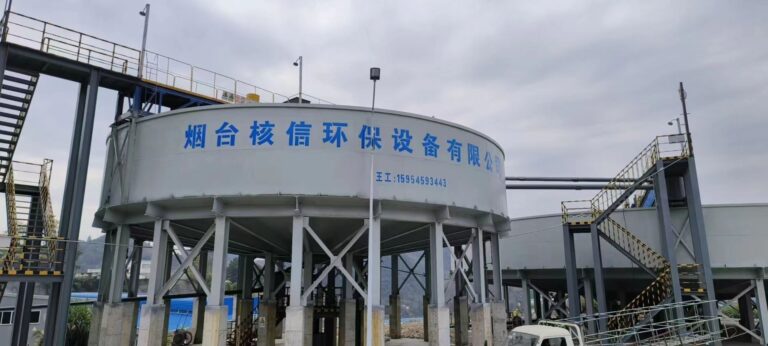
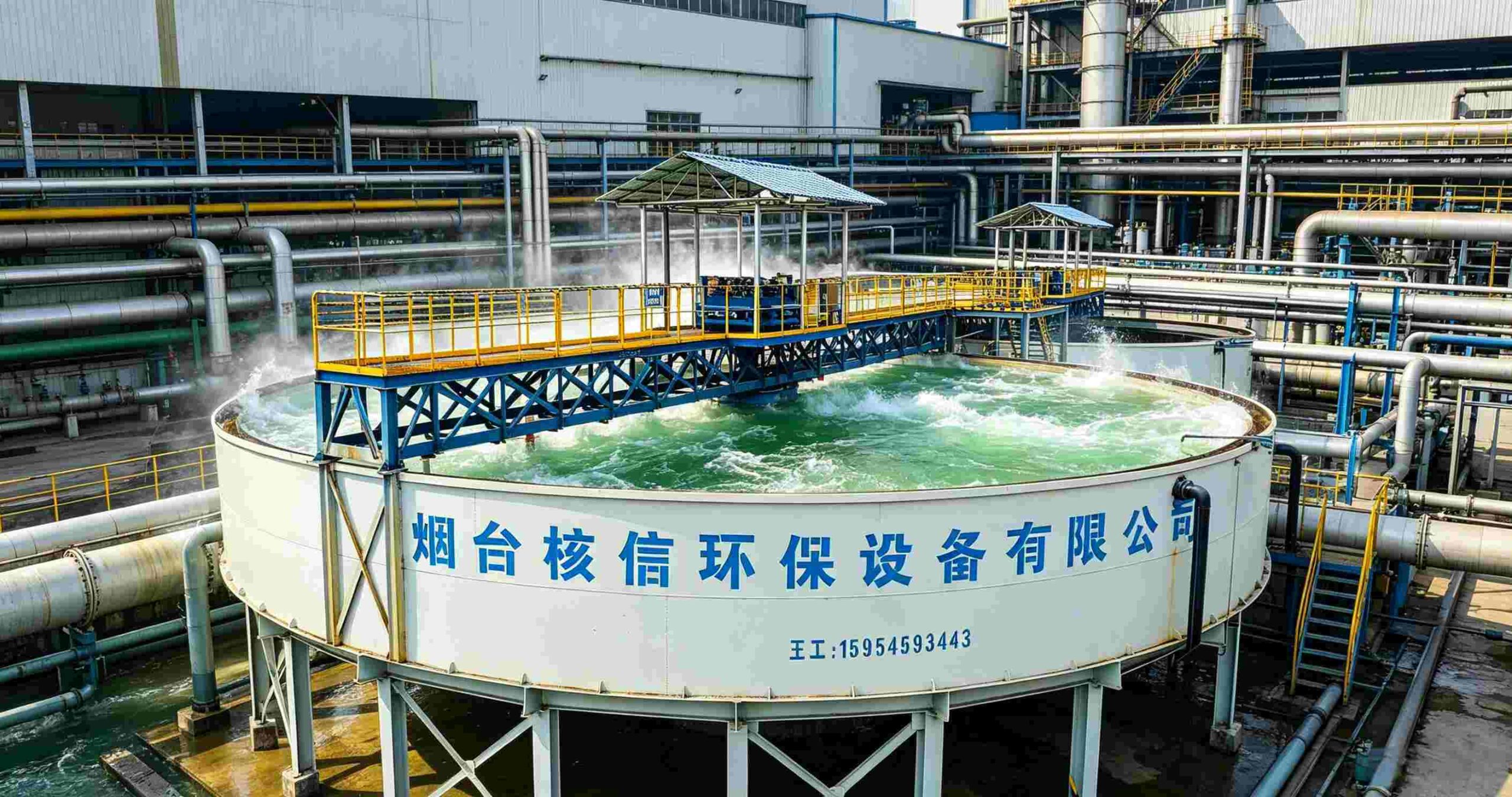
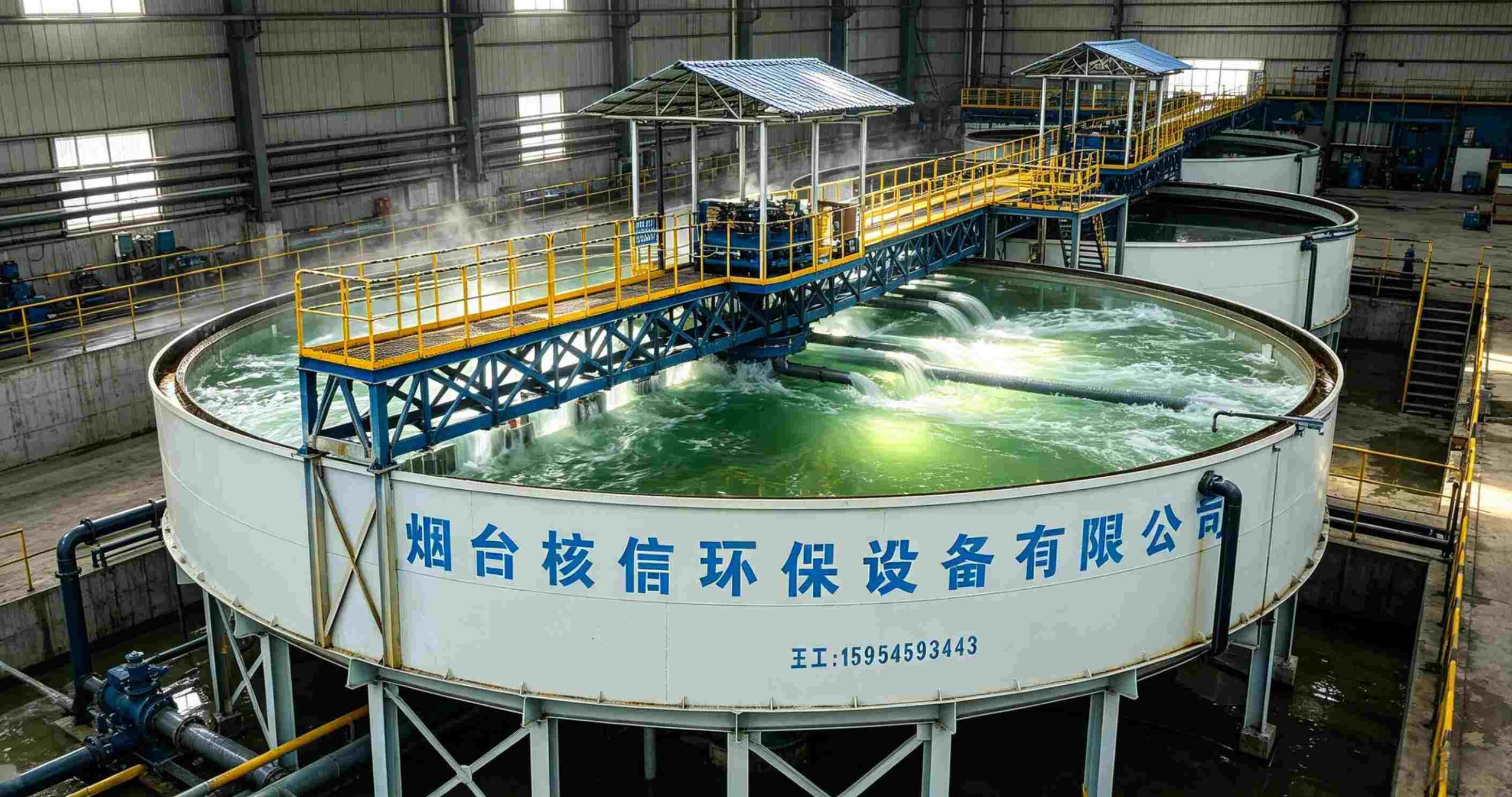
High rate thickeners are generally designed with large feed wells and relatively low sidewall heights to promote fast settling by enhanced flocculation. A wide feedwell allows for energy dissipation which is optimal for the dispersion of flocculant and for the flow to be as uniform as possible. High density thickeners on the other hand are designed with deep tanks and high sidewalls and use heavy-duty rakes to handle the dense underflows. The increased solids residence time in the deep tanks results in an increased compression zone which in turn results in a more efficient thickening process. The structural geometry of the thickener, in particular the tank depth-to-diameter ratio, determines the solids concentration in the underflow.
Operational Principles and Process Mechanisms
High rate thickeners operate using a settling process that is enhanced by flocculants. The thickeners are designed to form large flocs which settle rapidly in the thickener to produce a clear overflow which can be used as process water. High density thickeners on the other hand operate by using a higher solids concentration and lower rake speeds to form a stable bed which can then be compacted to a high degree of dryness within the thickener. The combination of a high solids concentration and slow rake speed forms a pronounced compression zone at the base of the thickener where the solids are compacted to a high degree of dryness prior to discharge. The choice between these types of thickeners is largely dependent upon the properties of the slurry being thickened, the size distribution of the particles, the viscosity of the slurry, required throughput and available plant space.
How Do Performance Parameters Affect Thickener Selection?
The performance parameters of the various thickening types, which determine how effectively a thickener can be used for dewatering in a particular mineral processing, are the underflow density, the overflow clarity and the thickening capacity.
Underflow Density and Solids Concentration Targets
Higher concentration of solids can be achieved in high density thickeners by taking advantage of the long time required for thickening and by controlling the motion of the rake. Higher underflow density reduces the filtering load on and the water to be recovered by downstream processes. This is particularly important in plants where tailings are being managed or dry stacking is being carried out, as the impact on the environment needs to be kept to a minimum. The optimum underflow density will depend on the mineralogy of the ore, the degree of liberation of the particles and the subsequent processing.
Overflow Clarity and Water Recovery Efficiency
High rate thickeners are typically designed to produce a clear overflow. It is common practice to control the amount of flocculant added to the thickener to minimize the amount of suspended solids that are carried with the overflow stream. Monitoring the turbidity of the overflow water is critical in maintaining a clear overflow, especially when the feed rate is varied. In order to maintain a steady state, the operator must be able to adjust the amount of flocculant added or the dilution of the feed in order to maintain the desired level of clarity.
Throughput Capacity and Process Stability
Large volumes requiring rapid settlement are typically handled using High Rate Thickeners. These units are designed to optimize the hydraulic aspects to increase throughput. High Density Thickeners on the other hand are designed to handle smaller throughputs but are able to produce a thicker underflow. Their greater stability when subject to bed settlement or high rake torque is a major advantage. It is essential that a balance between throughput and stability is obtained to enable continued effective operation over long periods.
Which Factors Should Be Considered When Choosing Between the Two?
Selecting between a high rate thickener and a high density thickener requires evaluating technical criteria alongside operational constraints and long-term economic considerations.
Slurry Characteristics and Feed Variability
Settling velocity can be affected greatly by the Particle size distribution. Larger particles such as coarse sands settle quicker than finer sands and require less energy input from the flocculants. High viscosity slurries as well as fine slurries benefit from a higher density slurry thickener as the deeper tank allows for greater retention time for slurry compaction. The consistency of the feed also has an effect on how to control the bed level, variable feed rate’s require a number of automated controls especially for the torque system.
Space Availability and Plant Layout Constraints
Space for installation is limited, which means that high density designs of a smaller foot print are often preferred over higher rate units with larger diameters. In addition to the installation of the clarification unit, due consideration must also be given to the surrounding plant layout in order to guarantee suitable access for maintenance of, for example, the rake drive and the feedwell.
Cost Considerations Across Equipment Lifecycle
Capital Expenditure varies based on Tank Design, Drive Configuration, Material of Construction and additional items such as Feed Dilution Packages. Operating Costs are affected by power required to drive rakes, dosage rate of flocculants and frequency of maintenance for wear parts on mechanical items. Return on Investment over time is affected not only by item durability but also by process reliability and water savings that are achieved over time.
How Does NGZ Technology Enhance Thickening Efficiency?
NGZ (New Generation Zone) technology represents a modern advancement that integrates intelligent control systems with optimized mechanical design to elevate thickening efficiency across both high rate and high density configurations.
Advanced Feedwell Hydrodynamics for Improved Settling
Controlled energy release at the feed entry point of the NGZ system reduces turbulence within the feedwell zone of the tank. Uniform distribution of the slurry within the feedwell promotes floc formation efficiency by avoiding localized areas of high shear that break up newly formed floc aggregates. Reduced short-circuiting within the NGZ tank promotes consistent and efficient flow patterns throughout the entire cross-section of the tank, thus resulting in improved overflow clarity and settling performance under varying operating conditions.
Intelligent Rake Control Systems for Consistent Underflow Quality
Within the Intelligent Control suite of NGZ technology, the torque-based automation continuously monitors bed pressure and, through clever control of bed lift, ensures that the beds are always at the correct height even with changing feed rates. The Adaptive Rake Speed in the compression zone ensures that no mechanical overload occurs whilst extracting maximum compaction from the material to deliver a constant underflow density. This is especially critical in slurries of variable rheology and when processing solids with a fluctuating feed rate.
Why Is Yantai Hexin Environmental Protection Equipment Co., Ltd a Reliable Supplier of High Efficiency Thickeners?
Yantai Hexin Environmental Protection Equipment Co., Ltd is a well-established thickening solutions provider for the global mineral processing market.
Company Expertise in Mineral Processing Solutions
For over 30 years Yantai Hexin is experienced in designing and supplying effective solutions for gold, copper, lead-zinc and other mineral projects and for iron ore beneficiation plants. By integrating NGZ technology into High Rate Thickeners and High Density Thickeners, Yantai Hexin has provided efficient and stable performance solutions to a wide array of mining operations. For around 20 years, Yantai Hexin has been specializing in production of filter equipment. Our whole range of filter equipment are manufactured according to country, industry and company standards, and are equipped with world advanced process machines which ensure the product’s high accuracy and quality.
Commitment to Quality, Service, and Sustainability
Excellence is a hallmark of the company’s culture and business practices, notably by the rigorous inspection processes conducted on all equipment before they are dispatched to customers. The company is also committed to upholding the terms of ISO9001 quality control system. Post sales service support is also crucial to ensuring continued optimal performance of the equipment over its lifespan. Warranty period and terms for the whole machine is 1 year (18 months from date of dispatch to 12 months from date of installation, whichever is the sooner). Lifetime after sales service support is provided. Our technical experts are available to offer design assistance, commissioning support and advise to our customers with the objective of minimizing environmental impact while delivering enhanced water recovery – a key performance metric in the modern era of mineral processing.
What Are the Practical Steps to Optimize Thickener Operation After Installation?
After installation operational optimization is required in order to achieve in the long term the design values.
Calibration of Feedwell Distribution Systems
Calibration of dilution water within the feedwells is critical to ensure a consistent mix of slurry and flocculant solution. Regular checks are also made to ensure that no blockages or irregular flow patterns exist which can create areas of settling unevenness and affect the clarity of the overflow. Localized turbulence zones can cause problems with settling and overall performance.
Monitoring Rake Torque Trends
Continuously monitoring the rake torque trend enables to recognize potential problems like an excessive bed of material or wear on drive parts at an early stage. The integrated automated alarm in modern NGZ-control systems allows for the necessary measures in time to avoid downtimes. Thus, it is possible to guarantee the operational use whilst protecting the equipment.
Conclusion: Achieving Optimal Dewatering Through Informed Selection
Deciding between high rate thickeners and high density thickeners requires careful consideration of several key criteria including process objectives, feed characteristics, plant layout constraints, cost and sustainability issues. By matching these key criteria with leading edge thickening technology, such as the NGZ system, and selecting a qualified supplier, such as Yantai Hexin Environmental Protection Equipment Co., Ltd, operators can achieve the critical dewatering that is required to maximize productivity while minimizing environmental impact.
FAQs
1. What is the main difference between a high rate thickener and a high density thickener?
A High Rate Thickener is designed to rapidly clarify a slurry while maintaining low underflow solids density, as opposed to a High Density Thickener which is designed to produce a higher solids concentration by further compressing the sludge in the thickerener’s zones.
2. How does NGZ technology improve thickening performance?
NGZ technology optimizes feedwell, increases flocculation and solid bed compaction by means of intelligent rake control systems.
3. Can both types be used in the same mineral processing plant?
Many water and wastewater treatment plants are operating with a combination of primary and secondary treatment using high rate settlement tanks followed by high density dewatering for final treatment.
4. What maintenance practices ensure long-term reliability of thickeners?
Regular checks on rakes, drive, torque sensor, feed bin and underflow are carried out to guarantee optimal operation.
5. Why should operators choose Yantai Hexin Environmental Protection Equipment Co., Ltd as their supplier?
Our experience, technical knowledge and proven quality in manufacturing of thickening equipment is complemented by efficient after sales service all over the world.