 English
  Russian
  Spanish
 High-efficiency thickeners have become essential in industrial water recovery systems, especially in mining and wastewater treatment. Their main job is to improve solid-liquid separation. This lets industries reuse process water well. It also cuts down waste and environmental harm. In these areas, they help reach sustainable production aims with smart engineering and automation.
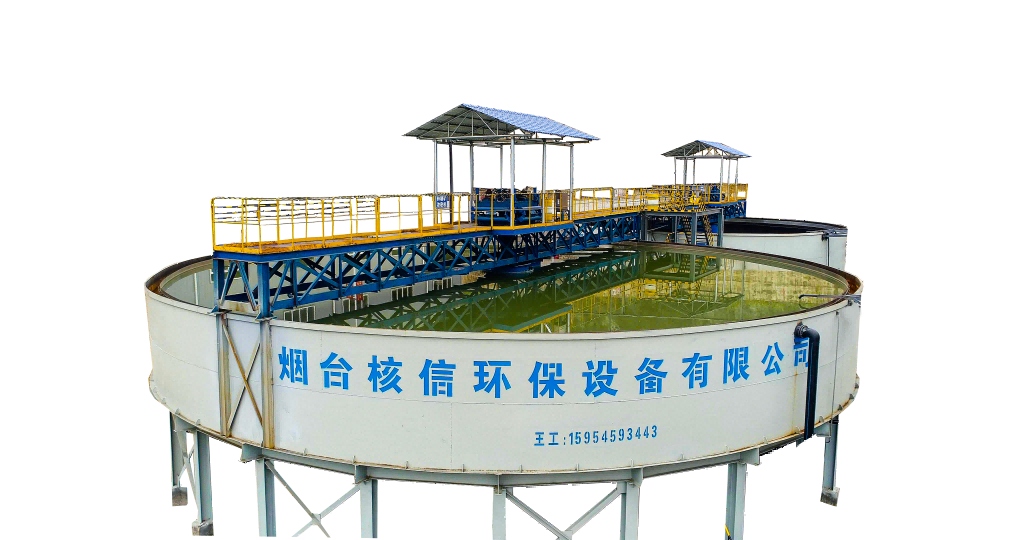
Key Functions of High-Efficiency Thickeners
High-efficiency thickeners speed up the sedimentation process. They do this by helping suspended solids settle quickly. As a result, this creates clearer overflow water that can go back into the system. They cut water loss by sending clarified liquid back to the process stream. Therefore, this lowers the need for fresh water sources. Plus, these setups shrink the size of tailings ponds. That boosts operational sustainability. It also reduces environmental risks tied to waste storage.
Comparison Between Conventional and High-Efficiency Thickeners
Modern high-efficiency thickeners do better than older ones. They achieve this through various technical improvements. A better feedwell design helps with flocculation and settling. So, it leads to quicker clarification rates. Smart rake mechanisms keep solids discharge even. At the same time, they avoid equipment overloads. What’s more, these systems use less energy. They also need smaller amounts of chemicals than traditional thickeners. This brings both cost savings and green benefits.
How Do High-Efficiency Thickeners Enhance Water Recovery in Mining Operations?
Water is key in mining operations. It supports ore processing, dust control, and slurry transport. Good thickening technology affects water recovery rates directly. It also helps meet environmental rules.
The Mechanism of Water Recovery in Mining Applications
Thickeners recover process water. This water can return to grinding, flotation, or leaching circuits in mineral processing plants. The clearer overflow water means fewer extra filtration steps later on. Optimized thickener work cuts water loss in tailings management. It does this by raising underflow density. It also aids solid settling well.
This setup gives steady performance for different ore types and slurry conditions. The scraper blades follow a logarithmic spiral pattern. That allows efficient scraping with little resistance. Such careful mechanics ensure good solids movement. Meanwhile, it keeps stable hydraulic pressure during work.
Benefits for Sustainable Mining Practices
High-efficiency thickeners boost internal water recycling a lot. This cuts freshwater use from natural sources. As a result, it lowers running costs. It also aids following environmental standards for effluent discharge and tailings storage. In the long run, adding automated control systems improves reliability. It ensures steady results in various mining settings.
Why Are High-Efficiency Thickeners Crucial in Wastewater Treatment Plants?
In wastewater treatment plants, good solid-liquid separation is vital. It helps meet discharge rules while cutting sludge handling expenses. High-efficiency thickeners are key. They concentrate sludge before further dewatering or disposal steps.
Enhancing Sludge Thickening Efficiency
Advanced thickener designs speed up settling rates. This leads to higher solids levels in the sludge underflow. Such progress improves dewatering before mechanical filtration or drying. It reduces the overall sludge volume that needs more treatment or disposal.
The high-efficiency charging system handles slurry degassing fully. It controls material feed rates precisely. It also doses flocculant accurately. These parts make sure polymers work well without waste. In turn, this creates better floc formation. It produces thicker sludge. At the same time, it keeps overflow water clear.
Contribution to Overall Plant Performance
Modern designs include adaptive control systems. They handle changing influent conditions steadily. The system offers automatic, manual, and remote control options. This range lets operators keep even performance. It works despite shifts in influent load or makeup. Lower polymer use, along with better automation, boosts cost savings in wastewater treatment work.
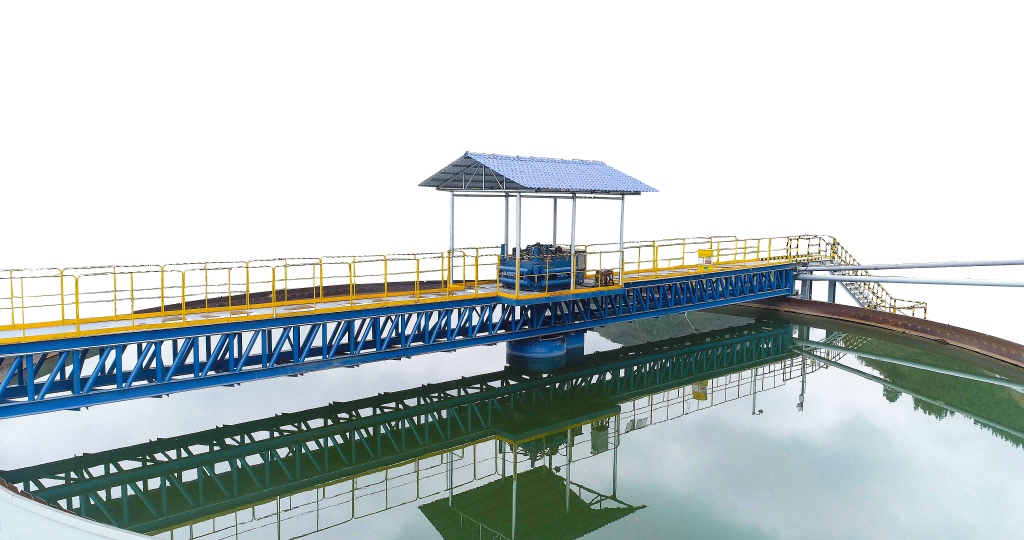
What Are the Key Design Features That Drive Thickener Efficiency?
A high-efficiency thickener’s success relies on its build and smart control systems. These guide how it runs.
Innovations in Feedwell Design and Flocculation Dynamics
Feedwells have controlled mixing zones. They stop turbulence that might harm particle settling. Even feed distribution creates steady floc formation across the tank. Adjustable feedwell shapes adapt to various slurry types in mining and municipal uses.
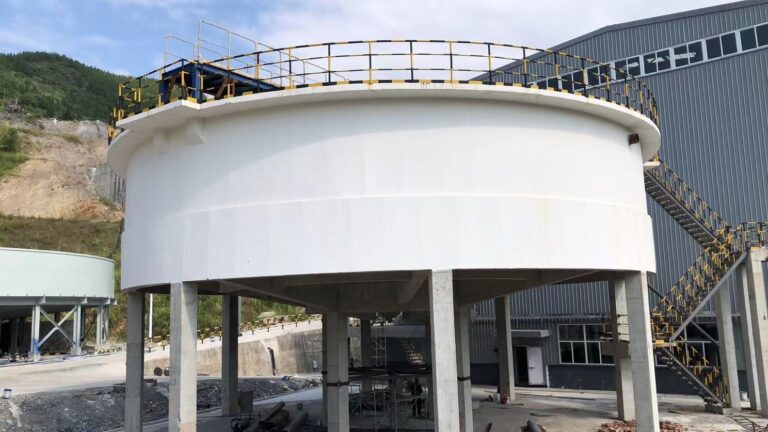
The circular pool body has a variable slope bottom or a deep cone bottom. This setup allows deep compression. It raises concentration efficiency several times over standard thickeners. The design speeds up bottom flow to the center discharge point.
Rake Mechanisms and Drive Systems for Optimal Solids Transport
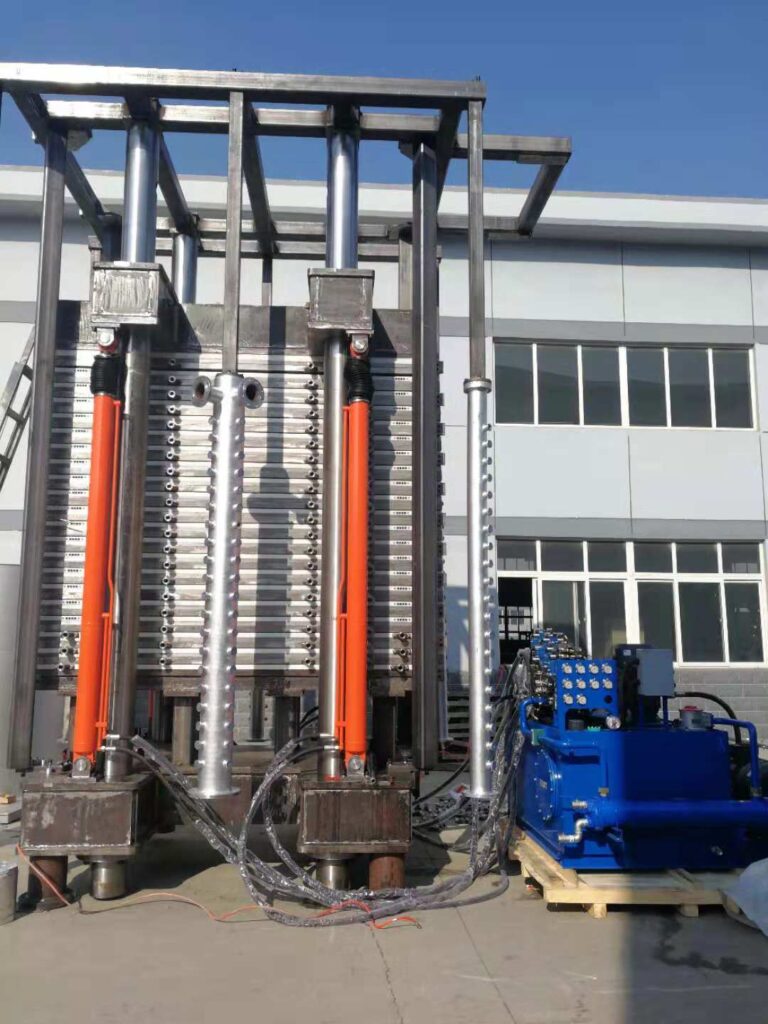
Torque-controlled rakes move solids well. They avoid stressing equipment parts. The drive uses a multi-hydraulic motor system. It powers the central rotary support and outer gear ring together. Energy-saving drive units pair with modular rake arms. This eases maintenance. It also keeps reliable work in different plant sizes.
How Does Yantai Hexin Environmental Protection Equipment Co., Ltd Support Efficient Water Recovery?
Yantai Hexin Environmental Protection Equipment Co., Ltd is a reliable global maker. It focuses on high-efficiency thickeners for mining and wastewater needs.
Commitment to Quality and Innovation
The equipment follows country, industry, and company standards strictly. We also adopt advanced technology from abroad. The materials we choose are top-notch. All outsourced parts are advanced, proven, dependable, and safe. High-level technology builds world-class machines. The machines stand out for few issues and strong output.
These strict making rules ensure long life in tough industrial settings. Plus, the company has ISO9001 quality control certification. Every product gets a full check before shipping. This guarantees it works well in real use.
Besides great products, Yantai Hexin offers strong after-sales support. It builds trust with customers around the world. We provide lifetime after-sales service. This includes 24-hour online technical help. It keeps operations smooth long after setup.
What Are the Long-Term Advantages of Implementing High-Efficiency Thickeners?
Putting money into advanced thickening tech brings clear long-term gains. These help industries that focus on sustainable resource use.
Operational and Environmental Gains Over Time
High-efficiency thickeners keep cutting water use through better recycling. This improves resource handling overall. The smaller need for expanding tailings ponds shrinks the environmental impact. It also boosts site safety. On the cost side, these systems reduce reagent needs. They do this with smart flocculant dosing in PLC-controlled models. For example, HEXIN’s NGZ series shows this well. Over years, such setups lead to steady savings in water and energy. They support greener practices without slowing down production. Operators see fewer breakdowns thanks to durable parts. This means less downtime and more reliable output. In mining sites, clearer water reuse cuts pollution risks. It helps avoid fines from regulators. Wastewater plants benefit similarly. They handle more volume with less sludge waste. Automation ties it all together. It adjusts to daily changes smoothly. In the end, these thickeners prove their worth through real results. They balance efficiency, cost, and care for the planet.