 Spanish
  English
  Russian
 In Industrial Dewatering applications, selecting between Vacuum Belt Filters and Belt Filter Presses requires a detailed assessment regarding efficiency of filtration, operating costs and solid cake moisture content. Both solid/liquid separation systems are used very frequently, however they are based on fundamentally different principles and are suited to specific fields of application.
Typically vacuum belt filters are recommended for applications requiring high clarity of filtrate, very low moisture content in the dewatered material, and gentle treatment of the material being dewatered. On the other hand, high volume sludge dewatering where energy is at a premium and simple mechanicals are preferred is typically best done using a belt filter press. Incorrect selection of filter equipment can result in both increased energy cost and poor performance.
Understanding the differences between Centralized Control Systems and Distributed Control Systems is crucial for process efficiency and Total Cost of Ownership (TCO) in industries like mining, metallurgy, chemical processing, wastewater treatment and food production.
Vacuum Belt Filters compared to Belt Filter Presses. This article details the main features and differences between Vacuum Belt Filters and Belt Filter Presses including their functionality, performance differences, fields of application and how to select the best option for your particular industry and application.
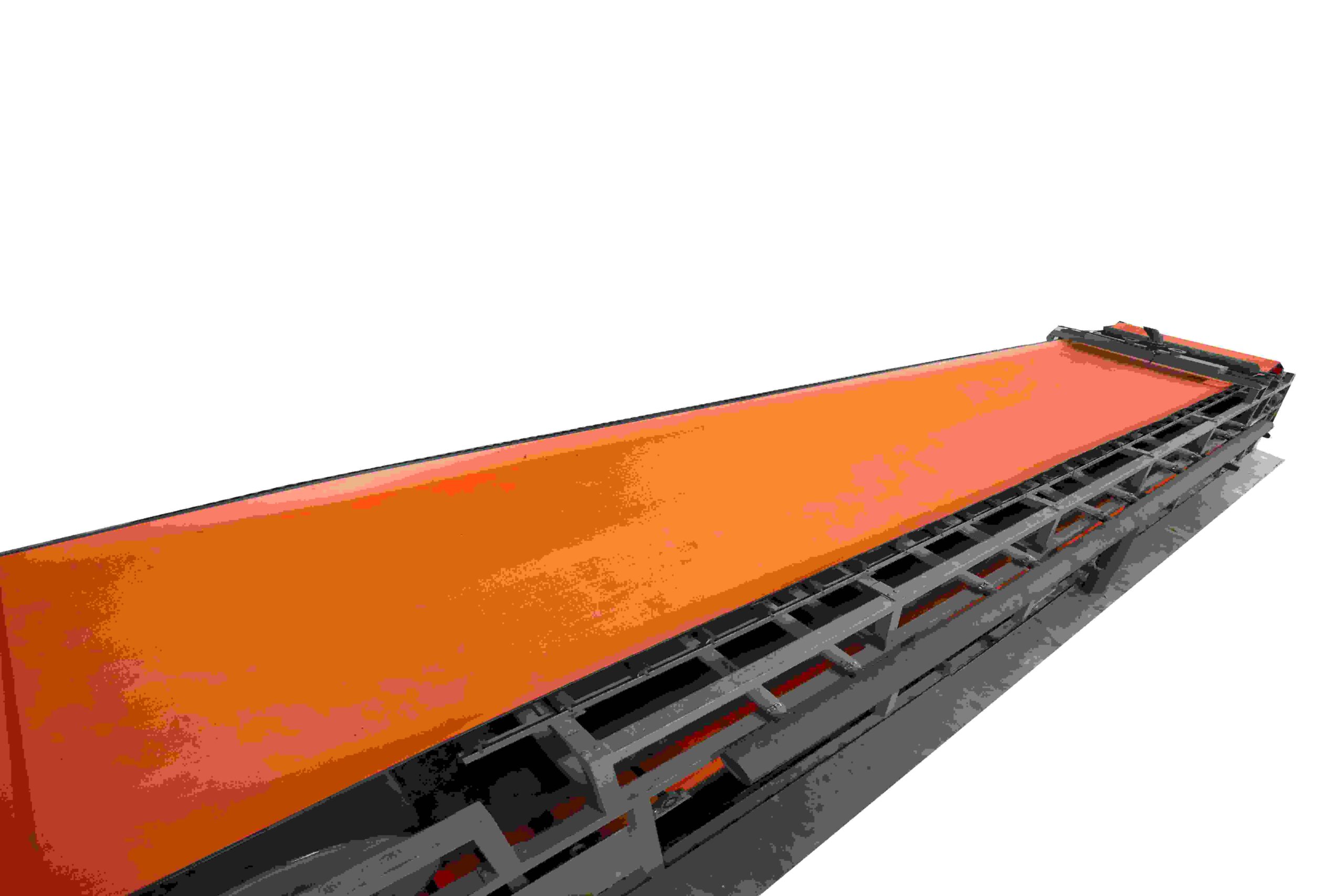
What Are the Core Differences Between a Vacuum Belt Filter and a Belt Filter Press?
Industrial dewatering is a process that requires two primary technologies, vacuum belt filters and belt filter presses. While both systems are used for dewatering, they have very different designs that affect their operation and overall efficiency.
Operating Principles of Vacuum Belt Filters
El vacuum belt filter is a continuous vacuum process for solid-liquid separation. The horizontal vacuum filter is the most efficient filter for solid-liquid separation. It utilizes filter cloth and a combination of the solids own weight and vacuum to ensure low residual moisture and consistent performance in the final cake.
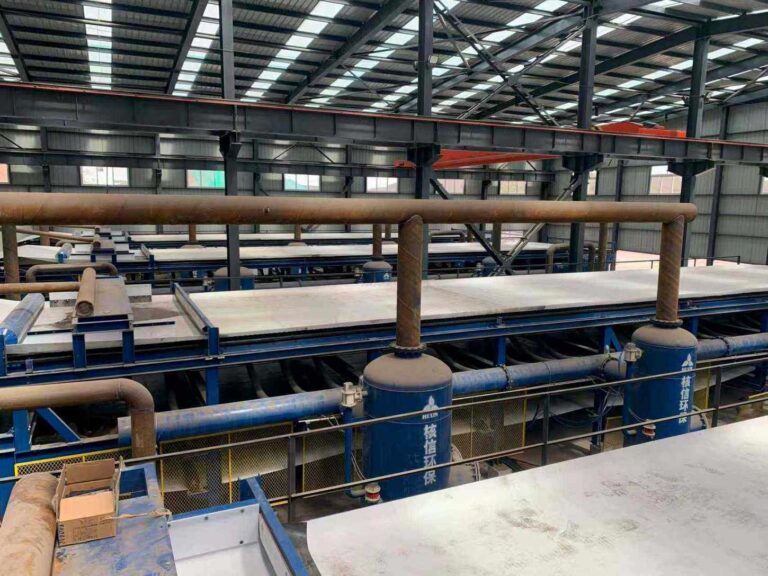
Our machines are designed with a fixed vacuum box. A continuous rubber belt is driven by a motor, which is running over the vacuum box. The filter cloth is put on the rubber belt and is moving in sync with it. The rubber belt is in contact with the friction belt of the vacuum box’s sliding platform. This contact creates a water-seal. The machine is running smoothly and continuously processes the slurry material.
Vacuum belt filters are used in particular situations where the high quality filtration of a liquid and its reuse are required. A number of industries such as chemicals, mining and pharmaceuticals use vacuum belt filters as they are capable of treating sensitive materials. Such materials can often be damaged by high pressures and by changes in temperature. The filter is widely used in industries such as metallurgy, mining, petrochemicals, chemicals, pharmaceuticals and environmental protection. Typical uses are for the separation of a solid from a liquid, dewatering of gypsum from flue gas desulfurization and the treatment of tailings.
Operating Principles of Belt Filter Presses
Belt filter press’s use of mechanical pressure rather than vacuum in removal of water from sludge or slurry enables higher throughput than do vacuum-based thickening systems but typically produces a slightly wetter cake.
Belt filter presses are typically used for wastewater treatment, food processing and paper manufacturing, where it is necessary to process large quantities of medium solids content slurries on a continuous basis. Compact in design, belt filter presses are used for industrial dewatering applications that require minimal supervision as the process is largely automated.
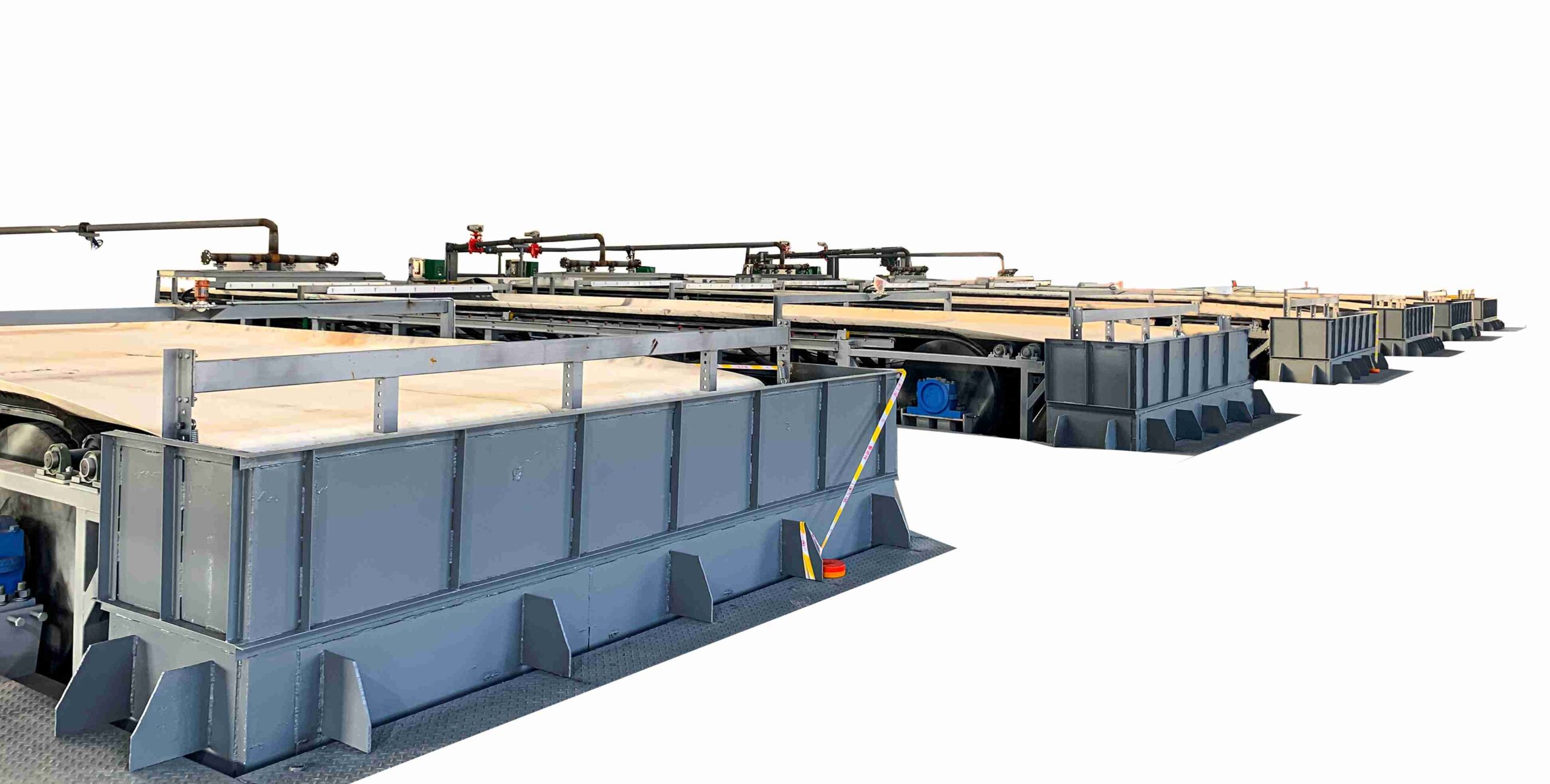
How Do Performance Factors Compare in Industrial Applications?
When comparing pressure and vacuum filtration the key performance indicators for each of these filtration methods are the filtration rate, the cake dryness, energy required for filtration and required maintenance.
Filtration Efficiency and Cake Moisture Levels
Although high dry solids are achieved in Vacuum belt filters by operating in a controlled suction environment to prevent high residual moisture, the trade off for achieving these high solids is generally lower processing capacity than say a press. In addition the final product will be a low moisture content slurry that is easy to pump and treat or transport as required as opposed to the high moisture content cake produced by a belt filter press that can be pumped but at higher costs due to the higher moisture content and requires larger treatment facilities. The belt press on the other hand can process larger volumes of sludge at faster rates but at the cost of higher moisture content in the sludge cakes produced.
Therefore, when dryness is prioritized—such as in fine chemical or pharmaceutical production—a vacuum system may be preferable. Conversely, where speed outweighs ultimate dryness—such as municipal sludge handling—a belt press offers more efficiency.
Energy Consumption and Operational Costs
A vacuum system typically requires more energy than a press using an mechanical press because a constant suction pump is required to hold a negative pressure to pick up parts and hold them against the bed of the press. A mechanical press uses physical compression to close, as opposed to movement of air, thus being more energy efficient.
However, operational costs also depend on consumables like belts and seals. Vacuum filters require regular maintenance of pumps and seals while belt presses demand periodic replacement of wear components such as belts or rollers. Cost-effectiveness varies depending on process scale and slurry characteristics.
Maintenance and Equipment Longevity
Maintenance complexity differs markedly between these technologies. Various types of rubber belt support methods like roller type, air cushion type, pallet type and multiple friction belt support ways to reduce the friction resistance and increase the rubber belt lifetime. This design feature enhances durability but also introduces more components requiring inspection.
Belt press systems are typically simpler in operation than other systems, yet can be clogged easily by fibers or sticky materials. In order to extend the use of such systems for as long as possible, by means of regular preventive maintenance, for example by scheduling regular washing cycles.
Which System Offers Greater Adaptability Across Industries?
Each technology is more suited to certain industries depending on the product quality standards or how a material behaves during the dewatering process.
Applications Favoring Vacuum Belt Filters
Vacuum filters are suitable when very high quality of the filtrate is required or when gentle are required. They are also the best choice when suspensions with very fine particles are filtered and the solids must not be pressed too much. The filter fabric and the rubber belt runs synchronously. Thus vacuum filters are able to fulfill all processes of a filter in one step: feeding, filtering, washing, drying and also the filter cloth regeneration. All steps are performed continuously, which leads to a constant quality of the product. Thus they are predestined for chemical synthesis intermediates as well as for highly sensitive pharmaceutical crystals.
For industries with volatile products modern filter design allows for completely enclosed operation. For such materials the system can be designed as semi enclosed (air cover or aluminum/plastic windows) to ensure insulation or even to centralize the collection of the volatile material. And this is why vacuum filters are irreplaceable for example in the metallurgical refining industry and in the recovery of catalysts.
Applications Favoring Belt Filter Presses
The belt filter press is generally the most common sludge dewatering equipment used in large scale sludge removal applications found in the municipal wastewater treatment plants as well as pulp mills. The strong mechanical design of the belt filter press can handle very fibrous type of sludge without excessive wear. Also, an automated washing system allows around the clock operation and is facilitated by minimum human intervention, a major feature for large industrial applications where costs are controlled by keeping labor at a minimum and running 24 hours a day, 7 days a week.
How to Choose Between the Two Technologies for Specific Operations?
When selecting the most suitable dewatering solution, it is necessary to consider the available dewatering solutions’ capabilities and objectives of the process in question, as well as more practical aspects such as available space and the required maintenance.
Key Decision Criteria for Equipment Selection
Engineers should analyze parameters including solid concentration levels, particle size distribution, target cake moisture content, available footprint within plant layout, desired automation degree, and total lifecycle cost encompassing installation through replacement parts procurement.
Long term efficiency of operation as opposed to initial cost is also a major factor in decision making with both of the systems able to offer trade-offs between energy use and consistency of output which can vary according to feed type.
Integration with Existing Process Lines
Integration feasibility often determines final selection since both technologies must align seamlessly with upstream preparation units such as thickeners or downstream drying equipment like rotary kilns. Control synchronization ensures stable operation within automated facilities while retrofitting considerations address compatibility when upgrading legacy setups from older filtration units to modern modular systems capable of remote monitoring functions similar to those found in advanced models today.
Why Choose Yantai Hexin Environmental Protection Equipment Co., Ltd as a Reliable Supplier?
Yantai Hexin Ambient Protection Equipment Co., Ltd designs and supplies effective dewatering solutions for industries around the world with its range of vacuum belt filters and belt filter presses. These Vacuum Belt Filters and Belt Filter Presses are of modular design, easily to be assembled, to be transported. They can also be supplied and put into operation after installation. All of Hexin products are of innovative design, sturdy structure, and are equipped with advanced automation for optimum efficiency in mineral processing, metal casting, pharmaceutical, chemical and other industries.
The BF Belt Filter from Their Engineering represents the highest standards in the filtration industry by incorporating the latest design features such as synchronized fabric movement, high pressure washing, various discharge options including zero discharge, which are aimed at environmental sustainability in today’s industry.
Conclusion: Aligning Technology with Process Objectives
The decision to choose between a vacuum belt filter and a belt filter press depends on the priorities of a number of parameters such as maximum dryness, low energy, high production, consistency, or minimum maintenance and overheads against the properties of the material to be dewatered. A choice that best satisfies these parameters for a specific material under real world conditions will yield the best return-on-investment for a dewatering operation over long production periods.
Preguntas frecuentes
What type of slurry benefits most from using a vacuum belt filter?
Vacuum belt filters are suitable for fine particle sizes and for sensitive heat treated materials which need to be gently separated under controlled vacuum.
Are belt filter presses suitable for continuous 24-hour operations?
Yes; modern belt filter presses are designed to operate continuously and have self-cleaning facilities to ensure optimal performance and continued trouble free operation over long periods of operation in wastewater treatment, food processing and other similar industries.
Can both systems be customized for specific industrial needs?
Absolutely – both our Vacuum Belt Filters and Belt Filter Presses can be supplied to meet any customer’s requirements as regards size, basic design and material of construction plus control, integration of other process units and a range of auxiliary equipment to match the precise demands of a wide variety of process requirements for the efficient separation of solid and liquid materials.