 Spanish
  English
  Russian
 “Which support should we specify?” is a reasonable question to put to a Filtro de correa de BF supplier, although the answer needs a little homework. You may have plenty of room beside the proposed filter, or almost none. Your maintenance team may prefer familiar bearings to another air supply. Such details change the purchase decision. Hexin offers roller, air cushion, pallet and multiple friction belt arrangements; below is a way to weigh them up before settling on one.
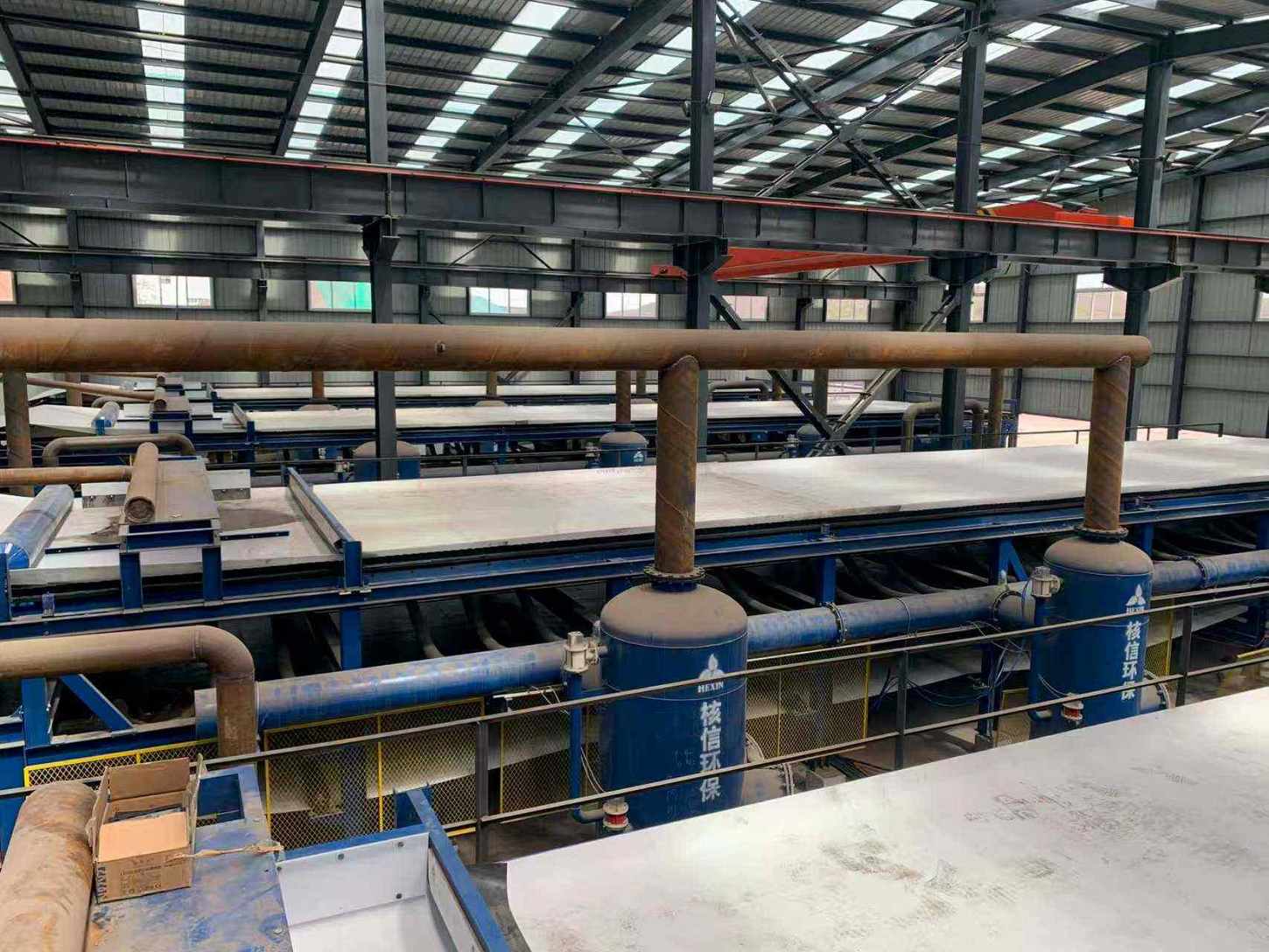
What are you actually supporting?
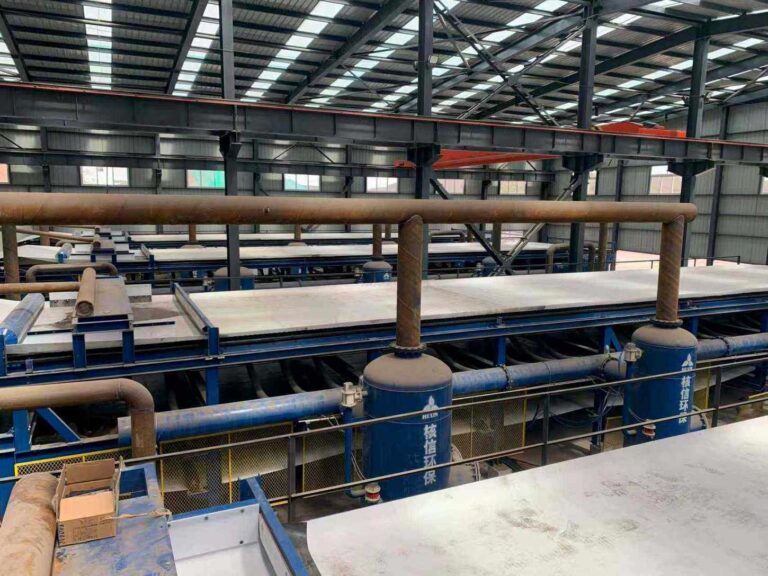
First, a distinction that can get lost in an enquiry: “belt” may refer to the cloth or to its rubber carrier. The cloth retains solids. Beneath it, the rubber belt carries the load; filtrate travels through its drainage grooves and holes towards the vacuum box.
Trace the loaded length of the filter
On the drawing, find the feed zone first. Farther along are the washing and drying zones, followed by cake discharge. These portions do different work, so the load isn’t identical everywhere. Mark the expected cake loading where it matters, and write the width and speed beside it. Now the vendor has something concrete to discuss: the support beneath a loaded length of rubber, rather than merely a filtration-area number.
One useful drawing review involves the person who will inspect the underside. Give them the installed layout, with guards and wash pipes included. Space that looks generous on a filter-only drawing may already be occupied in the plant.
Would a roller deck suit your maintenance routine?
With rollers, there are bearings to look after. That may suit a maintenance team very well, provided the installation gives them reasonable access. The question is what their actual replacement job would involve.
Ask how one roller comes out
Take one roller on the drawing and work through its removal. You undo the fixings; what moves next? If it comes out sideways, the side clearance matters. If removal involves lifting the rubber belt, the lifting method matters instead. Neither detail is apparent from the phrase “easy maintenance”. A short removal sketch would be a much better answer.
Look at the wash-water path in the same review. It is worth knowing whether splashes or spilled solids can reach a bearing, and what protection the proposed assembly has. The spare-parts schedule can then be matched to identifiable locations. It is much easier to plan a stop when “replace this bearing” refers to a part someone can actually reach.
Will the available air supply suit an air cushion?
An air-supported arrangement brings another utility into the decision. Its value depends partly on whether the plant can supply the air required by the proposed design.
Follow the air supply through a stoppage
The plant air header is a starting point, not the whole answer. Give the vendor the supply conditions available at the filter connection, including flow and air quality. Obtain the corresponding requirements for the air-supported design. There is also an accounting detail here: a power comparison that counts the belt motor but omits the air source is incomplete. Both belong on the same utility sheet.
Then ask what happens during loss of air with cake still on the belt. The answer needs to cover the belt drive, vacuum and restart sequence. It should be specific enough for the controls engineer to use. When reviewing belt filter options, include these support utilities in the equipment boundary; they are easy to overlook in a price comparison.
How should you assess sliding or pallet support?
Here the discussion moves to contact surfaces. Hexin’s listed support names do not, by themselves, specify the material or replacement method for your machine.
Get the wear detail on the drawing
A section through the contact area is helpful here. It should show the wear component, how it is retained, and the neighbouring rubber surface. If the arrangement uses sealing or lubrication water, the quote needs a water duty as well. Follow that water to its destination in the plant balance. The support name alone doesn’t tell you either the consumption or the drainage route.
Grit and deposits deserve their own discussion. Where might grit enter this assembly? What would have to be removed to clean a deposit? A wear strip’s price tells you very little about the labour needed to get at it. Let the maintenance crew comment while changes to the layout are still possible.
Hexin’s continuous dewatering guide covers the wider vacuum belt filter process. Read the support choice alongside cloth washing and tracking: an apparent belt problem may need investigation in more than one part of the machine.
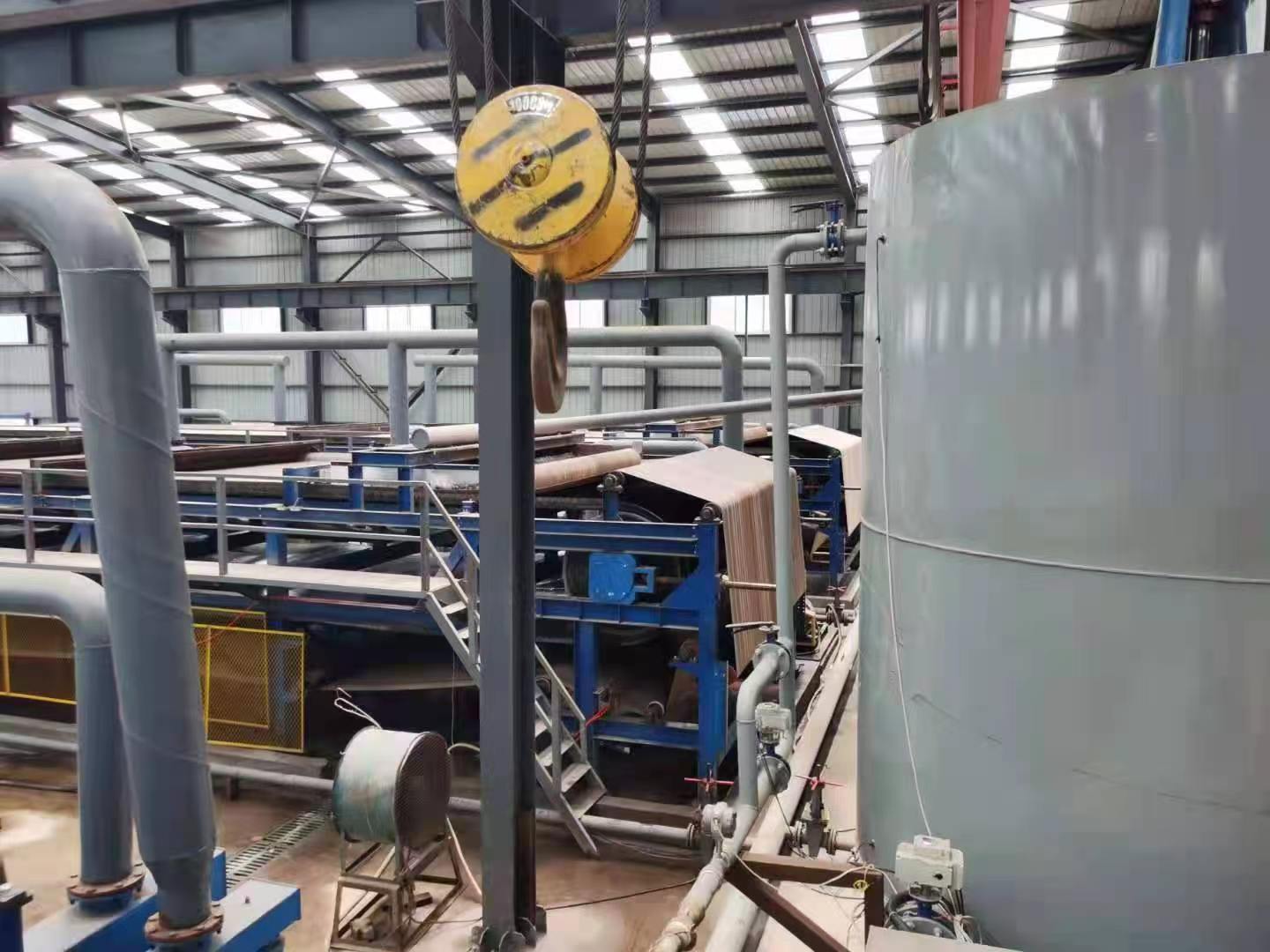
What makes competing quotations comparable?
Give each bidder the same duty sheet. Without that, an apparently smaller drive or lower utility estimate may simply describe a lighter operating condition.
Describe the difficult part of the shift
Include feed solids range, dry-solids rate, cake loading and operating hours. Add the available service water and air, plus relevant slurry chemistry. If feed varies during a shift, describe that variation.
Acceptance needs a wet, loaded run. Alongside the cake observations, record tracking, drive current and vacuum behaviour. Allow time afterwards for the agreed inspection underneath.
How can Hexin help with the selection?
A useful supplier discussion starts with the duty and a layout drawing, then works through the support choices.
A supplier for the BF range
Yantai Hexin Ambient Protection Equipment Co., Ltd supplies the BF belt filter and publishes several rubber belt support options. Include a site layout with the enquiry.
Conclusión
By the end of the review, you should know what carries the belt and how the plant will look after it. Keep the removal drawings for the roller option, the air duty for the cushion option, and the wear detail for a sliding arrangement. Compare them against the same feed conditions. The loaded test then checks the configuration you have actually agreed to buy.
Preguntas frecuentes
What power figures are needed to compare an air cushion?
You need the full utility estimate to answer that. Include air supply power as well as belt drive power, using the same belt loading for each proposal.
Can filtration area alone determine the support method?
Area leaves out belt width, loading, utilities and maintenance access. Those details belong in the enquiry before a support recommendation is accepted.
What belongs alongside the spare-parts schedule?
A removal drawing or procedure is useful. So are any special-tool requirements. With those details, the site can assess the work attached to each spare instead of ordering parts without an access plan.