 English
  Russian
  Spanish
 The Belt filter is a key element in ‘ecological’ industrial processing. In order to achieve efficient solid–liquid separation and a minimum of environmental impact, the filter is used in many industries. Its great advantage is that it is efficient for reducing waste, for the recovery of water and for meeting up with environmental requirements.
The Function of Belt Filters in Waste Treatment
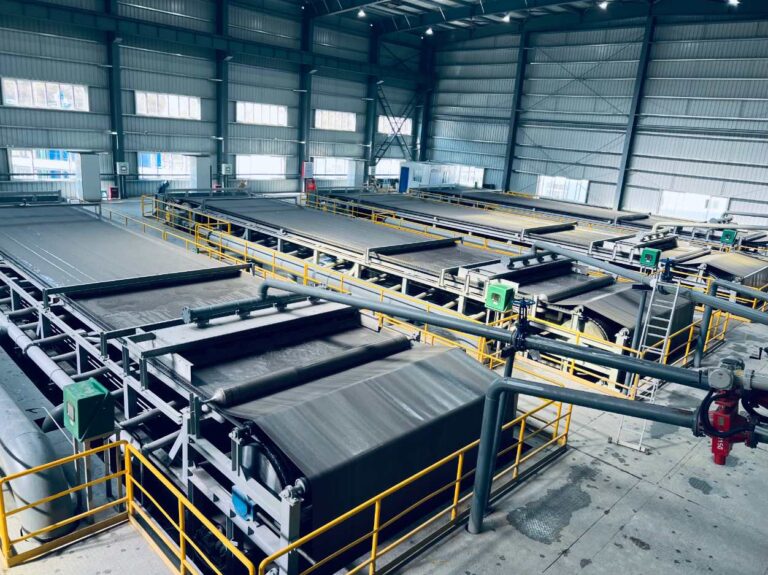
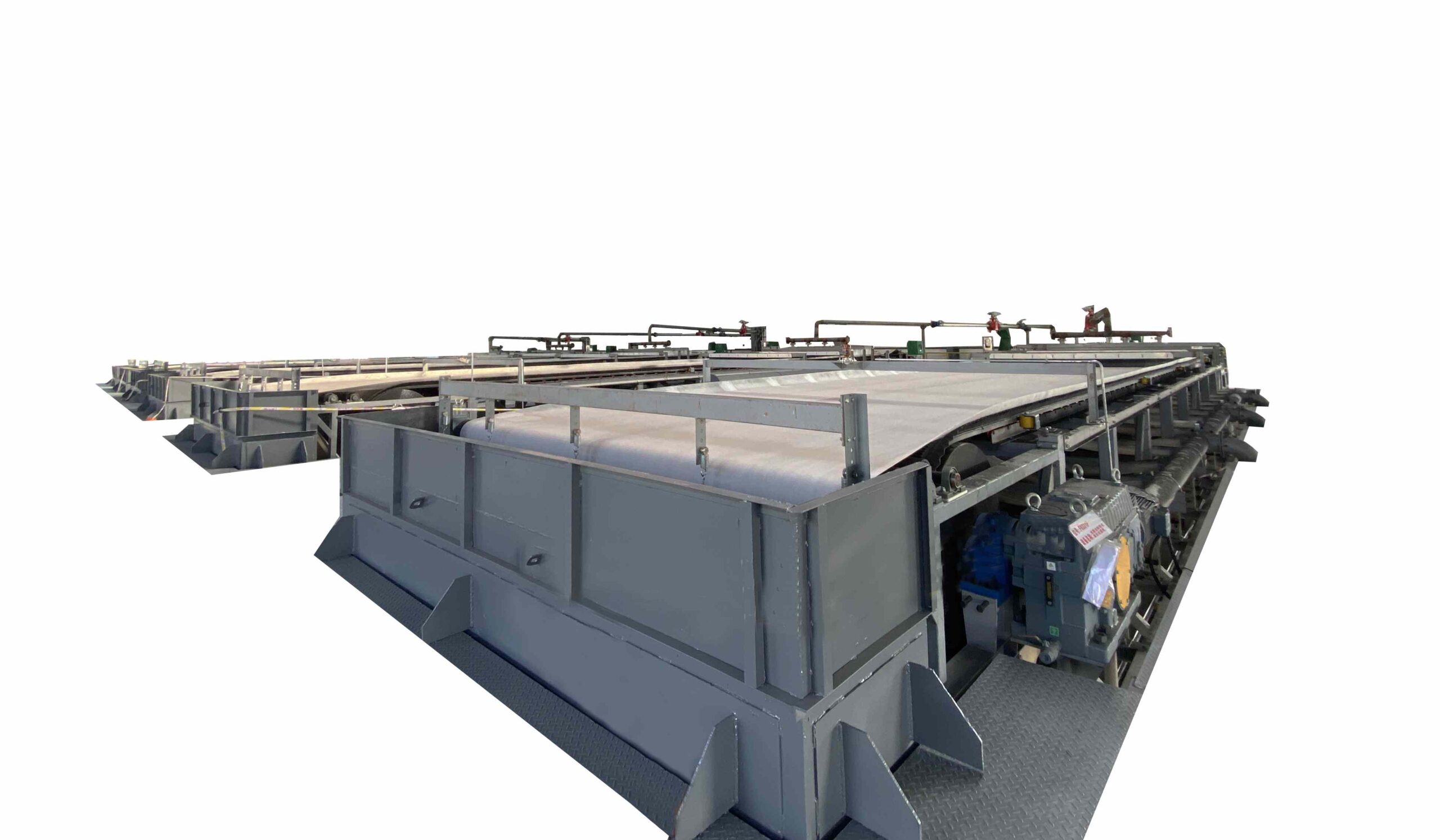
Belt filters are used for continuous filtration in order to remove solids from liquids in order to reduce the amount of sludge. Horizontal vacuum filters are considered to be the most efficient type of filter for the purpose of solid-liquid-separation. The Horizontal vacuum filter is a filter that uses filter cloths as the filter medium. The material to be filtered is sucked onto the filter cloth by vacuum. After a certain time the filter cake is removed from the filter cloth. The horizontal vacuum filter is especially suitable for large amounts of slurry in industries like metallurgy, mining, petrochemicals and pharmaceuticals. The filter enables production to be conducted in a sustainable manner. The filter increases the water recovery in a process, so that a closed loop is created. The filtrate can be reused for other production steps, thus minimizing the need for fresh water. The filter guarantees a constant quality of the effluent which is discharged in an environmental responsible manner, in line with the cleaner production policy.
Energy Efficiency and Resource Optimization
The most recent developments in belt filters have been focused on efficient use of energy by means of optimal design and automation. Filter cloth and rubber belt are running in perfect synchrony, so that all processes such as feeding, filtering, washing, drying as well as cloth-cleaning are operated continuously. Thus no drying-stop any more is to be experienced and a lot of energy is saved effectively. Modern process control is used for optimal application of chemicals for sludge preparation as well as for optimal dosing on the basis of the current process parameters. Already the reuse of the filtered process liquid within the own production area of a company is saving investment costs and conserving natural resources effectively and environmental friendly.
Reduction of Environmental Footprint Through Filtration Technology
Belt filters can also be instrumental in reducing industrial pollution by effectively removing fine particulates from the air to prevent them from contaminating land or water. The system can be designed as semi or fully enclosed (air cover or with aluminum-plastic windows) to handle volatile materials. Insulation or a central collection point can then be created to prevent any hazardous emissions. By automating the process, the risk of pollution from manual handling is kept to a minimum and any emissions that do occur as a result of human error are also reduced. If a belt filter is linked up to a monitoring system, the sustainability performance of a company can be monitored on a continuous basis. This enables indicators for environmental performance to be measured, such as water reuse and energy consumption in order to improve where necessary.
What Role Does Environmental Compliance Play in Filtration System Design?
Innovation in filtration technology is being driven by environmental compliance. Industries are having to adapt to the increasingly strict discharge standards and the ways in which modern filters are designed and operated.
Regulatory Frameworks Shaping Filtration Practices
Environmental global regulations stipulate the amount of polluting substances in industrial waste water and their impact on the environment. In order to monitor and check on a continuous basis the quality of the filtration process and to check whether the environmental global regulations are being met, the filtration process is continuously monitored. Not meeting the environmental global regulations can have serious consequences, not only in terms of high penalties, but also the company could be out of business in a very short space of time, and suffer severe damage to its name on the market and among its customers. By installing automated sensors on the belt filter and using reporting tools the company is able to fulfill its environmental obligations on a continuous basis.
Designing Belt Filters to Meet Compliance Requirements
These solutions to meet the demands of government regulation, are carried out by choosing the right materials that last long and are very efficient. By supporting the rubber belt in several ways, like combining the rubber belt with for instance roller type, air cushion type, pallet type and so on. By using multiple friction belt supports, the resistance by friction is kept to a minimum, which in turn extends the lifetime of the rubber belt. By operating a number of automated controls, the flow rate and the pressure are kept constant. This will guarantee the quality of the filtrate. In order to meet the new environmental stipulations in the future, the filter presses are made in a modular way. This means that individual components can be updated or retrofits as needed.
Certification and Quality Assurance in Filter Manufacturing
In order to ensure sustainable production, more and more manufacturers are aligning their production processes with their environmental management systems and operate in accordance with ISO standards. As part of their quality audits, manufacturers check every product item for its fulfillment of technical as well as ecological characteristics before it is put into operation. In addition, the large amount of documentation provided in relation to official inspections is used for traceability in order to guarantee transparency on the supply chain.
How Can Industries Integrate Belt Filters into Sustainable Operations?
Belt filters can be integrated into processes to improve waste management and resources recovery thus creating a more sustainable solution.
Aligning Filtration Strategies with Corporate Sustainability Goals
The efficiency of filtration not only reduces an organization’s carbon footprint by reducing the amount of energy required to process the same amount of treated material but also can provide data to support an organization’s ESG (Environmental, Social, Governance) reporting. When designing filtration systems, engineers must work with an organization’s environmental officer to design a system that supports the organization’s long-term sustainability goals while meeting all applicable regulations.
Maintenance Practices Supporting Eco-Friendly Performance
Long-term eco-efficient operation of a filter system is dependent on regular inspection. Predictive maintenance helps to detect possible wear and tear in good time, in order to prevent leakage or a decrease in filter performance, which could else lead to environmental pollution. The recycling or disposal of used filter media in an eco-efficient manner is just as important for green manufacturing as avoiding landfills as far as possible in order to support a circular economy.
Digitalization and Smart Monitoring for Environmental Efficiency
Real-time sensors for the IoT enable the measurement of turbidity, of the flow rate and the pressure in belt filter presses. The AI-supported analyses then optimize the operation times to maximum energy efficiency while maintaining the throughput in top quality. The real-time monitoring of sustainability managers is guaranteed at all times by the live data which is in line with the environmental targets of the company.
Why Is Yantai Hexin Environmental Protection Equipment Co., Ltd a Reliable Belt Filter Supplier?
Yantai Hexin Environmental Protection Equipment Co., Ltd. is a professional environmental filtration company. Using advanced technology to provide the highest quality equipment that protects environment while it is protecting.
Company Expertise and Technological Strengths
Company designs and builds high-performance belt filters for a wide range of industries: Metallurgy and Mining, Petrochemicals and Chemicals, Pharmaceuticals and Environmental Protection. For these industries the most common task is the process of solid-liquid-separation. With its patented solutions the company increases the degree of dewatering and at the same time reduces the required energy. As a precision-engineering enterprise of high quality its products are implemented in fully automatic remote and field interaction control. This makes the company a pioneer in intelligent automation for sustainable design of equipment.
Commitment to Sustainability and Client Support
All Yantai Hexin products are made with eco-friendly materials to minimize the environmental impact that products have throughout their life cycle. In addition to providing a full range of services and developing solutions to customer-specific requirements, Hexin’s technical experts fulfill all environmental protection requirements in areas such as wastewater treatment and chemical processing. After sales service is provided for all products with clear instructions for operation and subsequent maintenance.
What Are the Long-Term Benefits of Adopting Eco-Friendly Filtration Solutions?
Eco-friendly filtration solutions build a company’s resilience and reputation.
Economic Advantages Linked to Sustainability Investments
Dewatering sludge and efficient use of water for irrigation in the long run are very cost efficient for waste disposal and for the purchase of external water for irrigation. Furthermore an energy efficient operation of sewerage treatment works will in the long run yield more than the operational cost of such works will be, as they will be reduced to a large extent.
Environmental Gains Driving Competitive Advantage
Green filtration solutions are becoming more popular and they certainly can make a better impression on your company. We all look for solutions that guarantee a clean effluent, to protect the environment of industrial areas and to fulfill the expectations of the community towards a more responsible production. New solutions and technologies are constantly being developed and introduced in the market. By introducing them in time in your production lines, you will be at the vanguard of your sector and you will be showing your proactive attitude towards global change and sustainability.
Conclusion: Advancing Industrial Sustainability Through Responsible Filtration Practices
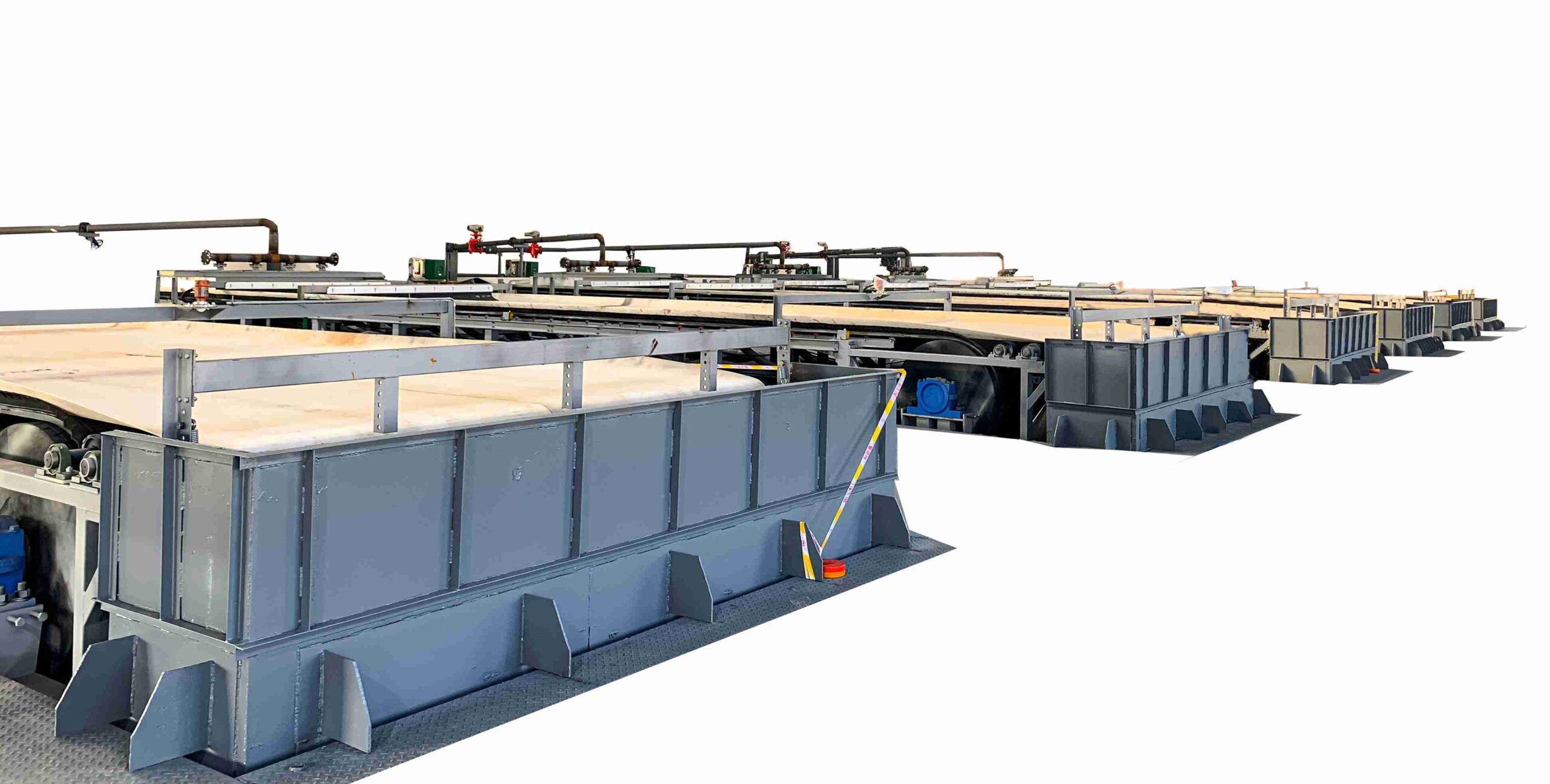
Belt filters are a strategic solution for sustainable growth within increasingly strict environmental legislation. Our fixed vacuum box and continuous rubber belt are driven by a motor along the vacuum box. This way industries can produce in a cleaner way and fulfill their ecological responsibility by choosing ecological solutions.
FAQs
Q1: How do belt filters differ from other types of industrial filtration systems?
Belt filters are continuously operating filters. As opposed to plate presses which are of a batch type of design, belt filters utilize a moving filter cloth to remove solids from liquid in very large volume dewatering applications.
Q2: What factors should be considered when selecting a belt filter for eco-friendly applications?
Compatibility of Material/Process Fluids, Automation Capabilities to optimize control accuracy, Energy Consumption Profile, and ability to handle changing Environment Regulatory Requirements.
Q3: How can regular maintenance improve the sustainability performance of belt filters?
Scheduled maintenance of filters is carried out to ensure that the required level of filtration is maintained and that the risk of leakage or damage to the surrounding environment is eliminated. It also extends the life of plant and minimizes the amount of material required to operate the facility throughout its life.