 English
  Russian
  Spanish
 Mining slurry dewatering equipment must be chosen based on the actual material you process. You should not pick a machine just by looking at the filtration area or the advertised capacity. Two slurries might have the same solids concentration. However, they can act in totally different ways. This happens because of variations in particle size, mineral makeup, and viscosity. Cake compressibility, abrasiveness, and chemical traits also play huge roles. You need to match these exact properties with the right machine. Options include a belt filter, a ceramic filter, a tower filter press, or a thickener. Making the right match boosts water recovery and improves cake handling. It also ensures steady operation and helps downstream steps run smoothly.
Which Material Properties Should Be Checked First?
Picking the right equipment starts with good slurry data. Lab tests and filtration trials are very helpful. They are especially vital if your material has tiny particles or clay. You also need them for corrosive chemicals or solids that build a sticky cake.
How Do Particle Size and Solids Concentration Affect Filtration?
Larger particles usually build a more open cake. This means liquid flows through the gaps between particles quite easily. On the other hand, tiny particles form much smaller flow paths. This can slow down the filtration process. It might lengthen the cycle time. Also, it can cause cloudy filtrate when the cake first starts to form.
Looking at the full particle-size distribution gives you better clues than just one average number. A slurry might look quite coarse overall. Yet, it could still hold enough ultrafine dust to clog the filter media. This fine dust can also ruin the cake’s ability to let water pass.
The concentration of feed solids changes how the equipment works, too. A thin slurry forces the filter to take out a lot more water. It must do this just to yield the same amount of dry solids. Thickening the feed first is a smart move. It lowers the water load on the main dewatering machine. This step helps boost the whole plant’s output.
Why Do Compressibility and Stickiness Matter?
Some mining slurries build a solid, open cake. This type of cake drops off the filter medium with no trouble. Other materials pack down into a tight layer when pressure goes up. This tight layer blocks liquid flow and makes the dewatering cycle take much longer.
Tailings full of clay and some metal residues can be tricky. They often stick fast to filter cloth or ceramic plates. When the cake does not drop off well, it messes up automatic running. It also forces you to clean the machine more often. In these situations, buyers need to look closely at cake thickness and pressure during tests. They must also check filter-medium choices and how the cake falls off. Do not just look at the final moisture number.
How Do Chemistry and Temperature Influence Equipment Choice?
The slurry’s pH, dissolved salts, and added chemicals matter a lot. Temperature and mineral types also affect the machine. These factors impact the filter cloth, ceramic plates, seals, pipes, and pumps. They even affect the main structural metals. Rough solids can speed up wear and tear. Meanwhile, highly acidic or alkaline liquids demand special parts that resist rust and damage.
Buyers must give the supplier all the chemical details. A material might do great in a quick test at room temperature. However, it could act completely differently at the real heat level inside the plant.
Which Filter Type Matches Different Slurry Behaviors?
Every dewatering method uses distinct pressure setups and running cycles. Finding the right fit depends on your needed output and how the particles act. It also relies on your moisture goals, washing needs, and the power sources you have. Finally, you must think about how you will move the finished cake.
When Is a Belt Filter a Practical Choice?
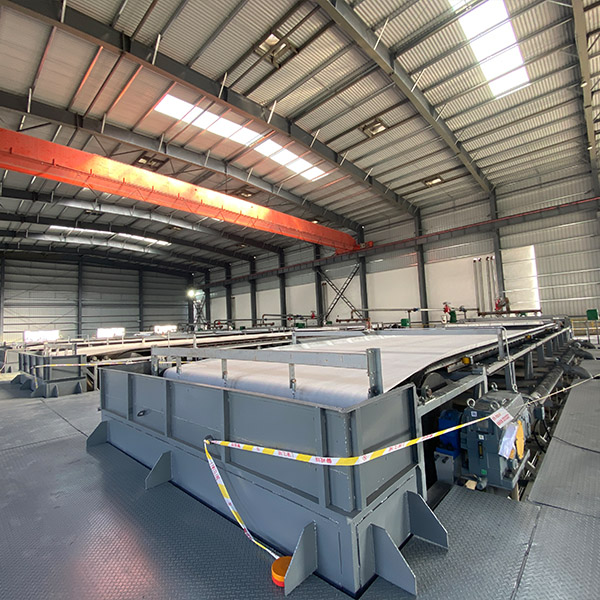
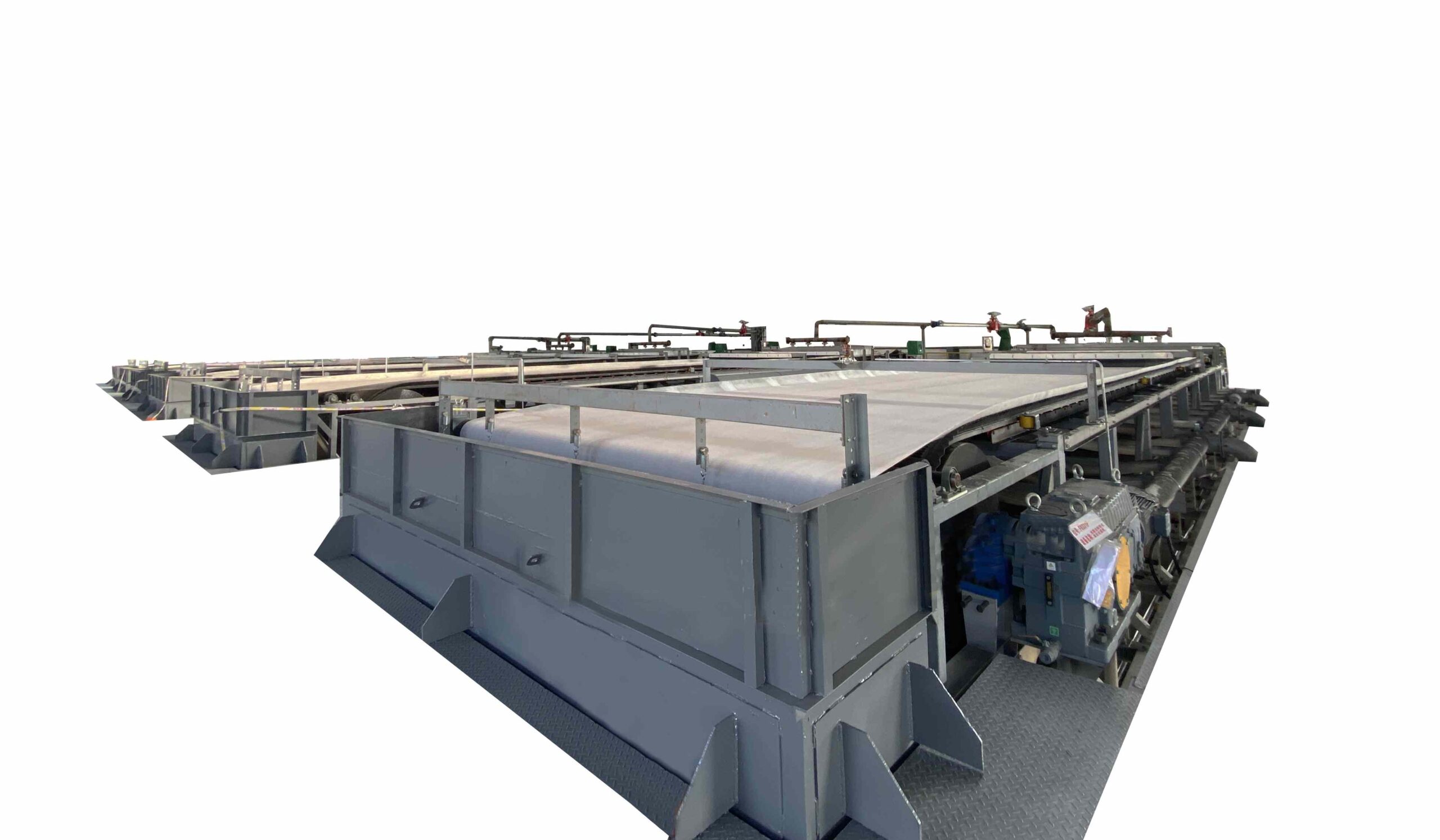
A horizontal vacuum belt filter is a smart choice for many plants. It works well when you need non-stop action and steady handling of a big slurry flow. The machine spreads the slurry over a moving filter cloth. Then, a vacuum pulls the liquid down through the cloth. This leaves the solid bits behind as a cake.
The BF belt filter from Hexin does many jobs at once. It handles constant feeding, filtering, and cake washing. It also does the drying, discharging, and cleaning of the filter cloth. Its modular build lets you set up different washing and liquid-collection zones.
A belt filter is great when the cake builds up fast and falls off easily. It is also very handy if washing the cake is a key step for you. But, if you have super fine or very squishy solids, things get tough. You might need a huge filtration area. Or, you might have to pick a different machine to hit strict moisture goals.
When Should a Ceramic Filter Be Considered?
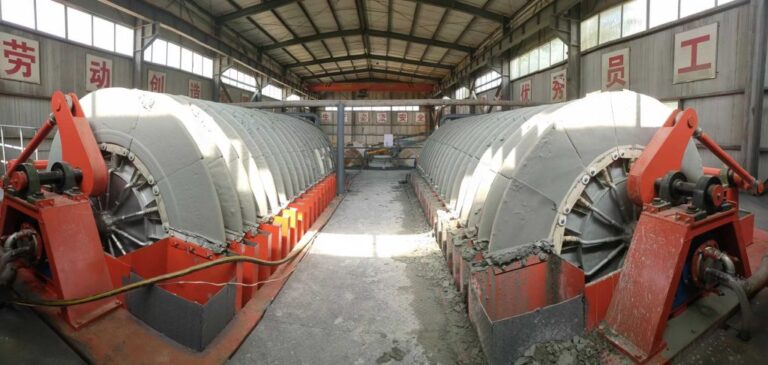
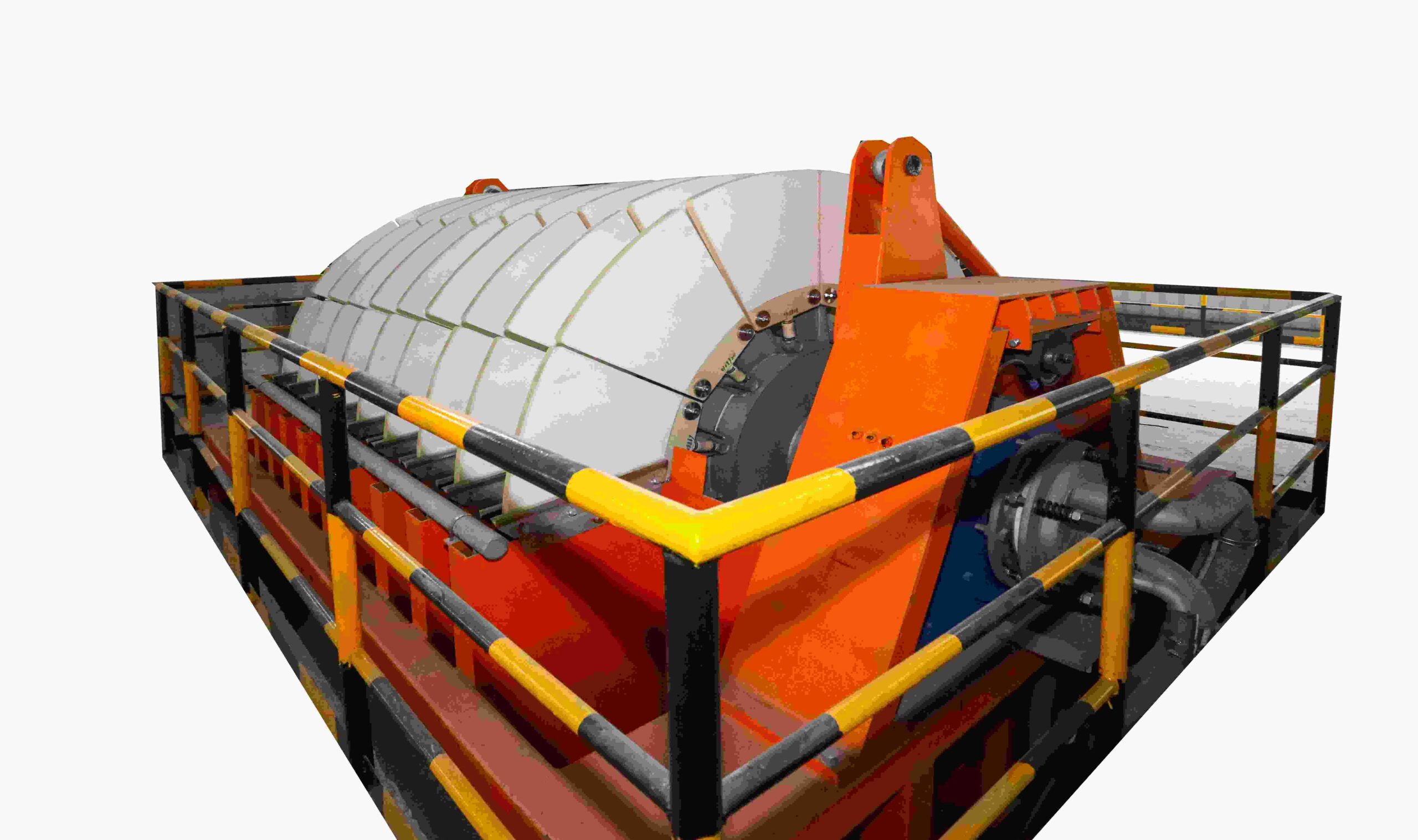
A ceramic filter runs on vacuum pressure. It uses the tiny, natural pores in ceramic plates to pull liquid. The liquid gets sucked through the plate. The solid bits stay stuck on the outside surface.
People often look at this machine for fine mineral concentrates and tailings. It shines when you need clear liquid, non-stop running, and low power use. Hexin points out many uses for its DF ceramic filter. These include handling iron, non-ferrous metals, and rare metals. It also works for non-metallic concentrates, tailings, dirty sludge, and waste-acid cleanup.
How well a ceramic filter works still depends on several things. Particle size, solids thickness, and mineral types are key. How you clean the plates matters too. If a material clogs the ceramic pores fast or makes a cake that will not fall off, you must test it very carefully.
When Is a Tower Filter Press More Suitable?
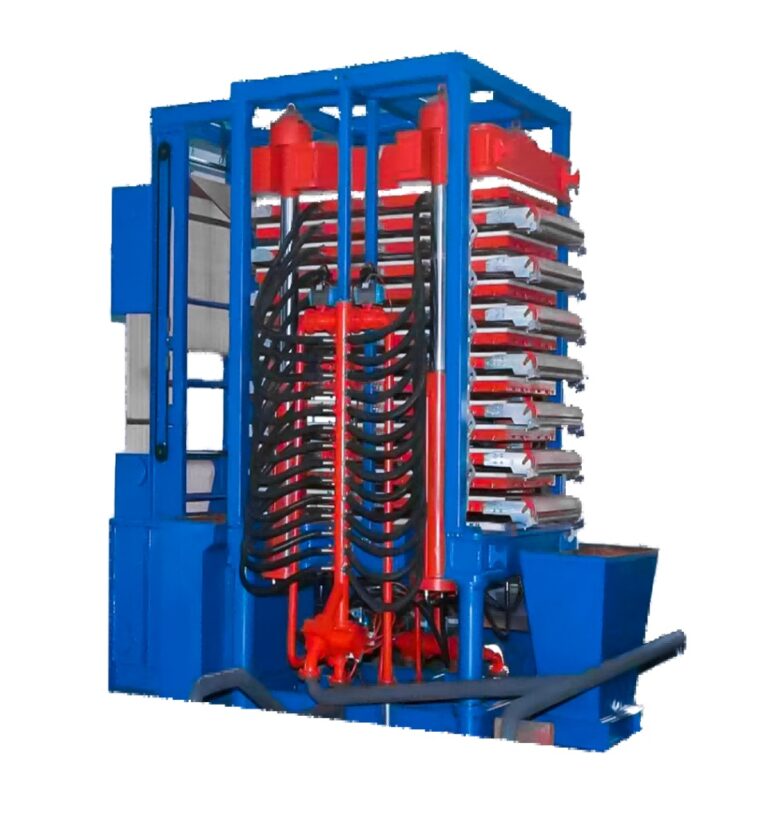
A vertical tower filter press pushes liquid through a filter cloth using strong pressure. It merges several steps into one tight cycle. It feeds the slurry, builds the cake, and squeezes it with a diaphragm. It also washes, air-dries, drops the cake automatically, and cleans the cloth.
Plants often check out this equipment for tough jobs. It is ideal if you need very low cake moisture and strong cake washing. It is also good for keeping different liquid streams apart or for running fully automated batches. Hexin built the TFP tower filter as a smart, pressure-driven system. It separates industrial solids from liquids very well.
A tower press can be a great match for fine concentrates and metal leftovers. It also handles stubborn tailings well. Still, you must run tests to be sure. Chasing the absolute lowest moisture is not always smart for your budget. Extra squeezing and drying take more time and burn more power.
Where Does a Thickener Fit into the Process?
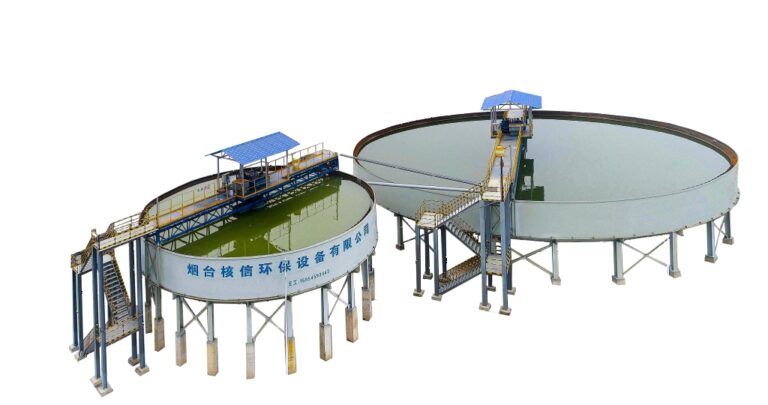
A thickener usually sits before the main filter. It does not replace the filter. Instead, it lets the heavy solids sink to the bottom. This creates a much thicker mix to send to the dewatering machine.
Sending a steady, thick mix from the thickener helps a lot. It cuts down the extra water going to the filter. This keeps the filter running smoothly. Hexin makes the NGZ high-efficiency thickener. It features a center drive and a smart, automatic rake. It is built for mining, metal processing, tailings work, and green engineering tasks.
If a plant gets a slurry that changes constantly, it needs a good setup. Having both a solid thickener and a strong final filter keeps production safe and steady.
How Should Buyers Compare Dewatering Performance?
You must judge a supplier’s offer based on what your plant truly needs. A machine might process a lot of tons quickly. However, high speed does not promise good cake moisture, clear liquid, or cheap running costs.
Which Performance Targets Matter Most?
Buyers need to spell out their exact needs. State the dry-solids output you want and the cake moisture you can accept. You also need to list your goals for liquid clarity, washing power, and how the cake drops. Tell them your daily running hours. Also, think about the cake’s next step. Will you move it, stack it dry, mix it, heat it, or send it back into the plant?
Power and water use are huge factors. Vacuum filters need a strong vacuum setup. Tower filters need high feed pressure. They might also need compressed air or special press water. Every system needs clean water to wash itself. The smartest way to compare is to look at the total cost to process one ton of dry solids. Do not just look at the size of the main motor.
Why Are Laboratory or Pilot Tests Necessary?
A proper filtration test reveals many secrets. It shows how fast the cake builds and how quickly the liquid flows. It tells you the final moisture and how well the cake falls off. It also checks washing success and how the filter cloth holds up. Testing different setups helps you spot value. It shows if adding more pressure or drying time is truly worth the extra money.
The test sample must match your daily slurry perfectly. If your mine digs up several kinds of ore, you might need to test every major type of slurry you make.
What Should Be Included in a Buyer Checklist?
Sending a detailed request helps the equipment maker a lot. It lets them cut out bad options and build a solid, trustworthy plan for you.
What Process Information Should Buyers Provide?
Your request must list where the slurry comes from and the hourly flow rate. Include the solids thickness, particle sizes, weight, and stickiness. Add the temperature, pH level, and chemical details. Buyers must also point out if the stuff is rough, rusty, sticky, or squishy.
You should also list your moisture goals and liquid quality needs. Add your washing tasks, daily work hours, and the water you have ready. Tell them about your power supply, air pressure, and the floor space you can use.
Which Equipment and Service Details Should Be Confirmed?
Before you buy, check the building materials and filter media. Look at the smart controls, pumps, valves, and pipes. Check the safety gear, walkways, spare parts, and room for repairs. The offer must clearly state who installs the machine and who starts it up. It should also cover worker training, warranty rules, manuals, and help after the sale.
Why Choose Yantai Hexin Environmental Protection Equipment Co., Ltd.?
Picking a machine is much simpler when the maker can show you several choices. It is better than dealing with a supplier who only pushes one type of filter.
What Makes Hexin a Reliable Solid-Liquid Separation Equipment Supplier?
Yantai Hexin Environmental Protection Equipment Co., Ltd. focuses deeply on filter technology. They research, build, and sell these machines. The company has worked in the filter world for over 20 years. They back this up with strong teams in research, sales, quality checking, and customer support.
Their lineup is broad. It features BF belt filters, DF ceramic filters, and TFP tower filters. They also make NGZ high-efficiency thickeners and supply spare parts. They even offer full EPC project services. This wide range lets clients talk about single machines or a complete dewatering plan. The plan is always built around your exact slurry and your output goals.
What Is the Final Selection Principle?
The finest mining slurry dewatering equipment is the one that perfectly handles your material’s true nature. Belt filters are great for non-stop, heavy work. Ceramic filters handle many fine concentrates and tailings very well. Tower filter presses hit strict moisture and washing targets. Thickeners get the feed ready and steady before the final filter takes over.
Buyers must make their choice using real test results and honest production goals. You must also look at power limits, cake moving plans, repair needs, and the total cost to run the plant. Picking a machine based on hard slurry data is much safer. It is far better than just buying the biggest filter area or the cheapest price tag.
FAQs
Can One Filter Type Handle Every Mining Slurry?
No. Slurries change a lot. They have different particle sizes, minerals, and thickness. They also squeeze and react to chemicals in unique ways. A filter that rocks at handling rough concentrates might fail completely with sticky clay tailings.
Is the Lowest Cake Moisture Always the Best Target?
Not always. Getting the moisture super low might save money on hauling or baking the cake. However, reaching that low point often takes a longer cycle and burns more power. Your target must match what the next step in your plant actually needs.
What Should I Send Hexin for Equipment Selection?
Send them solid data about your slurry. Include the dry-solids output you need and your moisture goals. Mention your liquid clarity needs, washing tasks, and the power and water you have. Add your work schedule and floor space. If you can, send a real sample of the slurry too.