 English
  Russian
  Spanish
 In an environment where the global mining and mineral processing industry is pressurized to maximize water recovery, minimize the risks associated with the disposal of tailings and reduce costs of operation, Thickening technology has become a cornerstone of effective Tailings Management. Traditional Thickeners, which have historically been used for slurry thickening and for the solid-liquid separation, are not able to deal with the increasing demands of high-capacity operation, of automation and of effective plant integration.
Next-generation thickeners, such as NGZ high efficiency thickeners, have become a focus of industries including mining, metallurgy, chemical processing and wastewater treatment. These state-of-the-art thickeners are provided with intelligent control system, optimized tank design and highly efficient rake system, significantly increasing underflow density and overflow clarity, and increasing efficiency and reliability of operation.
When looking for a sustainable and cost effective solution for tailings management, plant operators will need to become familiar with differences between NGZ high efficiency thickeners and the conventional thickening options available in the market. Main differences are related to water recycling capabilities, control system automation compatibility as well as ease of maintenance.
NGZ high efficiency thickeners versus traditional thickening systems – which offers the better solution for efficient tailings management?
What Are the Core Differences Between NGZ High Efficiency Thickeners and Traditional Thickeners?
Before moving on to the measurement of the performance of the thickeners it is important to describe the basic differences in terms of construction and operation between the different types of thickeners.
Design and Structural Composition
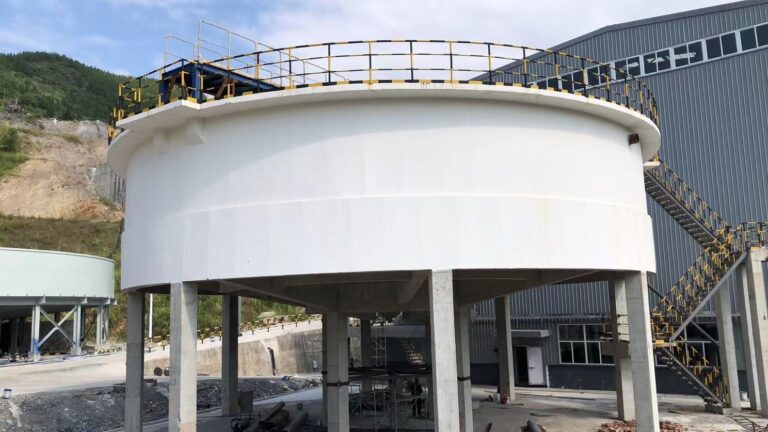
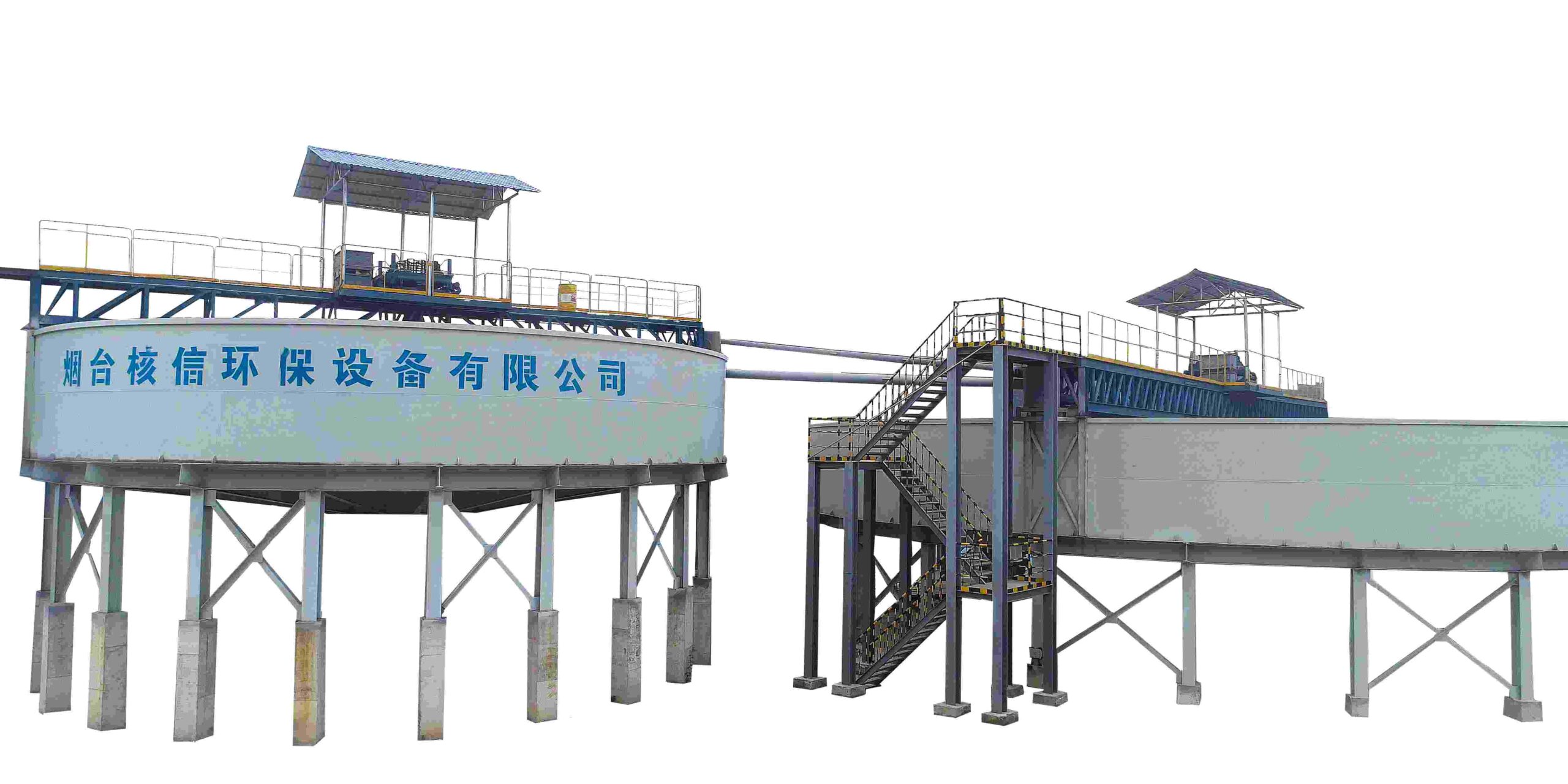
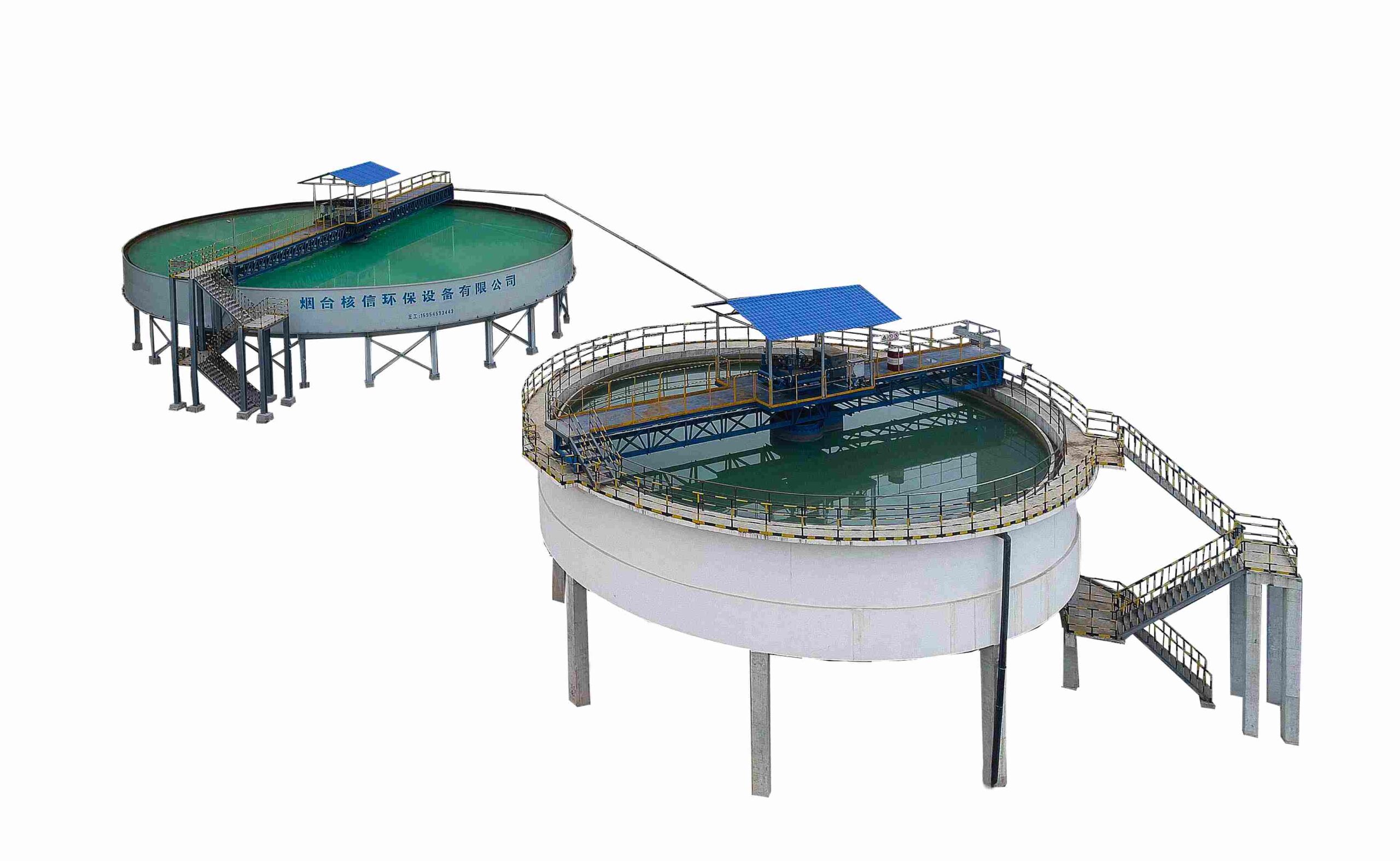
The new type of thickener our company has been developing with the imported technology features the central drive and the automatic rake. The NGZ type high efficiency thickener differs from the ordinary thickeners which are provided with the simple rake arms and the basic tank shape. The pool of the NGZ type thickener is a circular type. It is provided with the variable slope bottom or the deep cone bottom. The structure enables the high compression and the solids are moved to the center quickly. The concentration efficiency of the thickener is 3 to 8 times higher than that of the ordinary thickeners.
The NGZ Thickener is equipped with scraper blades that are distributed on a logarithmic spiral. This efficient design ensures solid-liquid separation while at the same time keeping the losses to a minimum. In comparison to traditional thickening technology, NGZ’s design allows for efficient separation and perfect running of the thickener even at highest loads. Traditional thickeners are often affected by strong flocculation zones and a low efficieny of the settling process, caused by the inferior geometry of the traditional thickening tank.
Operating Principles and Process Control
NGZ Thickeners are controlled by a PLC (Programmable Logic Controller). Many advanced features are integrated in the control system of the NGZ thickener. Examples of these features are: overload alarms, automatic rake lift adjustment, overload protection, oil temperature control, pressure self test, remote emergency stop and password protection. The system continuously monitors parameters such as torque, feed density and overflow clarity. These parameters are automatically adjusted to optimal values.
Traditional thickeners rely on continuous monitoring by operators and manual adjustment as required. In contrast, by virtue of its automation, NGZ thickening units constantly maintain a consistent underflow slurry concentration, even when varying amounts of feed slurry are introduced to the unit. This significantly reduces the potential for human error, and maximizes thickening process reliability.
How Does Each Thickener Perform in Terms of Capacity and Efficiency?
In the evaluation of the performance of a tailings management system three parameters are of importance: Throughput, energy consumption and water recovery.
Throughput Capacity and Processing Speed
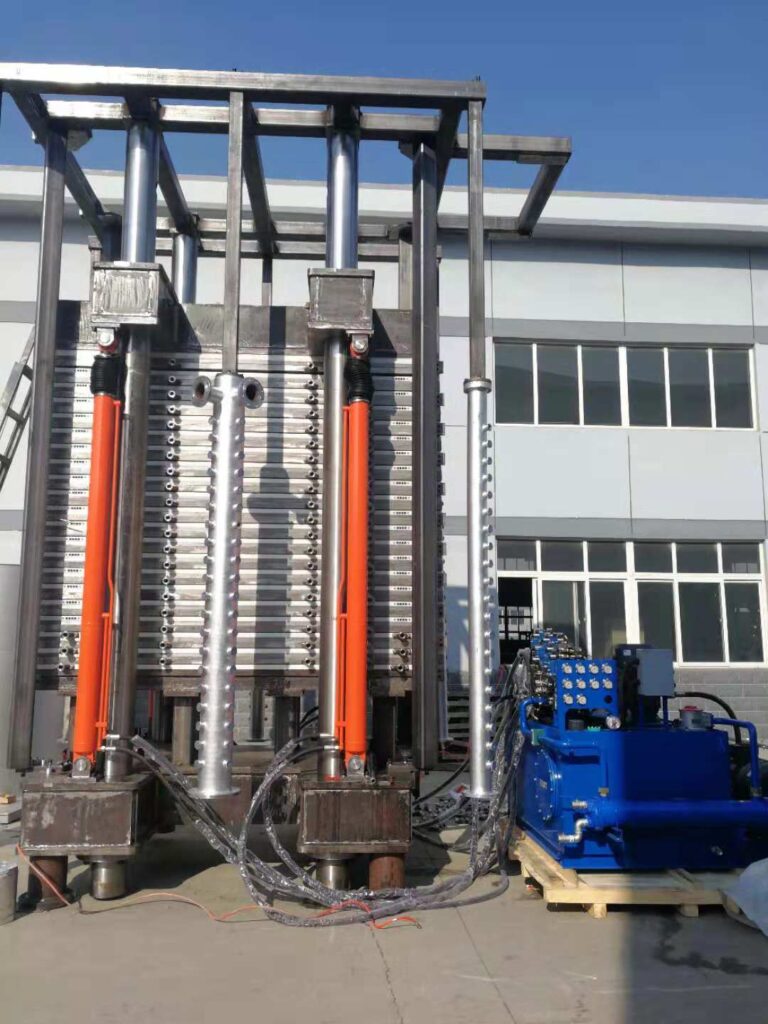
The NGZ high efficiency thickener is designed to handle higher input than comparable models without compromising on clarity or solids. The drive is by multi-hydraulic motor via the central rotary support and the outer gear ring, all synchronized to provide maximum processing efficiency whilst ensuring that adequate torque is transferred to all areas of the rake.
The NGZ design addresses bottlenecks encountered with traditional thickeners when treating fine or high volume slurry streams. By providing increased control of turbulence within the tank, the NGZ model minimizes the effects of short-circuiting thereby increasing the effective throughput per tank surface area.
Energy Consumption and Operational Cost Efficiency
Modern designs also provide energy-optimized performance compared to traditional scraper conveyors. On NGZ scraper conveyor models, the continuous operation is carried out at low torque to save power. In the process, the hydraulic oil is supplied to the rake cylinder. As required, the scraper is lifted from the scraper conveyor belt as resistance increases. If the drive pressure exceeds set limits, the thickener automatically stops and sends an alarm signal. The intelligent load management prevents avoidable energy consumption and protects the machine components from possible overload.
Energy use per ton of processed solids in conventional units is typically higher than in NGZ units due to the absence of adaptive load control. The design of NGZ units also results in efficient mechanical operation, thereby lowering wear and tear on moving parts over time.
In What Ways Do These Thickeners Influence Tailings Management Quality?
The management of tailings is determined by the percent solids that are produced, the percent of water that is recovered and by the degree of compliance to environmental regulations, all of which are determined by thickener performance.
Solid Content in Underflow Discharge
NGZ high efficiency thickeners achieve the best possible solids concentration in a stable thickening environment that develops uniform flocculation zones within the feedwell. Underflow solids concentrations are in the order of 60–70% and are easily managed for downstream filtration or paste backfill applications.
Underflow densities of traditional designs are not stable enough with varying feed conditions, because there is no automatically adjustable torque and an optimum settling design is not realized.
Water Recovery Rate and Environmental Impact
Water recovery in tailings management is a critical component to sustainability. By effective flocculation the NGZ units generate a clear overflow that can be recovered and put back into the process as water for recirculation thus greatly reducing the amount of fresh water required at a mining site to operate as process water.
Enhanced water recycling is consistent with global sustainability goals by reducing the volume of tailings pond water and preventing environmental damage from suspended solids discharges, an area where conventional systems are failing due to the inefficiencies of the solid/liquid separation process.
How Does Maintenance Compare Between the Two Thickener Types?
The frequency of maintenance, accessibility for maintenance and the durability of the components are key factors which determine the long-term operational reliability.
Durability of Mechanical Components
Yantai Hexin Environmental Protection Equipment Co., Ltd. produces NGZ thickeners according to country, industry and company standards and on basis of advanced technology abroad. By strictly adhering to these standards NGZ thickeners are manufactured with the best construction quality. The used corrosion-resistant materials guarantee a high useful life of the thickener, even with abrasive slurry.
Sealed gearboxes are designed to prevent slurry contamination. A common area for failure in traditional designs is slurry ingress. Sealed gearboxes increase reliability by allowing continued operation over extended periods.
Ease of Inspection and Service Operations
Fast maintenance access is critical in modern industrial plants that are always in operation. So, before the equipment is delivered by us, 3 different kinds of inspections are performed. The material used is checked, the processing of parts is checked and a pre-shipment inspection of the complete machine is performed. This way we can ensure that every machine is delivered to our customers in perfect condition and in accordance with our high quality standards.
Modular NGZ models are designed for easy service, allowing work on key assemblies without the need for complete shutdowns. The integrated monitoring and control system can be used for scheduling predictive maintenance based on sensor readouts. In contrast to conventional units, where such work is done in painstaking detail during extended down time for simple inspection or repair, for example.
Why Is the NGZ High Efficiency Thickener a Preferred Choice for Modern Processing Plants?
There is a large increase in demand for sustainable production by using more advanced thickening technology, such as the NGZ series, in industries like mining, metallurgy, chemical processing and wastewater treatment.
Compatibility with Modern Plant Automation Systems
Thermodo is fully controllable in automatic, manual and remote mode and can be easily integrated into SCADA / DCS systems. This allows for real-time feedback and online adjustment of process parameters in dependence of the slurry. This makes Thermodo an ideal tool for the automation of smart plants in the process of digitalization of the corresponding control systems.
Contribution to Sustainable Operations and Cost Reduction Goals
Reducing the energy used in hydraulic drives to process material efficiently reduces the ton of carbon emissions produced per ton of processed material, a crucial sustainability metric to report. High percentages of water re-use also reduce waste generation whilst improving the margin in terms of profit of re-use of material as enabled by efficient thickeners, such as NGZ models.
Who Is Yantai Hexin Environmental Protection Equipment Co., Ltd.?
Yantai Hexin Environmental Protection Equipment Co., Ltd is a factory specialized in producing most advanced tailings dewatering solutions which include NGZ high efficiency thickener series etc. 20 years experience in developing and manufacturing filter equipment. After 20 years development, our company gained ISO9001 Quality Control System and rich engineering experiences. Hexin can design and supply ideal dewatering solutions in very large capacity, and at the same time meet the environmental protection requirement for customer. We serve all kinds of industries such as mining and hydrometallurgy etc..
Conclusion: Which Thickener Offers Superior Tailings Management Performance?
There are several thickening technologies available – both traditional and modern – with advantages of their own. Our experience however confirms that NGZ high efficiency thickeners, above all, offer the highest added value in terms of output, automation, energy, maintenance and environment. Upgrading a tailings handling facility in an optimal manner and in compliance with stricter environmental standards today, is only possible by opting for a more advanced type of thickener, such as the NGZ thickener in order to guarantee a proper and sustainable plant operation in the long term.
FAQs About High Efficiency Thickeners
1. What makes a high efficiency thickener different from a conventional one?
High efficiency thickeners are designed with the best possible tank configuration, a number of innovations for the rake system and a number of automated control systems. Compared to the more traditional thickeners, they achieve the best possible solid-liquid separation.
2. Can an existing traditional thickener be upgraded to an NGZ-type system?
In most cases a retrofit is possible by modifying the drive or by installing a better feedwell. In some cases however a complete replacement is cost effective due to the restrictions of the plant layout.
3. How does an NGZ thickener improve water recovery rates?
The design effectively promotes flocculation and results in a clear effluent stream which can be returned to the process for reuse in closed-loop processing.
4. What industries benefit most from using high efficiency thickeners?
Fine tailings from mining operations as well as chemical manufacturing plants benefit from increased efficiency in slurry separation and clarification.
5. How can Yantai Hexin support clients implementing new thickening systems?
Yantai Hexin is able to offer technical advice coupled with design that can be adapted to meet customer’s existing process facilities. After-sales service is also very important and is carried out to highest standards as verified by our company’s ISO approved quality assurance procedures.