 English
  Russian
  Spanish
 Combining the power of high-volume solid-liquid separation with precision filtering of fine particles, hybrid systems that use belt filters in combination with ceramic filters are revolutionizing the technology. Meeting a number of needs of the industrial user – operational needs, environmental concerns and cost considerations – the technology is evolving.
Key Industrial Challenges in Solid-Liquid Separation
As industries around the world are trying to increase the filtration efficiency and at the same time reduce the specific energy as well as the operating expenses, the filter cakes need to be dried to a lower moisture content. In the mining, metallurgical and chemical industries this is a particularly big challenge. The belt filter has been in operation for decades as a continuous filter for large amounts of slurry. However, especially for fine particles, it is not able to achieve the desired results. On the other hand, ceramic filters are able to produce filter cakes with a low moisture content, but they are not designed for higher throughputs. A hybrid system, which combines the properties of belt filters and of ceramic filters, would thus be the ideal solution to master the two challenges.
Continuity of operation is also an important consideration as the down time required for maintenance or media change out can be critical in terms of maintaining high levels of productivity. Hybrid systems are designed to distribute the filtration load between the various stages of dewatering and polishing. In the case of FLS KYLIN hybrid systems, the coarse pre-dewatering is achieved via a belt filter press with the subsequent fine polishing being achieved using ceramic filters. This type of system minimizes the potential for overloading individual pieces of equipment and therefore extends the useful life of each.
Environmental and Regulatory Motivations
As environmental standards are becoming more stringent, many industries are now forced to reduce waste water discharge and increase the percentage of water that is being recovered and reused. Hybrid filtration for sludge treatment is enhancing dewatering performance and reducing the amount of sludge that is being produced in order to support the industries’ environmental objectives and also the global sustainability objectives of protecting the environment through conservation of natural resources and reduction of emissions.
Hybrid systems in industry have a number of benefits. The main benefit for industries using hybrid systems is that they consume less freshwater than systems based on traditional filtration, because of greater reuse of the filtrate. Also, by combining the advantages of vacuum driven ceramic vacuum filtration with mechanical belt dewatering for example, energy use per unit of product can be reduced – an important consideration for reducing carbon footprint.
How Do Belt Filters and Ceramic Filters Complement Each Other?
Belt filters and ceramic filters are two different types of filters that have different functional characteristics but together can create a powerful and efficient system to handle a wide variety of industrial slurries. Each individual filter type brings unique strengths.
Functional Characteristics of Belt Filters
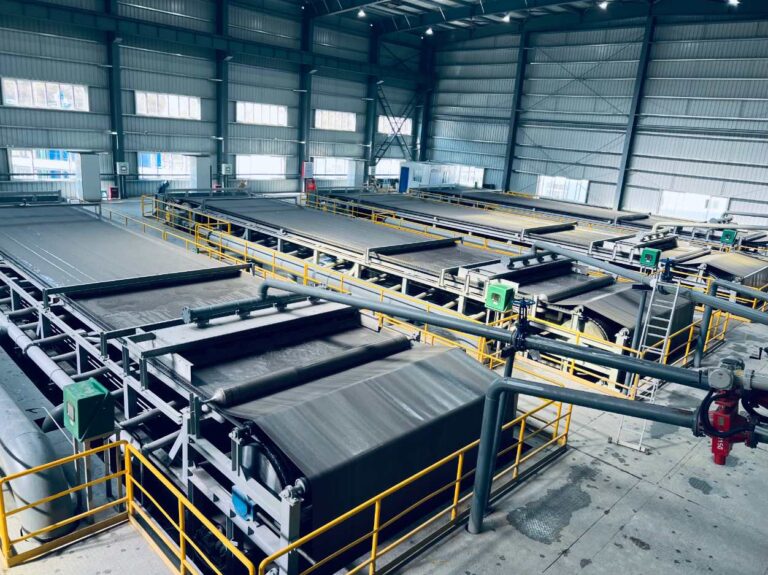
Horizontal vacuum filter is one of efficient types of solid-liquid separation equipment using filter cloth as medium, and material itself as primary force and vacuum as auxiliary force, by which the slurry can be continuously fed into filter chamber through high-pressure slurry pump, undergoing solid-liquid separation while large quantity of slurry can be processed in stable. This kind of machine is widely used in metallurgy, mining, petroleum and chemical industry, as well as pharmaceutical and environmental protection, to separate solid and liquid, such as de-watering gypsum in flue gas desulfurization, and treating tailings.
The dewatered materials have low moisture content, facilitating subsequent processing or transportation. Its modular design provides flexible assembly options suitable for different plant layouts. Furthermore, the filter fabric and the rubber belt runs synchronously which can achieve the function of feeding, filtering, washing, drying and filter cloth regeneration continuously. Such automation reduces manual intervention while ensuring stable performance even under varying process conditions.
Performance Attributes of Ceramic Filters
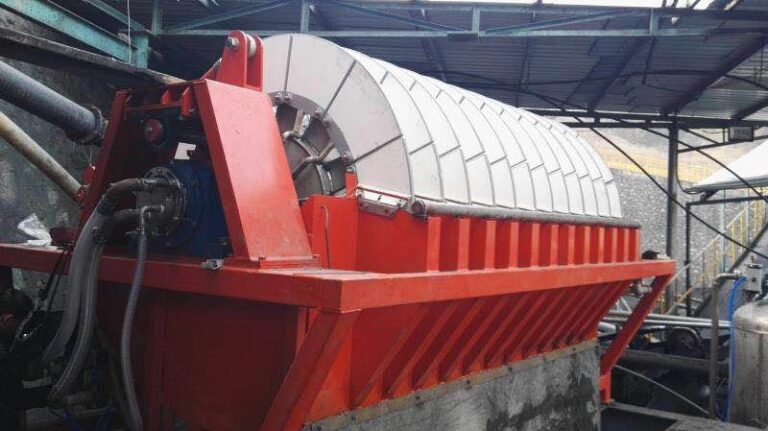
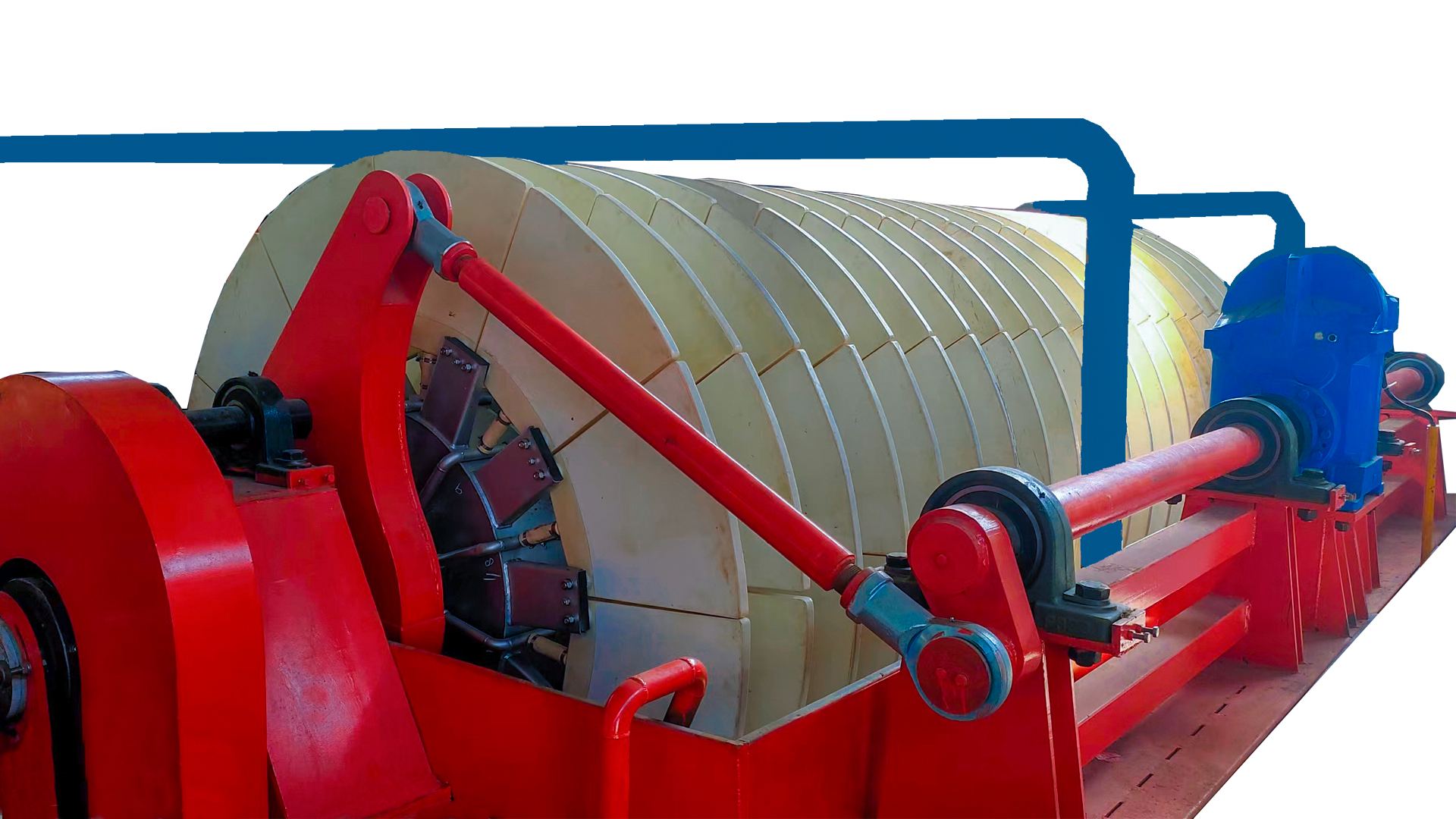
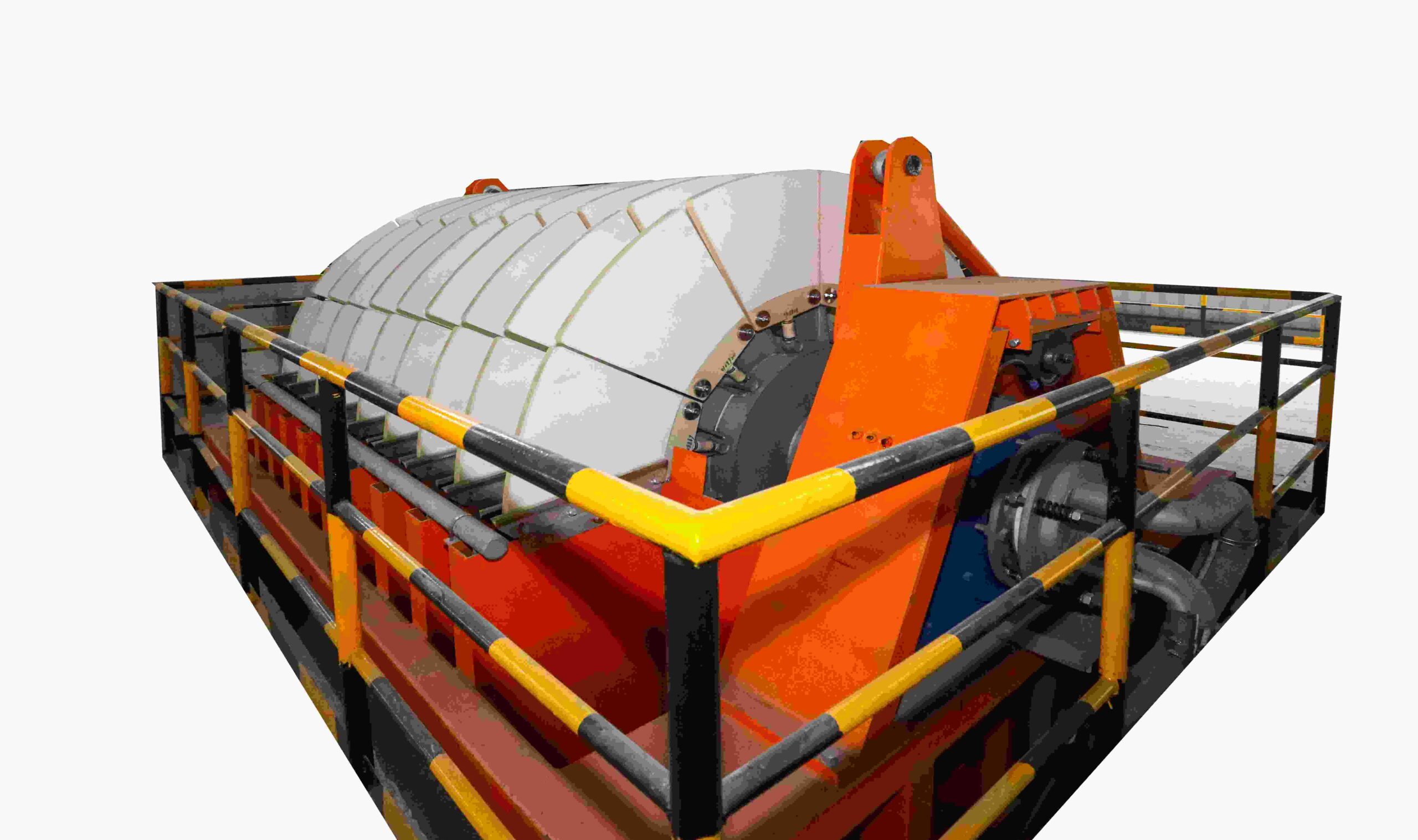
The ceramic filter is a solid-liquid separation equipment that uses vacuum as well as the filter plate’s capillary action to separate the solid and liquid. The filter is especially suited for fine particles separation, by means of micro-porous ceramic plates which deliver the highest possible filtrate clarity. Due to low energy and operating costs (vacuum loss kept to a minimum), low moisture content of the filter cake and low solid content of the filtrate, the ceramic filter is very suitable for final stage dewatering where high purity of the product is required.
In addition to the outstanding precision performance of the ceramic filter it is highly automated, has a compact design and requires very little space. The backwash procedure ensures a long lifetime of the filter, as it keeps the pores clean with every cleaning cycle.
Synergistic Advantages of Hybrid Configurations
When combined into a hybrid setup, belt filters handle coarse solids efficiently while ceramic filters refine the output by capturing finer particles. This staged approach optimizes both throughput capacity and filtrate quality. The belt stage acts as a pre-dewatering unit that reduces slurry load before it enters the ceramic module—resulting in lower vacuum demand and extended lifespan for both systems.
This integration of different functions also enhances the automation potential, as the control systems for the belt speed and the vacuum are synchronized. As a result, high clarity is achieved and the overall energy consumption is reduced in comparison with the total energy consumption of the entire system.
What Are the Core Benefits of Implementing Hybrid Filtration?
Hybrid filtration systems offer advantages across four criteria: efficiency, economics, energy use, and sustainability.
Operational Efficiency Gains
Filter media can be used in a far more efficient manner in hybrid configurations in terms of increasing the throughput without decreasing the clarity or dryness. By load balancing the belt and ceramic stages the wear and tear on individual parts is minimized and as such the filter media will require less replacement. Integrated control systems are used to monitor in real time the feed rate, the pressure differential and the thickness of the cake to name but a few parameters in order to guarantee the highest possible quality of output even when dealing with variable feedstock.
Economic and Energy Considerations
A Hybrid filter configuration uses mechanical dewatering from belt filters and vacuum drying from ceramics to minimize the total energy used, in comparison to standard filter alone. By distributing the work throughout the various stages, the life of all related equipment increases significantly. With the aid of predictive diagnostics the best time for maintenance can be scheduled thus enabling minimum down time and extended maintenance intervals.
Environmental Protection Impact
Hybrid filtration supports the protection of the environment by increasing the water recovery rate, thus reducing the demand for fresh water in industrial applications. In addition, Hybrid filtration also minimizes the amount of sludge that requires to be disposed of and, once recovered, the filtrates can be re-used or discharged safely within stipulated limits. This represents a truly circular use of resources.
These improvements are in line with global sustainability goals to reduce waste and to decrease the Greenhouse gases emission from manufacturing processes around the world.
How Can Industries Integrate Hybrid Filtration into Existing Processes?
Hybrid filtration systems require careful planning to ensure that the new system is compatible with existing treatment infrastructure and that individual components are compatible with each other.
Assessment of Process Requirements
A preliminary assessment should evaluate slurry characteristics including particle size distribution, viscosity levels, target moisture content after dewatering, and expected throughput rates. Identifying current bottlenecks such as excessive cake moisture or inconsistent filtrate quality helps determine where hybrid integration will yield maximum benefits.
System Design Considerations for Integration
A typical application would be to position a belt filter in front of a ceramic filter for pre-dewatering and polishing respectively. By synchronizing the mechanical movement of the belts with the vacuum control of the ceramics a seamless transition between the two dewatering stages is possible. All modern dewatering equipment is equipped with monitoring tools equipped with sensors to track performance indicators like pressure drop or vacuum stability. This information can be used for online optimization.
Implementation Strategies for Long-Term Reliability
Pilot scale testing of process parameters prior to full scale start up helps to mitigate risk during the commissioning phase. Training of operators on the management of the dual system for filtration of liquids provides good understanding of the interdependent controls for both filtration modes. The Predictive maintenance program using sensor-based diagnostics for analysis of anomalies enables stable long-term operation under hardest industrial conditions.
Why Choose Yantai Hexin Environmental Protection Equipment Co., Ltd as a Supplier?
Yantai Hexin Environmental Protection Equipment Co., Ltd is a leading environmental equipment manufacturer in China, specializing in designing, manufacturing and supplying the highest quality belt filters, ceramic filters, as well as comprehensive hybrid solutions for global markets.
Expertise in Filtration Technology Development
We are a filter machine manufacturer with over 20 years of experience in making all sorts of filter equipment. All our management and engineers are qualified persons. We continue to improve the designs of our various models of equipment through R&D investment. This includes our BF series of belt filters as well as our DF Ceramic Filters.
Products manufactured with world advanced process machines guarantee highest accuracy and quality. All components are checked according to the company’s quality control system which is ISO9001 certified. By checking all components before shipping off to clients worldwide, highest quality components are delivered to our clients all over the world.
Comprehensive Product Portfolio and Support Services
Hexin offers an extensive range encompassing customizable belt filters designed for large-scale slurry handling as well as precision-engineered ceramic disc filters optimized for fine particle recovery applications. Their technical support covers installation guidance, operator training programs, remote diagnostics assistance, and after-sales service packages ensuring consistent operational reliability throughout equipment lifecycle.
Conclusion: Advancing Industrial Efficiency Through Hybrid Filtration Innovation
Hybrid filtration solutions are designed to be the next step in the development of solid-liquid separation technology. This innovative approach combines robust mechanical design with the high accuracy of micro-filtration to deliver best-in-class performance for key metrics such as throughput, energy, environmental impact and cost. Industries around the world are under increasing pressure to find more sustainable solutions as regulations are increasingly tightened. As a leading supplier of high-performance solid-liquid separation technology, Yantai Hexin Environmental Protection Equipment Co., Ltd. designs and supplies integrated environment protection solutions on the basis of environment protection-driven design.
FAQs
What industries benefit most from hybrid filtration systems?
Mining, metallurgy, chemical processing, wastewater treatment and power plants dealing with flue gas desulfurization gypsum slurries, to name just a few industries, all rely on continued high-volume processing and precise solid-liquid separation.
How does hybrid filtration contribute to environmental protection?
Hybrid systems increase water recovery rate stepwise by increasing dewatering efficiency and by optimum drying in order to reduce sludge waste volumes whereas specific energy consumption per processed ton is reduced at the same time. Thus, hybrid systems enable a sustainable industrial processing in accordance with environment protection requirements nowadays.
Can existing plants retrofit hybrid filtration without major infrastructure changes?
Yes. Many existing facilities can utilize modular hybrid modules by retro-fitting into their existing process lines after assessment for compatibility. Minor changes to piping and/or automation control system synchronization are typically required and do not require major changes to the supporting structures and result in minimal down time for integration.