 English
  Russian
  Spanish
 Belt filters play a key role in today’s wastewater treatment setups. They work as ongoing mechanical tools that separate solids from liquids in an effective way. Their flexibility and steady performance make them essential for both city and factory wastewater handling tasks.
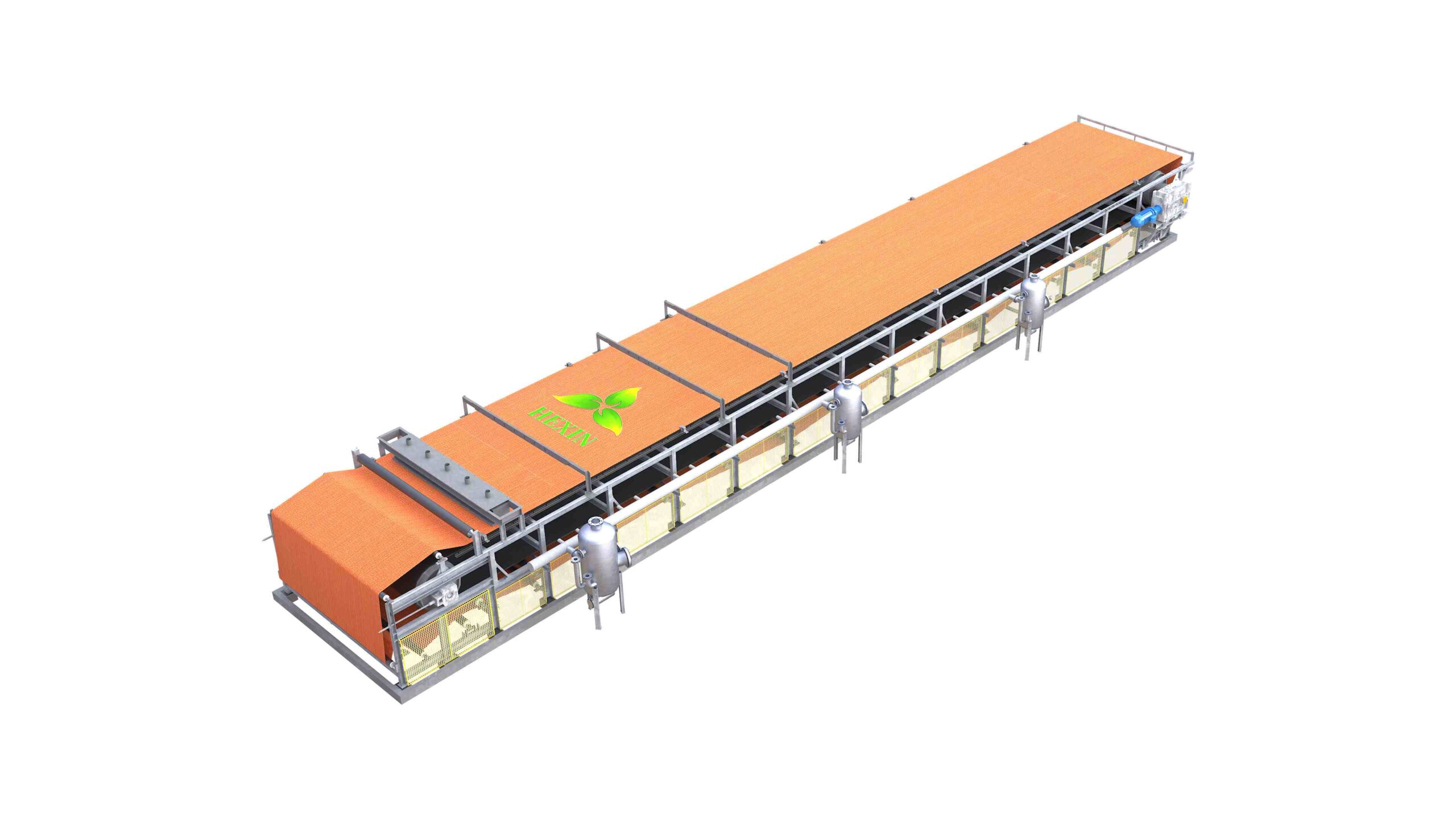
Core Functionality of Belt Filters
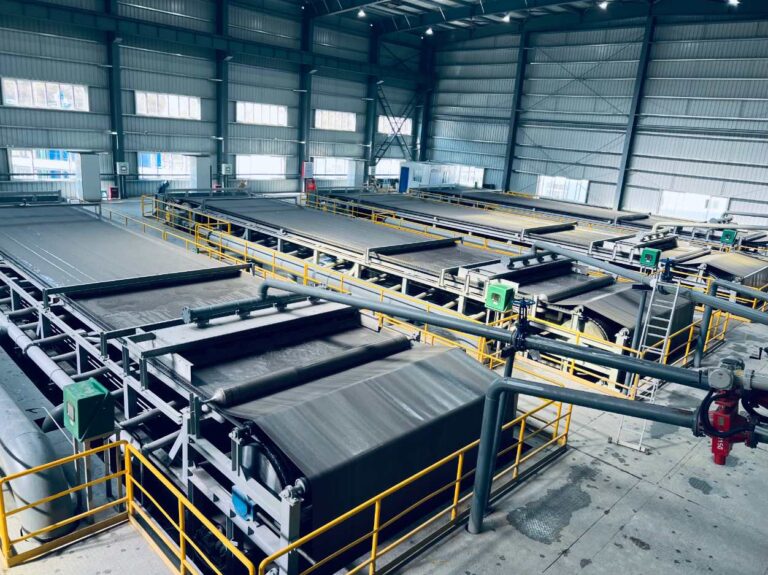
Belt filters run through a steady filtration method that uses a moving belt setup. The method combines gravity drainage with mechanical squeeze to reach good solid-liquid split. This cuts down sludge size and makes disposal easier.
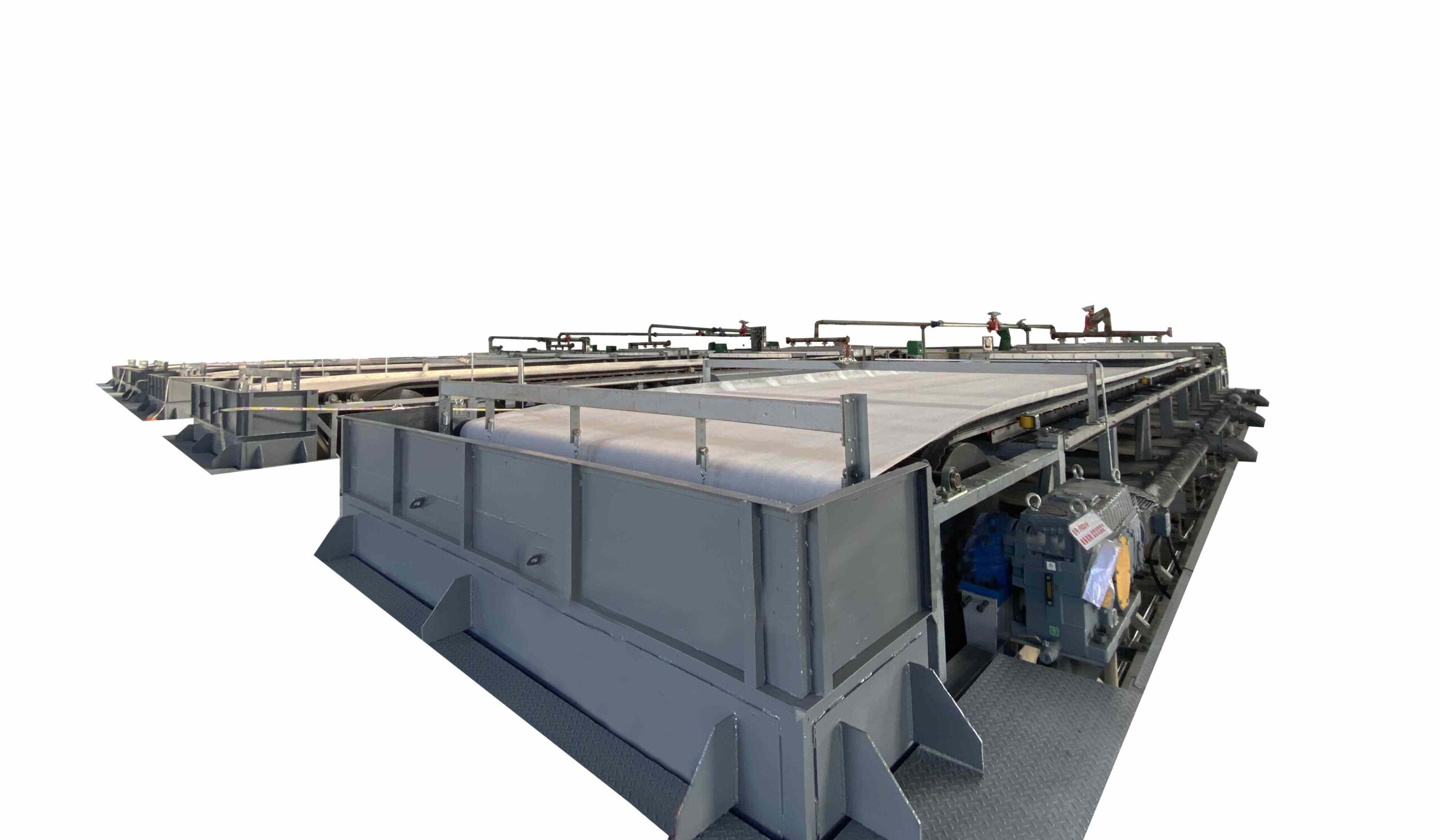
The horizontal vacuum filter stands as a strong solid-liquid split tool that uses filter cloth as the medium. It achieves split via the mix of material weight and vacuum pull. This approach lets the belt filter keep reliable work across different sludge types.
The dried materials show low water levels. This helps with later handling or moving. The matched motion of the filter fabric and rubber belt allows feeding, filtering, washing, drying, and cloth renewal all at once.
Applications Across Different Wastewater Systems
Belt filters find wide use in city wastewater plants for sludge drying. They also fill important spots in factory areas like food handling, mining, petrochemicals, and chemical making.
People use it a lot in fields such as metallurgy, mining, petrochemicals, chemicals, pharmaceuticals, and environmental care. Tasks include solid-liquid split, gypsum drying in flue gas desulfurization, and tailings care.
In wastewater treatment setups, belt filters can work at early and late stages. They boost overall process output and better the outflow quality.
How Do Belt Filters Enhance Environmental Sustainability?
Belt filters add much to environmental care by improving water recovery steps and cutting waste output. Their build lowers resource use. At the same time, it backs eco-friendly wastewater handling ways.
Reduction of Sludge Volume and Disposal Needs
Cutting sludge size ranks as one main eco-gain from belt filters. Less sludge means smaller transport needs and less reliance on landfills.
By shrinking the eco-mark from waste handling jobs, belt filters improve the lasting nature of wastewater systems. This fits with worldwide pushes to lower waste and boost circular economy habits.
Improved Water Recovery and Reuse Potential
Belt filters help make clear filtrate fit for reuse or safe release into natural waters. This saved water can join closed-loop factory systems. Thus, it cuts fresh water needs.
Their ability to aid water saving directly helps lasting factory work. In such places, water reuse matters a lot for lessening eco-harm.
Energy Efficiency and Operational Optimization
Ongoing work makes belt filters naturally power-saving over batch types like centrifuges or plate presses. Auto control setups cut human input needs. Yet, they keep steady work settings.
This fine-tuning leads to less power use. It also helps lower gas emissions that warm the planet. Such steps prove key for reaching no-carbon wastewater treatment aims.
Why Are Belt Filters Considered a Cost-Efficient Choice for Treatment Plants?
The money perks of belt filters go far past startup costs. Their lasting work output ensures steady results with little upkeep spending.
Lower Maintenance and Operational Costs
Belt filters have basic mechanical builds that cut upkeep times and stoppages. The choice of tough materials stretches gear life even in tough spots.
They need few chemicals unlike other drying techs such as centrifuges or vacuum drum filters. This drops both supply costs and eco-harm.
Scalability and Adaptability to Plant Requirements
The piece-by-piece build of new belt filters lets easy fit into current plant setups. Changeable belt paces allow workers to adjust output based on sludge makeup or flow needs.
Modular design, flexible assembling and convenient transportation. These traits make belt filters work well in small setups. They also suit big factory treatment plants that need high-output steady work.
How Do Belt Filters Contribute to Regulatory Compliance and Environmental Standards?
With tougher eco-rules around the world, belt filters offer solid fixes for meeting outflow rules. They also back lasting waste handling plans.
Enhanced Effluent Quality Control
By making filtrate with low solid bits, belt filters aid plants in following strict release rules set by watchdogs. Auto watch systems ensure steady quality checks during work. This lets exact tweaks when input conditions shift.
Support for Sustainable Waste Management Practices
Belt filter tech backs circular economy ideas. It does so by aiding resource pull from sludge like metals or nutrients. These can re-enter making cycles.
Such ways match global setups like ISO 14001 eco-handling systems. Industries adopt them to gain certs for lasting work.
What Makes Yantai Hexin Environmental Protection Equipment Co., Ltd a Reliable Belt Filter Supplier?
Yantai Hexin Environmental Protection Equipment Co., Ltd shines as a top maker focused on advanced solid-liquid split techs made for varied factory uses.
Company Expertise and Technological Strengths
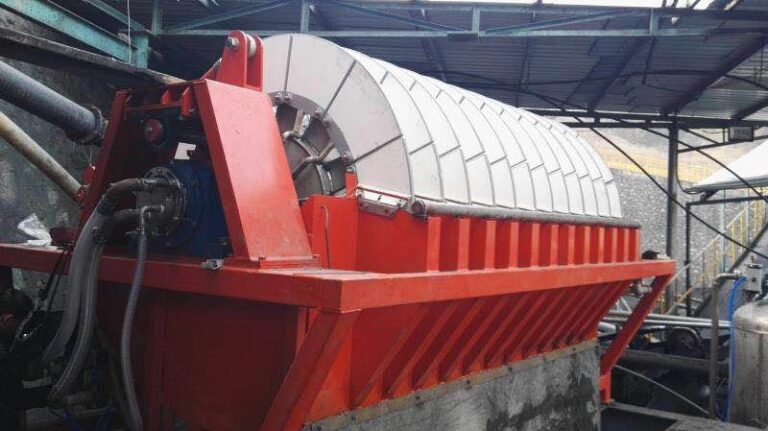
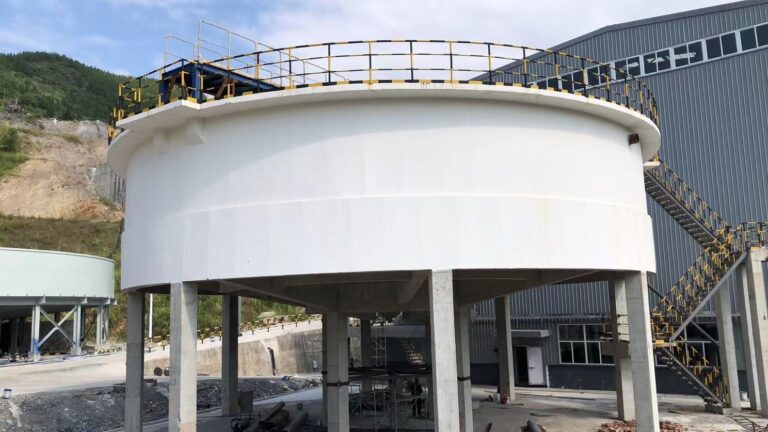
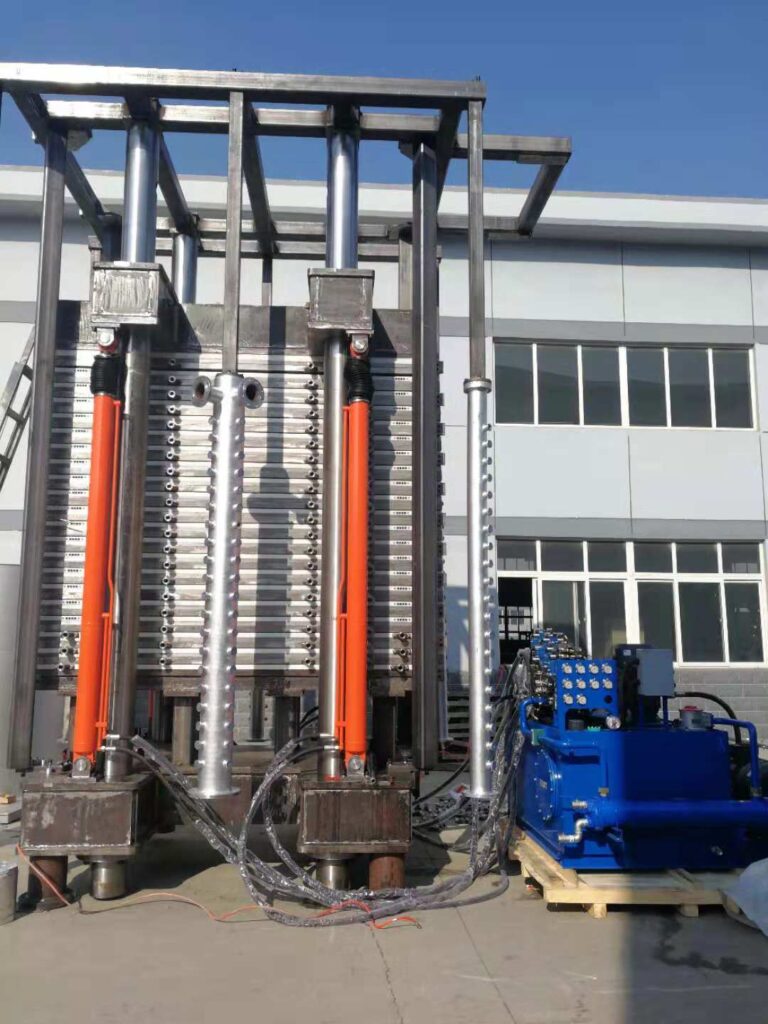
Specialized in manufacturing filter machines for about 20 years. The firm’s broad know-how ensures top tech across all items. These include BF Belt Filters, DF Ceramic Filters, TFP Tower Filters, and NGZ High-Efficiency Thickeners.
The equipment is manufactured strictly complied with country, industry and company standard. By using top materials that promise lasting build, rust resistance, and work steadiness, Yantai Hexin supplies gear that handles rough eco-conditions common in wastewater plants.
Commitment to Quality and Customer Support
Yantai Hexin sticks to global quality rules. This ensures steady item trust over its full life.
Company passed ISO9001 quality control system. Plus, its full after-sales setup promises ongoing tech aid worldwide:
Lifetime after sales service provided, including 24-hour online assistance during operation issues or on-site technical visits when necessary — demonstrating strong commitment toward customer satisfaction.
Key Takeaways on the Environmental Benefits of Belt Filters in Wastewater Treatment
Belt filters form a base tech in current wastewater handling frames. This comes from their strong output in solid-liquid split steps. They aid main lasting goals. For instance, they shrink sludge sizes, save water via better filtrate save rates, fine-tune power use through auto steady work systems, and ensure fit with changing eco-rules globally.
FAQs About Belt Filters in Wastewater Treatment
What types of sludge are most suitable for belt filter presses?
Belt filter presses do best with living sludges from city wastewater plants. They also handle factory sludges with fair solid amounts. Examples include those from food handling or paper making fields.
How does a belt filter compare with a centrifuge in terms of energy consumption?
Centrifuges use high spin speeds. This calls for big power input. In contrast, belt filters use less power. They rely on weight-aided drying ways. Thus, they make smarter picks for steady low-power jobs.
Can belt filters handle variable influent conditions effectively?
Yes. New builds include tweakable tension tools along with speed-change drives. These let on-the-spot fits based on input traits. At the same time, they keep split output and outflow clearness at levels rules demand.