 English
  Russian
  Spanish
 Selecting a belt filter press needs a thorough grasp of the sludge features, facility output, and site surroundings to guarantee lasting dependability and value for money. The review process ought to fit with both engineering details and working goals. This approach helps secure steady dewatering results.
Evaluating Sludge Characteristics
The initial move in picking the right filter press is to examine the sludge kind, density, and makeup. Sludges full of organics usually call for belts that allow better water flow. This setup aids quick draining. On the other hand, inorganic or gritty stuff requires tougher cloths with strong resistance to chemicals. Methods to prepare the sludge, like adding polymers or tweaking pH, shape the cake’s moisture level and speed of filtering. By knowing these details well, you make sure the picked setup can manage the sludge’s actions. It avoids quick damage or blockages.
Assessing Capacity and Throughput Requirements
Checking capacity means figuring out the planned amount of sludge handled each hour or day. The belt’s width and the press’s dimensions have to align with the site’s processing needs. They should also leave room for growth later on. Lots of factories like setups that can be added to easily as output rises. Modular design offers flexible putting together and simple moving. It can even arrive ready after setup and testing. Such options keep work running smoothly during expansions.
Considering Operating Conditions and Maintenance Needs
Site factors like warmth, dampness, and chemical contact impact how well the equipment works and how long it lasts. Sites with harsh air should choose parts made of stainless steel and belts that resist rust. Simple upkeep is key too. Designs that make cleaning, belt swaps, and roller checks easier cut down on stoppages a lot. Remote and on-site controls allow automatic running. Setups with built-in watching tools cut back on hands-on work. At the same time, they keep output steady and good.
How Does Belt Design Influence Filtration Performance?
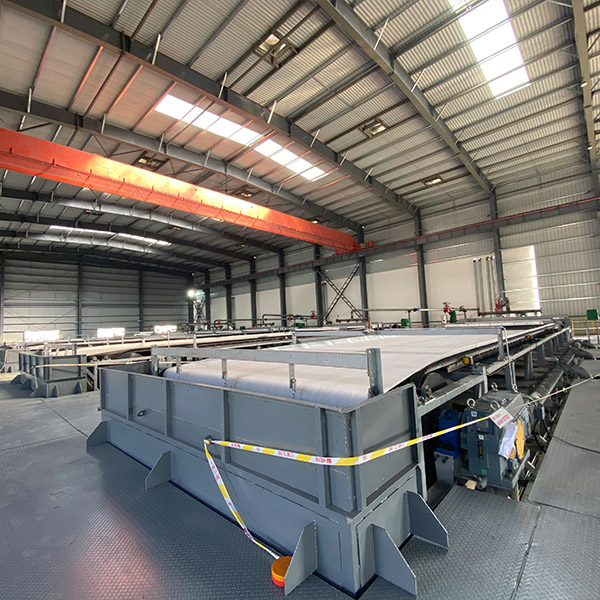
Belt design holds a key spot in shaping how well dewatering works, how strong the structure is, and how steady operations stay in many factory uses.
Material Selection for Belts
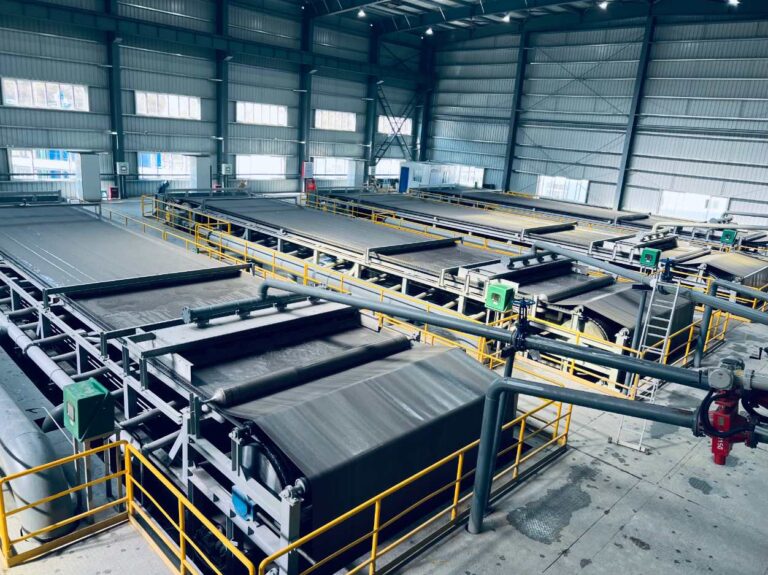
Belts made from polyester see common use because of their strong pull resistance, ability to handle chemicals, and steady size under force. Fabrics with single strands boost water draining by stopping tiny bits from blocking the holes while running. Picking the right belt openness based on sludge bit sizes ensures good filtering speeds. It also keeps cake building solid. The filter fabric and the rubber belt move together. This lets feeding, filtering, washing, drying, and cloth renewal happen non-stop. Such matched motion boosts ongoing processing speed.
Belt Tensioning and Alignment Mechanisms
Good tightening ensures even force spread over the filtering space. As a result, it stops uneven cake buildup or early belt damage. Auto-straightening setups keep belts on track over rollers. This cuts slip or side harm. Checking tightening parts often is vital. It helps avoid breaks in work that might delay schedules.
Which Technical Specifications Define an Efficient Belt Filter Press?
Engineering details set how well a belt filter press works in certain factory settings, like water cleanup or mining tasks.
Key Performance Parameters to Review
The range of pressure for filtering shapes how dry the output cakes get. Stronger forces often produce drier solids. However, they might raise power needs. The setup of rollers affects how squeezing works during water removal steps. The power of the drive motor sets energy saving across ongoing runs. Different rubber belt support styles exist, such as roller type, air cushion type, pallet type, and various friction belt ways. These help lower rubbing drag and extend the rubber belt’s life. Such choices add to better mechanical steadiness in tough spots.
Control Systems and Automation Features
Automation improves process exactness with modern control setups like PLCs linked to SCADA for live watching. Auto-washing tools lengthen belt use by keeping things clean between runs. Optional high-pressure washing boosts cloth renewal effects and lengthens life. These options ensure steady work. They also lower hand labor costs as time goes on.
How Can Operational Costs Be Optimized Without Compromising Efficiency?
Matching startup spending with running costs is vital for steady site handling. It avoids cutting dewatering work.
Energy Consumption Considerations
Improving energy starts with drives that change speed based on load. These cut extra power use. Better roller shapes lessen rubbing losses in steady cycles. Planned upkeep ahead stops energy jumps from poor mechanics or off parts. Thus, it keeps things efficient.
Chemical Usage Optimization in Conditioning Processes
Adding chemicals for prep stays as a big ongoing expense in filtering tasks. Tweaking polymer amounts to fit feed traits avoids too much use. Yet, it keeps flocculation right. Live dosing controls hold steadiness even with changing sludge. This setup betters both money saving and process firmness.
Why Is Supplier Selection Critical in Belt Filter Press Procurement?
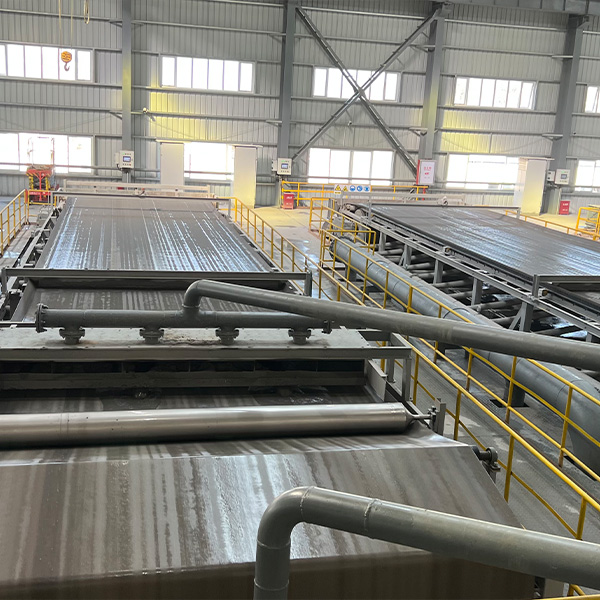
A trusted provider gives top-notch gear and keeps technical help going through the whole system life.
Criteria for Evaluating Suppliers’ Reliability
To check providers, look at their building rules, approvals, quality checks, warranty plans, and post-sale help skills. Easy access to extra parts and help on site greatly shape long-run work flow.
Introducing Yantai Hexin Environmental Protection Equipment Co., Ltd
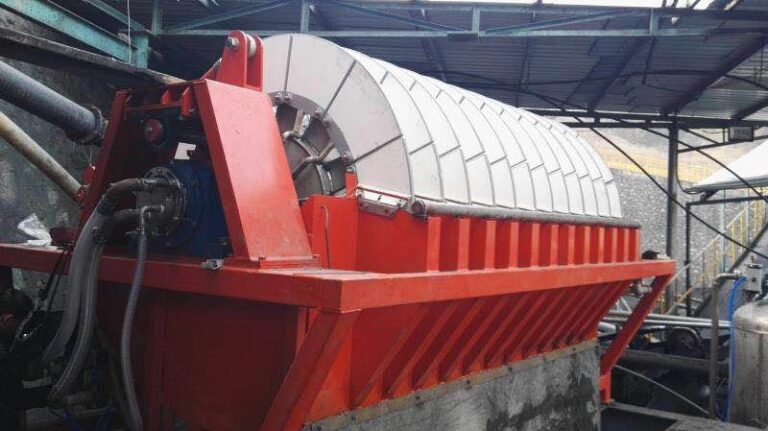
Yantai Hexin Environmental Protection Equipment Co., Ltd shines as a solid maker offering smart filtering answers fit for many fields. These include water treatment, mining, food handling, and chemical making areas. The horizontal vacuum filter serves as a very effective tool for splitting solids from liquids. It uses filter cloth as the main part. Separation happens through gravity pull and vacuum draw together. Their know-how in engineering allows custom system plans for top output. All this fits global rules for environment care.
What Are Common Challenges in Belt Filter Press Operation?
Work issues often come from shifts in feed makeup or poor upkeep habits. Yet, active handling steps can ease them.
Managing Feed Variability
Changing levels of solids can shift filtering speeds in surprise ways. This leads to uneven cake dryness. Putting in tanks to even out before feeding helps steady inflow. As such, press work stays smooth over work periods.
Preventing Belt Clogging or Damage
Blockages usually stem from small bits piling in cloth holes. Regular cleaning rounds fix this well. Washing can collect in sections. It may happen downstream or upstream. Spray heads that adjust set washing strength by dirt amounts. This keeps cloth whole for long stretches.
Conclusion: Achieving Optimal Performance Through Informed Selection
Picking an effective belt filter press means weighing engineering care with real-world needs like upkeep access and provider trust. By closely checking sludge traits, output calls, auto tools, power use ways, and seller skills—particularly from Yantai Hexin Environmental Protection Equipment Co., Ltd—fields can gain better dewatering results. These match green aims. They also hold steady cost watch over time.
FAQs
Q1: How often should a belt filter press be serviced?
Regular servicing every 3–6 months is recommended depending on usage intensity; this includes checking belts, rollers, bearings, and control systems for optimal function.
Q2: Can one type of belt filter press handle different types of sludge?
While some models are versatile, it is advisable to match the press configuration to specific sludge properties for maximum efficiency.
Q3: What is the typical lifespan of a high-quality belt filter press?
With proper maintenance and operating conditions, a well-built unit can last 10–15 years while maintaining stable performance levels over time.