 Russian
  English
  Spanish
 Choosing a ceramic filter manufacturer is a major decision for mining projects. These sites need steady solid-liquid separation. They also want less moisture in filter cake. Less water loss and steady long-term running are vital too. In mineral processing plants, ceramic filters are widely used for concentrate dewatering and tailings treatment. They work well because they combine vacuum pressure, ceramic plate capillary action, and continuous filtration. Yet, not every maker can supply a machine that fits the real slurry traits. Production capacity, automation needs, and upkeep hopes vary greatly. For mining buyers, the ideal supplier must offer more than just a tool. It must deliver technical selection support and reliable manufacturing quality. Practical installation guidance and long-term service value are a must.
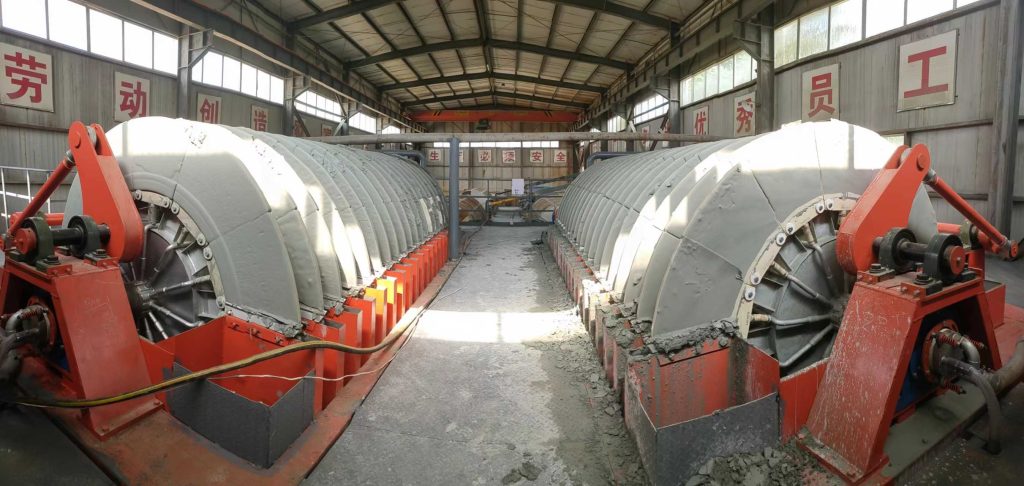
Why Does Manufacturer Selection Matter in Mining Filtration Projects?
Керамические фильтры usually work in tough mining settings. They often handle rough slurry and tiny mineral bits. The feed thickness changes frequently. Also, the work schedules run non-stop. Because of these harsh facts, the maker’s skill directly impacts how well the machine holds up. It also changes the filtering speed and running costs.
Equipment Quality Affects Daily Production
A ceramic filter built with weak quality can lead to shaky vacuum power. It might form uneven cakes. The plates could block up often. You might also face more repair work. These troubles can stop the workflow. They push up labor bills as well. A solid maker needs excellent machining skills. They must have strict quality checks. Solid assembly rules are highly vital.
Technical Matching Affects Filtration Results
Even a great machine might fail if it does not fit the material well. Various ores have distinct particle sizes. Their weight and stickiness differ. Some are harder to filter than others. A skilled ceramic filter manufacturer must study the feed slurry traits. Then, they should suggest the right model. They will pick the best filtration area and plate setup. The vacuum layout and washing method need careful thought too.
Service Capability Affects Long-Term Value
Mining sites normally run without a break. If a machine quits without warning, the lost money can be huge. This loss easily tops the price gap between different sellers. Buyers need to pick a maker who offers ready spare parts. Fast fixing help is crucial. Worker training and quick tech chats matter a lot.
What Technical Factors Should Buyers Check First?
Before looking at different ceramic filter manufacturers, buyers must gather basic tech details. This step helps sellers suggest the perfect machine. It stops them from just handing out a vague price quote.
What Material Will the Ceramic Filter Handle?
The first thing to check is the material type. Plants widely use ceramic filters in mining. They work with ferrous metals, non-ferrous metals, and rare metals. Non-metallic minerals, concentrate dewatering, and tailings discharge use them too. Every single job has unique filtering needs. For instance, iron concentrate and copper concentrate behave differently. Phosphate concentrate and tailings slurry also need distinct filtering setups.
Buyers must share the mineral kind and solid weight. Particle size and slurry thickness are key. Share the pH level and heat as well. Mention any rust-causing or rough traits. These facts help the maker check if the ceramic plate fits. They also judge wear strength and washing needs.
What Capacity Does the Project Require?
Capacity stands out as a top choice factor. A mining job might need a few tons each hour. Or, it might demand a massive non-stop processing volume. Buyers should tell the seller the hourly flow rate. Daily run hours and solid amounts are vital. The hoped-for filter cake output is needed too.
A good maker will not just push the biggest model. Too large a machine wastes money and power. Too small a machine causes slow output and workflow jams. The ideal pick balances volume and the moisture goal. Floor space and future growth plans play a part as well.
What Final Moisture Content Is Required?
Many buyers look at the machine price first. Yet, the final filter cake moisture matters more for mining jobs. Less wetness drops transport bills. It makes handling the concentrate easier. Dry tailings discharge works better this way. Also, the plant can grab more water to use again.
The moisture goal needs clear talks during the tech picking phase. Sometimes, the goal is too tough for the material traits. If so, the seller must point out the real limits. They might suggest process tweaks. Adding thickeners or flocculant dosing can help. Better feed thickness control works too.
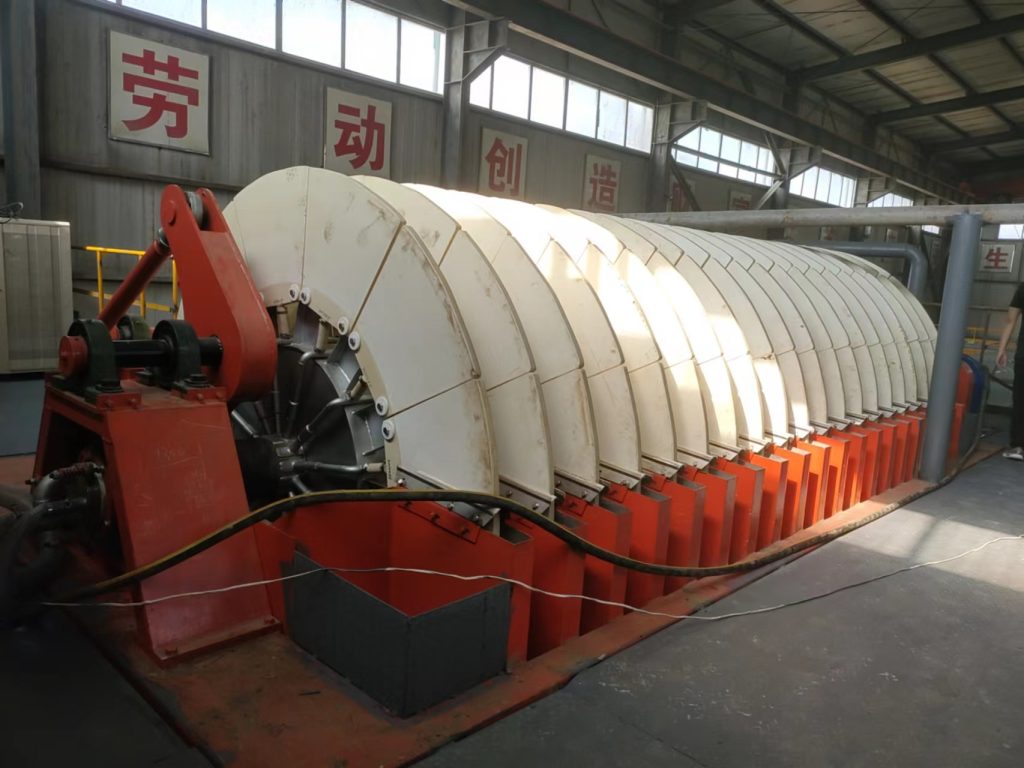
How Can Buyers Evaluate Ceramic Filter Product Design?
A ceramic filter is more than just a tank with a few filter plates. Its success relies on the whole design. This covers the ceramic plates and the vacuum system. It includes the scraper discharge and backwashing. Ultrasonic cleaning, automation, and the frame layout matter greatly.
Is the Ceramic Plate Reliable?
The ceramic plate acts as the heart of the machine. While running, the plate surface catches slurry solids. At the same time, liquid flows through the porous ceramic structure. This happens via vacuum pressure and capillary action. A top-notch ceramic plate offers steady fluid flow. It needs the right pore size and strong build. It must fight off clogging well.
Buyers should ask about the ceramic plate lifespan. Check the washing routine and swap steps. Ask if spare parts are easy to get. The maker must detail how they guard the plates during work. They should explain how to keep the output high over the years.
Is the Cleaning System Effective?
Ceramic filters demand good washing to keep up their filtering power. A normal routine might use backwashing with plant water or pressed air. Regular ultrasonic cleaning with a weak acid mix is common. If the washing setup is poor, the ceramic plate paths will slowly plug up. This drops the volume and raises the wetness.
A smart maker will build a washing system that fits the actual mine site. Buyers must look at the wash timing and chemical needs. Check the water use and automation level. Easy upkeep access is a must.
Is the Equipment Easy to Operate and Maintain?
Mining plants like machines that stay steady and run on their own. Easy upkeep is a big plus. A tight frame saves floor space. Self-running steps cut down on human work. Buyers need to see if the control system is basic. Check if key parts are easy to reach. Daily checks must be safe to do.
Upkeep design should cover scraper swaps and plate checks. Vacuum line tests and bearing guards are needed. Motor care and safe walking paths around the unit are crucial.
What Manufacturing Capabilities Should a Supplier Have?
After looking at the tech design, buyers must judge the maker itself. A seller’s building power decides if the shipped machine meets the promised goals.
Does the Manufacturer Have Industry Experience?
Mining filtration is not like basic water cleanup or light plant filtering. The seller needs real background in solid-liquid separation for mining tasks. They must know how distinct mineral slurries act while filtering. Hands-on background cuts down on picking mistakes and setup headaches.
Buyers can request project pasts and real use cases. Ask for photos, videos, and output facts from similar materials. These clues help prove if the maker has managed matching jobs before.
Does the Manufacturer Control Production Quality?
Quality checks must look at raw goods, cutting, and welding. Putting parts together, testing, and the last review are vital. For ceramic filters, buyers must watch the tank frame and rotor exactness. Ceramic plate fitting and vacuum pipeline sealing are key. Scraper lining and control cabinet safety matter a lot.
A trusted maker must clearly lay out their quality check steps. Buyers should see if the seller can hand over product details. Drawings, user guides, and test logs should be ready when asked.
Can the Manufacturer Provide Customized Solutions?
Mining sites often vary in plant layout and feed style. Power lines, auto rules, and nature settings differ too. A capable maker must tweak the machine setup to fit the project needs.
Custom work might involve model picking and material choices. Control system plans and layout matching are part of it. Spare parts planning and linking with other machines matter. This flex skill is highly vital for upgrade jobs. Plants with tight room need it badly.
What Service Support Should Buyers Expect?
Buying a ceramic filter must not halt after shipping. Solid service backing helps the job shift from setup to steady running.
Installation and Commissioning Guidance
Right setup changes vacuum power and tank level control. It alters scraper tweaks, pipe links, and machine safety. The maker must give setup help and start-up guides. Tech backing during the launch is a must.
During the launch, the seller and buyer must watch the feed thickness. Vacuum pressure, cake depth, and liquid clearness need checks. Look at the discharge state and washing results. These facts help the machine hit a steady pace much faster.
Operator Training
Workers must learn how to turn the machine on and off. They need to tweak running facts and watch vacuum power. Checking ceramic plates and washing the system are key tasks. Handling weird events is a must. Good training stops bad habits and makes the machine last longer.
A maker with a strong service mind will hand out clear user guides. They will not leave the plant to fix problems on its own.
Spare Parts and After-Sales Response
Having spare parts ready is deeply vital for mining jobs. Buyers must ask about ceramic plates, scrapers, and seals. Valves, vacuum parts, sensors, and other wear items need checking. Quick spare parts backing can slash downtime. It guards the daily output plans.
Why Choose Yantai Hexin Environmental Protection Equipment Co.,Ltd as a Ceramic Filter Supplier?
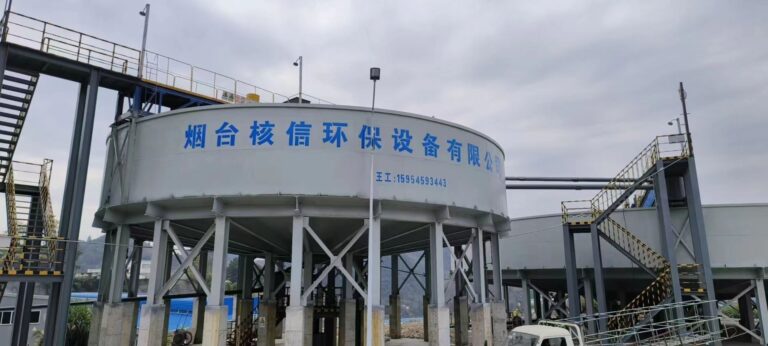
Янтай Гексин Экологическая защита оборудования Co., Ltd stands as a trusted ceramic filter supplier. They serve mining and solid-liquid separation tasks well. The firm sits in Yantai, Shandong Province. It centers on building, studying, growing, and selling filtering machines.
A Product Range Suitable for Mining Dewatering
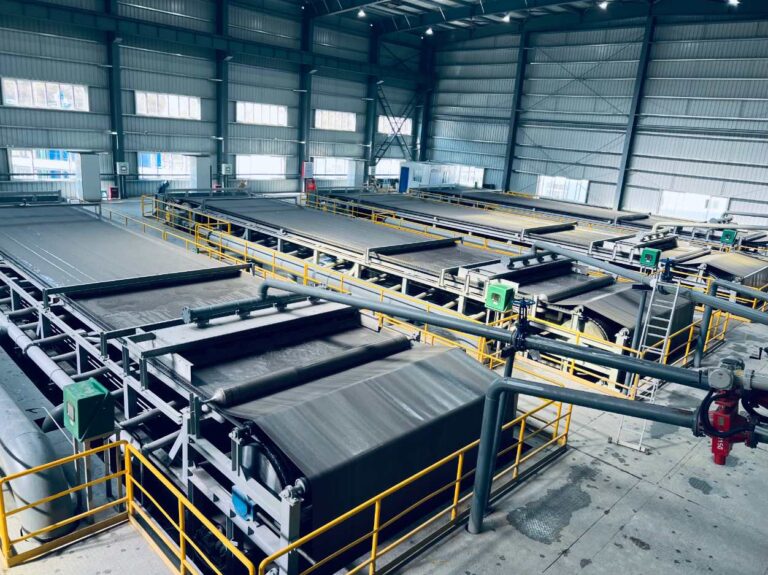
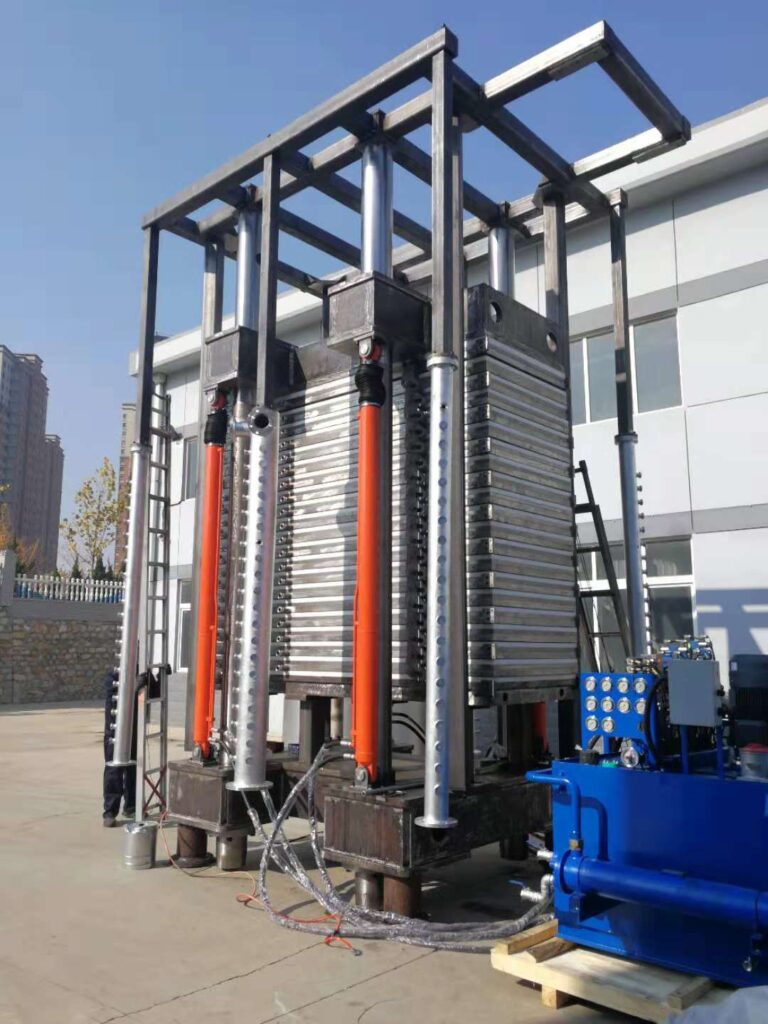
Yantai Hexin offers ceramic filters, belt filters, and vertical filter presses. They build high efficiency thickeners and EPC project answers. For mining buyers, this product lineup is quite helpful. Ceramic filtration often fits into a bigger dewatering plan. The firm can back various project needs. They cover everything from concentrate filtration to tailings treatment.
Practical Ceramic Filter Features
Yantai Hexin’s DF ceramic filter is built for solid-liquid separation. It uses vacuum pressure and ceramic filter plate capillary action. It fits mining, metal minerals, and non-metallic concentrate. Tailings discharge and environmental protection sludge use it too. Its perks include low power use and dropped moisture in filter cake. Low solid amounts in the filtrate and a tight frame are great traits. Automation makes it smart. Easier setup and upkeep add huge value.
Support for Long-Term Project Operation
For mining sites, machine steadiness and service backing are huge buying points. With deep background in filtration equipment and solid-liquid separation, Yantai Hexin guides buyers well. They help pick the right machines. They match project goals perfectly. They back long-term running through tech service and spare parts support.
Вывод
Picking a ceramic filter manufacturer for mining sites demands a close look. You must judge tech skills, machine design, and build quality. Project pasts and after-sales service matter deeply. Buyers must never pick based purely on price. They need to weigh material fit and volume matching. The final moisture goal and ceramic plate quality are key. Washing system design, automation level, and upkeep ease need checking. Spare parts backing is a must. A solid maker helps mining firms boost dewatering speed. They grab more water back and cut down running snags. This builds a much steadier output system. Yantai Hexin Environmental Protection Equipment Co.,Ltd brings great ceramic filter equipment. They offer solid-liquid separation answers for mining buyers. These buyers get trusted output and real project backing.
Вопросы и ответы
1. What is a ceramic filter used for in mining projects?
A ceramic filter works for solid-liquid separation in mining tasks. It can dry out mineral concentrate or tailings slurry. It does this by building a filter cake on ceramic plates. At the same time, liquid moves through the porous ceramic structure. This relies on vacuum pressure and capillary action.
2. How should buyers choose the right ceramic filter model?
Buyers must share the material kind, particle size, and slurry thickness. Processing volume, target moisture content, and run hours are needed. Site layout facts help too. The maker can then suggest a fitting model. This choice rests on the filtration area and vacuum system. Ceramic plate setup and project needs guide the final pick.
3. Why is after-sales service important when buying a ceramic filter?
After-sales service matters deeply because mining machines run non-stop. Setup help and launch backing are huge. Worker training, spare parts supply, and bug fixing cut down lost time. They keep the ceramic filter running well over the long haul.