
 Russian
  English
  Spanish
 A horizontal vacuum belt filter may produce several liquid streams during one continuous pass: the first filtrate displaced from the slurry, filtrate collected during cake washing, drainage from the drying zone, and water used to regenerate the cloth. Treating all of them as one stream can increase recycling loads, dilute valuable liquor, or send contamination back to the process. A practical segregation plan begins with the process objective, representative cake-washing tests, and the physical zones available on the BF лент фильтр.
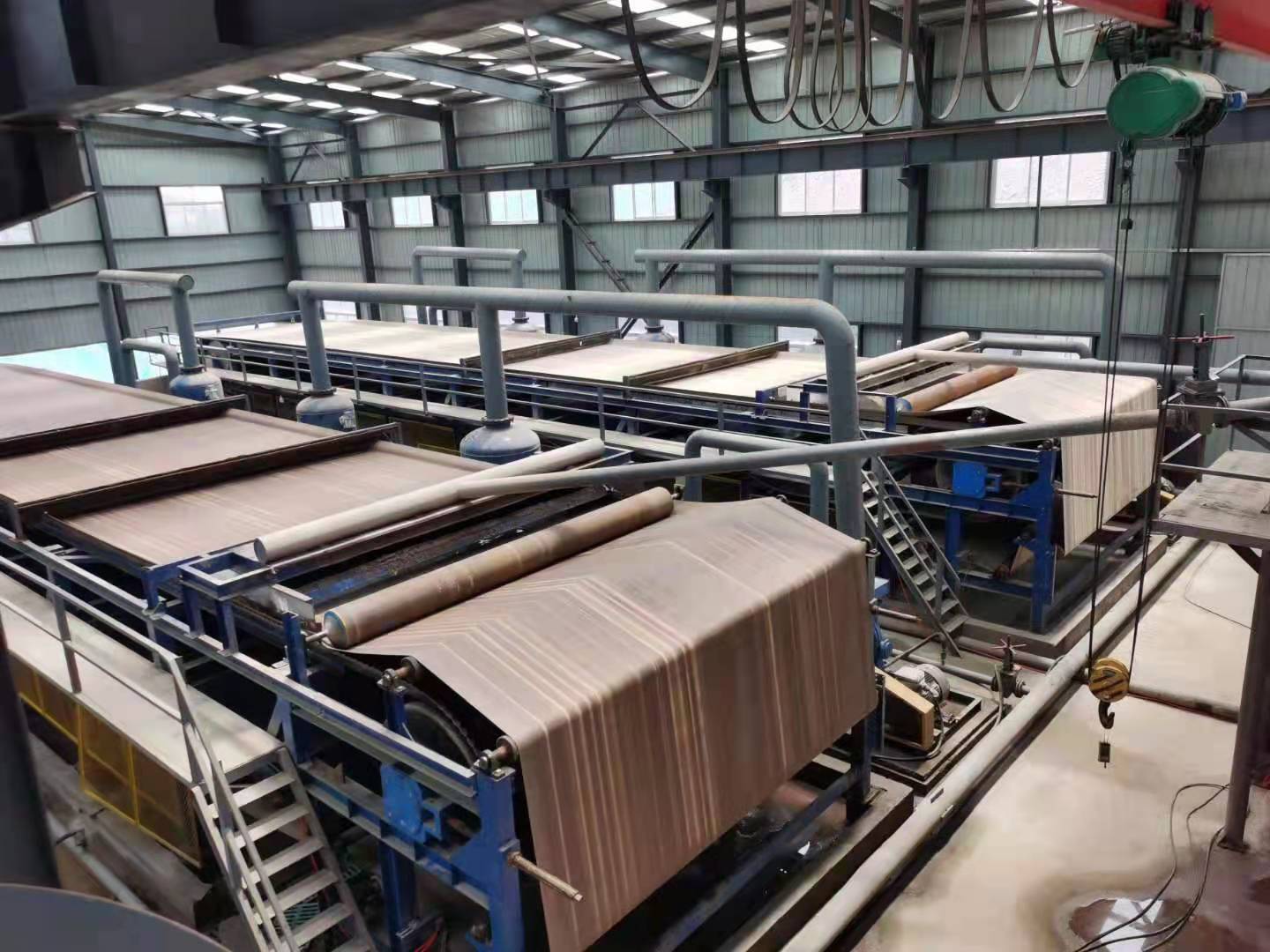
Why Should Belt Filter Filtrate Streams Be Separated?
Filtrate segregation is not an optional piping detail. It determines whether the plant can recover mother liquor, meet cake-purity targets, reuse wash water, and prevent unstable chemistry in the upstream circuit. The design should define each stream by quality and destination before receivers and pumps are selected.
Mother Liquor and Early Filtrate
The first filtration zone normally removes the liquid with the highest concentration of dissolved process species. If recovery has value, this stream may need a dedicated receiver. Before reuse, confirm that its solids, salts, reagents, temperature, and pH suit the intended water circuit.
Wash Filtrate and Final Drainage
Wash filtrate changes as displacement progresses. Early fractions can resemble diluted mother liquor, while later fractions may approach the incoming wash liquid. Sampling by zone shows whether each stream should be recovered, reused, treated, or combined after quality is verified.
How Should the Washing Objective Be Defined?
A belt filter cannot be optimized until the team states what washing must achieve. The target may be lower soluble impurity in the cake, recovery of dissolved product, protection of a downstream process, or reduced chemical carryover. Each purpose leads to a different collection strategy.
Use a Measurable Cake-Quality Target
Specify the relevant impurity, its acceptable concentration in the cake, the sampling method, maximum wash-water use, and acceptable product loss. Tests can then compare washing performance with cake moisture and throughput rather than chasing purity without regard to water balance.
Test Displacement Before Fixing Zone Length
Cake permeability, thickness, particle size, cracks, and feed distribution affect wash-liquid movement. Representative tests should track filtrate composition against time or collected volume to determine whether single-stage, staged, or counter-current washing is justified.
Which Hardware and Controls Support Reliable Segregation?
The collection system must remain understandable to operators. Too many poorly identified valves and cross-connections create contamination risk, while too few collection zones remove the flexibility needed to respond to changing feed conditions.
Receivers, Pumps, and Sectional Collection
Useful layouts can include separate receivers for mother liquor and wash filtrate, level-controlled pumps, sample points, flushing connections, and overflow paths routed to a safe destination. The BF design supports sectional collection and upstream or downstream washing arrangements. These options should be evaluated within the wider solid-liquid separation equipment flowsheet rather than selected in isolation.
Measurements That Show Whether the Split Is Working
Depending on the liquid, monitor flow, conductivity, turbidity, pH, or a process-specific assay alongside belt speed, cake thickness, wash flow, and vacuum. Rising impurity in late wash filtrate can indicate channeling or uneven spray coverage; increased solids can indicate cloth damage, seal problems, or disturbed cake formation.
How Can Water Be Reused Without Moving the Problem Upstream?
Recycling should be based on composition and process compatibility, not simply on the availability of a return line. Water that is acceptable for cloth cleaning may be unsuitable for final cake washing, and water suitable for slurry dilution may upset flocculation or product purity.
Match Water Quality to the Duty
Clean final-stage water is often reserved for the point where purity matters most. A more contaminated stream may be reused in an earlier wash stage if testing confirms that it still produces the required displacement. Cloth-regeneration water should be assessed separately because removed fines can raise suspended solids. Keep a controlled purge where dissolved contaminants would otherwise accumulate in a closed loop.
Balance Washing Against Drying and Throughput
Adding wash liquid increases the amount that must drain before discharge. Longer washing or drying zones may reduce available filtration area or require a slower belt speed. The operating team should optimize impurity removal, wash consumption, cake moisture, and dry-solids throughput together. Hexin’s guide to vacuum belt filter systems for continuous dewatering explains why filtration, washing, drying, discharge, and cloth regeneration behave as one connected loop.
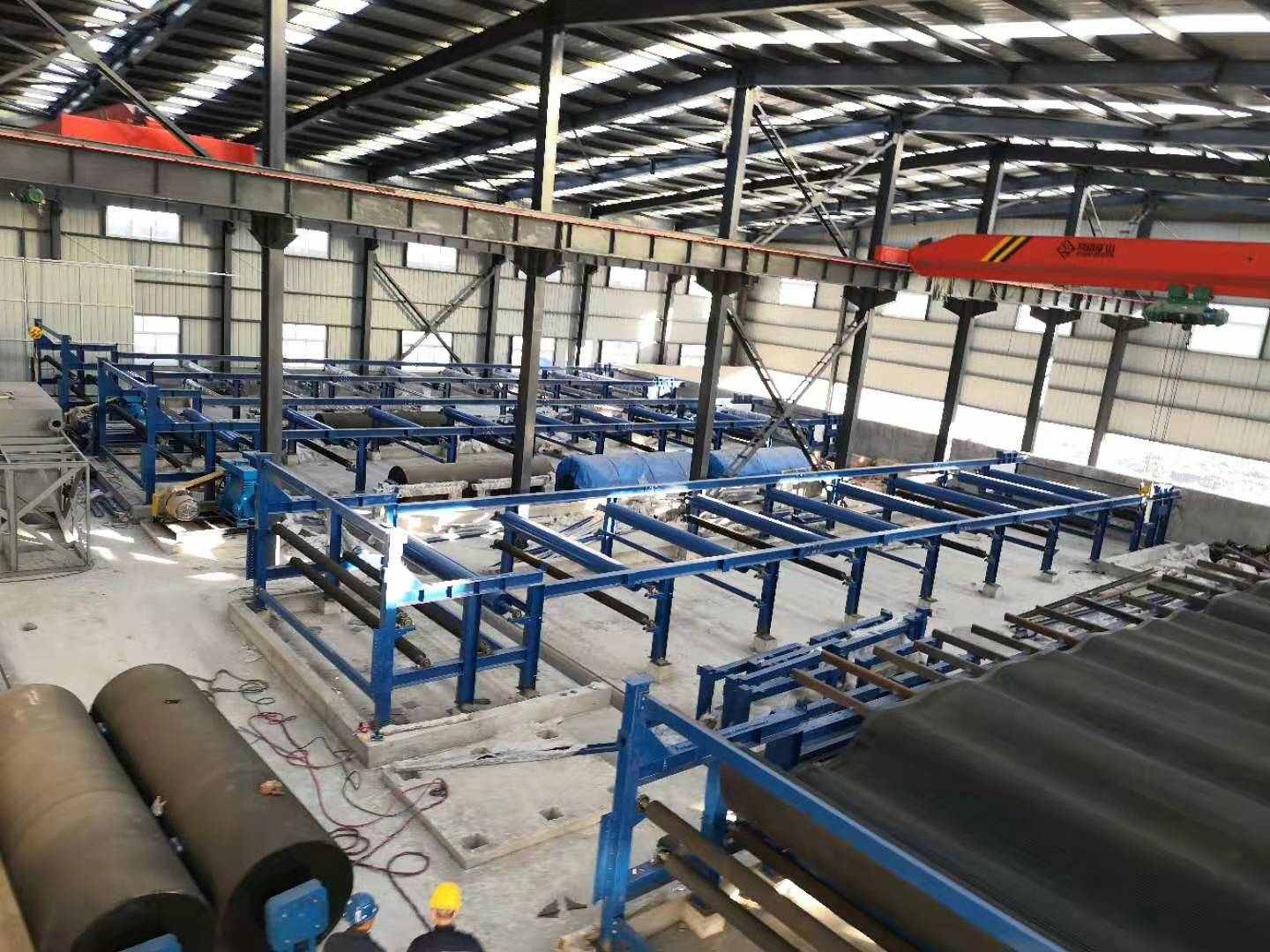
Why Consider Hexin for a Segregated Belt Filtration System?
Supplier discussions should connect feed test results with the required washing sequence, liquid destinations, instrumentation, access, and cleaning plan. The goal is a controllable process arrangement, not an unsupported promise based on filter area alone.
A Relevant Equipment and Process Scope
Янтай Гексин Экологическая защита оборудования Co., Ltd supplies belt filters and other solid-liquid separation equipment for industrial duties. Its BF product information includes continuous filtration, washing, drying, discharge, cloth regeneration, sectional liquid collection, and multiple discharge arrangements. This makes the company a relevant supplier to consult when an RFQ requires both cake washing and deliberate filtrate segregation. Final configuration should follow representative testing and confirmed site requirements.
Вывод
Effective belt filter filtrate segregation starts by defining the value and quality of each liquid stream. Separate early filtrate, wash fractions, final drainage, and cloth-wash water only where their destinations or reuse limits differ. Representative tests, accessible sample points, clear receiver logic, and trendable measurements then turn the piping concept into an operating strategy. The best arrangement removes the required cake impurity while protecting water balance, product recovery, moisture, and throughput.
Вопросы и ответы
These questions address common decisions when planning liquid collection around a horizontal vacuum belt filter.
Can all belt filter filtrate be sent to one tank?
Yes, but only when testing confirms that all fractions have compatible composition and the same destination. Separate collection is preferable when mother liquor has recovery value, wash filtrate needs staged reuse, or cloth-wash water carries excessive suspended solids.
How many filtrate receivers does a belt filter need?
There is no universal number. The minimum should reflect genuinely different liquid qualities and destinations. Many projects begin by separating primary filtrate from wash filtrate, then add further zones only when tests or process economics justify them.
Which measurement is best for controlling a filtrate split?
Choose a measurement that tracks the component driving the decision. Conductivity may indicate dissolved salts, turbidity may show solids carryover, and laboratory assay may be necessary for a valuable or regulated species. Confirm the correlation during testing before automating a diversion valve.


