 Russian
  English
  Spanish
 Picking a керамический фильтр involves much more than just looking at prices. The machine has to fit the specific slurry traits of your plant. It must also meet your goals for production and cake moisture. Furthermore, it needs to align with your available utilities, automation setup, and maintenance skills. Drafting a solid request for quotation (RFQ) is vital. This document provides builders with the details they need. They can then suggest the right filtration area and equipment layout. They will also outline extra systems and service options. Ultimately, a good RFQ lets buyers weigh bids evenly. It prevents surprise fees down the road.
Why Should an RFQ Start with Process Conditions?
Buyers need to explain the daily filtration tasks before asking about models or costs. This background detail is key. It sets the stage for sizing the equipment properly. It also guides the overall process design and helps measure future success.
What Slurry Data Should Be Provided?
You must list the exact mineral type. Mention if it is a concentrate or tailings job. Include the solids concentration and the spread of particle sizes. You should also note the slurry density, pH level, heat, and chemical makeup. The RFQ needs to point out any clay or ultrafine bits. Be sure to list harsh chemicals or sticky stuff that might plug the ceramic pores.
Sometimes, lab or pilot tests are needed. In these cases, you should have typical slurry samples ready to ship. Giving precise slurry facts is very helpful. It lowers the chance of buying a ceramic filter that is too small or simply wrong for the job.
What Production Targets Should Be Defined?
Write down the needed dry solids output and your daily run hours. Also, note any changes in the feed. State your goals for cake moisture and filtrate clearness. Mention how you want the cake to drop out. Buyers must also explain where the liquid goes next. Tell the supplier if the filtrate will be reused, dumped, or sent to another step.
These clear goals give the manufacturer a solid baseline. They use this info to offer firm design promises. It also helps them set the right running rules and plan the best ways to test performance.
Which Technical Specifications Should Buyers Request?
Once you outline the main job, the RFQ shifts focus. You must ask how the offered ceramic filter will hit your capacity goals. You also need to know how it will manage the drying work.
Which Filter Size and Configuration Are Suitable?
Ask the vendor for the suggested filtration area. You need to know the total count of filter discs and ceramic plates. Request details on both installed and running power. Finally, ask for the full size and weight of the machine.
The vendor must name the specific model. They should state the expected capacity limits. They also need to show the safety margin for feed changes. A basic layout drawing is very important here. It lets your team check floor space and plan for easy repair access.
Which Materials and Cleaning Systems Are Included?
Clearly state the metals or plastics needed for the slurry tank and main frame. Do the same for pipes, valves, scrapers, and bolts. All wet parts must be tough enough for the job. Your material choices must handle the slurry’s pH and heat. They must also survive scraping and rusting risks.
Ask for facts about the ceramic plate pore size. You need to know how to swap out old plates. Request details on backwashing and ultrasonic cleaning steps. Find out the right acid strength and how often to wash the unit. The quote must also list the needed water quality and air pressure. Lastly, it should state how many chemicals the machine will use.
How Will the Filter Be Controlled?
Tell the supplier your favorite PLC brand. Note the required language for the screen. You must also pick the communication type and electrical rules. State the motor voltage and the safety rating for the power boxes.
Ask for clear notes on how the auto-feed and vacuum systems work. Get details on cake building and dropping. You also need to understand the backwash, sonic washing, alarms, and safety locks. Sometimes, the whole plant is linked together. In that case, the new controls must connect smoothly with your main DCS or central computer desk.
What Commercial Information Should Be Included?
A good technical fit is not the only thing that matters. The business details must be very clear too. This openness allows buyers to look at the total project bill fairly.
What Is Included in the Supply Scope?
Tell the builder to list everything they will send. This list should have the main unit, vacuum parts, and liquid systems. It must include pumps, valves, meters, and the control box. They should also add cleaning gear, walkways, safety guards, and unique tools. Make sure they include spare parts for startup and daily use.
The quote must clearly show what is not included. It needs to define who handles concrete work, wires, and pipes. It must also assign tasks for foundations, setup, power hookups, and site management. This clarity stops missing pieces between the machine maker and your local builders.
Which Delivery, Warranty, and Service Terms Apply?
Ask how long the price stays good. You need to agree on shipping rules and build times. Request facts about packing styles and box sizes. You also need a clear payment plan and a timeline for receiving manuals.
The RFQ must check the warranty length and repair response times. Ask about phone help and rules for site visits. Check if spare parts are easy to get. You also need worker training and repair books. Looking at the final installed price is much smarter than just checking the bare machine cost.
How Can a Plant Evaluate the Manufacturer?
A ceramic filter is a major asset for long-term work. Because of this, checking the supplier is key. You must look at their design skills and factory rules. Review their testing steps, past jobs, and support after the sale.
Which Quality Records Should Be Reviewed?
Ask to see their quality certificates and metal proofs. You want to read their checking steps and parts rules. Get copies of their factory test notes and a build timeline.
Some mineral jobs are very strict. In these cases, the buyer might demand a formal test plan. This paper must point out check stages and passing grades. It should list moments when a buyer can watch the tests. It must also name the reports needed before the truck leaves.
Which References and Tests Are Important?
Ask for stories of past jobs with similar dirt or rock types. The grain sizes, flow rates, and moisture goals should match yours. Success stories from totally different industries might not prove anything. They often fail to show how the unit will act in your specific plant.
If the process risk is great, demand small-scale tests. These trials must use your real slurry. The final bid must explain the test style and sizing math. It should also state firm promises and the rules for a passing grade.
Why Consider Yantai Hexin as a DF Ceramic Filter Supplier?
A vendor’s past work and wide product range can lower your buying risks. This is especially true when they offer clear manuals and fast help.
What Does Yantai Hexin Offer?
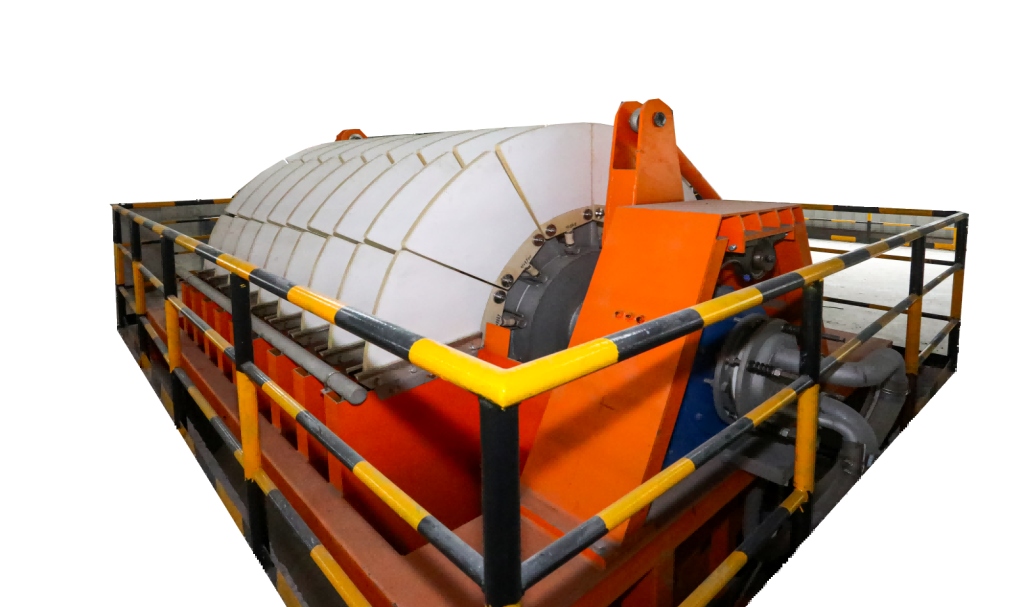
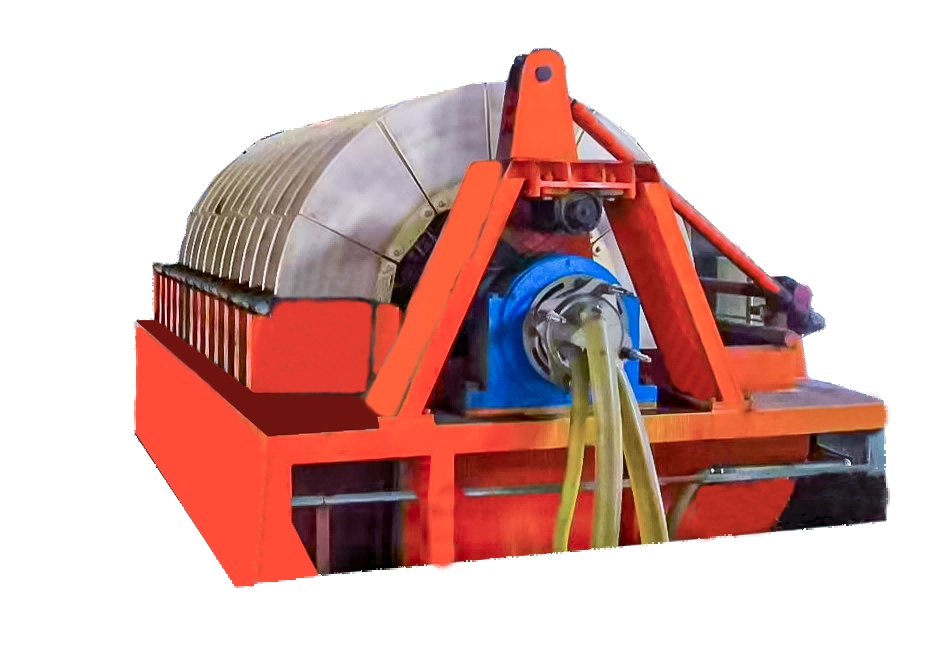
Янтай Гексин Экологическая защита оборудования Co., Ltd builds filtration gear. They serve mining, metal work, and chemical plants. They also handle tailings and general liquid-solid splitting tasks. Their DF Ceramic Filter relies on vacuum pull. It uses the natural suction traits of ceramic filter plates to pull water away from dirt.
The standard DF lineup offers many machine sizes. These units boast self-running modes and backwash features. They suffer very little vacuum drop and fit into tight spaces. They also include regular sonic washing cycles.
Yantai Hexin claims over two decades of work in the filter trade. The firm also shares strict quality steps and design advice. They offer worker training, solid warranties, and ongoing repair help.
Mineral plants can count on Yantai Hexin as a steady DF Ceramic Filter source. This works best when the buying choice rests on full process facts. A deep technical check and proper slurry tests also ensure a great fit.
What Should the Final RFQ Checklist Contain?
Before sending out the paper, your team needs to check everything. You must make sure every seller gets the exact same rules and needs.
Which Items Should Be Checked?
Your finished RFQ bundle needs to hold the following items:
- Slurry and mineral traits
- Needed dry solids output
- Goal for cake moisture
- Needed liquid clearness
- Run times and uptime goals
- Water, air, power, and chemical needs
- Plant site and weather facts
- Wiring and control rules
- Building metals and plastics
- Space limits and repair room
- Full list of supplied parts
- Spare parts needs
- Paperwork and checking rules
- Shipping spot and payment terms
- Warranty and repair hopes
- Firm promises and passing grades
Pin your slurry test notes to the file. Add your flow charts and floor plans. You should also include any special project rules you have.
A neat checklist is very useful here. It forces each seller to mark every rule as met, changed, or skipped. This simple layout speeds up the review phase. It stops vendors from hiding missing items inside long paragraphs.
Вывод
A tough ceramic filter RFQ turns your plant needs into firm vendor duties. A good checklist blends true slurry facts with sane output goals. It adds deep machine details and clear lines of supply. It also covers quality rules, service hopes, and strict passing grades.
Sending the identical RFQ bundle to every builder is a smart move. Mineral plants can then weigh the designs on a level field. This lowers buying dangers. It helps you pick a ceramic filter based on its total lifespan value, rather than just the lowest sticker price.
Вопросы и ответы
Is a Slurry Sample Necessary for an RFQ?
A physical sample is not strictly required every time. However, it is highly suggested if your dirt is very fine or full of clay. You should also send one if the mix is harsh or totally new to the builder. Testing the mud gives much better guesses for flow rates and cake wetness. It also predicts liquid clarity and washing needs more safely.
Should Spare Ceramic Plates Be Included in the Initial Order?
Yes, you absolutely should. Buyers need to ask for extra plates for the startup phase. You also need a stash for daily runs. Base this number on your total plate count and expected damage. Think about shipping delays and how badly you need the machine to run. The quote must state the exact plate details and shipping speeds.
How Should Different Ceramic Filter Quotations Be Compared?
Look closely at the promised capacity and cake wetness. Check the dirt in the liquid and the power draw. You must also weigh the controls, washing gear, and building metals. Review the extra tools, missing items, spare parts, and warranties. Compare shipping times and the total price to get it running. A simple yes-or-no chart is the best way to spot design changes and hidden missing costs.