 Russian
  English
  Spanish
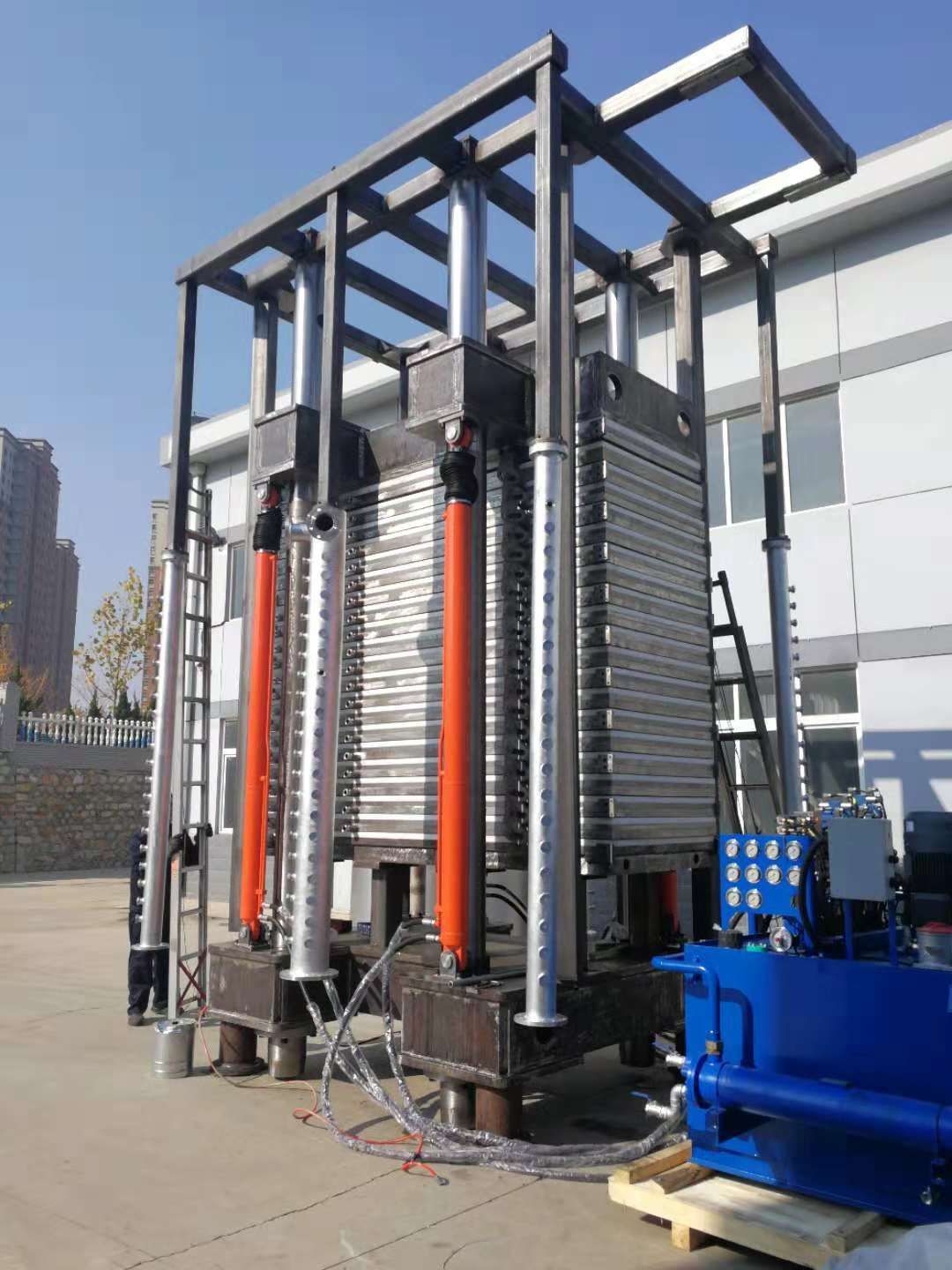
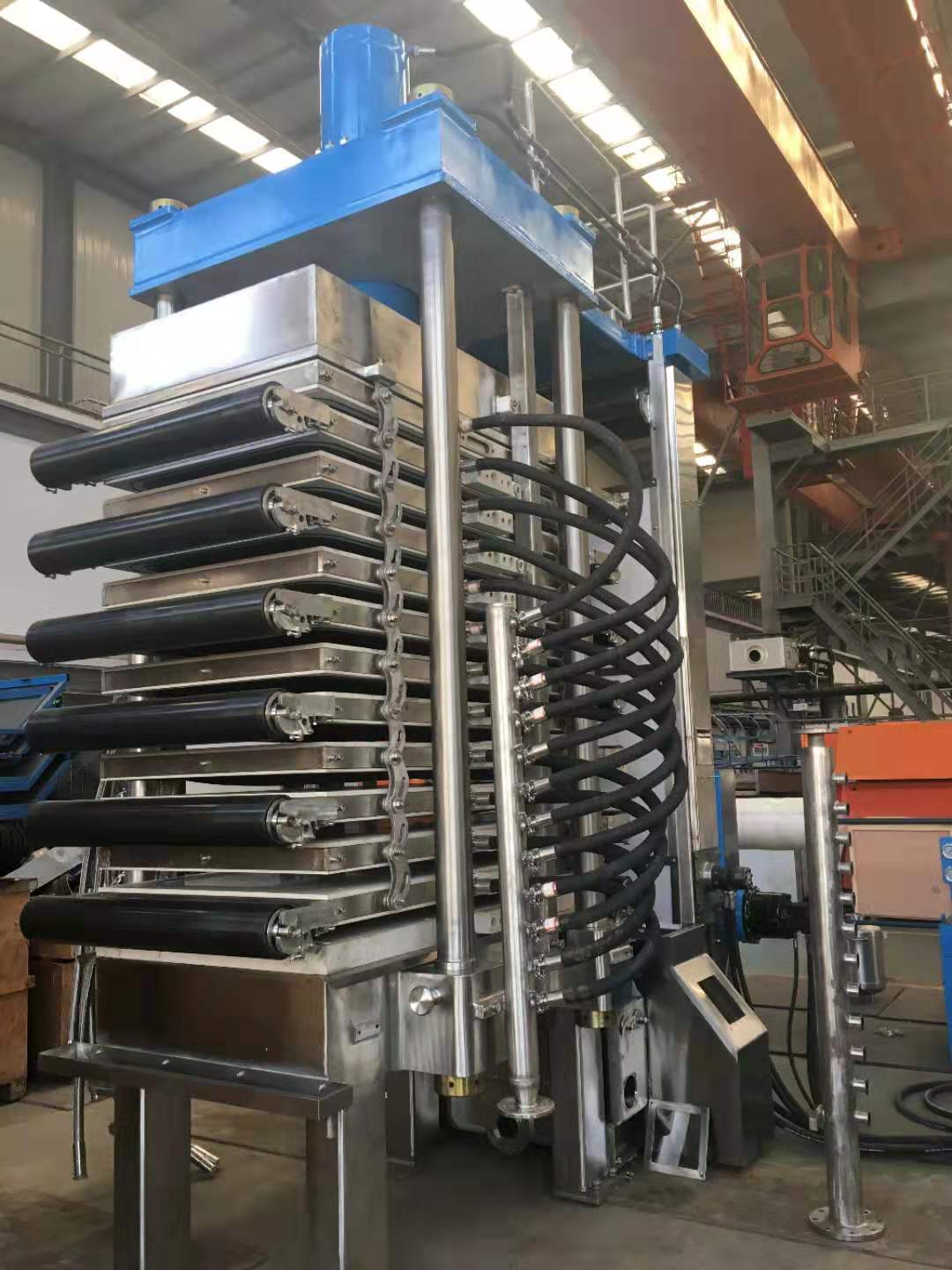
 Cake washing in a tower filter press should be included only when the process must remove soluble species, recover dissolved value, or protect a downstream step. Washing adds liquid and time, so it changes cycle capacity, filtrate routing, pressing duty, and compressed-air demand. The Фильтр башни TFP product sequence supports optional washing, optional second pressing, air drying, automatic cake discharge, and cloth regeneration. The correct recipe must still be established with representative slurry and wash-liquor tests.
When Is Cake Washing Worth Adding to the Cycle?
The decision begins with a measurable product or recovery target. Washing should solve a defined impurity or recovery problem rather than appear in the specification as a general sign of better filtration.
Impurity Removal and Product Recovery
Washing can displace mother liquor retained in cake pores. This may reduce soluble impurity in a concentrate or residue, recover dissolved product, or limit chemical carryover. State the target component, acceptable residual level, sampling method, and value or consequence of the recovered liquor. These inputs let test work compare washing benefit with water consumption and cycle time.
Cases Where Washing Adds Little Value
Washing may be unnecessary when cake purity is already acceptable, the retained liquid has no recovery value, or the cake structure channels wash liquor without useful displacement. It may also be impractical when wash water changes the solids, creates an unwanted reaction, or burdens downstream treatment. A short laboratory test can prevent an expensive wash stage that operators later bypass.
How Should Washing Fit Between Pressing and Air Drying?
A tower filter cycle is a sequence, not a set of independent options. Cake formation establishes the flow paths; washing displaces retained liquor; a second press can remove part of the added liquid; air drying then reduces remaining moisture before discharge.
Build a Uniform Cake Before Washing
Uneven chamber filling or cake thickness produces preferential channels. Wash liquor then passes through low-resistance areas while other zones remain contaminated. Stable feed concentration, appropriate filling, suitable cloth, and repeatable cake formation should be established before wash quantity is optimized. Troubleshooting a poor wash result by simply adding more liquid can increase cycle time without improving uniformity.
Use Second Pressing and Air Drying Deliberately
After washing, optional second pressing can expel retained wash liquor and recompact the cake. Air drying can then displace additional liquid. The sequence should be tested as a complete recipe because longer pressing or air time may improve moisture but reduce cycles per day. Available water pressure, compressed-air flow, filtrate handling, and energy constraints must be included in the decision.
Which Tests Define an Effective Wash Recipe?
Representative testing converts a purity requirement into practical values for wash volume, pressure, time, filtrate cut points, and post-wash dewatering. Results should cover normal feed and credible difficult material.
Track Impurity Against Wash Ratio and Time
Measure the target impurity in the cake and the composition of successive wash filtrate fractions. Record cake thickness, feed solids, particle size, filtration time, press conditions, and final moisture. When comparing solid-liquid separation equipment, use the same product target and analytical method so that a tower-filter wash cycle is not judged against a different process boundary.
Check Cake Integrity and Discharge
A wash result is not acceptable if the cake cracks, becomes too soft to discharge, sticks to the cloth, or creates uncontrolled filtrate mixing. Observe chamber filling, leakage, filtrate clarity, cake release, and cloth condition over repeated cycles. The preferred recipe should remain stable after the cloth is no longer new and when feed properties move within the expected range.
How Should Filtrate Streams and Controls Be Arranged?
The liquid system must preserve the value of the wash operation. Mixing every filtrate fraction can dilute recovered product or send concentrated mother liquor into a clean-water circuit.
Separate Liquor by Quality and Destination
Define where primary filtrate, early wash filtrate, late wash filtrate, and cleaning water will go. Dedicated receivers or timed diversion may be justified when compositions differ. Provide sample points and safe overflow routes. Conductivity, density, pH, turbidity, or a process-specific assay can support decisions, but the chosen signal should be validated against laboratory results.
Link Recipe Steps to Verifiable Conditions
Controls should confirm plate closure, feed completion, pressing status, wash delivery, second-press completion, air availability, and safe opening before discharge. Alarms need an operator response rather than an unexplained stop. Hexin’s automatic vertical filter press buyer checklist offers related procurement context for utilities, feed data, and automated operation.
Why Consider Hexin for a Wash-Capable Tower Filter?
A supplier should review the washing objective, test evidence, filtrate destinations, utilities, cycle-capacity tradeoff, and discharge behavior. Filtration area alone cannot define the result.
A Relevant Automated Process Sequence
Янтай Гексин Экологическая защита оборудования Co., Ltd supplies TFP tower filters within its solid-liquid separation portfolio. Published TFP information describes filtration, diaphragm pressing, optional washing, optional second pressing, air drying, cake discharge, and cloth regeneration under automated control. This makes the company a relevant supplier to consult for a wash-capable pressure-filtration duty. Final recipe and sizing should be confirmed by representative testing.
Вывод
Tower filter cake washing is valuable when it meets a measurable impurity or recovery target. Build a uniform cake first, test displacement with the real wash liquor, and evaluate second pressing and air drying as part of the same cycle. Separate filtrate fractions where quality or destination differs, and measure both cake purity and production capacity. A defensible recipe achieves the required wash result without hiding unacceptable water use, energy demand, poor discharge, or lost throughput.
Вопросы и ответы
Is more wash water always better in a tower filter?
No. Beyond the useful displacement range, additional water may mainly extend drainage and drying time, dilute recovered liquor, and reduce cycle capacity. Testing should identify the wash quantity that meets the cake-quality target with an acceptable process cost.
Why use a second press after cake washing?
A second press can remove part of the wash liquor retained in the cake and restore compaction before air drying. Whether it is worthwhile depends on cake compressibility, moisture target, cycle time, and available utilities.
Can cake washing be added after equipment installation?
Sometimes, but the existing machine, piping, receivers, valves, controls, wash-water supply, air capacity, and filtrate destinations must support it. Retrofitting without representative tests can move the bottleneck from cake purity to cycle time or liquid handling.