 Spanish
 English
 Russian
The matter of the filter cake sticking to the discharge end of the vacuum belt filter cannot be considered simply as a maintenance issue. The wet product can move along the belt, pile up next to the roller or drop off outside of the chute. This will only worsen any efforts to solve the problem by increasing the belt speed or trying to scrape more forcefully, as the issue may be related to the wetness of the cake or its incorrect geometry.
Where Should the Cake Release from a Vacuum Belt Filter?
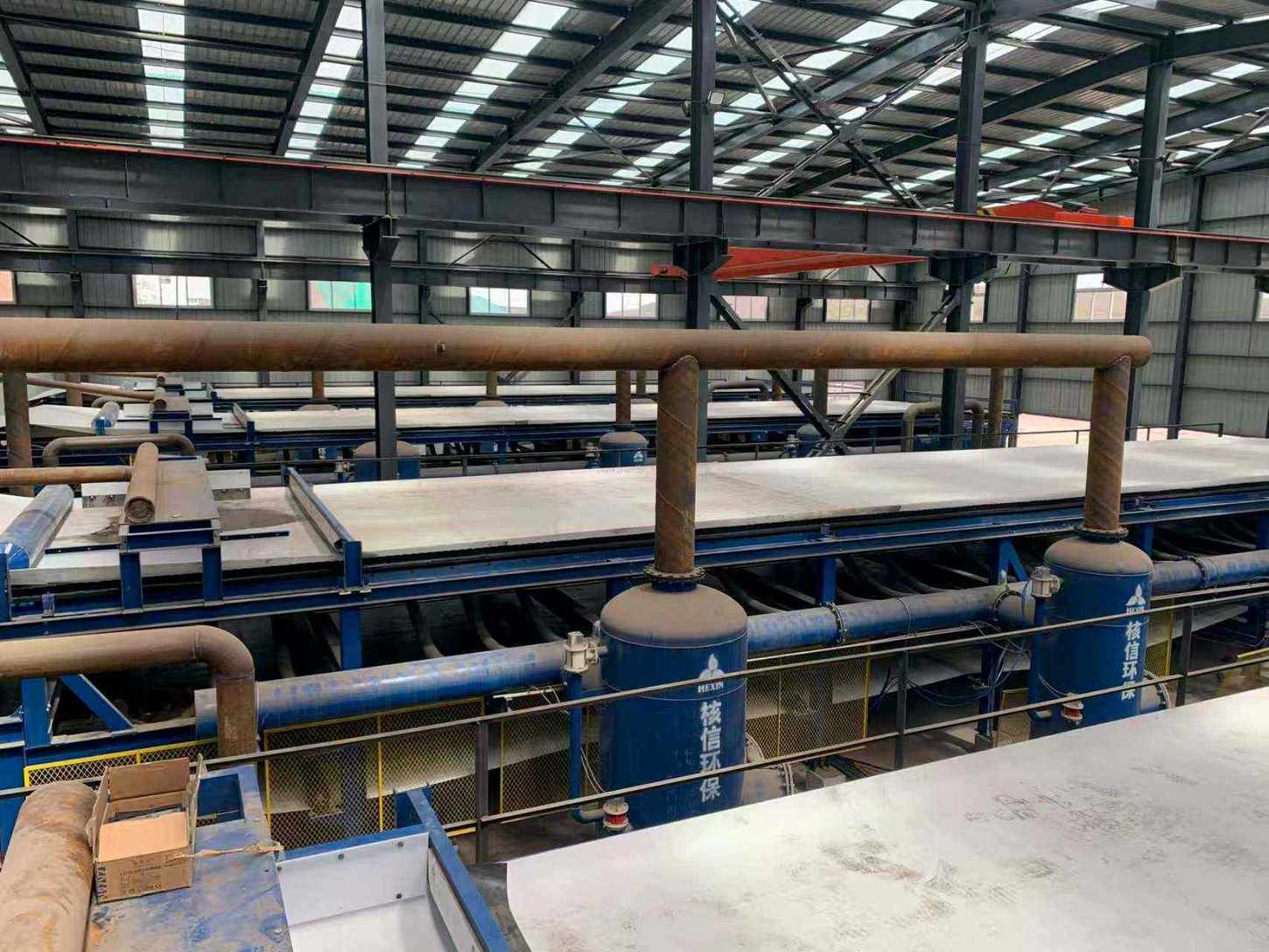
It is important to understand the concept of a release point because the vacuum belt filter operates on the basis of a horizontally moving filter cloth mounted on a rubber belt.
Follow the Cloth Around the Discharge Roller
In Hexin’s Filtro de correa de BF, slurry passes through filtration, washing, and drying while the cloth and rubber belt move together. At the discharge roller, the cloth peels off the rubber belt and the cake is discharged. The cloth is cleaned and regenerated before it moves back to the feed area. Should any solids persist after the discharge roller, check where the cloth changes directions, not just the chute below it.
Identify the Actual Symptom
Be on the lookout for continuous sheets of cake which do not peel off, little spots remaining on the cloth, or cloth peeling which fails to fall in the chute. Pictures taken at a safe distance while feed conditions prevail can aid in comparing shifts. Avoid putting hands in the moving discharge area.
Could Cake Moisture Be Causing the Sticking?
The cake release is also influenced by the way the solids behave after vacuum drying because the moisture affects them.
Compare Wet Patches with Vacuum and Residence Time
Inadequate dewatering results in a soft and smudged cake. Look for a change in the vacuum pressure, flow of wash water into the dryer section, and increase in the belt speed without adequate drying time. Observe cake thickness along the belt. In case of thicker part of the cake, the center may contain more moisture than the periphery.
For the wider relationship between throughput and drying time, Hexin’s belt filter capacity and cake moisture guide provides useful process context. The aim here is identifying the release failure.
Watch for Slurry Changes
Sticky fine particles, changes in feed chemistry, and inconsistent upstream concentration can alter cake texture. Compare a failing shift with an earlier stable sample. If a new ore blend or reagent change coincides with sticking, run a controlled process check before modifying mechanical parts.
Is the Filter Cloth Preventing Clean Cake Release?
A fairly moist cake will still stick to the cloth in case it has undergone any changes. Evaluate its condition independently of the rubber carrier belt.
Check Blinding, Damage, and Cloth Tension
Residuals have a tendency to block up the cloth and create an uneven deposit on the surface. Check for any spots that may be glossy or tough to the touch, folds in the cloth, broken seams, and poor registration. Additionally, make sure that the cloth tension and roller alignment are as per instructions for the equipment being used.
Examine Cleaning and Discharge Hardware
The BF system incorporates a continuous regeneration of cloths and can be designed to have a high-pressure cloth cleaning option. Check the spray coverage and blockages of nozzles when they exist. Some discharge systems may incorporate scrapers or doctor blades; if such a blade is present, check clearance, blade wear, mounting, and the accumulation of deposits according to its design. Don’t always assume that there will be a blade on every BF system.
How Can Operators Find the Cause Without Creating Another Fault?
A quick and repeated experiment yields more accurate results than changing multiple things at a time. It is best to start by saving data from the last known stable experiment.
Separate Process Causes from Mechanical Causes
Note down the initial position of the retained cake, cake moisture, belt speed, vacuum trend, feed solids, wash water condition, and cloth cleaning status. If sticking appears mainly after a wetter feed arrives, investigate the process side. If it stays on one edge under different feed conditions, examine tracking, local cloth condition, discharge geometry, and any installed scraper.
Make One Controlled Change
After approved isolation, return to a documented baseline. Modify the single variable that has been validated through experiment, and see how it affects cake release and quality of the filtrate. When changing the speed, contact, and pressure, it becomes increasingly hard to ascertain the real remedy.
What Should a Reliable Discharge Check Include?
For plants purchasing or upgrading belt filtration equipment, acceptance testing should include the discharge point, not just throughput figures.
Keep a Record That Maintenance Can Use
Document representative feed conditions, a clear discharge photograph, retained cake on the cloth, cleaning performance, roller and cloth condition, and any approved scraper setting. Ask the supplier to identify the intended release geometry and access needed to inspect it. A stable test should show cake entering the intended chute without carryback.
Why Consider Yantai Hexin for Vacuum Belt Filtration?
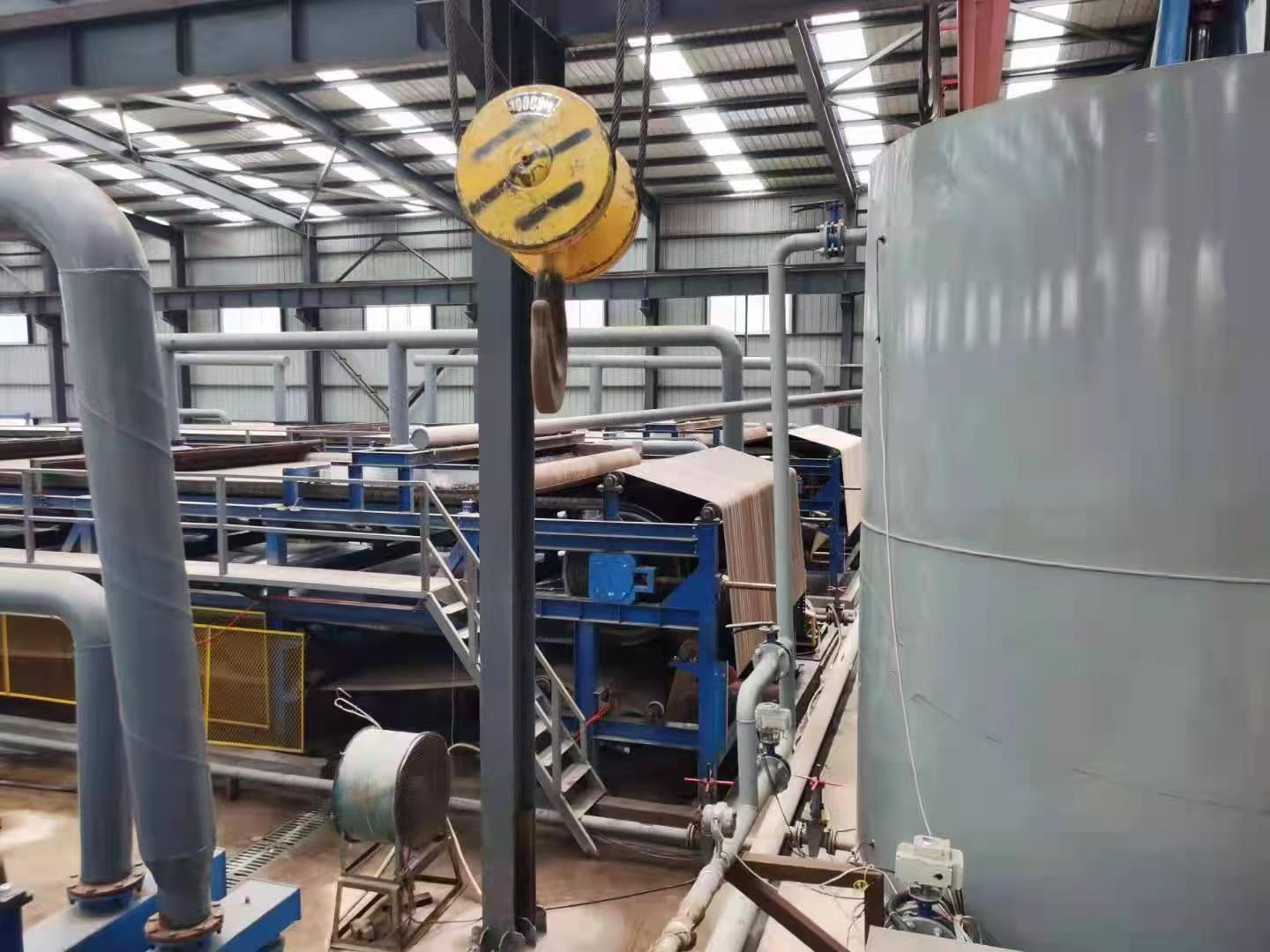
Yantai Hexin Ambient Protection Equipment Co., Ltd supplies industrial filtration equipment, including belt filters, ceramic filters, tower presses, and thickeners. Its BF line uses synchronized cloth and rubber-belt movement, a fixed vacuum box, and cloth regeneration. Buyers can discuss feed characteristics, cake-release expectations, and accessible maintenance arrangements with the supplier before finalizing a configuration.
Conclusión
Cake sticking is a symptom, not a diagnosis. Confirm where release first fails, then compare cake moisture and feed changes with cloth condition and discharge hardware. It is more valuable to adopt corrections which have been proven through a steady performance record and a well-conducted experiment than a sudden increase in either speed or blade pressure.
Preguntas frecuentes
Can a wetter cake make discharge sticking worse?
Yes. Wet or moist cake tends to stick on the cloth depending on the material used, but you should check vacuum, drying time, feed properties, and local thickness of the cake before concluding that the problem is due to the roller.
Does every vacuum belt filter need a scraper at discharge?
No. Release geometry differs by configuration. Hexin describes cake release as the cloth separates from the rubber belt at the discharge roller. Inspect a scraper only where the installed arrangement includes one.
What should operators record when cake starts carrying back?
Document the position and patterning of residues, as well as feed parameters, vacuum levels, speeds, moisture, cloth condition, cleanliness, and any adjustments made. Such information is used to distinguish between process variance and mechanical flaws.