 Spanish
  English
  Russian
 A ceramic vacuum filter provides steady dewatering only if its key parts stay in great shape. These parts include the ceramic plates, vacuum system, backwashing circuit, and rotating cycle. In tasks involving mineral concentrate, tailings, non-ferrous metals, and wastewater, pores can slowly clog. Vacuum power might also drop. You will usually notice these issues when the cake gets wetter. The throughput might decrease, or the filtrate might become unstable. Therefore, maintenance teams must focus on keeping the plates clear and the vacuum strong. They need to do this before the machine stops working and halts production.
Why Is Ceramic Plate Cleaning Central to Filter Performance?
The ceramic plate acts as the main filtration medium. As a result, the condition of its pores directly controls the liquid flow. It also determines how well the cake forms.
How Does the DF Ceramic Filter Use Its Plates?
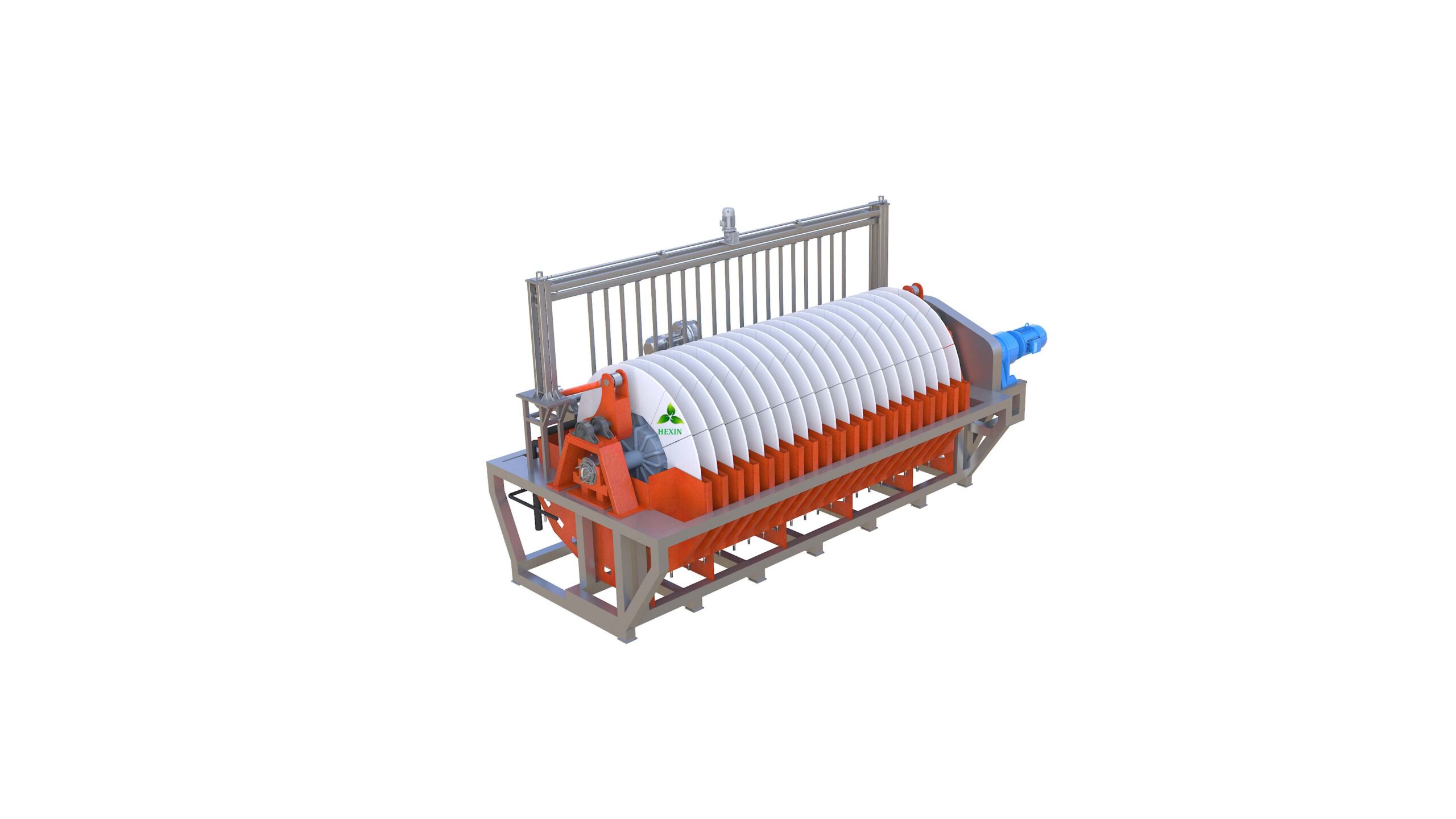
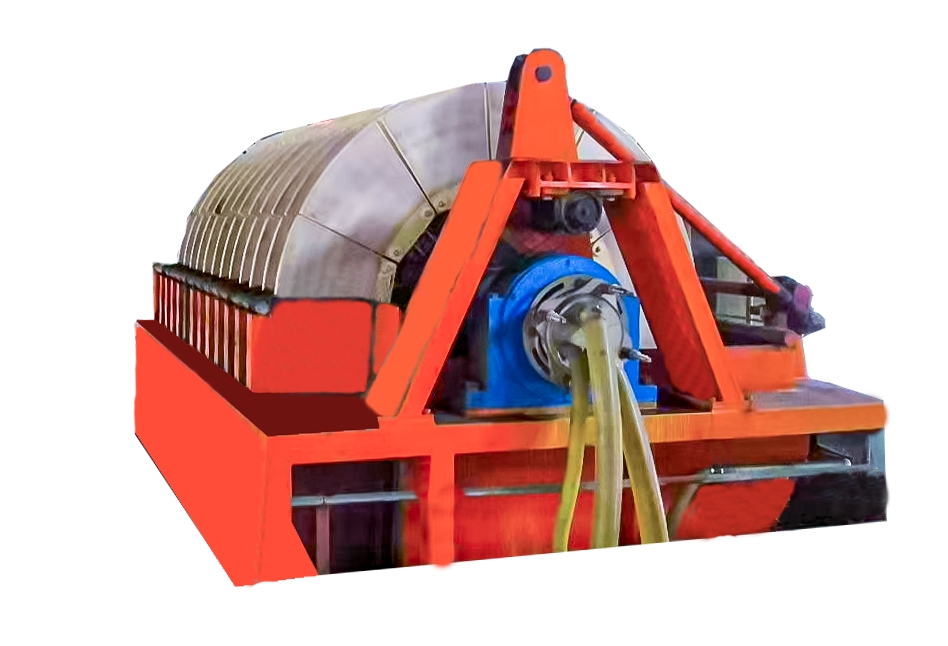
Hexin’s Filtro de cerámica DF operates using negative pressure. It also relies on the capillary action of the ceramic filter plate. Liquid flows freely through the porous ceramic surface. Meanwhile, solid particles stay on the outside to build a cake.
The entire filtration process relies on these tiny pores. Over time, dirt and particles build up and increase flow resistance. The vacuum pump might still run perfectly. However, a blocked plate will slow down the filtrate flow. It will also cause poor cake formation.
Operators need to check the current performance against a clean baseline. You might see a slow drop in the filtrate rate or cake quality. This slow drop serves as a helpful warning for early maintenance. It is much better to act early than to wait for a total production stop.
How Should Routine Backwashing Be Managed?
Backwashing serves as the very first cleaning step. It is built right into the standard DF operating cycle.
What Does Backwashing Do?
The DF plate moves into a specific backwashing zone right after cake discharge. Hexin notes that you can push industrial water or compressed air through the backwashing line. This action cleans the internal channels. It also washes the ceramic plate from the inside out.
Maintenance teams must ensure the backwash fluid reaches the plates evenly every time. They should also check that all lines, valves, and passages remain clear. Sometimes, one specific group of plates works poorly compared to the rest. If this happens, you should inspect that exact section. Do not simply change the cycle settings for the entire machine.
When Is Deeper Ceramic Plate Cleaning Needed?
Regular backwashing is helpful but has limits. It might fail to clear stubborn deposits that slowly gather inside or on the plate surface.
How Does Ultrasonic Cleaning Support Plate Recovery?
Hexin’s DF product details explain a deeper cleaning method. The ceramic plate goes through periodic ultrasonic cleaning. This process uses a dilute acid solution. It helps the equipment maintain high operating efficiency over time.
The best time between cleans depends heavily on your specific slurry. It also depends on how much the performance has actually dropped. You must carefully manage the chemical concentration and exposure time. Always follow the supplier’s exact instructions regarding compatibility for your specific plate and process material.
You should review the machine’s work after finishing a deep clean. Look closely at the vacuum behavior, filtrate flow, cake formation, and final moisture. Compare these new numbers with your older pre-cleaning records. This comparison proves whether dirty plates actually caused the initial drop in performance.
What Causes Vacuum Loss in a Ceramic Filter?
The machine strictly requires a stable negative pressure. It needs this steady suction during both the cake formation and drying stages.
Which Areas Should Be Checked First?
Workers should perform general maintenance checks regularly. They need to inspect the vacuum pump, piping, and hoses. They must also look at the seals, valves, and liquid collection parts. Finally, they should check all connections tied to the rotating filtration system.
The DF Ceramic Filter forms a solid cake while the plates sit submerged in the slurry. This happens under a strong vacuum. Next, the rotor moves this fresh cake into a designated drying zone. The vacuum keeps pulling moisture out before the final discharge.
Any vacuum problem will clearly impact both the cake thickness and the final moisture level. The cake might suddenly turn out thin and wet. When this occurs, operators must check the vacuum system for leaks. They should do this instead of just making the cycle time longer.
How Can Operators Separate Plate Fouling From Vacuum Problems?
The warning signs for both issues often look quite similar. Because of this, troubleshooting requires looking at multiple operating signals. You should never rely on just a single observation.
What Patterns Help Identify the Cause?
Sometimes the vacuum stays completely stable, but the filtrate flow drops slowly. In this case, you should check the plate permeability or look for changes in the slurry. On the other hand, the vacuum might drop suddenly or swing up and down. If this happens, you should immediately check for leaks. You must also inspect the pump condition, seals, and other vacuum-system parts.
You might see that only one single group of plates produces a bad cake. Meanwhile, the rest of the plates work perfectly fine. This usually points to a local blockage, physical damage, or a fluid distribution problem. It is highly unlikely to be a machine-wide vacuum issue.
Keep good daily records of the vacuum level, filtrate flow, and cake moisture. You should also track all cleaning events and note the overall plate condition. Having these details written down makes it much easier to spot these failure patterns.
Why Does Cycle Stability Matter as Much as Maximum Capacity?
A ceramic filter constantly repeats several stages. These include filtration, drying, discharge, backwashing, and periodic deeper cleaning. Steady production relies entirely on every single stage working consistently without fail.
Which Changes Can Destabilize the Cycle?
Many different factors can easily upset the machine’s balance. These factors include feed density, particle size, vacuum strength, and plate permeability. Rotor speed, cake release quality, and general cleaning effectiveness also play huge roles.
You might try to increase throughput without allowing enough time for the cake to form. This mistake will likely produce a very thin cake. Alternatively, you might extend the drying time to reduce moisture. This choice will unfortunately lower your total hourly production. Furthermore, poor backwashing causes a slow drop in performance. Operators often make the mistake of trying to fix this drop by simply changing the rotor speed.
Maintenance teams must take a broad view of the process. They should evaluate the cycle settings alongside the actual physical condition of the equipment.
What Should Be Included in a Ceramic Filter Maintenance Routine?
A truly effective maintenance program does two things at once. It directly connects physical inspection work with the final process results.
Which Checks Should Be Recorded?
Your routine records must cover several key areas. You need to log vacuum stability, filtrate condition, cake formation, and cake moisture. You should also note the plate appearance, backwash performance, and scraper condition. Always write down any abnormal leakage or strange noises.
Operators should carefully record the exact dates for ultrasonic or chemical cleaning. They must also note if the machine’s performance actually improves after the wash. This step changes cleaning from a blind habit into a smart, condition-based maintenance plan.
Why Choose Yantai Hexin for Ceramic Filtration Equipment?
Yantai Hexin Ambient Protection Equipment Co., Ltd possesses more than 20 years of valuable experience in the filtration industry. The company supplies ceramic filters, belt filters, and tower filter presses. It also provides high-efficiency thickeners and complete EPC solutions.
How Does the DF Ceramic Filter Support Maintainable Operation?
The DF Ceramic Filter brings together several advanced features. It combines ceramic capillary filtration with vacuum drying and cake scraping. It also features internal backwashing and periodic ultrasonic cleaning. Hexin describes this machine as highly automated and wonderfully compact. Furthermore, it remains very easy to install and maintain.
Mining and industrial users want stable, reliable results. To achieve this, they must maintain all these functions together as one complete system. They should never focus their efforts solely on the ceramic plate.
Conclusión
Ceramic vacuum filter maintenance requires attention to three connected areas. You must keep the ceramic pores open. You need to maintain a stable vacuum. Finally, you must preserve a highly repeatable cycle. Routine backwashing easily clears away normal daily contamination. Meanwhile, periodic deeper cleaning restores plate efficiency when heavy deposits start to build up.
Sometimes the cake moisture rises or the total throughput falls. When this happens, operators should look at the vacuum, filtrate flow, plate condition, and cycle behavior. They must do this before changing any machine settings. This careful approach makes it much easier to tell the difference between dirty plates and actual vacuum-system faults.
Preguntas frecuentes
1. How Often Should Ceramic Filter Plates Be Deep-Cleaned?
There is no perfect time interval that works for every single slurry. The cleaning frequency must match the actual plate performance and the specific process material. You should also follow the supplier guidance closely. Pay attention to any obvious trends in the filtrate flow or cake formation.
2. Can Dirty Ceramic Plates Cause Higher Cake Moisture?
Yes, they certainly can. Blocked pores reduce the plate’s overall permeability. This blockage severely limits liquid removal. It also disrupts proper cake formation and the drying process. Ultimately, these issues lead to a much wetter final discharge.
3. What Should Be Checked First When Ceramic Filter Vacuum Drops?
You must inspect the entire vacuum system in a systematic way. Check the pump, piping, hoses, seals, and valves. Look at all the connected liquid-handling parts as well. After that, compare your inspection findings with the current plate condition and recent process data.