 Spanish
 English
 Russian
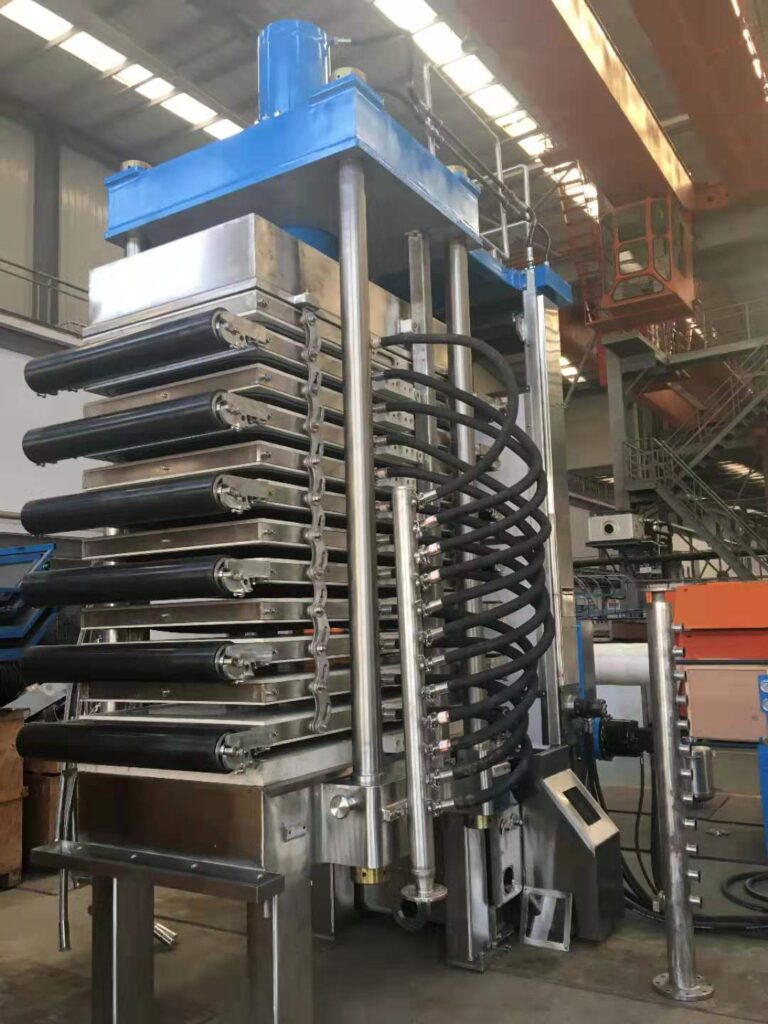
“The cake won’t come off” sounds like a cloth complaint. It may be one, although you need to see what happens at discharge before ordering fabric. On a Filtro de torre TFP, a soft cake clinging to the surface calls for a different review from a firm cake that has detached but cannot leave the chute. Watch an approved discharge cycle from outside the guarded area. The aim is to put a location and a description to the complaint.
Where does the discharge sequence break down?
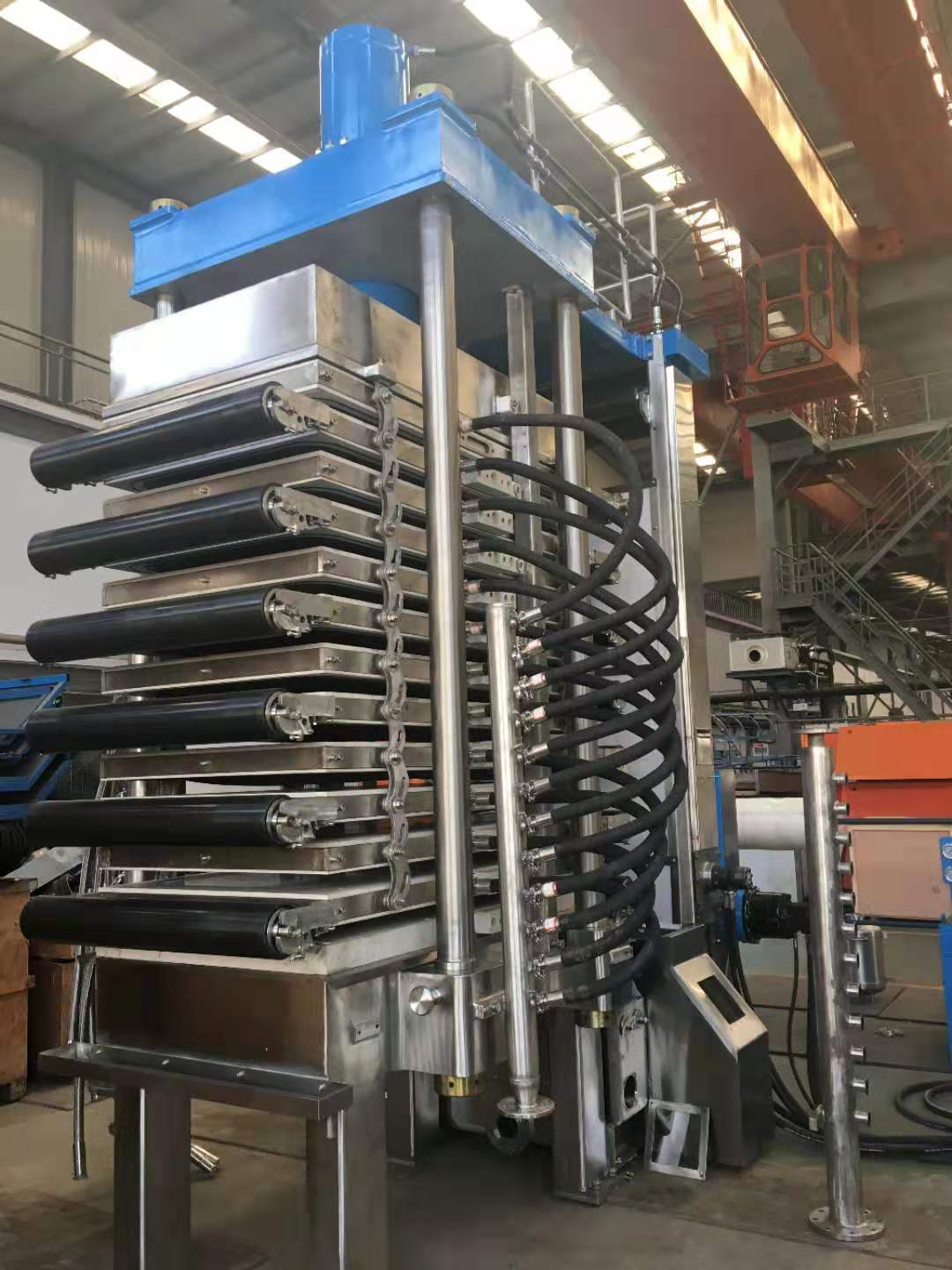
Hexin’s TFP sequence ends with plate opening and cloth movement after drying. The cloth drive discharges cake from both sides of the press. That sequence gives operators several points to observe from an approved viewing position.
Describe what stays behind
Put the observation into the work order in plain terms. “A patch remains at this position” gives the fitter somewhere to look. “All cakes are softer than yesterday” points towards a wider review.
Suppose cake leaves the cloth but accumulates below the press. Replacing the fabric would leave that obstruction in place. Check the receiving chute and downstream handling arrangement as a separate task. Keep hands and tools clear of moving cloth. For work inside the press, use the site’s isolation procedure and verify that stored pressure is released and automatic movement prevented.
Has the cake reached a suitable condition for release?
The appearance of the discharged cake is a useful starting point. It also needs to be compared with the feed and recipe used for that batch.
Compare a difficult batch with a satisfactory one
Take the troublesome batch’s record back to the last satisfactory run. What changed between them? Feed concentration is one item to compare; the time spent filtering and the pressing record are others. If washing or air drying was used, include that portion of the recipe. The cloth may be unchanged while the material arriving on it is quite different.
A wet, weak cake and a firm cake adhering to the cloth are different observations. The first calls for a review of cake formation and dewatering as well as cloth condition. The second raises questions about the contact surface and release movement.
For filtros prensa verticales, assess any recipe adjustment against the entire cycle. More time in one stage can reduce hourly output. Record the result of a controlled trial, including discharge quality, before keeping the change. Stay within the approved operating range throughout the trial.
What is left on the cloth after discharge?
The cloth has to retain solids, pass liquid and release cake. Its surface condition is therefore worth checking before its specification is changed.
Inspect a marked area after isolation
Once the press is isolated, find the marked portion of cloth. Has residue worked into the weave, or is a deposit sitting on top? Are there damaged fibres or a distorted patch? Photograph what you find before using the approved cleaning method. Then note what happens to release on subsequent runs.
A completed wash signal only tells you that the sequence ran. It doesn’t show that water reached every part of the fabric. Look at the nozzle arrangement during the maintenance inspection: a blocked nozzle or a displaced jet can leave an unwashed strip. Correct the coverage using the equipment procedure. For cleaning agents and exposure, obtain instructions compatible with the installed cloth.
Hexin’s tower filter cake washing guide discusses the relationship between washing, second pressing and drying. If the complaint began after a change to cake washing, include that change in the review. Label the two washes clearly in the log: liquid sent through the cake and water used to regenerate the cloth are different operations.
Does the cloth follow its intended path?
A sound fabric may still perform poorly if its installed path or movement is wrong. Refer to the machine drawings before adjusting that path.
Check the installation against its reference
Record whether the cloth runs as intended during the approved observation procedure. With the machine isolated, follow the cloth route on the drawing and compare it with the installation. A fold, an edge showing unusual wear, or a deposit near a moving component is worth recording. Any tension or alignment correction needs the procedure for this press; the setting from a different machine isn’t a substitute.
Review recent work too. A cloth installation, roller repair or recipe edit may give you a starting point for the review. If a drive alarm or an incomplete opening sequence accompanies poor release, report those details to the equipment supplier before attempting another run.
When have you gathered enough evidence to order cloth?
There comes a point when another wash won’t help. Damage, a confirmed mismatch with the duty, or performance that cannot be restored by approved cleaning gives the purchaser a reason to discuss replacement.
Agree on the comparison before fitting a candidate
Give the supplier the existing cloth reference, photographs, slurry information and the recorded release pattern. If the proposal changes the fabric, ask for a trial on representative material. Release is part of the comparison, but so are retention and liquid passage. You still need acceptable filtrate and a workable cycle after the cake comes off.
Write down what remains after discharge and what has to be cleaned before the next cycle. Agree on this comparison with the supplier before the candidate is fitted.
What support can buyers request from Hexin?
The enquiry should connect the release problem to the actual press and process conditions.
Send a useful equipment record
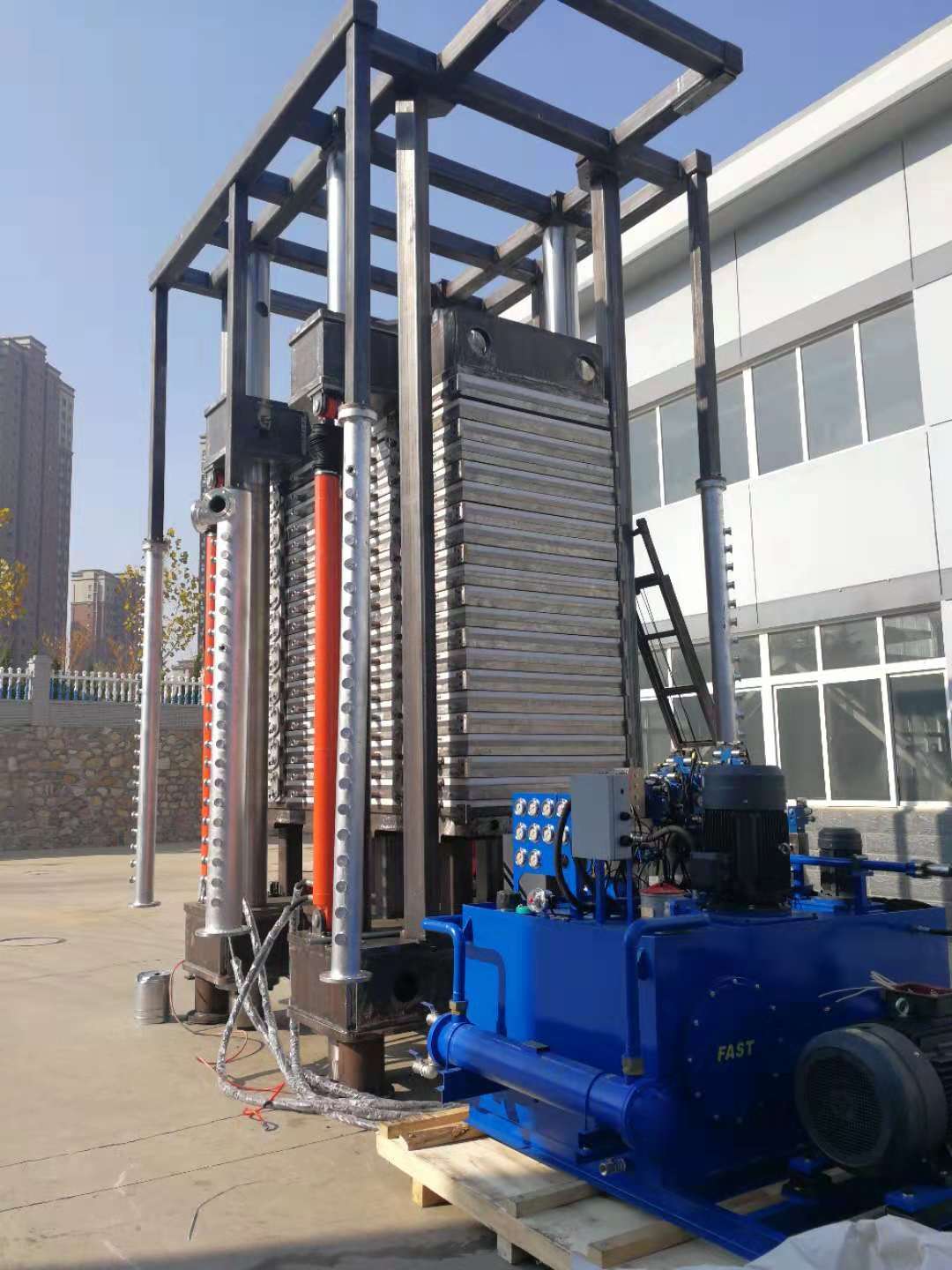
For TFP enquiries, Yantai Hexin Ambient Protection Equipment Co., Ltd offers filtration equipment manufacturing and after-sales service. The published TFP sequence covers pressing and drying through to automatic discharge and cloth regeneration. Send the model, cloth reference and fault record when requesting technical guidance or replacement-parts information. For a new purchase, ask for the proposed discharge arrangement and quotation based on your slurry duty.
Conclusión
Locate the point at which release fails, then review cake condition, the cloth surface and its movement. Record changes individually.
Preguntas frecuentes
Should operators extend air drying whenever cake sticks?
Check the cake condition and the batch record first. A surface or movement problem may remain after extra drying, while the longer cycle reduces output.
Can cloth cleaning help without a fabric change?
It can where removable deposits contribute to poor release. Use an approved method and compare performance afterwards. Damaged cloth needs a separate assessment.
What information helps a supplier assess poor discharge?
Provide the machine model, affected locations, photographs, cloth reference, feed changes and cycle records. Include any alarms and recent maintenance.