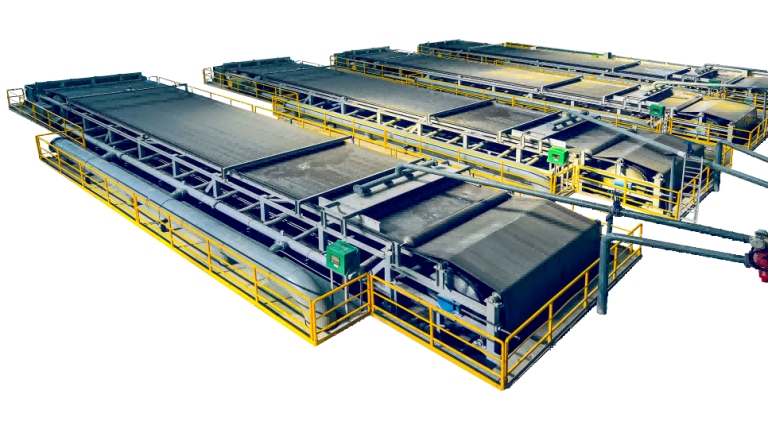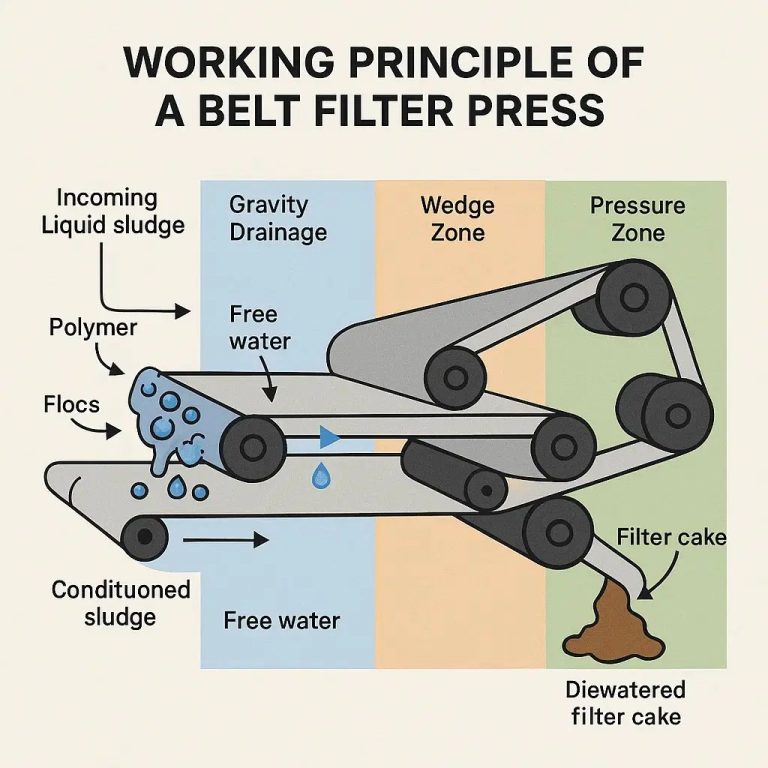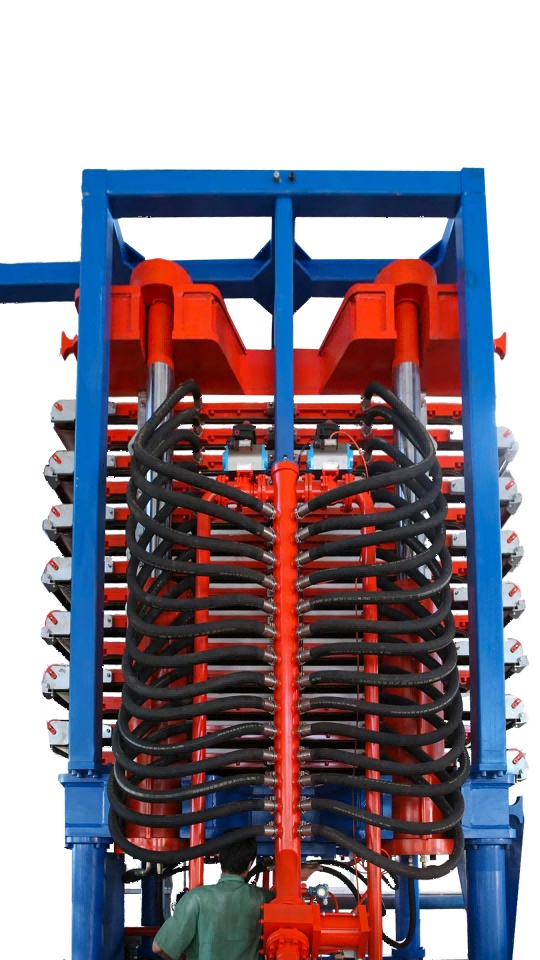
 English
  Russian
  Spanish
 Introduction to Solid Liquid Separation Challenges
Across mining operations and chemical facilities, solid liquid separation stands as a fundamental step in handling slurries, pulling out resources worth saving, and sticking to strict environmental rules. When equipment hits snags, everything slows down, racking up expenses and cutting into productivity. Problems usually come from shifting slurry makeup, parts wearing out, or skipped checks, yet getting a handle on them leads to solid fixes. Picture a standard tailings setup in mining: if dewatering falls short or blockages build, water reuse tanks, and handling fees jump, hitting 15-20% higher based on what sites report.
Those deep in the field recognize that solid liquid separation goes beyond the hardware—it’s about juggling factors to get dry solids and clean liquids. For a deeper dive into foundational concepts, explore our guide on solid liquid separation methods, equipment, and industrial use cases. Practical steps in troubleshooting turn headaches into routine adjustments, pulling from actual cases where belt or ceramic setups face daily glitches. The demands run high in areas like metallurgy or wastewater handling, where shaky separation risks penalties or dropped yields. Logs from chemical lines show vibrations or leaks often link back to basic misalignments, making up a quarter of surprise repair needs. Spotting these soon keeps flows steady and stretches machine lifespan, crucial for holding costs in check.
Understanding Solid Liquid Separation Methods and Their Common Pitfalls
Solid Liquid Separation Methods Overview
Solid liquid separation methods anchor processes dealing with mixed solids and liquids, targeting clean splits with minimal waste. Gravity approaches work well where space allows settling, clearing tops or bulking bottoms to lighten later stages. Still, they falter on tiny bits or thick mixes, often needing additives to step up results. Pressure filtration pushes fluids through barriers, stacking solids that call for smart media picks to dodge buildup or weak drops.
Squeezing for dewatering follows, wringing out extra water after cakes form, perfect for low-wetness needs in tailings. Spinning via centrifuges packs it tight, separating by weight at speed, but needs tight reins on inputs to avoid shakes. Methods link to gear builds, though snags hit when slurry traits flip, like heat shifts thickening flows and dragging the whole line.
Liquid Solid Separation Fundamentals
Liquid solid separation basics turn on differences in traits like scale, heaviness, or surface feel. In a chemical flow, small bits slip through if tuning misses their habits, clouding returns that gum up reuse paths. Core rules stress steady pressure gaps or rates, but site realities bring swings like acid-base changes that wreck clumping. Teams sometimes miss how reused water worsens, adding junk that amps up separation hurdles.
Think of a plant making fertilizers: if liquid solid separation lets too many bits pass, later units block, trimming production 10-15% at worst. Nailing fundamentals spots early flags, like uneven buildup signaling feed spreads or pull strength off kilter.
Solid-Liquid Separation Processes Explained
Solid-liquid separation processes unfold in phases, kicking off with slurry prep via bulking or dosing to boost splits. Filtration comes next, liquids crossing screens as solids pile, under pull or push. Wrapping up, dewatering sheds last dampness, key for stackable mining waste. Breakdowns show ties—thickening slips from weak arms overload filters, stretching times.
In sewage work, processes explain flops like trapped air cutting flow, or misfit plates leaking in presses. Mapping details reveals upfront solids checks cut 30% of later messes, per metallurgy records.
Why Solid Liquid Separator Failures Occur
Solid liquid separator failures often root in mismatched gear and slurry features, fines flooding holes or weight shifts causing spotty drops. Parts issues, worn rings or off-center bits, pile on, leaking to dirty sides. Site conditions, heat jumps outdoors, tweak slurry flow, turning predictable into chaos.
In paper mills, failures might overload from fiber mats too thick, stopping movement. Causes tie to weak prep, dosing off, yielding bad clumps and breakdowns.
Common Issues in Solid-Liquid Separator Operations
Solid-liquid separator operations hit snags like unsteady output, feed solids varying performance. Shakes from uneven spins or pumps hint at deeper fixes, potentially halving bearing runs if skipped. In mine waste, issues cover cake splits on drop, from short squeeze times.
Operations need sharp watches; pressure falls across screens flag resistance climbs, signs of blocks dropping capacity 20% fast.
Factors Affecting Separation of Solid from Liquid
Particle spreads sway separation of solid from liquid, wide mixes leading to picky grabs and fines hanging. Chemistry factors in—strong salts aid binding, overdo scatters bits, toughening pulls. Flow speeds affect solid-media meets; rushed, wear kicks in.
In food lines, heat as a factor melts fats, shifting splits and risking gunk if designs ignore it.
Top Common Problems in Liquid Solid Separation Equipment
Clogging and Blockages in Solid Liquid Separation Equipment
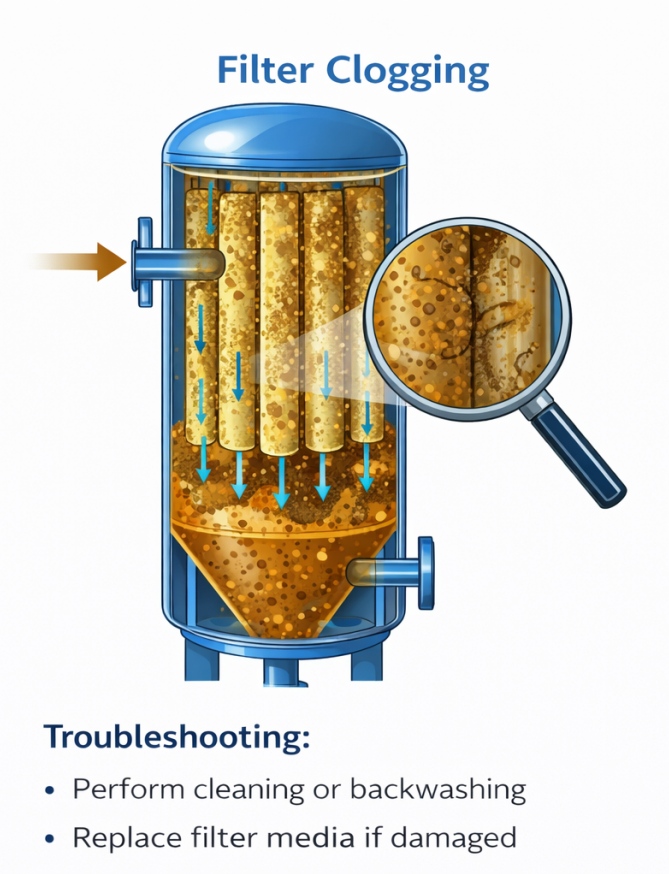
Clogging tops disruptions in solid liquid separation equipment, piled solids narrowing paths and sapping strength. Belt types see chemical stickies cling to fabrics, sealing layers needing constant scrubs. Blocks creep in with slight pressure hikes, ballooning to halts, as metallurgy spots show ore bits bridging gaps.
Tackling means eyeing feed steadiness; odd shapes worsen, flipping standard runs into repair drags.
Troubleshooting Solid Liquid Filtration Problems
Troubleshooting solid liquid filtration problems opens with media checks—rips or fades let bits sneak, fogging outputs. Backflushes fix, but mistimed overload. Wastewater cases show growth on screens, cleared by clean routines.
Logs spot trends, like season heat thickening and slowing rates.
Filtration in Solid Liquid Separation Challenges
Filtration in solid liquid separation challenges link to media fits and cake handling. Heavy fines blind quick, needing binders to bunch. Mining challenges abrasive mixes wearing early, trimming life 40% harsh.
Beating calls for wash balances, clearing without cake harm.
Inefficiencies in Liquid Solid Separation Technology
Inefficiencies dog liquid solid separation technology when setups miss feed flips, like solids spikes. Thickeners rely on arms that stick in thick bottoms, stalling. Show as weak water pulls, 10% extra damp from poor squeezes.
Fertilizer cases flag old controls as gaps, stressing auto tweaks.
Solid Liquid Separation Technology Breakdowns
Breakdowns in solid liquid separation technology hit joints or sensors, rust from harsh chems weakening. Tower presses see fluid fails, lengthening runs and slashing flows. Ceramic types break on seal slips, air breaking pull.
Stopping calls routine looks, nabbing cracks pre-spread.
Industrial Liquid Solid Separation Hurdles
Industrial liquid solid separation hurdles cover buildup from minerals in tough water, pinching channels and upping power. Sewage foams from soaps mess levels. Settings need strong builds for swings, hurdles linger on skipped lube spots.
Hurdles stack, lifting run costs 15-25%, pushing forward steps.
Wear and Tear in Solid-Liquid Separation Equipment
Wear and tear in solid-liquid separation equipment speeds in rough spots, grinding bits like straps or slabs over cycles. Thickeners see arms fade from solid rubs. Tear shows leaks or weak pulls, tied to wrong picks for eat-away mixes.
Metallurgy wear shrinks overhaul gaps, budget hits.
Liquid Solids Separation Maintenance Issues
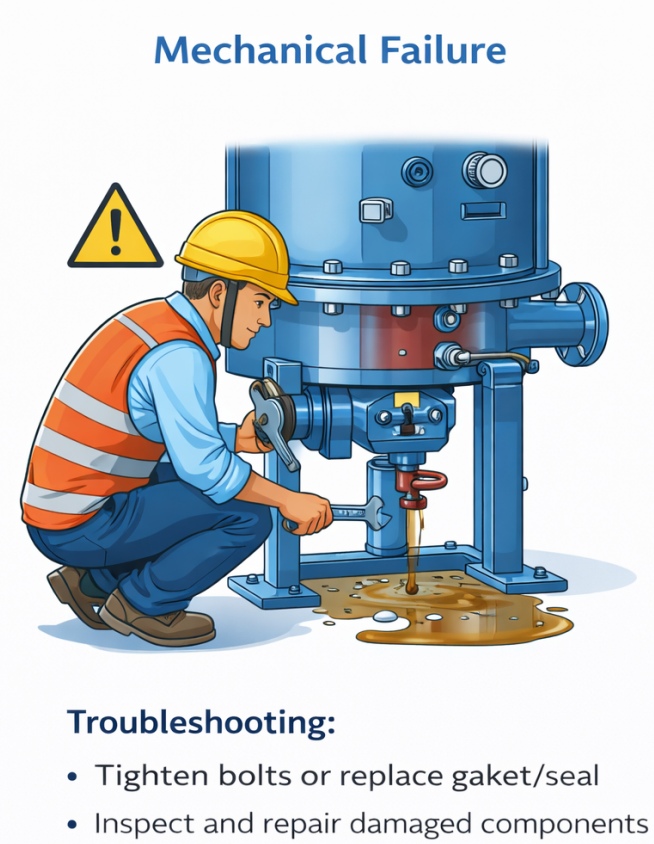
Maintenance issues in liquid solids separation stem from hard-reach builds, inspections skipped spotting grabs. Issues grow remote mines, parts waits stretching stops. Schedules with bolt tightens ease, lapses invite shakes spreading fails.
Records show oil skips halve pump spans.
Solid Liquid Separation Machine Malfunctions
Malfunctions in solid liquid separation machines tie electrics, sensor shifts erratic. Ceramic malfunctions on pore plugs from oils. Food machines glitch hygiene slips, breeding gunk fouling.
Pinpointing isolates, power to fluids.
Step-by-Step Troubleshooting for Solids Separation Systems
Diagnosing Problems in Solids Separation
Diagnosing problems in solids separation starts visuals for leaks or sounds, then data tracks for pressure or flow patterns. Chemical systems show via cloudy spikes, media breaks. Sampling multiples pinpoints drops.
Gauges check wear no teardown, time saver busy.
Solid Separation System Diagnostics
Diagnostics for solid separation systems stress live watches, probes tracking solids tweaking. PLCs flag overloads, thickener jams. Reveal pH wrecks clumping, inconsistent culprit.
Calibrations keep reliable, no false calls wasting.
Industrial Solids Separation Troubleshooting
Troubleshooting industrial solids separation methodicals, isolate feeds pre-mech. Tailings uncover dilutions faulty valves. Scales amp errors, protocols avoid spills tests.
From 100+ apps, simple like strainer cleans fix 40%.
Fixing Issues in Solid Liquid Separator Units
Fixing issues in solid liquid separator units swaps parts, tweaks like speeds restore. Belts fix tensions, no drifts. High-stakes plan stops minimal.
Trials verify, no leftovers.
Liquid Solid Separator Repair Tips
Repair tips for liquid solid separator cover maker parts warranties performance. Ceramics stress plate care no cracks reinstall. Wastewater tips resist eat-away long.
Docs build base quicker next.
Solid-Liquid Filtration and Separation Technology Fixes
Fixes for solid-liquid filtration and separation technology hit roots, media upgrades blind resist. Presses fix leaks kits, pressure hold. Optimize washes clear no waste.
Sensors predict, stop pre-hit.
Advanced Solutions for Cost-Effective Liquid Solid Separation
Cost-effective liquid solid separation automation cuts labor power, drives match loads. Thickeners enhanced dosing trim chems 15%. Recycle boosts.
Mining scales investments uptime payback.
What Is the Term for Removing Solids from a Liquid?
Term for removing solids from a liquid clarification filtration mech—settle clear, media assist. Dewatering moisture focus. Term aids method picks slurries.
Solid-Liquid Separation Project Optimization
Optimization in solid-liquid separation projects KPIs moisture, pilot tweaks scale. EPC coordinates seamless. Tailings combine thick press dry, risk cuts.
Data 1,000+ refines iterative.
Case Studies and Best Practices from Hexin Environmental
Real-World Examples in Solid Solid Separation
Liquid focus, real-world examples in solid solid separation parallels, classify dry post-dewater. Mining screens fractions filtration, value up. Upstream liquid downstream solid.
Chemical integrated yield dictates.
Solid Solid Separation Methods in Action
Methods action solid solid separation sieving magnetic dewater, metallurgy pure. Food granules dry uniform. Build liquid incomplete clumps.
Automation consistent.
Solid and Liquid Separation Success Stories
Success stories solid and liquid separation sewage filters sludge 30% cut. Fertilizer thickening stable. Narratives pitfalls wins.
Mining halved stops protocols.
Preventing Future Issues in Solid Separation Systems
Preventing issues in solid separation systems design redundancy keys. Audits catch wear. Environmental material resist.
Strategies train signs fails.
Best Practices for Liquid Solid Separation Equipment
Best practices liquid solid separation equipment lube aligns sustain. Ceramics regenerate timely. IoT remote flags.
Extend intervals ROI.
Upgrading to Advanced Solid-Liquid Separation Equipment
Upgrading advanced solid-liquid separation equipment bottlenecks, auto presses throughput. Mining drives cut bills 20%. Self-clean less hands.
Position scale compliance.
Yantai Hexin Environmental Protection Equipment Co., Ltd: A Brief Overview
Yantai Hexin Environmental Protection Equipment Co., Ltd holds a key spot in filtration, starting 1995 developing solid-liquid gear. Decades innovated, rubber belt vacuum 2002, ceramic vacuum 2007, vertical press 2010, 2017 restructure environmental. Yantai Shandong China, R&D sales, processing quality after-sales. 100+ fields 1,000+ worldwide, chemical mining metallurgy tailing, quality survival credibility development.
Conclusion
Handling common problems in solid liquid separation equipment calls for sharp diagnosis, hands-on fixes, and forward thinking, building tougher processes. Tackling clogs, weak spots, wear targeted, stable lower costs compliance. Strategies industry draw value maintenance choices efficiency.
FAQs
What causes clogging in my solid liquid separator?
Clogging in a solid liquid separator comes from fines or stickies piling on media, worse inconsistent feeds or weak prep clumping. Mining ore bridges pores vacuum drops, pressure jumps. Inspect clean regular, dose adjust aggregate, viscosity watch prevent, smooth reduced stops.
How do I troubleshoot inefficiencies in liquid solid separation technology?
Troubleshoot inefficiencies liquid solid separation technology check rates chemistry shifts disrupt, pH clumping thickeners. Chemical throughput worn arms dense. Log data calibrate sensors test auto; audits catch early, recovery 85-90% tuned.
Why is wear and tear accelerating in my solid-liquid separation equipment?
Wear tear accelerates solid-liquid separation equipment abrasive corrosive, metallurgy particles contact erodes straps slabs fast. Temps compound, life 30-50% short mismatch. Durable alloys lube track hours; weigh upgrades downtime, models monitor.
What are the best ways to prevent malfunctions in my solid liquid separation machine?
Prevent malfunctions solid liquid separation machine inspections seals aligns, electrics sensor avoid erratic. Wastewater fouling sanitization skips. Stock parts train signs; analytics forecast, overhaul repair reliable.
How can I optimize my solid-liquid separation project for better results?
Optimize solid-liquid separation project KPIs moisture, pilot dosing settings scale. Tailings thick press dry outputs risk. Analyze installs refine; modular flex, expansions recovery 10-20% costs.