 English
  Russian
  Spanish
 Building on the fundamentals of solid liquid separation methods, equipment, and industrial use cases, tailings circuits in mining operations regularly demand dewatering setups that turn high-volume slurry into manageable, stackable material while pulling back as much process water as possible. Belt filter presses handle this job continuously and reliably in many sites, taking thickened tailings and squeezing them down to cake moisture levels usually sitting between 15–25%, with 18–22% being a frequent target once polymer conditioning and roller pressures get dialed in properly.
This piece walks through how belt filter presses perform in mining tailings dewatering and dry stacking, pulling from field observations on throughput, cake quality, water recovery rates, setup realities, and upkeep demands. It also touches on situations where ceramic disc filters step in for fine coal or mineral concentrate lines, where cake dryness below 12% and sharp drops in power draw change the economics.
How Belt Filter Presses Handle Tailings in the Field
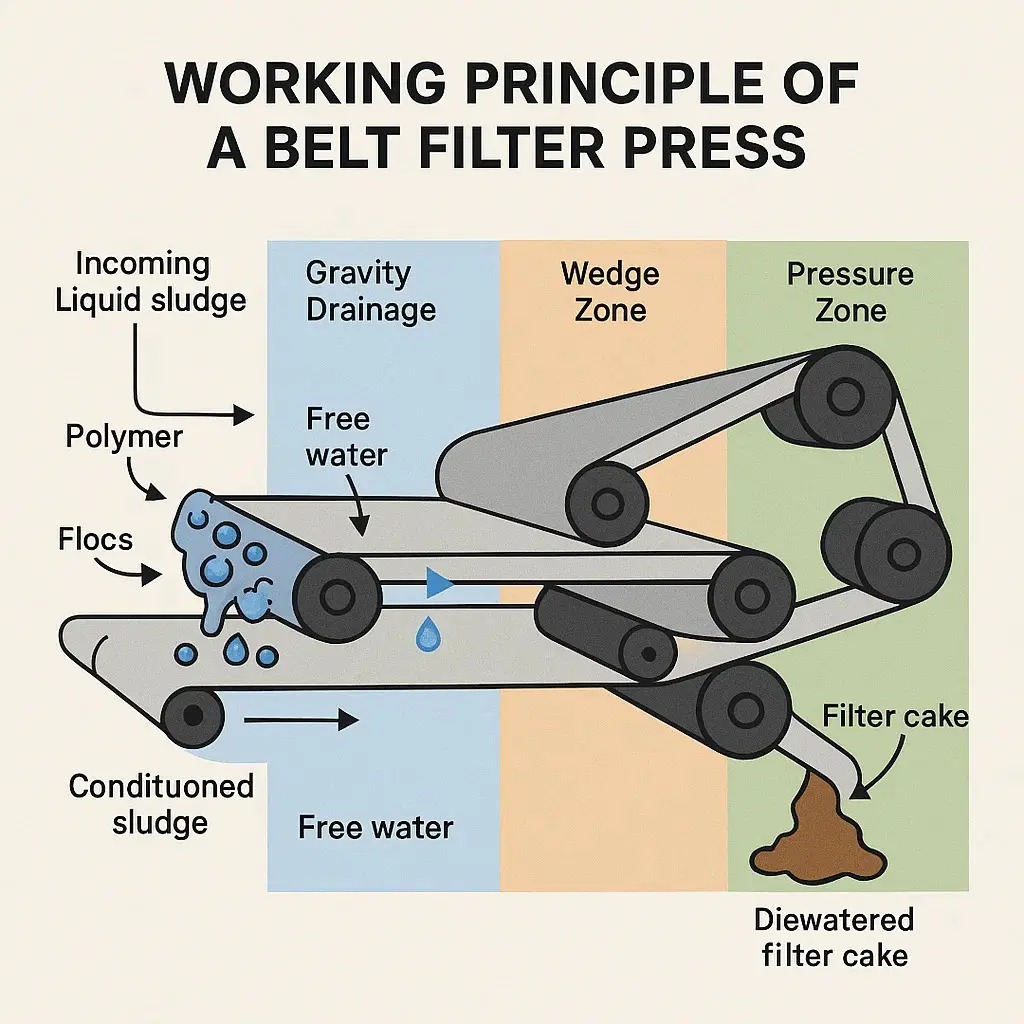
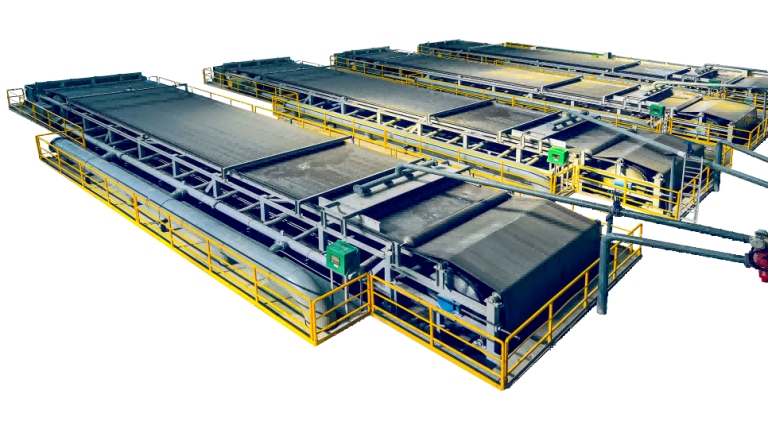
Belt filter presses keep running without breaks, which matches well with the steady underflow coming off most tailings thickeners. Slurry at 30–50% solids spreads across the belt. Gravity takes out free water first. Then progressive roller nips, helped by flocculant, force bound moisture out. Cake peels off automatically at the discharge end and heads to the stacking conveyor.
In typical circuits the thickener does the heavy lifting on solids concentration so the belt press isn’t overloaded. Cake at 18–22% moisture compacts reasonably under dozer traffic or mechanical compaction equipment. The result is an unsaturated deposit that holds slope angles better and cuts liquefaction risk compared with conventional wet tailings storage.
Water recovery often hits 80–90% of the process volume. Filtrate returns to the mill circuit after basic settling or polishing if needed. In dry climates that recycle percentage translates directly into less freshwater hauling and lower pumping energy over the life of the mine.
Real-World Performance Numbers from Tailings Lines
Moisture content stays the headline metric. Belt filter presses land in the 15–25% range across different tailings types. Well-flocculated feeds with balanced clay content push toward the lower end—18–22% is achievable and stackable in most cases. Finer or higher-clay tailings sometimes need extra polymer or slower belt speed to reach similar results.
Throughput numbers scale nicely. Large operations run units at several hundred tons per day dry solids without strain. Energy draw remains moderate—mostly feed pumps, belt drives, roller motors, and wash water systems—so the technology stays cost-effective even at high volumes.
Filtrate clarity supports reuse. Suspended solids usually stay low enough that the water goes straight back to grinding or flotation without major issues. Occasional sites add a small clarifier or filter when discharge limits tighten.
Cake management follows straightforward paths. At 18–22% moisture the material conveys cleanly, dust stays controlled during stacking, and compaction builds stable lifts. Some operations add a light water spray on the stack surface if wind erosion becomes a concern, though that’s less common than with drier filtered tailings.
Benefits for Dry Stacking and Overall Water Balance
Dry stacking with belt filter press cake reduces long-term environmental exposure. The semi-dry material forms stable, free-draining piles that resist saturation and failure modes seen in traditional dams. Regulatory pressure in many mining jurisdictions now pushes filtered tailings over wet impoundments, and belt systems offer a straightforward route to meeting those standards.
Water recovery stands out as a practical gain. Returning 80–90% of process water cuts external sourcing, which matters a great deal in regions where water rights limit supply or pumping distances stretch budgets. One mid-sized copper mine tracked over 85% recovery after installing thickener–belt press combination, dropping freshwater makeup significantly year over year.
The continuous nature adds operational resilience. Feed variations from changing ore grind or mineralogy get absorbed by adjusting polymer dose and belt settings on the fly. Downtime stays lower than batch systems when the line runs around the clock.
Practical Setup and Day-to-Day Operation
Upstream thickening sets the stage. High-rate or paste thickeners deliver underflow solids high enough to keep belt loading manageable while maximizing press efficiency.
Polymer choice drives drainage. Anionic flocculants work on most tailings; cationic types handle specific clay-heavy feeds. Dose usually falls 5–20 g/t dry solids—jar tests and on-site bucket trials fine-tune the rate.
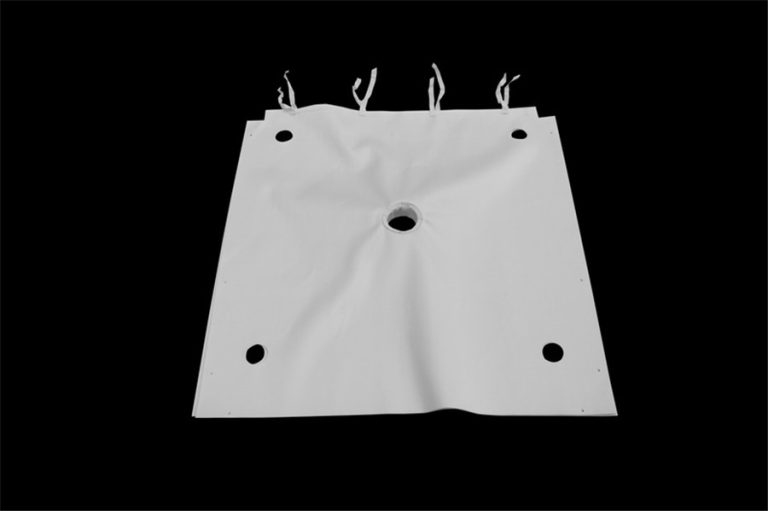
Belt fabric selection affects run time. Monofilament weaves resist abrasion from sand fractions; multi-layer constructions extend service life on coarser tailings.
Roller arrangement influences final cake. More pressure zones or added gravity drainage decks pull moisture lower without excessive cloth wear.
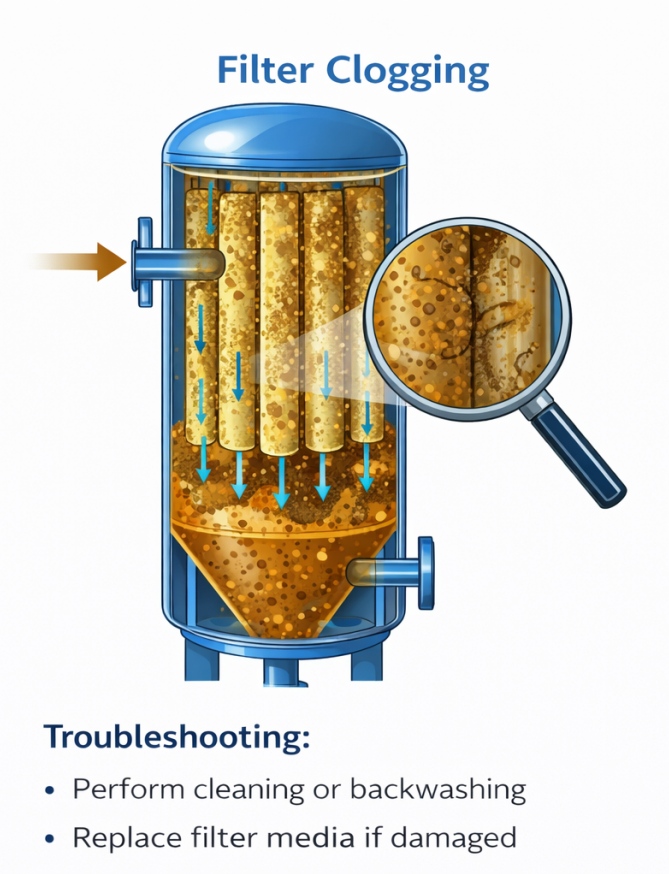
Maintenance centers on belt tracking, cloth washing, and roller checks. High-pressure wash bars run during shifts to prevent blinding. Tension sensors catch slippage early. Most sites schedule deep cleans during mill outages so production impact stays minimal.
When Ceramic Disc Filters Fit for Fine Fractions
Belt filter presses cover the bulk of tailings work, but ceramic disc filters take over in fine coal washing or mineral concentrate dewatering where moisture targets drop sharply. These units rely on vacuum plus capillary pull through microporous ceramic sectors. Discs dip into slurry; vacuum draws filtrate, cake forms thin and even. Air drying kicks in as discs rotate upward, then scrapers discharge.
On fine coal or concentrates (-200 mesh and below) cake moisture settles at 8–12%, frequently 3–5% drier than conventional vacuum filters. That difference reduces or eliminates downstream thermal drying and eases transport handling.
Power consumption drops dramatically—80–90% less than traditional rotary vacuum units—because capillary action handles separation without heavy air movement.
Filtrate runs very clear, often under 50 mg/L solids, so water recycles directly without extra treatment steps.
In coal plants the lower moisture raises overall yield and product quality. For copper, iron, or gold concentrates the drier cake cuts freight costs and simplifies smelter feed preparation.
Hexin Equipment for Tailings and Concentrate Dewatering
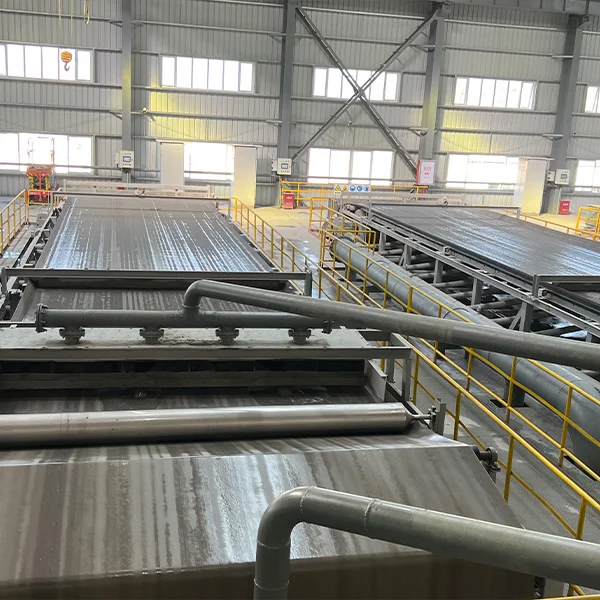
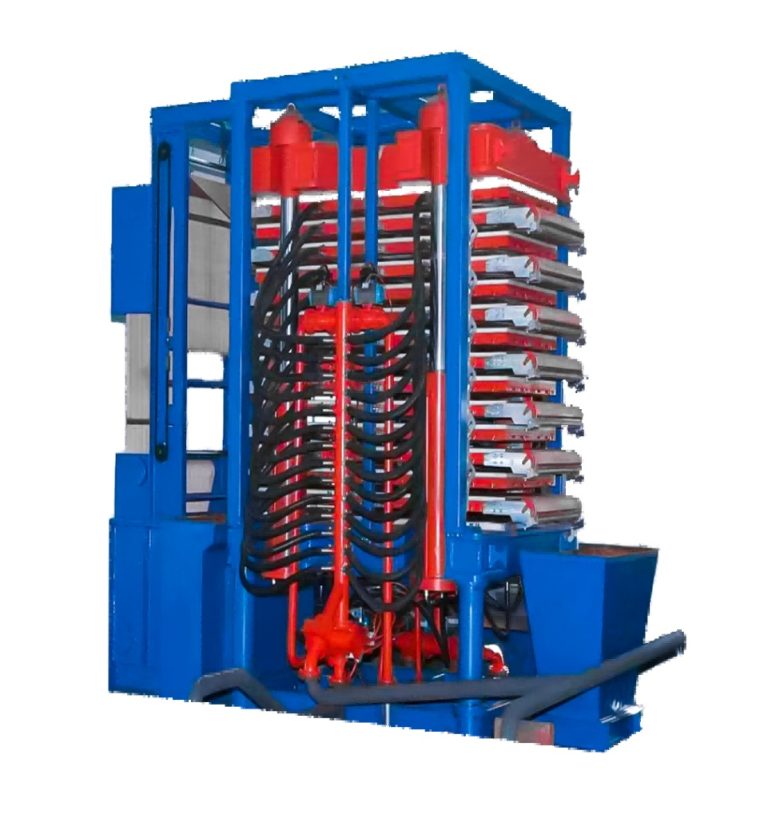
Yantai Hexin Environmental Protection Equipment Co.,Ltd., located in the Yantai Economic Development Area, Shandong Province, China, has focused on filtration technologies since R&D work started in 1995, with formal restructuring in 2017. The lineup covers belt filters, ceramic filters, vertical tower filter presses, high-efficiency thickeners, and complete EPC projects for mining, metallurgy, chemicals, fertilizers, pharmaceuticals, food processing, papermaking, sewage treatment, and tailings management. Designs reflect accumulated site experience, with priority on manufacturing precision, quality checks, and field support for long-term dependable operation.
Hexin BF Series belt filter presses incorporate adjustable pressure zones to deliver consistent cake on tailings feeds, supporting high continuous throughput and stackable material for dry stacking applications.
DF Series ceramic disc filters use microporous ceramic sectors to reach cake moisture typically under 12% on fine coal and mineral concentrates, combined with low-energy vacuum systems and high filtrate clarity.
These series draw refinements from years of field installations and operator input.
Conclusion
Belt filter presses deliver a solid, continuous path for mining tailings dewatering and dry stacking, producing reliable cake at 15–25% moisture that supports stable storage while recovering 80–90% of process water. For fine coal or concentrate circuits where cake dryness and energy costs dominate, ceramic disc filters provide clear advantages with moisture below 12% and substantial power savings. Matching the right technology to feed solids, particle distribution, throughput needs, and site goals—backed by lab tests and full-cycle cost calculations—improves water balance, lowers environmental risk, and strengthens long-term economics.
Recommendations start with tailings solids percentage, size distribution, and desired cake moisture targets.
Company Introduction: Yantai Hexin Environmental Protection Equipment Co.,Ltd
Yantai Hexin Environmental Protection Equipment Co.,Ltd., based in the Yantai Economic Development Area, Shandong Province, China, builds on more than twenty years of filtration experience. Origins trace to 1995 R&D efforts, with formal company restructuring in 2017. The product scope includes belt filters, ceramic filters, vertical tower filter presses, high-efficiency thickeners, and turnkey EPC projects serving mining, metallurgy, chemicals, fertilizers, pharmaceuticals, food processing, papermaking, sewage treatment, and tailings management. Commitment centers on quality-driven manufacturing, rigorous testing, and dedicated field service to provide equipment that performs consistently over extended service life.
FAQs
What cake moisture does a belt filter press typically achieve in mining tailings dewatering?
Belt filter presses usually produce cake at 15–25% moisture, with 18–22% common on conditioned tailings, making it suitable for dry stacking and high water recovery.
How does belt filter press help achieve dry stacking for mining tailings?
Belt filter presses generate semi-dry cake that compacts into stable, unsaturated stacks, reducing liquefaction risk and supporting environmental compliance over wet tailings storage.
What water recovery percentage is realistic with belt filter press in tailings management?
Many operations recover 80–90% of process water through thickening and belt filtration, cutting freshwater demand significantly in tailings circuits.
Why use ceramic disc filter for fine coal dewatering instead of belt filter press?
Ceramic disc filters reach 8–12% cake moisture on fine fractions and consume far less energy via capillary action, improving yield and handling efficiency in coal processing.
How much energy does a ceramic disc filter save in mineral concentrate dewatering?
Ceramic disc filters reduce power use by 80–90% compared with traditional vacuum systems, as capillary forces drive separation with minimal air flow.