 English
  Russian
  Spanish
 In the world of solid-liquid separation for mining operations, metallurgy plants, wastewater facilities, and chemical processing lines, getting the most out of filter presses means tackling cycle time and cake dryness head-on. Cycle time covers everything from when the plates clamp shut to filling chambers, filtering slurry, squeezing out liquid, drying the cake, and finally discharging it—any drag in these steps hits production hard. Cake dryness, expressed through low moisture content or high solids percentage, decides if tailings stack safely, if transport loads lighten, or if recovered materials hold value for further use. Excess moisture piles on costs for extra drying or disposal, and drawn-out cycles chew through energy while slashing daily throughput.
Facilities frequently struggle to cut down cycle times without leaving cakes soggier, or to boost dryness without stretching the process longer. Success hinges on fine-tuning slurry prep, pressure curves, machine capabilities, and follow-up dewatering. Drawing from real-world applications in tough environments, this piece breaks down the main influences and lays out eight solid tactics. These methods deliver tangible improvements, like trimming cycles by 20 to 40 percent or dropping moisture below 15 percent—and sometimes under 10 percent in optimized setups.
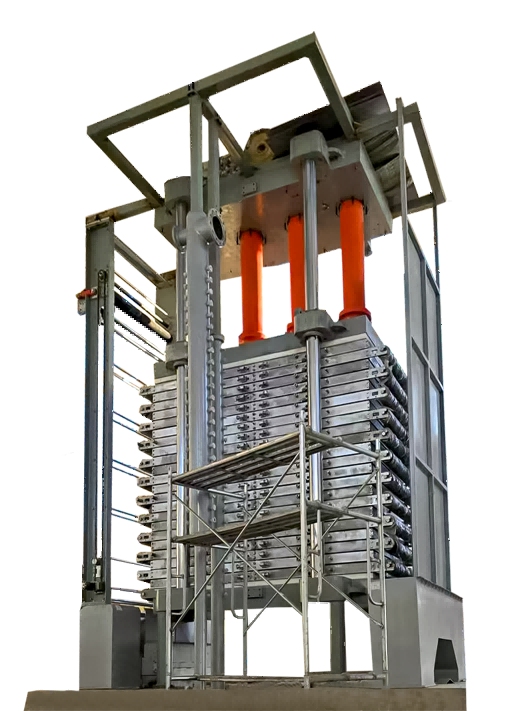
Understanding Filter Press Cycle Time and Cake Dryness
The cycle in a filter press unfolds in clear stages. Plates lock under hydraulic force. Slurry pumps in until chambers fill completely. Filtration kicks in as liquid seeps through cloths, leaving solids to form the cake. Extra measures, such as membrane inflation, air blasts, or core flushes, pull out lingering moisture. Plates then separate for cake removal, often aided by mechanical shakers or rinses.
Durations shift based on material—quick 30-minute runs for straightforward slurries, but up to two hours or beyond for sticky, fine-laden feeds. Critical measures include the drop in filtrate rate, marking cake buildup endpoint, and end moisture levels, ranging from 10 to 30 percent across sectors. Drier cakes equate to stronger solids content; tailings management, for instance, demands moisture under 20 percent to avoid slumps.
Cycle time and dryness link closely, yet not straightforwardly. Longer filtration or pressure holds drain more liquid, but gains taper off fast—extra minutes past the peak bring slim dryness boosts against major throughput losses. Pushing too hard early locks in moisture by compacting unevenly. Efficient dewatering demands even cake buildup, steady flow paths, and strong secondary extraction.
Key Factors Affecting Cycle Time and Cake Moisture
A handful of linked variables shape how cycles run and how dry cakes end up.
Slurry makeup leads the pack. Distribution of particle sizes, solids density, and thickness set resistance levels. Particles finer than 10 or 20 microns clog cloths swiftly, dragging out filtration. Thick slurries slow everything. Tailings in mineral work, often at 30 to 50 percent solids with heavy fines, need upfront tweaks to settle better.
Chamber depth or cake buildup thickness holds major sway. Deeper chambers, say 50 to 60 millimeters, pack more solids per run but force liquid farther, hiking core moisture. Shallower builds, 25 to 40 millimeters, empty quicker with even drying, despite needing more discharges.
Pump pressure and feed strength drive filling and filtering paces. Elevated pressures pack cakes sooner and expel liquid rapidly, but sudden spikes create lopsided layers or splits. Stepped increases—low at first for uniform stacking, then higher—beat flat high feeds often.
Cloth choice and upkeep govern flow ease. Fabrics tuned to particle scales block blinding while keeping rates up. Frayed or loose cloths ramp up drag, prolonging cycles and holding moisture in.
Filtration and squeeze pressure patterns count heavily. Presses with membranes add a follow-up crush that shrinks cakes more, forcing out pore-trapped fluid. Air injection sends compressed bursts through, shoving out leftover filtrate.
Conditioning via chemicals like flocculants or coagulants bunches particles into bigger, tougher groups that filter cleanly and build airy cakes. Wrong doses cause weak structures or plugs.
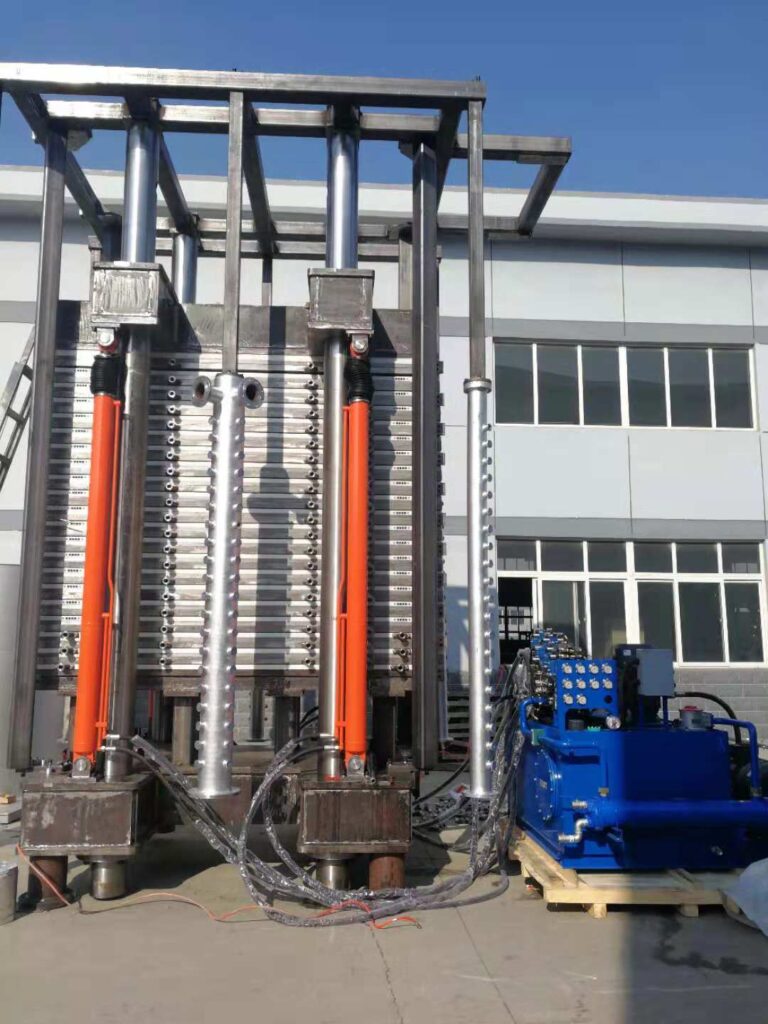
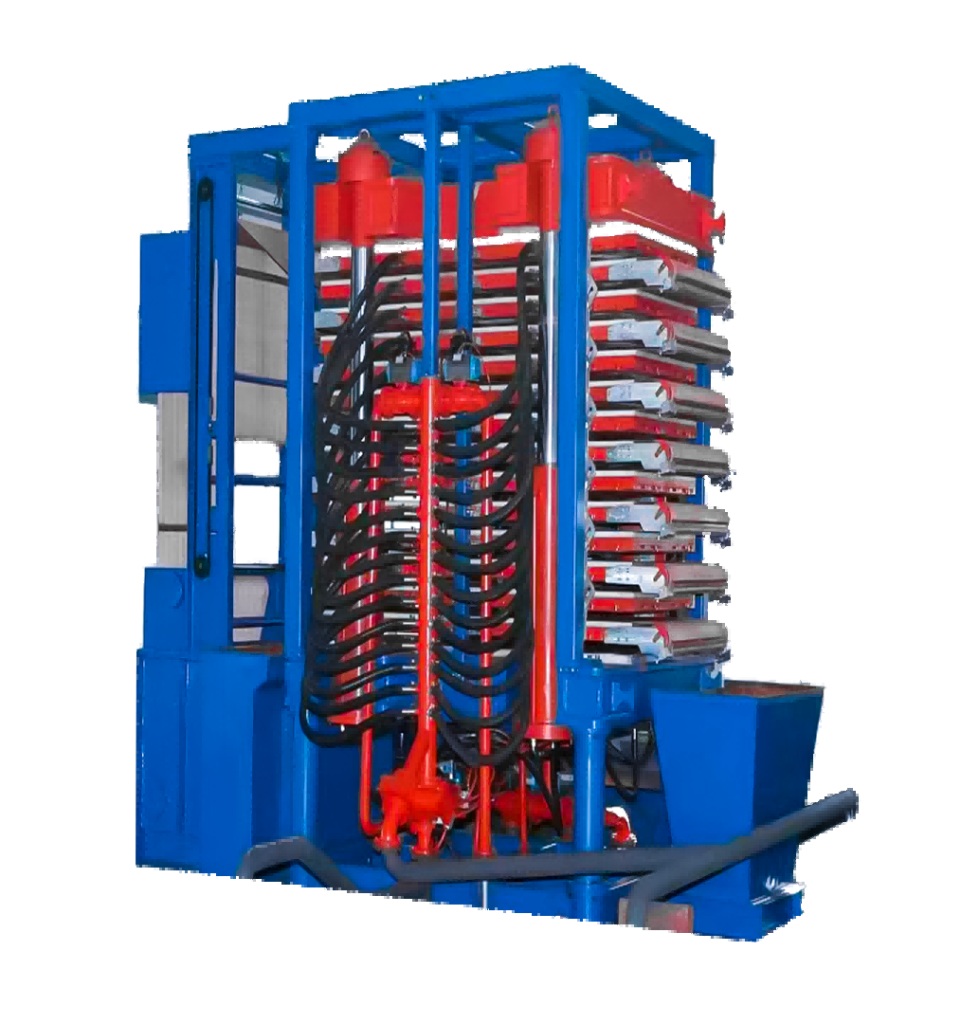
Machine layout sets the baseline. Vertical tower presses, using gravity for fills and staged compressing, regularly outpace horizontal chamber models in cycle brevity and moisture lows, particularly with fine-heavy loads.
8 Proven Strategies to Optimize Cycle Time and Improve Cake Dryness
Optimize Slurry Pre-Treatment with Coagulation and Flocculation
Conditioning shifts tough slurries into manageable ones. Flocculants bind fines into larger clumps that drop quicker and create cakes with open channels. Mining tailings setups see filtration shave 20 to 30 percent off time and moisture fall five to ten points with dialed-in dosing. Bench tests pinpoint the right mix and quantity—excess floc makes loose, water-holding masses; skimping scatters fines. Plants with shifting inputs gain from auto-dosers that tweak on turbidity readings or charge balances.
Implement Gradual Feed Pressure Ramping
Sharp pressure jumps seal outer layers too soon, blocking inner routes. Stepped profiles—beginning at four to six bar for even entry, climbing to 12 to 16 bar—form consistent cakes that stay permeable. Site records indicate 15 to 25 percent shorter filtration overall, plus drier results from balanced drainage. Control systems program these curves, holding steady through operator changes.
Select and Maintain the Right Filter Cloth
Weave style, fiber type, and stretch level steer flow and release quality. Single- or multi-strand cloths with fitting openings fend off plugs in fine mixes. Routine blasts clean accumulations; built-in washers in modern units prolong usability and sustain speeds. Swapping cloths at early flow dips averts drawn-out runs and patchy drying.
Maximize Membrane Squeeze Effectiveness
Inflatable membranes press cakes post-filtration, squeezing out hidden liquids. Squeeze at 15 to 20 bar for five to 15 minutes nets big dryness jumps—five to 15 percent below non-membrane levels typically. Compressible sludges in chemical streams transform under this. Activate after flow tails off to save power.
Control Cake Thickness for Consistent Results
Ideal thickness weighs solids volume against dewatering speed. Sensors halt feeds at 30 to 45 millimeters, dodging thick builds that seal in dampness. Slimmer, steady cakes clear faster and dewater thoroughly. Tower configurations, with upright chambers, foster level accumulation, easing thickness management without constant checks.
Extend Pressure Hold Time Strategically
Post-peak filtration, sustained max pressure lets remaining fluid escape. Five to ten extra minutes often trim moisture markedly with little cycle add-on. Pair with membrane work for multiplied impact. Filtrate clearness during holds signals the cutoff—stability means more time yields scant returns.
Incorporate Air Blow or Core Blow Steps
Air pulses after squeezing chase out stuck filtrate. Core versions flush middle lines, curbing buildup that hampers unloading. Porous cakes drop three to eight percent moisture in five to ten minutes of blowing. Outfits with air setups note swifter cycles from smoother releases and less adhesion.
Upgrade to Advanced Automation and Vertical Designs
Auto-controls for pressures, timings, and ejections cut inconsistencies. Tower presses shine: gravity helps entry, layered pressing ensures even water pull, cycles clip to 30 to 90 minutes, and moisture hits under 10 to 15 percent in metal and tailings work. These integrate smoothly into lines, yielding ongoing capacity and expense wins.
Common Mistakes and Troubleshooting
Presses get opened prematurely at times, dumping damp centers that spoil drier sections. Low pressures leave cakes loose. Fines-clogged cloths balloon cycles—spot checks head this off.
Elevated moisture links back to ill-suited cloths, weak conditioning, or pressure shocks that cap surfaces early. Lagging filtration points to thickness troubles or pump faults. Cycle logs, cake checks, and filtrate murkiness uncover trends for ahead-of-time corrections.
Yantai Hexin Environmental Protection Equipment Co., Ltd.
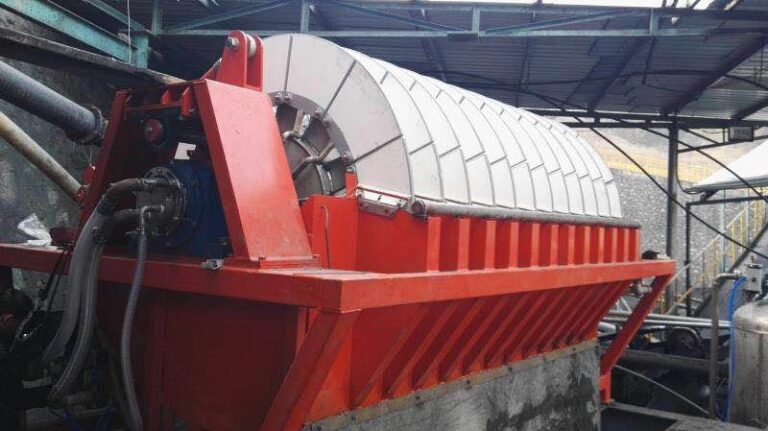
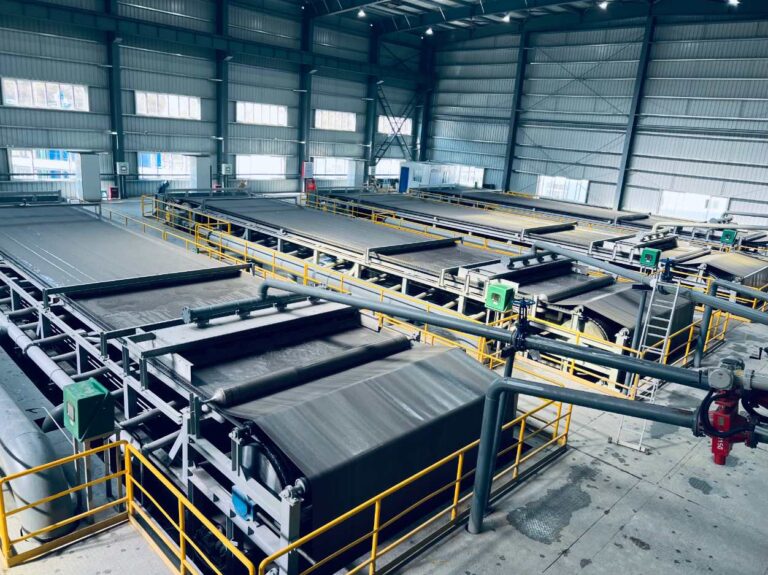
Yantai Hexin Environmental Protection Equipment Co., Ltd., located in the Yantai Economic Development Area of Shandong Province, China, has honed expertise in solid-liquid separation gear since starting in 1995. Over 20-plus years, focused research brought forth innovations like rubber belt vacuum filters in 2002, ceramic vacuum filters in 2007, and vertical filter presses in 2010. Now serving over 1,000 global clients in mining, metallurgy, chemicals, fertilizers, wastewater, and tailings sectors.
The vertical tower filter press serves as a core offering, providing automated high-pressure dewatering geared toward minimal cake moisture and swift cycles. Dedication to quality drives full in-house production, rigorous testing, and robust support networks for dependable operation in harsh settings.
Conclusion
Cutting filter press cycle times alongside drier cakes calls for focused efforts on slurry handling, pressure steering, cloth integrity, and added dewatering phases. The tactics detailed—from conditioning refinements to auto-upgrades—provide reliable routes to boosted output, trimmed disposal outlays, and tighter regulations adherence. Plants monitoring indicators and tweaking settings step by step reap the steadiest outcomes. For lines facing inconsistent or demanding feeds, vertical tower options frequently elevate performance markedly.
FAQs
How can I reduce filter press cycle time without increasing cake moisture?
Emphasize stepped pressure increases, refined slurry treatment, and managed cake depths. Such changes foster cakes that drain rapidly yet hold or enhance dryness. Often, a brief membrane press or air injection offsets any slight dampness from accelerated filtering.
What causes high moisture content in filter press cakes?
Frequent culprits involve excessive cake builds, weak squeeze forces, unsuitable cloths, flawed floc dosing, or sudden feed pressures that lock tops early. Slurries rich in fines sans proper prep also cling to more trapped water.
How does filter cake thickness affect cycle time and dryness?
Slimmer cakes near 30 to 45 millimeters shorten liquid paths, speeding filtration and cutting leftover dampness, even if discharges multiply. Deeper ones boost solids per run but tend to harbor more core moisture unless longer pressures or extras balance it.
Why is pressure ramping important for filter press performance?
Stepped ramping averts quick outer packing, keeping cake flow open across depths. It enables fuller drainage in briefer spans than steady highs, which form seals and bury moisture farther in.
What role does air blow play in improving cake dryness?
Air blasts propel compressed flows through set cakes, clearing pores and passages of remaining filtrate. Post-main dewatering, this drops moisture by points, especially in open structures, and quickens unloading via port cleans.