 English
  Russian
  Spanish
 Filter press runs in tailings ponds, sewage treatment works, and chemical separation setups always circle back to the same two readings: cake percent solids and moisture content. Those figures control haul costs, stacking stability, and whether the material meets disposal specs. Low solids or stubborn moisture jacks up transport weights, bumps energy use for any extra drying, and sometimes pushes sites close to compliance headaches. The real headache hits when dryness efforts drag out cycles or throttle feed, quietly shaving off daily output.
Plant experience across varied slurries points to five consistent drivers of cake percent solids and moisture content. Each shows up repeatedly in operating data and troubleshooting logs. Adjustments aimed at these points often produce solid dryness improvements without heavy trade-offs in production rate.
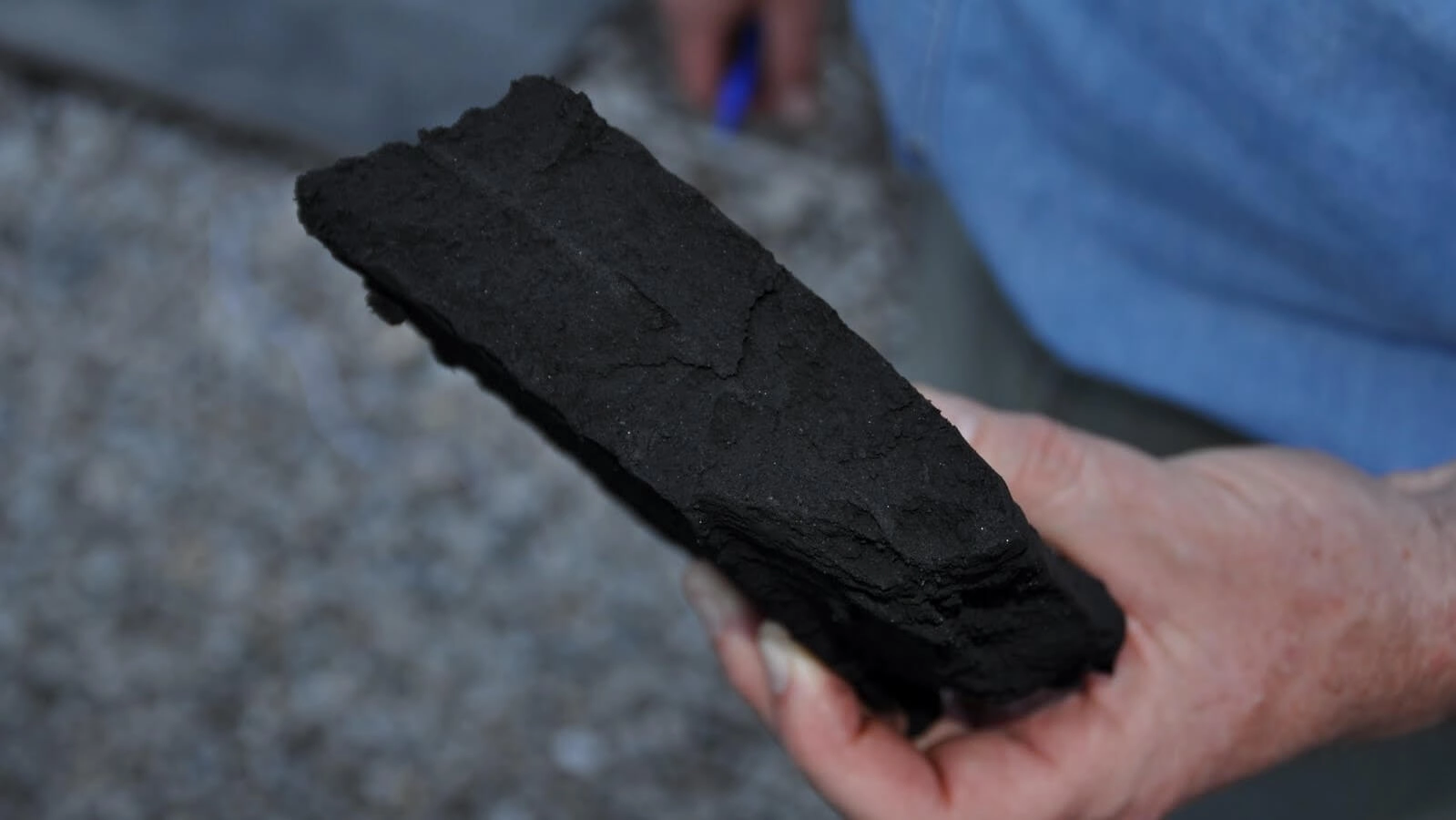
Why Cake Percent Solids and Moisture Content Matter in Real Operations
Cake percent solids tie straight into bottom-line numbers. Tailings lines pushing solids from 65% up toward 80% cut hauled material volume 20–30%, easing truck fleets or conveyor demands. Wastewater plants handling activated sludge see parallel benefits—cake at 25–35% solids drops incinerator fuel or landfill charges noticeably. Mining dry-stack rules set hard moisture ceilings; levels above 20–25% raise stability risks or force extra containment work.
Capacity still rules the economics. Over-extend cycles for marginal dryness gains, and solids tonnage per day drops sharply, starving upstream thickeners or the full circuit. The working goal holds steady: lift percent solids to drop moisture meaningfully while throughput stays level or climbs.
The 5 Key Factors That Drive Filter Cake Percent Solids and Moisture
Particle Size Distribution (PSD)
Particle size distribution builds the drainage skeleton. Coarser grains leave bigger gaps between solids, speeding liquid release and cutting residual moisture. Fines-heavy feeds—particularly sub-10 micron fractions—multiply surface area, pack pores tight, and let capillary action lock water in place. Fine-milled tailings circuits show moisture rising 10–15 points when P80 falls below 25–30 microns.
Iron ore tailings logs bear this out: finer PSD pushes moisture over 25% despite decent pressure. Clay-laden or colloidal slurries follow suit. Cyclones for pre-classification or site-tuned flocculation bridge fines effectively. Jar tests run on fresh samples steer flocculant choice and dosing, frequently raising cake percent solids 5–10% with no added cycle time.
Material Composition and Slurry Characteristics
Mineral and chemical makeup dictates water binding strength. Hydrophilic clays, hydroxides, and organics cling to water via surface forces. Quartz or inert sands shed it far quicker. Slurry pH, salt levels, and colloid presence shift dynamics—acidic conditions disperse fines in some cases, tightening cake structure further.
Biological wastewater sludge holds 30–40% moisture from organic content unless conditioning breaks bonds. Mining clays create comparable resistance. pH tweaks or targeted coagulants open flow paths reliably. Sites tracking conditioning see steady 4–8% moisture cuts, filtration duration unchanged.
Feed Pressure and Pressure Profile
Pressure counters capillary hold and forces water from pores. Units at 15–30 bar outperform low-pressure setups by a clear margin. The delivery counts: full pressure too soon compacts the forming surface, sealing channels and trapping liquid deeper. Stepwise ramp forms even cake with sustained permeability.
High-pressure records show 20–25 bar steps reducing moisture 5–12%, gains sharper with membrane follow-up. Profile tuning stands out: low-pressure initial fill for open layering, then ramp to peak, delivers drier cake without stretching total filtration. Reliable high-pressure capability upgrades handle feed swings with consistent results.
Filtration Time and Cycle Parameters
Filtration duration governs dewatering completeness. Short runs leave pore water behind; drawn-out ones over-compact without extra benefit. Optimum varies by slurry—finer or viscous feeds need longer, but returns fade once filtrate flow slows markedly.
Pushing past the steep filtrate drop adds minimal dryness and erodes throughput. Targeting 30–50 mm cake thickness with automated release keeps cycles efficient. Adding air blow or membrane squeeze compresses primary filtration while still hitting lower moisture targets.
Additional Dewatering Techniques (Membrane Squeeze, Air Blow, Cake Wash)
Standard pressing clears bulk liquid, but pore remnants persist. Membrane squeeze applies even diaphragm force—20–30 bar held 15–30 minutes—to drive out trapped water. Air blow at 5–8 bar sweeps channels clean. Washing clears salts or fines blocking flow when needed.
These add measurable lift: membrane squeeze contributes 10–15% extra moisture drop; timed air blow takes another 3–8%. Combined they raise percent solids with little cycle extension. Vertical tower presses sequence these stages automatically, pairing high throughput with reliably drier cakes.
Quick Reference Table: Factors, Impact, and Adjustment Strategies
| Factor | Typical Impact on Moisture / Solids | Adjustment Range | Investment Level | Expected Gain |
|---|---|---|---|---|
| Particle Size Distribution | Finer PSD raises moisture 10–15% | Pre-classification / flocculation | Medium | 5–12% solids increase |
| Material Composition | Hydrophilic solids hold more water | pH / coagulant adjustment | Low | 4–8% moisture drop |
| Feed Pressure & Profile | Higher pressure lowers moisture 5–12% | Ramp control / high-pressure upgrade | Medium-High | Consistent 5–10% gain |
| Filtration Time & Cycles | Over-long adds little dryness | Target thickness / automation | Low-Medium | Throughput + dryness balance |
| Additional Techniques | Squeeze / blow add 10–20% total reduction | Integrate membrane / air stages | Medium-High | 10–15% solids uplift |
Real-World Examples from Mining and Wastewater Applications
Iron ore tailings with fine milling output held moisture at 28–30%. Better flocculant dosing for fines bridging plus progressive pressure ramp brought it to 18–20%, lifting cake percent solids from 70% to 82%. Drainage improvement edged daily tonnage higher.
Wastewater biological sludge stayed at 35–38% moisture baseline. Jar-test-guided coagulant refinements and short post-press air blow reduced it to 22–25%, cycle length flat, belt press throughput unchanged.
Gypsum dewatering in chemical service varied from feed inconsistency. Membrane squeeze addition stabilized moisture at 20–22%, boosted percent solids consistently, and cut disposal loads.
How to Diagnose and Improve Your Own Filter Cake Performance
Begin with regular sampling: PSD checks, pressure trace logs, cycle timing records, discharge moisture measurements. Jar tests expose conditioning shortfalls. Pilot tweaks on small scale confirm adjustments before full implementation. Dryness shortfalls often trace to pressure limits or missing secondary stages during equipment reviews.
Equipment That Helps Control These Factors Effectively
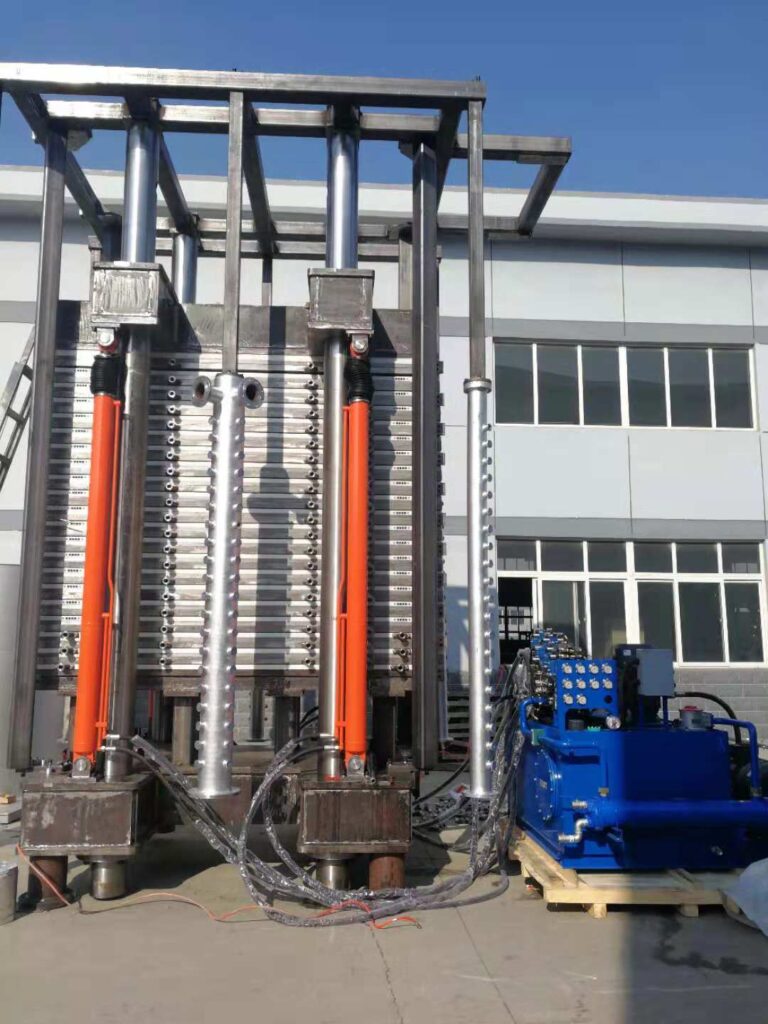
Recessed chamber presses cover routine work but cap low-moisture performance on challenging slurries. Membrane presses supply secondary squeeze for worthwhile dryness advances. Vertical tower filter presses manage high-pressure filtration, diaphragm squeeze, air drying, and discharge in semi-continuous flow, achieving high percent solids with reduced idle time.
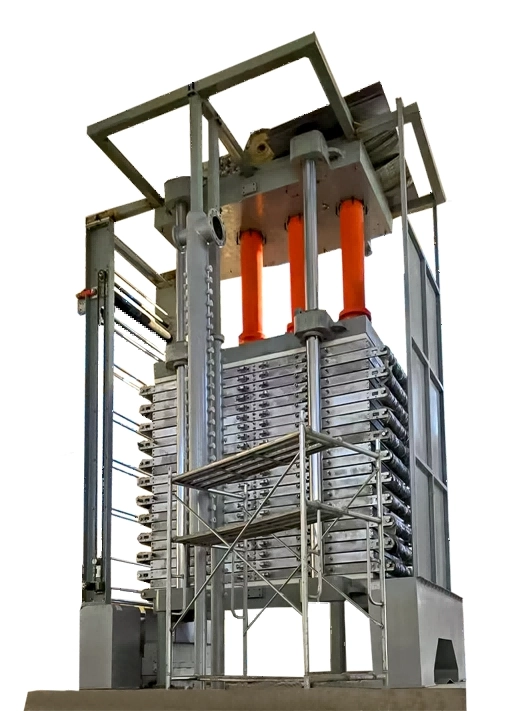
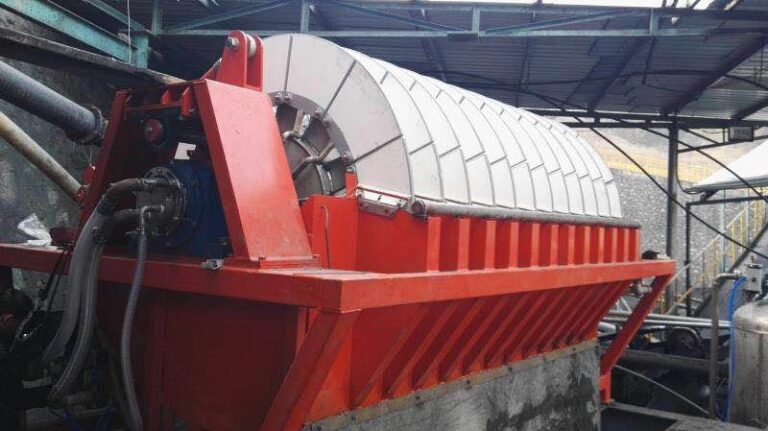
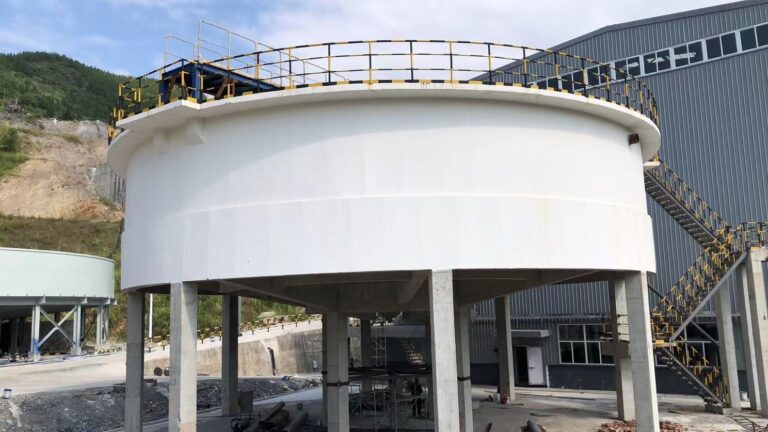
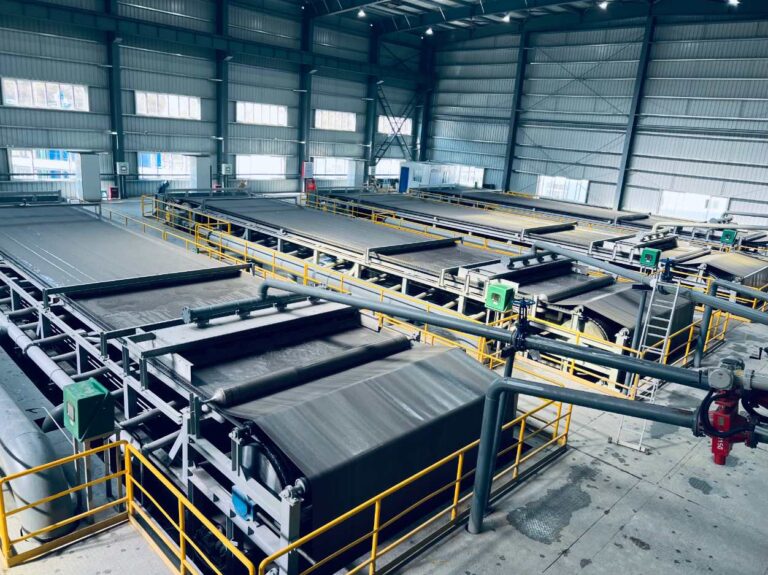
Yantai Hexin Environmental Protection Equipment Co., Ltd., restructured in 2017 with filtration roots extending to 1995, operates from YEDA in Yantai City, Shandong Province, China. The company dedicates resources to design, manufacturing, R&D, and sales of solid-liquid separation equipment, backed by skilled teams, advanced processing, rigorous quality controls, and complete after-sales support. Primary products encompass belt filter presses, ceramic vacuum filters (introduced 2007), vertical tower filter presses (introduced 2010), high-efficiency thickeners, and full EPC project execution. Applications cover mining, metallurgy, chemicals, fertilizers, wastewater, tailings treatment, and allied fields, with over 100 installations and service to thousands of clients worldwide.
Conclusion
Cake percent solids and moisture content shift in response to particle size distribution, material composition, feed pressure profile, filtration timing, and secondary dewatering approaches. Focused efforts on conditioning, pressure delivery, cycle balance, or integrated squeeze and blow deliver drier cake and elevated solids without capacity loss. Operations maintaining vigilant monitoring and systematic testing secure the most dependable progress in cost management, process efficiency, and regulatory standing.
FAQs
What are the main factors affecting filter cake moisture in a filter press?
Particle size distribution, material composition, feed pressure profile, filtration time, and additional dewatering techniques like membrane squeeze or air blow emerge as the primary influences. Finer particles and hydrophilic solids elevate moisture, whereas higher pressure and secondary stages reduce it.
How does particle size distribution influence filter press cake percent solids?
Coarser distributions yield permeable cakes that drain effectively, raising percent solids and lowering moisture. Finer fractions under 10 microns constrict pores, frequently increasing moisture 10–15% and depressing solids unless pre-treatment or flocculation addresses the issue.
Can higher feed pressure reduce moisture without extending cycle time?
Pressure at 15–30 bar overcomes capillary resistance more thoroughly. Controlled ramp profiles commonly secure 5–12% moisture reductions while maintaining or slightly shortening total filtration duration.
Why is my filter cake moisture higher than expected?
Elevated moisture often stems from excessive fines in PSD, hydrophilic composition, weak pressure ramp, inadequate conditioning, or absent secondary dewatering. Slurry sampling, pressure records, and conditioning checks generally expose the underlying cause.
What role does membrane squeeze play in improving cake solids?
Membrane squeeze exerts uniform post-filtration pressure to remove residual pore water, adding 10–15% moisture reduction. It typically compensates for extended filtration periods, promoting higher cake percent solids on variable slurries.