 English
  Russian
  Spanish
 In the realm of solid-liquid separation equipment, vertical press filter automation stands out as a critical advancement for industries handling slurries and wastes. These systems, designed with a tower-like structure, enable seamless processing through gravity-assisted flows and pressure mechanisms. Engineers and plant managers often seek ways to streamline operations, and understanding how the inherent principles of vertical press filters facilitate automation can lead to better decisions on equipment upgrades. This article delves into the logic behind their cycles, showing how each step integrates with control systems to ensure reliability. By examining the sequence of actions—from feeding to cloth regeneration—readers will see why this design minimizes interruptions, a key factor in high-volume settings like mining or chemical processing.
Vertical press filters operate on principles that naturally lend themselves to automation, unlike some traditional setups that demand constant oversight. The vertical arrangement allows materials to move downward under gravity, reducing the need for complex pumping in every phase. When paired with programmable logic controllers (PLCs), these filters achieve continuous operation, addressing common hurdles in throughput and efficiency. Data from industrial applications suggest that such systems can handle up to thousands of tons of slurry daily without halting, provided the automation logic aligns with the core mechanics. For instance, in tailing treatment plants, where moisture content must drop below 15 percent for safe stacking, the automated cycle prevents bottlenecks that plague manual or semi-automatic alternatives.
This exploration covers the foundational principles, the step-by-step automation logic, and practical solutions to everyday concerns. Through real-world examples, such as dewatering concentrates in ferrous mining, the discussion highlights how these filters cut down on operational pauses. Ultimately, grasping this logic empowers decision-makers to evaluate if vertical press filter automation fits their needs, potentially slashing energy use by 20 to 30 percent in demanding environments.
The Fundamental Working Principle of Vertical Press Filters: Why Vertical Design Inherently Supports Automation
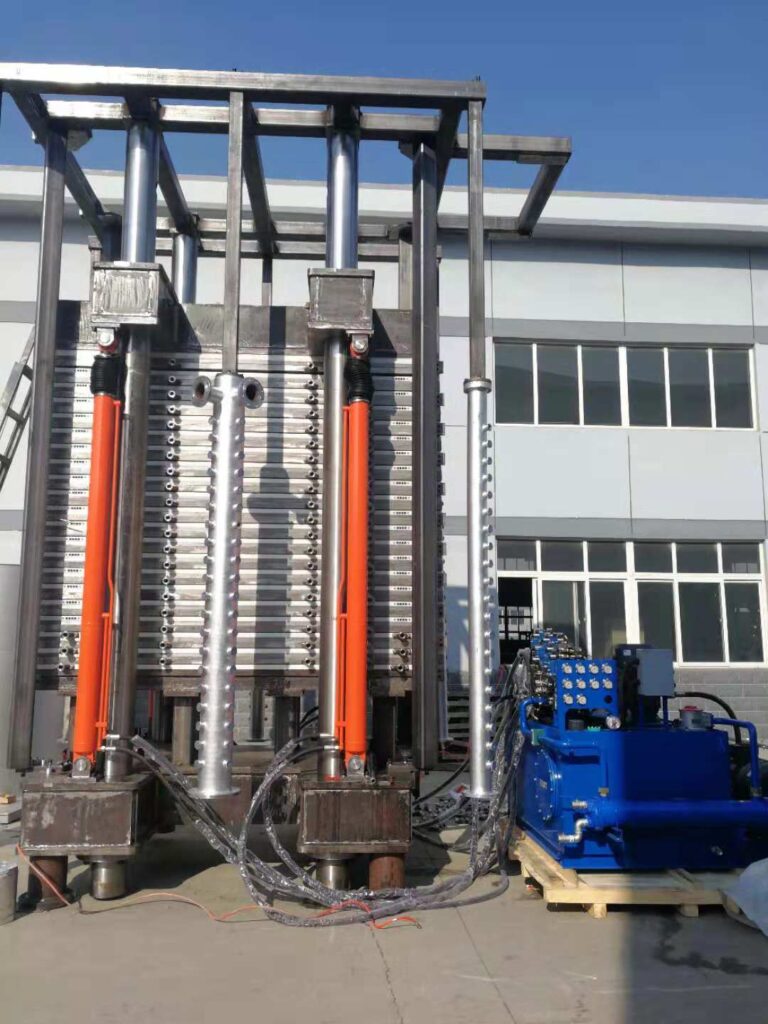
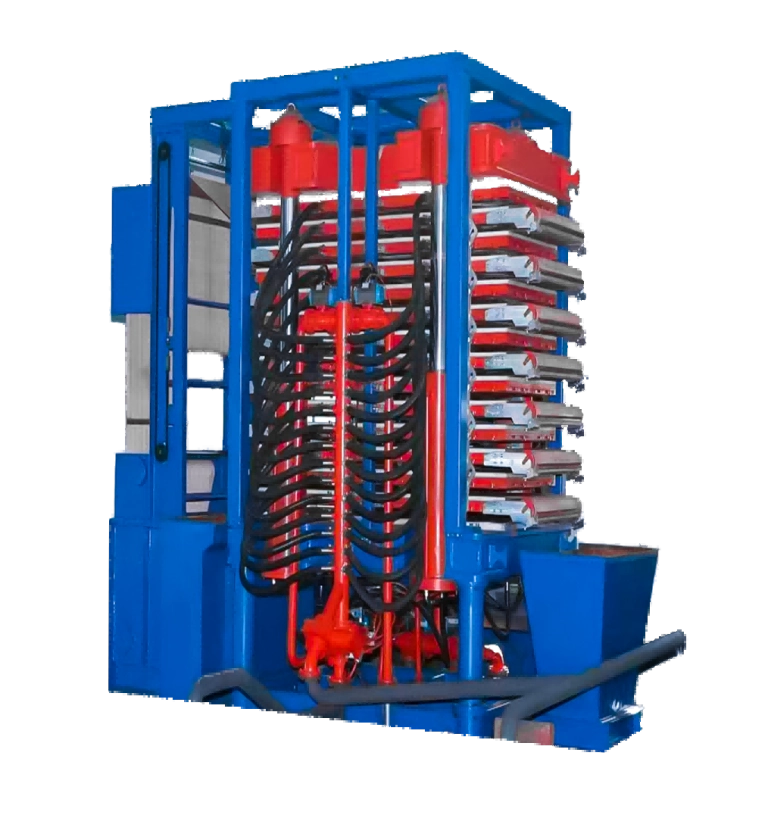
Vertical press filters rely on a stacked chamber system where slurry enters from the top and separates under pressure, leveraging gravity to aid downward movement. This setup differs from horizontal designs, which often require additional mechanisms to manage flow against natural forces. The core principle involves creating a series of sealed compartments where hydraulic or pneumatic pressure squeezes out liquids, leaving behind compact solids. Because the structure aligns with gravitational pull, actions like filling and draining occur more predictably, setting the stage for high-level automation.
Consider a typical scenario in wastewater treatment facilities. Sludge from settling ponds arrives laden with water, and the vertical press filter begins by allowing the mixture to fill chambers sequentially. Gravity pulls heavier particles downward, while pressure from above—often up to 16 bar—compacts the mass. This inherent downward bias means fewer pumps and valves need activation compared to flat-bed filters, where materials spread laterally and demand constant repositioning. As a result, the design supports automation by simplifying sensor placement; pressure gauges and level detectors can monitor progress without interference from erratic flows.
Automation thrives here because the principle dictates a linear progression. Once chambers fill, the press engages, forcing water through filter cloths via capillary action and compression. The vertical orientation ensures even distribution, avoiding uneven cakes that could jam machinery. Industry reports indicate that this leads to cake dryness levels of 70 to 85 percent solids, far superior to some belt filters that hover around 60 percent. Such efficiency stems from the mechanics: as pressure builds, pores in the cake structure evolve, expelling more liquid without manual tweaks.
Furthermore, the tower configuration allows for modular scaling. Plants can stack more plates to increase capacity, and automation software adapts seamlessly, adjusting cycle times based on input variables like slurry viscosity. In chemical intermediate processing, where batches vary in composition, this adaptability prevents over-pressurization, a common cause of equipment wear. The principle also minimizes energy demands; gravity handles much of the initial separation, so motors and compressors run only when needed, potentially reducing power consumption by a quarter in continuous setups.
This built-in support for automation extends to safety features. Interlocks, tied to the vertical flow logic, prevent premature openings if pressure lingers, safeguarding operators. For decision-makers weighing upgrades, analyzing why vertical designs excel in automation reveals clear advantages: fewer moving parts mean less downtime, and the predictable sequence aligns perfectly with digital controls. In practice, a metallurgy plant might process 500 cubic meters of slurry per hour, with automation ensuring cycles repeat every 15 to 20 minutes without hitches.
Automation Logic Sequence: Integrating Actions in the Working Cycle with PLC
The working cycle of a vertical press filter unfolds in a precise order, each action building on the last to maintain momentum. Programmable logic controllers oversee this, using sensor data to trigger transitions and enforce protections. This integration turns a mechanical process into a hands-off operation, ideal for environments where stopping means lost revenue.
Feeding: Initiating the Cycle with Controlled Inflow
Feeding starts the sequence, where slurry pumps into the top of the tower. PLC control in vertical filter press ensures the rate matches chamber capacity, drawing on flow meters to avoid overflows. If sensors detect irregular pressure—say, from a clogged inlet—the system pauses, an interlock that prevents spills. The vertical principle aids here; gravity pulls the mix down, so pumps work less aggressively than in other orientations.
In a mining tailing application, slurry with 30 percent solids enters at 10 to 15 meters cubed per minute. The PLC monitors viscosity via conductivity probes, adjusting pump speed to keep filling uniform. This logic ties directly to the design: without lateral spreading, the fill is even, setting up efficient pressing. Should levels rise too fast, a high-limit signal halts inflow, protecting the structure from strain. Such automation reduces the need for on-site adjustments, allowing operators to focus elsewhere.
Pressing: Building Pressure for Effective Separation
Once filled, pressing engages, with diaphragms inflating to squeeze the slurry. Automated filter press operation shines as PLCs ramp up pressure gradually, based on feedback from transducers. This avoids sudden spikes that could tear cloths or unevenly compact cakes. Interlocks ensure all chambers seal before pressure hits 10 bar, linking door sensors to the control loop.
Real-world data from sewage treatment shows pressing phases lasting 5 to 10 minutes, achieving 80 percent dewatering. The logic sequence considers cake resistance; as solids pack, pressure sensors signal when to hold or increase force. Vertical design supports this by channeling liquids downward through drains, minimizing backflow issues. If a drop in pressure indicates a leak, the PLC triggers an alarm, preventing incomplete cycles that waste time.
Filtering: Core Separation Driven by Monitored Flows
Filtering follows, where liquids pass through cloths under sustained pressure. Instrumentation like differential pressure gauges feeds data to the PLC, confirming separation efficiency. The system tracks filtrate clarity via turbidity sensors, extending the phase if needed to hit targets like under 1 percent suspended solids.
In food processing, where residues must meet strict standards, this step ensures compliance without resampling. The automation logic uses timed intervals but overrides them with real-time signals, adapting to varying loads. Vertical orientation enhances this; gravity aids drainage, so filters clog less often, extending run times. Protections include low-flow cutoffs, stopping if blockages form to avoid over-pressurization.
Blowing Dry: Enhancing Dryness with Air Injection
Blowing dry injects compressed air to expel residual moisture, a step where PLC integration in filter presses proves vital. Air flow meters regulate volume, typically 2 to 5 minutes at 2 bar, until moisture dips below 10 percent. Sensors monitor humidity in exhaust, signaling completion.
For fertilizer production, this achieves stackable cakes, reducing transport costs. The sequence logic interlocks air valves with pressure relief, ensuring no trapped liquids burst lines. Vertical mechanics help; air pushes down uniformly, unlike horizontal setups prone to channeling. If signals show incomplete drying, the PLC recirculates air, optimizing without manual intervention.
Cake Unloading: Efficient Discharge with Safety Interlocks
Cake unloading opens the tower base, using vibrators or scrapers to drop solids. Continuous operation filter press benefits from PLC-timed mechanisms, coordinating with conveyor belts below. Position sensors confirm full discharge before closing, preventing jams in the next cycle.
In paper mill sludge handling, unloading happens in under 2 minutes, keeping throughput steady. Interlocks tie to pressure zeros, blocking openings if residues linger. The vertical flow aids gravity discharge, minimizing energy for ejection. Automation here cuts labor; no need for workers to pry cakes, as systems self-clean edges.
Filter Cloth Regeneration: Preparing for the Next Round
Filter cloth regeneration closes the loop, with high-pressure washes removing buildup. PLCs control water jets, using conductivity sensors to gauge cleanliness. This might last 3 to 5 minutes, ensuring cloths last 1,000 cycles or more.
In pharmaceutical settings, regeneration maintains hygiene, with UV options in advanced models. The logic integrates timers and signals, restarting only when dry. Vertical design simplifies access; cloths hang straight, so sprays cover evenly. Protections prevent starting without full rinse, avoiding cross-contamination.
Throughout, the principle determines automation extent: vertical flow creates a chain where each action predicts the next, allowing PLCs to orchestrate without gaps.
Addressing Client Concerns: Maintenance, Labor Costs, and System Integration
Maintenance in vertical press filters focuses on predictive routines, thanks to the automated logic. Sensors flag wear on seals or cloths early, often via vibration analysis, allowing swaps during off-hours. In a non-ferrous mining operation, this approach cut unplanned stops by 25 percent, as data logs predict failures based on cycle counts.
Labor costs drop sharply with full automation; a single technician oversees multiple units, versus teams for manual presses. Calculations show savings of 40 percent in staffing for 24/7 plants, as PLCs handle adjustments. For integration, these filters link via standard protocols like Modbus, fitting into SCADA systems. A chemical plant integrated one in under a week, syncing with existing pumps for seamless flow.
Preventive measures include routine sensor calibrations, ensuring signals remain accurate. Decision judgments hinge on metrics: if cycles exceed 20 minutes, investigate slurry prep. Solutions like adding flocculants resolve issues, boosting efficiency.
About Yantai Hexin Environmental Protection Equipment Co., Ltd.
Yantai Hexin Environmental Protection Equipment Co., Ltd., based in Yantai City, Shandong Province, China, has built a reputation over more than two decades as a specialist in filtration and solid-liquid separation technologies. Since starting research and development in 1995, the company has introduced key innovations, including vertical filter presses in 2010. With a focus on high-efficiency equipment like the TFP tower filter press, Hexin serves industries ranging from mining to sewage treatment, emphasizing low-energy solutions that align with environmental goals. Backed by professional teams in R&D, production, and after-sales, the firm holds certifications for quality and has applied its products in over 100 field projects, supporting global clients with reliable, automated systems.
Conclusion
The automation logic of vertical press filters, rooted in their working principle, delivers continuous operation that transforms industrial processes. By sequencing actions with PLC oversight, these systems address core challenges, from efficient separation to minimal downtime. Industries adopting this technology find enhanced reliability, paving the way for sustainable practices.
FAQs
What is the working cycle of a vertical press filter in automated mode?
The working cycle in automated vertical press filters follows a logical sequence: feeding slurry into chambers, pressing to compact solids, filtering out liquids, blowing dry with air, unloading the cake, and regenerating the filter cloth. PLC control integrates sensor signals for smooth transitions, ensuring continuous operation without manual stops, ideal for high-volume tasks like tailing dewatering.
How does PLC control in vertical filter press reduce labor costs?
PLC control automates the entire cycle, from monitoring pressure during pressing to timing air blows for drying, eliminating the need for constant operator input. In practice, this can lower labor needs by up to 40 percent in continuous setups, as seen in mining plants where technicians shift to oversight roles rather than hands-on adjustments.
Why does vertical press filter automation support better system integration?
Vertical press filter automation uses standard interfaces like Modbus, allowing easy connection to existing plant controls such as SCADA. The inherent principle of gravity-assisted flows simplifies data flows, making integration quicker—often in days—and more reliable, solving concerns in chemical processing where seamless syncing prevents production halts.
How can maintenance be minimized in continuous operation filter press systems?
Maintenance drops through predictive features in the automation logic, where sensors track cloth wear and pressure anomalies, alerting before failures. Regular regeneration cycles keep components clean, extending life to over 1,000 operations, and preventive checks based on cycle data avoid costly breakdowns in demanding environments like metallurgy.
What makes the vertical filter press working principle ideal for continuous operation?
The vertical design leverages gravity for natural downward flows, enabling a predictable sequence that PLCs can automate fully. This reduces energy use and interruptions, achieving dryness levels up to 85 percent solids, making it suitable for round-the-clock applications in wastewater treatment without the variability of other filter types.