 English
  Russian
  Spanish
 Mining plants face a mounting challenge that isn’t always visible in production reports but shows up clearly in operating budgets: water. Whether it’s slurry processing, tailings handling, or concentrate dewatering, mining facilities consume and recycle enormous volumes each day. As water scarcity intensifies globally and environmental regulations tighten, mining companies are under constant pressure to reduce consumption and cut the cost of recycling and wastewater treatment.
One of the most effective—and often overlooked—technologies helping mining plants do exactly that is the belt filter. When engineered and operated correctly, belt filters can dramatically reduce water usage, produce drier filter cakes, support water recycling systems, and lower the overall cost per ton of processed material.
This article breaks down how belt filters support water savings, why so many mines are shifting toward advanced horizontal vacuum belt designs, and how equipment manufacturers like Yantai Hexin Environmental Protection Equipment Co., Ltd contribute to more efficient, water-smart mining operations.
Why Water Management Is a Cost Driver in Mining
Mining plants deal with water every minute of the day. Ore grinding, slurry transportation, flotation, desliming, thickening, tailings handling—nearly every step relies on water.
But the industry faces several realities today:
- Water permits are harder to obtain.
- Recycling systems are expensive to operate.
- Pumping and treating water eats into energy budgets.
- High-moisture filter cakes drive up transport and disposal costs.
- Environmental audits increasingly scrutinize water efficiency.
So the question becomes: How can a mining plant keep water moving through the system—but spend less money doing it?
For many operations, the answer is upgrading their solid-liquid separation equipment. And belt filters—especially horizontal vacuum belt filters—are proving to be one of the most cost-effective changes a mine can make.
How Belt Filters Reduce Water Usage in Mining Plants
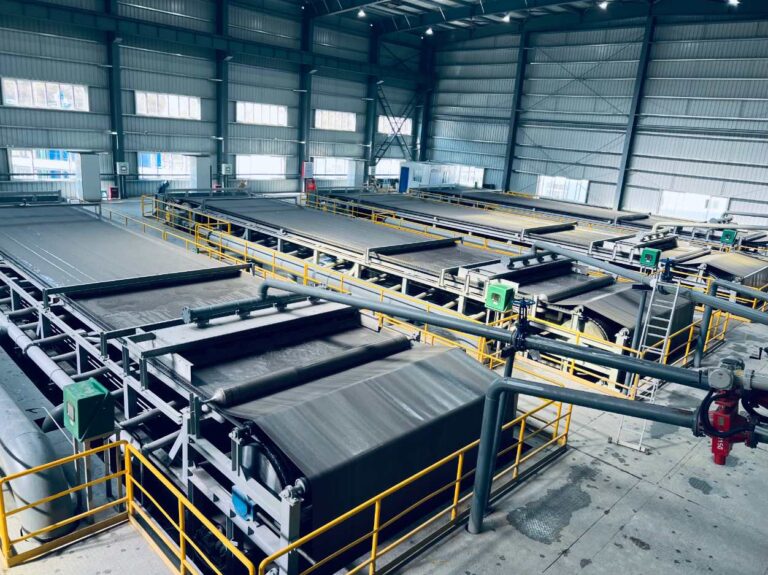
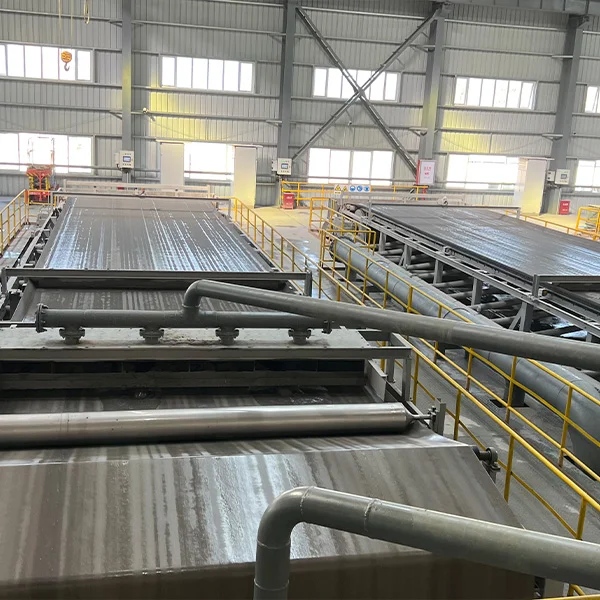
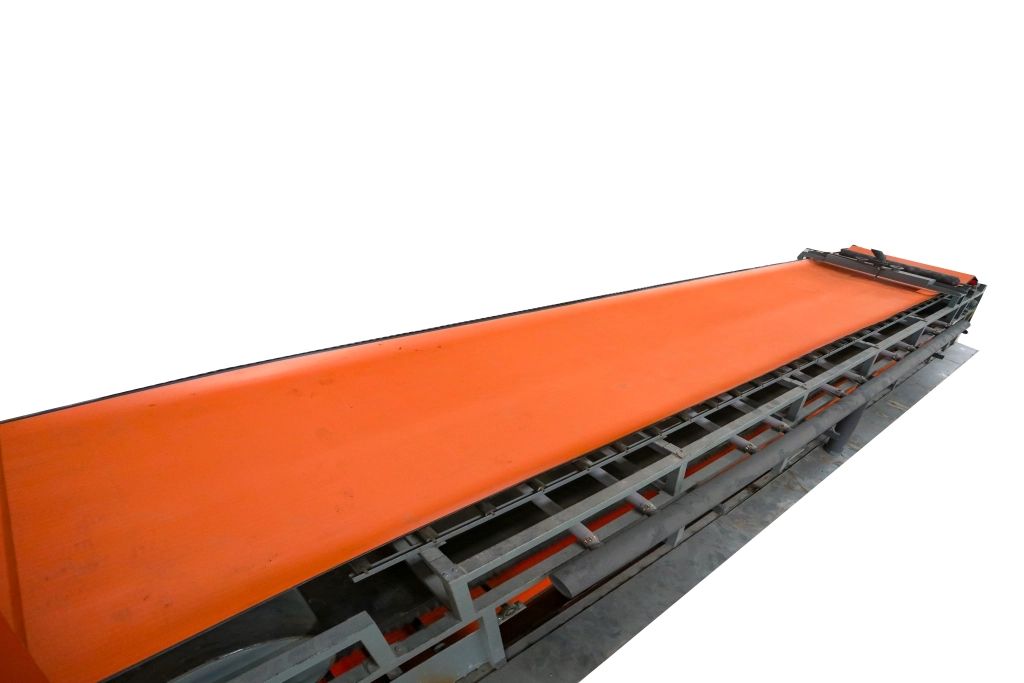
A belt filter uses a moving filter cloth, a vacuum box, and a continuous rubber belt to separate solids and liquids efficiently. When paired with proper washing zones and drying sections, the system can recover a large share of process water while producing drier cakes.
Here’s where the water savings come from.
High Filtrate Recovery for Recycling Systems
On page 2 of the uploaded BF Belt Filter document, the product description highlights that the equipment delivers low-moisture filter cakes and supports continuous filtration, washing, and drying.
This matters because:
- The cleaner the filtrate, the easier it is to reuse in the plant.
- High recovery reduces the need for fresh makeup water.
- Recovered filtrate feeds directly into grinding, flotation, or washing circuits.
Many mines report that belt filters can return thousands of cubic meters of usable water per day back into circulation.
Multi-Stage Washing Improves Water Efficiency
The BF Belt Filter supports sectioned washing zones, with options for upstream or downstream washing.
This allows plants to:
- Use less wash water per ton of solids
- Achieve cleaner filter cakes
- Recover more dissolved values in concentrate circuits
- Reduce solids loading in water recycling systems
Tailings and concentrates that once required high water flushing can now be processed with more controlled, targeted washing.
Drier Filter Cakes Reduce Indirect Water Fees
Many plants underestimate how much water leaves their site “hidden” inside filter cakes. High moisture means more weight, more hauling costs, and more long-term storage risks.
The BF Belt Filter’s vacuum-assisted design, highlighted on page 4, rapidly removes liquid during filtration and drying. The vacuum chamber, driven by the contact between the rubber belt and friction belt, creates a powerful water-sealing structure that enhances dewatering efficiency.
Drier cakes translate into:
- Lower downstream dewatering demand
- Reduced evaporation pond loads
- Smaller storage footprint for tailings
- Reduced risk of seepage if stored long-term
Every percentage point of moisture removed represents direct cost savings.
Efficient Cloth Regeneration Reduces Wash Water Consumption
A key water-saving feature noted in the product details is high-pressure cloth washing, which increases cloth regeneration effectiveness and extends its lifespan.
Why this matters:
- Clean filter cloth = higher throughput
- Higher throughput = more efficient water removal
- Effective washing = less water wasted during regeneration
Many older filtering systems lose efficiency quickly because their cloth loading increases and washing efficiency declines. Belt filters counter this naturally with built-in regeneration systems.
Flexible Discharge Options Support Closed-Loop Water Systems
The BF Belt Filter offers multiple filtrate discharge configurations, including zero discharge, high-level discharge, and auxiliary discharge.
Mining plants looking to build near-zero liquid discharge (ZLD) systems benefit from:
- Isolated filtrate streams
- Cleaner water extraction
- Better compatibility with water treatment units
The easier it is to separate clean and dirty water streams, the cheaper it becomes to recycle them.
How Belt Filters Lower the Cost of Water Recycling
Reducing water usage and lowering recycling costs are closely connected. Here’s how belt filters help with both:
Lower Load on Thickeners and Clarifiers
Better filtrate quality means:
- Less solid loading
- Longer cycles between desludging
- Reduced need for flocculant and reagents
Mining plants often see a reduction in chemical costs once belt filters are installed.
Reduced Pumping Requirements
Drier cakes and clearer filtrate reduce the energy needed to:
- Pump slurry
- Recirculate process water
- Transfer tailings
Energy is one of the largest contributors to recycling costs; belt filters help plants reduce that burden.
Faster Processing Means Smaller Footprints
Continuous operation—one of the core properties of the BF Belt Filter—helps stabilize plant flow.
Stable flow allows:
- Smaller auxiliary tanks
- Reduced surge capacity requirements
- More compact water treatment systems
Compact systems require less capital, less water, and lower long-term maintenance.
Why Mining Plants Prefer Horizontal Vacuum Belt Filters
Several characteristics in the document support why these units are especially suited to mining:
- Modular design for easy installation
- Remote and field interaction control for fully automatic operation
- Multiple belt support options (roller, air cushion, pallet) for reduced friction and longer lifetime
- Fully or semi-enclosed structures for handling volatile materials
These engineering features translate into predictable operation in harsh conditions, long service life, and compatibility with high-throughput mining processes.
About Yantai Hexin Environmental Protection Equipment Co., Ltd
Yantai Hexin Environmental Protection Equipment Co., Ltd is a manufacturer specializing in solid-liquid separation equipment, including belt filters, ceramic filters, and tower filters. With strong design and manufacturing capabilities, Hexin provides reliable equipment used across mining, metallurgy, chemicals, environmental protection, and tailings treatment.
The company focuses on:
- Stable mechanical design
- Large filtration areas
- Modular customization
- Automated control systems
- Energy-efficient, water-saving performance
Hexin’s belt filters are engineered for durability and long lifecycle performance, making them a trusted choice for mining plants aiming to reduce operational costs, especially in water and recycling systems.
Conclusion
Water is one of the hidden cost drivers in mining operations. As fresh water becomes harder to secure and recycling systems become more expensive to run, equipment that can reduce water usage while improving dewatering efficiency is worth serious attention.
Belt filters offer a powerful combination of:
- Higher water recovery
- Lower moisture in filter cakes
- Efficient washing systems
- Continuous, stable operation
- Lower energy and chemical consumption
For mining plants committed to long-term cost reduction and more sustainable water practices, belt filters—especially well-designed horizontal vacuum models—represent a practical, proven upgrade.
FAQs
How do belt filters help mining plants reduce water usage?
Belt filters recover a large portion of filtrate for reuse, reduce washing-water demand through efficient cloth cleaning, and produce drier cakes that reduce downstream water loss.
Do belt filters lower water recycling costs?
Yes. By producing cleaner filtrate and reducing the load on thickeners, pumps, and clarifiers, belt filters decrease energy use and chemical consumption in recycling systems.
Why are belt filters preferred in mining plants over other dewatering equipment?
Their continuous operation, vacuum-assisted filtration, modular design, and ability to create low-moisture cakes make them especially effective in high-throughput mining environments.
Can belt filters be integrated into zero-discharge systems?
Absolutely. With multiple discharge modes, including zero discharge, belt filters easily support closed-loop water management strategies.
How does filtration efficiency affect water savings in mining?
The more efficiently solids are removed, the cleaner the filtrate becomes, making the water easier and cheaper to recycle within the plant.