 Russian
  English
  Spanish
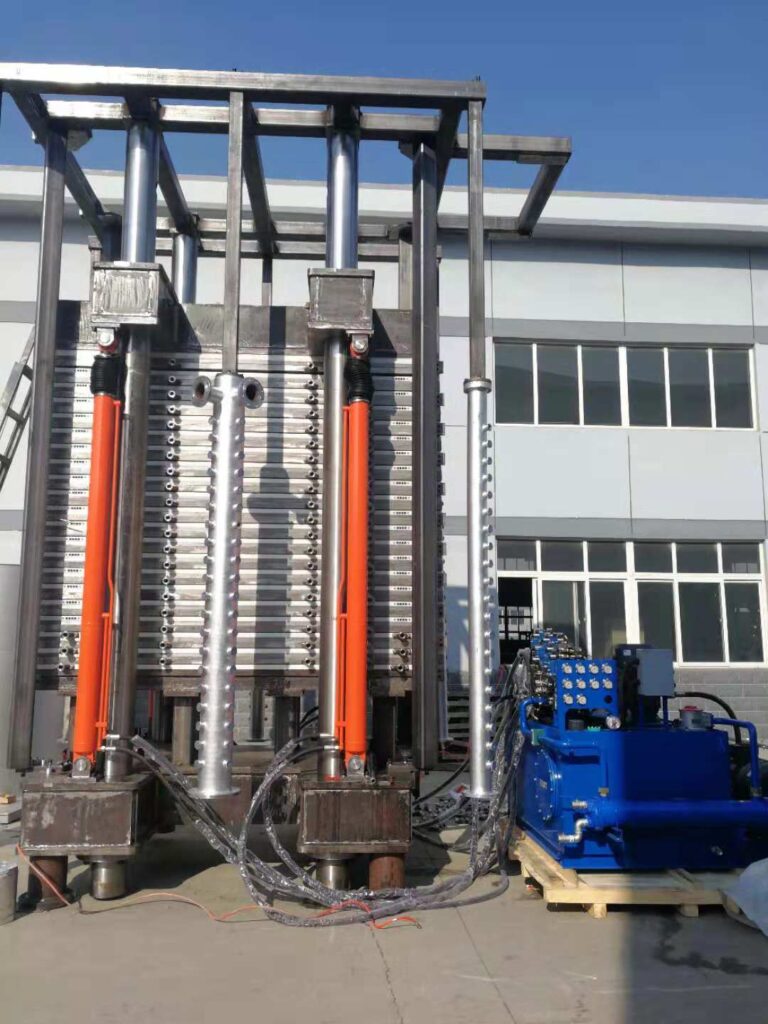
 A tower filter press (TFP) serves as a reliable tool for industrial dewatering and solid-liquid separation. It blends automation, strong performance, and a space-saving layout to handle the tough needs of big production setups. The TFP vertical filter press stands as a modern, fully automated setup built for solid-liquid separation. It features solid efficiency and reduced power use. This method fits well in fields where steady work and reliable output matter most.
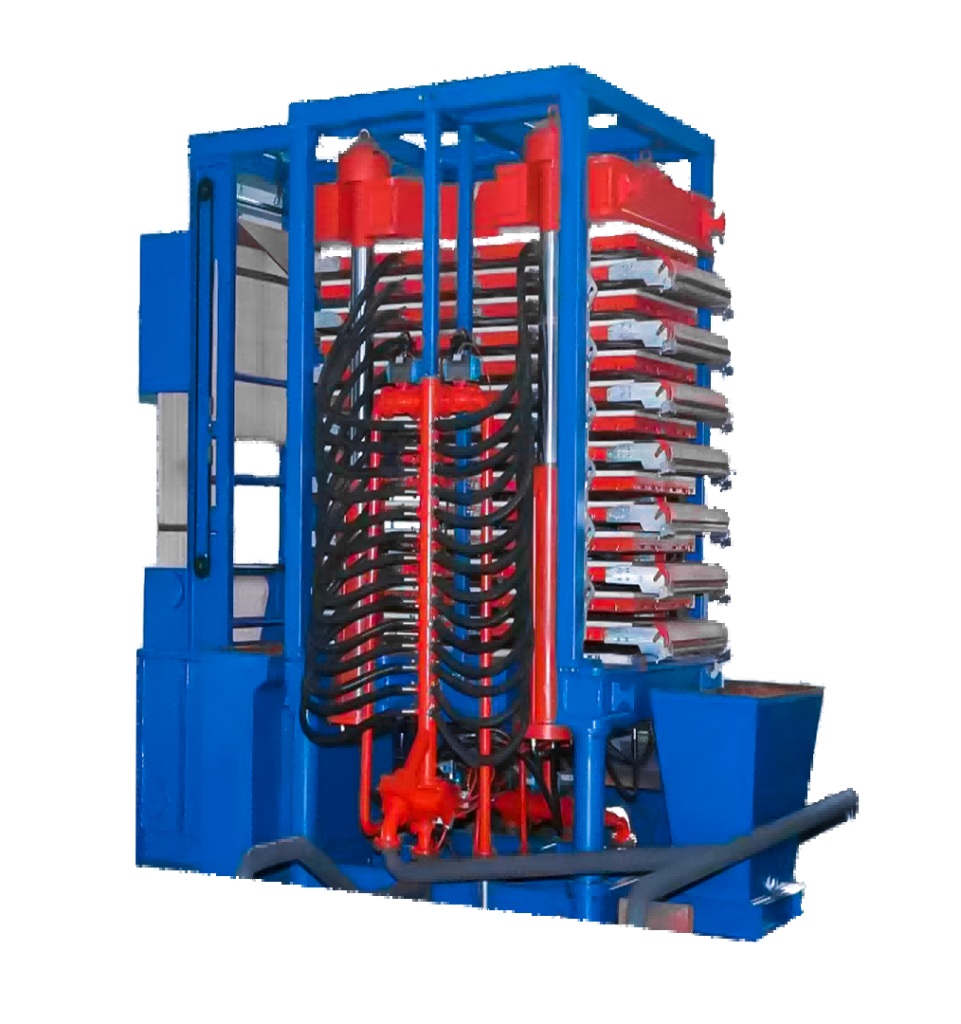
Core Components of a Tower Filter Press
The basic build of a tower filter press includes a sturdy frame. This frame holds up filter plates stacked in a vertical line. The tower type structure uses filter plates for horizontal filtration. It runs with multi-cylinder synchronous action and a self-guide hydraulic cylinder. The design stays compact and forward-thinking. The hydraulic system provides steady compression and smooth plate shifts. As a result, it cuts down on hands-on work. Each chamber has filtration cloths or membranes inside. These catch solid bits while letting liquid flow out. PLC control systems pair with automatic valves for exact control. The machine relies fully on hydraulic power. It operates steadily, dependably, and safely. A PLC and touch panel with auto valves handle the controls. This makes operation simple and boosts automation levels.
The Filtration Process Explained
The working method of a tower filter press follows a step-by-step flow aimed at top results. First, the slurry enters the filtering chamber once the filter plate frame closes. The filter liquid passes through the filter cloth. It reaches the filter liquid chamber. From there, it moves into the filter liquid soft pipe. Finally, it joins the main pipeline and exits. When the slurry fills the chambers, pressure pushes the liquid through the cloths. Solids stay behind as cakes on the cloth surfaces. Next steps involve pressing with high-pressure water or air. This removes extra moisture. High pressure water travels to the upper side of the diaphragm through the high pressure water soft tube. The diaphragm then presses the filter cake against the filter cloth surface. It squeezes out more filter liquid from the cake. You can add optional washing and air-drying steps. These improve cake dryness even more. At the end, an automatic discharge system lets go of the dried cakes in a smooth way. After the drying phase, the plate compounds open. The filter cloth driven device then starts up. It pushes the filter cake out from both sides of the filter press.
Why Choose a Tower Filter Press for Industrial Dewatering?
Many plants pick tower filter presses for their strong handling ability and built-in automation. These traits set them apart from older filtration tools. They give steady outcomes even when slurry mixes change.
Efficiency and Energy Performance
The upright setup lets gravity help with drainage. This works alongside mechanical pressure in the filtration steps. Such a plan cuts power needs while speeding up the process times. The moisture level in the filter stays low. It offers high capacity. The work output beats traditional hydraulic presses by several times, or even ten times. Shorter cycle times mean better production per space unit. This proves key for big plants looking for power-saving dewatering options.
Quality of Filtrate and Cake Formation
By mixing diaphragm pressing with air drying, tower filters create very dry cakes. These have little leftover moisture. This setup ensures good recovery of clear filtrate. The filtrate works for reuse or safe release into wastewater systems. Modern membrane squeezing methods improve separation accuracy. They guarantee even cake thickness in every chamber.
Where Are Tower Filter Presses Commonly Used?
Their flexibility and toughness make tower filter presses useful in many areas. These spots need dependable solid-liquid separation.
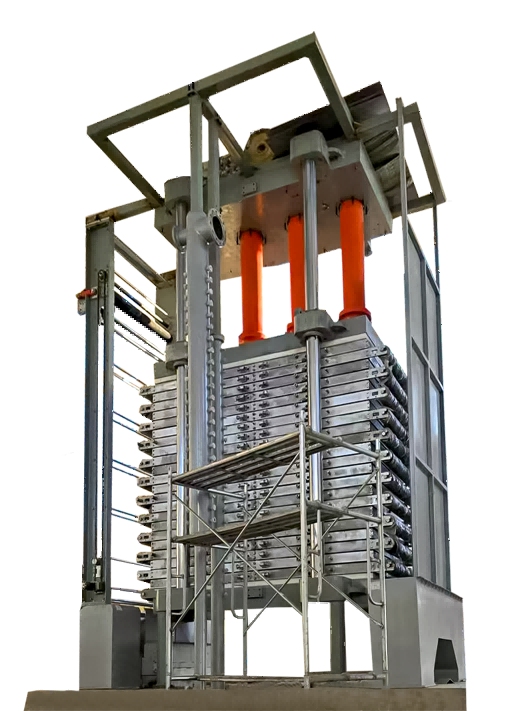
Applications in Mining and Metallurgy
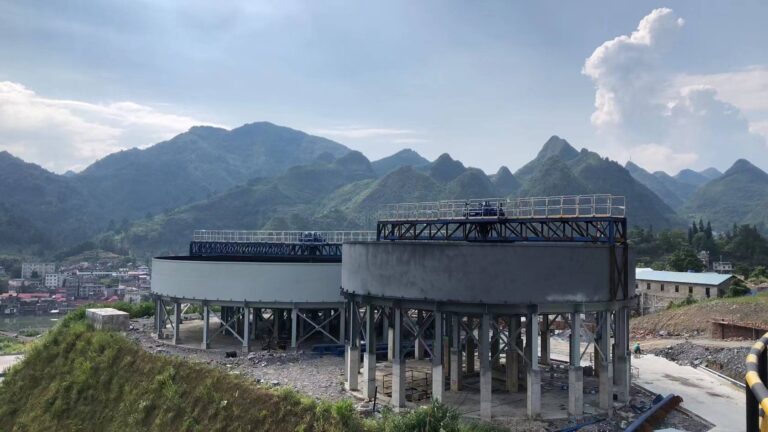
In mineral handling sites, TFPs play a key role in concentrate dewatering jobs. Here, cutting moisture affects transport expenses and smelting speed directly. It serves widely for dewatering in mining output concentration and tailings. It processes oxides in smelting and chemical areas. It manages electrolytic residues and treats leaching residues. It also dehydrates various slags. Their skill in dealing with rough slurries makes them vital in tailings systems. These systems aim to limit harm to the environment.
Применение в химической и фармацевтической промышленности
Chemical sites use TFPs to split fine suspensions in tricky reaction blends. They keep up with chemical match for harsh substances. In pharmaceutical making, they meet strict purity rules. They do this by giving steady filtrate quality in managed settings.
Applications in Environmental Protection and Wastewater Treatment
Environmental projects depend on TFPs for good sludge dewatering in city wastewater plants. It forms a core part of environmental care work. This includes treating sewage sludge and waste acid in many industries. Industrial effluent handling gains from smaller disposal amounts. It also sees better water recovery rates. These support goals for a circular economy.
How Does a Tower Filter Press Compare to Other Filtration Systems?
When checking filtration methods for industrial dewatering, TFPs shine with their small size and easy automation.
Comparison with Chamber Filter Presses
Regular chamber presses need hand plate moves or basic automation. In contrast, TFPs run fully on their own with PLC controls. Their vertical stack saves floor area. It keeps steady pressure across all plates. This leads to even cake buildup.
Comparison with Belt Filter Presses and Centrifuges
Belt filters often leave wetter cakes. They use lower pressures than tower presses. Centrifuges allow ongoing work. However, they face higher upkeep costs from wear on spinning parts. TFPs, on the other hand, reach lower moisture leftovers through multi-step pressing. They provide better dependability with fewer parts that move.
What Factors Should Be Considered When Selecting a Tower Filter Press?
Choosing the right TFP calls for close review of material traits and work settings. These affect the full results.
Material Characteristics and Process Requirements
Particle size spread sets the filtration pace and final cake firmness. Finer bits might need longer pressing or special membranes. Chemical fit between slurry parts and build materials matters a lot. Options like stainless steel or polymer mixes resist rust. Slurry thickness impacts pump choices. Thicker ones require stronger feed pressures during runs.
Automation Level, Maintenance, and Cost Considerations
The automation amount should match the staff at the site. It must focus on safety with remote watch systems. Easy access for upkeep affects long-run steadiness. Parts that swap out simply lower stoppage costs. Full cost checks should cover power use figures. They also need to look at spare part stock from nearby helpers.
Кто такой Yantai Hexin Environmental Protection Equipment Co., Ltd.?
Янтай Гексин Экологическая защита оборудования Co., Ltd focuses on creating solid-liquid separation tech suited for worldwide industrial needs. The firm blends research and development with top-notch making. It covers mining, metallurgical, chemical, and environmental fields. They supply custom tower filter presses fit for each client’s work demands.
What Are the Key Trends Shaping the Future of Tower Filter Press Technology?
Ongoing new ideas push gains in filtration accuracy, smart automation, and green performance in current industrial places.
Integration of Smart Monitoring Systems
New IoT-based tools allow live tracking of work details like pressure gaps or cycle lengths. This helps set up maintenance ahead of breakdowns. Such smart setups boost steadiness. They cut unplanned stops with forward checks. Users can reach these through digital links from afar.
Advancements in Materials and Design Optimization
Future TFPs use rust-proof metals more often. These suit tough chemical spots. They pair with light composite materials. These ease structural weight without losing strength or steadiness under high pressure.
Conclusion: The Strategic Value of Tower Filter Presses in Modern Industry
Tower filter presses show tech growth in industrial dewatering. They mix automation, efficiency, small size, dependability, green traits, and flexibility across sectors like mining, chemicals, pharmaceuticals, and wastewater care. They deliver clearer filtrate, less power use, more output, and aid lasting production aims around the world.
FAQs about Tower Filter Presses
Q1: How long does a typical filtration cycle take in a tower filter press?
A: Cycle times vary by slurry makeup, pressure amount, and wanted dryness. They usually last from 30 minutes to 2 hours per batch. This depends on the setup needs.
Q2: Can tower filter presses handle corrosive or abrasive materials?
A: Yes. Picking stainless steel or polymer composite plates works well. Pair them with cloths that resist chemicals. This handles rough conditions in chemical and metallurgical spots safely.
Q3: What maintenance practices ensure optimal performance of tower filter presses?
A: Check and adjust parts regularly. Lubricate them and swap out worn ones. Watch hydraulic bits closely. Clean sensors to keep steady output. These steps cut stoppages and lengthen service time. They support nonstop industrial work well.