 Russian
  English
  Spanish
 Building on the fundamentals of solid liquid separation methods, equipment, and industrial use cases, metallurgy plants and chemical facilities frequently deal with sludges or precipitates that need to leave the filter with as little retained moisture as possible—otherwise disposal charges climb, transport trucks carry extra dead weight, and any follow-on drying or calcining step burns more fuel than necessary. Tower filter presses, with their vertical chamber stack and high-pressure capability, regularly bring cake moisture down below 10%, most often settling in the 6–9% range on compressible, fine, or sticky materials where belt presses or standard plate-and-frame units top out much higher.
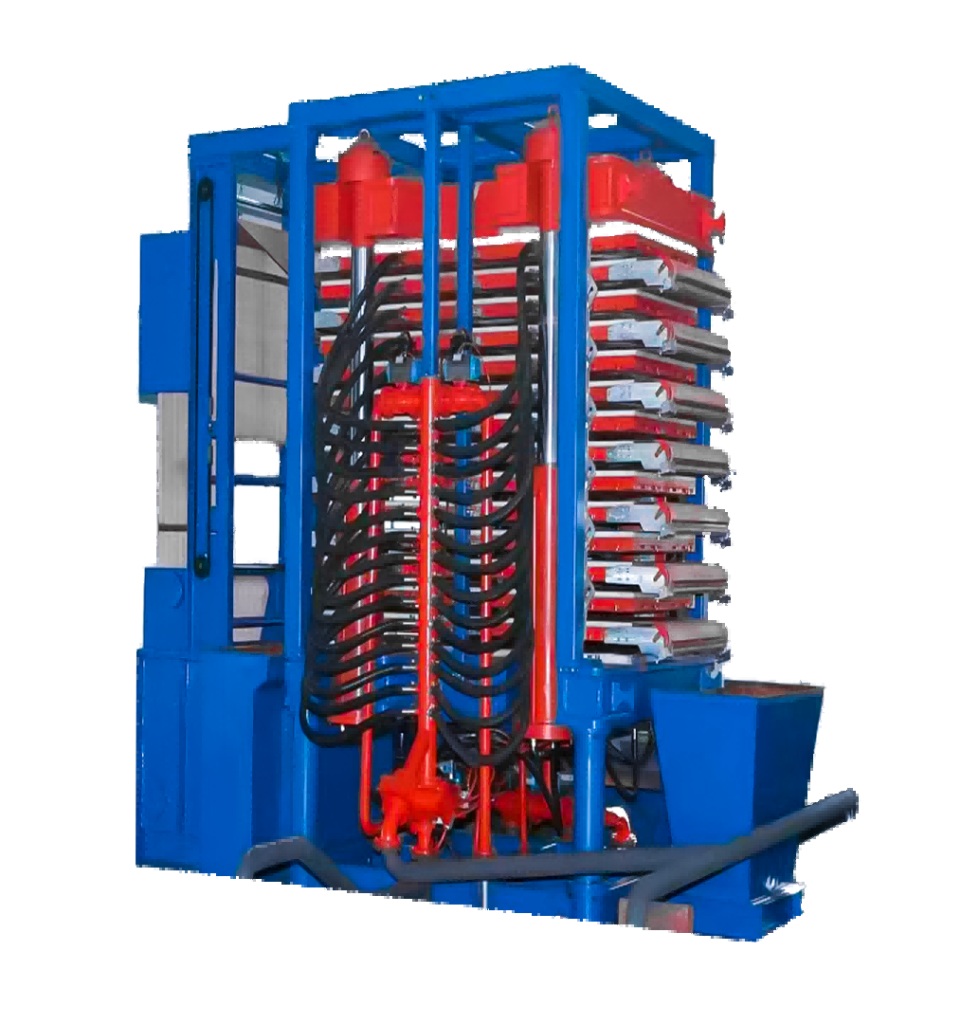
This breakdown comes from years of watching these machines run in smelter residue lines, leaching circuits, and various chemical precipitation setups. It covers the actual mechanics that get moisture so low, pressure and cycle behavior seen in the field, typical results across real streams, application fit in those industries, installation details that matter, and the day-to-day maintenance that keeps cycles consistent and downtime short.
How the Machine Actually Runs in These Plants
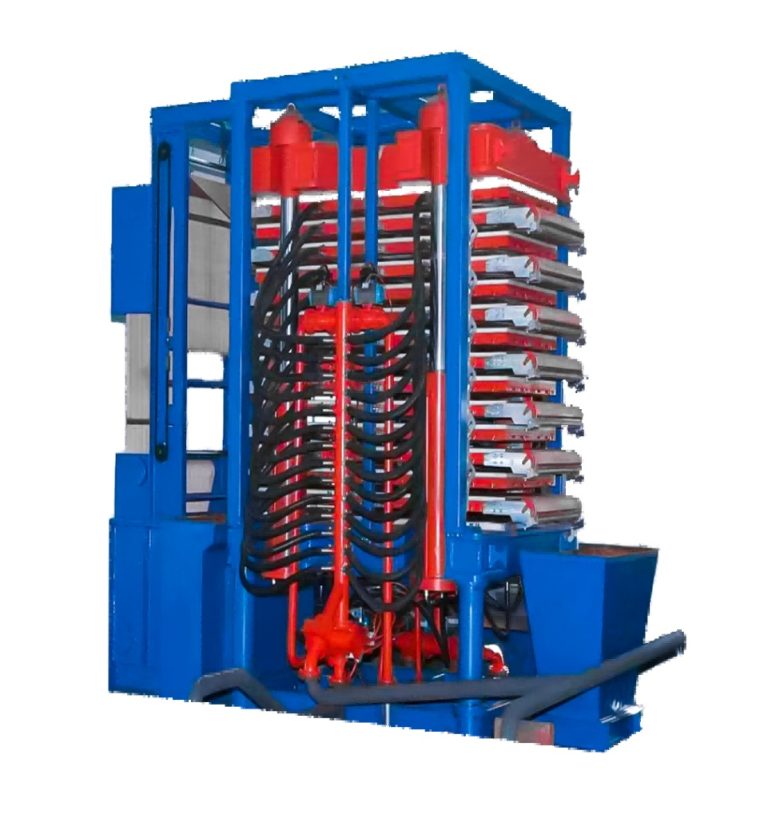
Tower filter presses cycle in batches inside a tall, stacked chamber arrangement. Slurry pumps in under pressure, filtrate flows out through cloths on the plates, solids build the cake. Filling finishes first. Then hydraulic rams—or membranes in many setups—apply long, even squeeze at 1.6–2.0 MPa, sometimes higher. That force works layer by layer across the entire cake.
Vertical stacking keeps the footprint tight, a big plus when floor space already feels crowded or when the unit goes into an existing building. Gravity helps spread solids evenly during fill, and the plate design distributes pressure uniformly. Once compression ends, air blow-through pushes remaining liquid out of the pores. Plates open, cake drops to the belt below.
On zinc leaching residues or nickel fine tailings in metallurgy, that extended high-pressure hold breaks down particle packing and squeezes out water trapped in compressible zones—water that lower-pressure systems leave behind. Chemical precipitates—metal hydroxides, various salts, organic sludges—act much the same way; the squeeze gets past surface tension and adhesion that stall other filtration methods.
Pressure and Cycle Details That Make Sub-10% Moisture Realistic
Hydraulic pressure does most of the work. Operating levels of 16–20 bar are standard, with some configurations reaching 25 bar or more when membranes assist. This compresses the cake structure, collapsing pores and forcing interstitial and capillary water out.
Membrane diaphragms add a useful second stage in many installations. After the initial cake sets, diaphragms inflate and press uniformly over the whole surface. On fine sticky feeds this step alone often drops moisture another 5–10 points.
Air blow-through comes next. Plant air at moderate pressure flows through the cake, displacing leftover filtrate without re-wetting. In smelter sludges or chemical precipitates this sequence—high squeeze plus air—consistently hits 6–9% moisture, excluding crystal-bound water.
Cycle length depends on the material. Thirty to ninety minutes per batch covers most cases—shorter on easier-draining streams, longer on thick, compressible ones. Automation handles fill ramp, pressure hold, blow, and discharge, so once parameters stabilize, the operator mostly monitors rather than adjusts constantly.
Performance Seen in Metallurgy and Chemical Operations
Operating data from these industries shows sub-10% cake moisture as routine when conditions align.
In metallurgy, zinc oxide residues or nickel leaching fines frequently reach 7–9% moisture at feed solids of 30–50% with decent flocculation. Copper precipitates and iron-rich sludges follow close behind.
Chemical lines—caustic sludges, zeolite cakes, enzyme filtration, or specialty salt precipitates—land at 6–8% on sticky fine-particle streams. Equipment running at lower pressures often stops at 12–15% on the same feeds.
Throughput fits medium-to-high batch volumes. Units with 100–200 m² of filtering area handle plant-scale production without continuous flow being mandatory.
Filtrate stays clear enough for recycle in most closed circuits. Solids carryover rarely causes issues, though a small polishing step appears when purity specs get very tight.
Energy goes mainly to the hydraulic pumps. Consumption runs higher than vacuum or gravity setups, but the much drier cake cuts total costs through lighter trucks, smaller disposal volumes, and sometimes skipping thermal steps entirely.
| Параметр | Tower Filter Press Field Performance | Common Observations in Metallurgy / Chemical |
| Operation | Batch cycle | Fill → squeeze → blow → discharge |
| Cake Moisture | <10% (6–9% typical) | On compressible, sticky, fine feeds |
| Pressure Range | 1.6–2.0 MPa (16–20 bar) | Membrane assist pushes higher |
| Cycle Time | 30–90 minutes | Varies with thickness and filterability |
| Throughput | Medium-high batch | Dryness takes priority over continuous |
| Filtrate | Good to excellent clarity | Usually direct recycle |
| Energy Main Driver | Hydraulics | Offset by lower handling / disposal costs |
| Maintenance Focus | Hydraulics, seals, cloths | Regular inspection avoids surprises |
Numbers come from smelter residue dewatering, leaching plant filtration, and chemical precipitation runs.
Where It Fits in Metallurgy and Chemical Plants
Metallurgy operations use tower filter presses on leached residues, smelter sludges, or concentrate wash cakes. Cake at 6–9% moisture eases rail or truck loading, shrinks disposal piles under tight regulations, and lightens the load on roasting or smelting.
Chemical facilities apply them to hydroxides, salts, organic sludges, or high-value precipitates. Low moisture reduces calciner fuel, drying energy, or packaging weight while preserving product integrity.
Compact vertical design helps in plants where expansion space is limited or civil work needs to stay minimal.
Batch cycling works well when feed rates vary or when the press can sync with upstream batch processes.
Installation and Running Details That Matter
Feed preparation sets the tone. Solids at 30–50% after thickening perform best. Too thin extends cycles; too thick risks poor chamber fill.
Flocculation bridges fines. Anionic polymers cover many metallurgical streams; non-ionic or cationic handle certain chemical precipitates. Dose tunes via lab leaf tests and plant-side jar work.
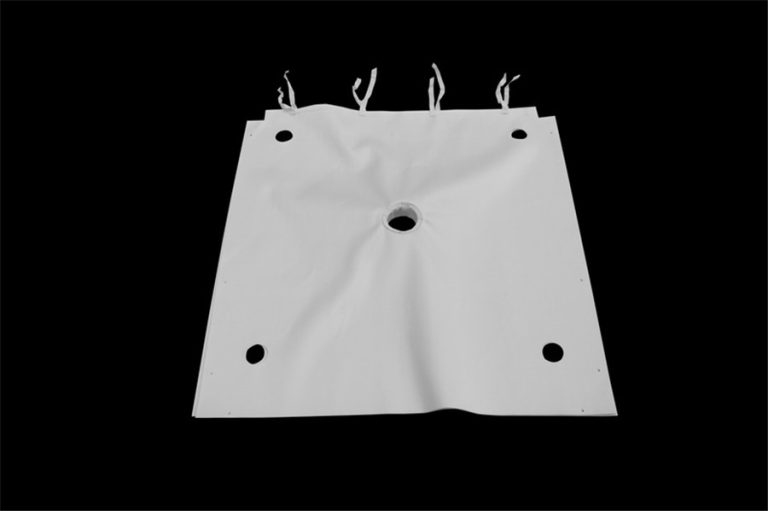
Cloth choice affects uptime. Monofilament resists abrasion on metallurgical fines; multi-layer or chemically resistant weaves survive aggressive liquors.
Pressure ramp-up avoids cake cracking. Slow increase keeps structure intact and filtrate clean.
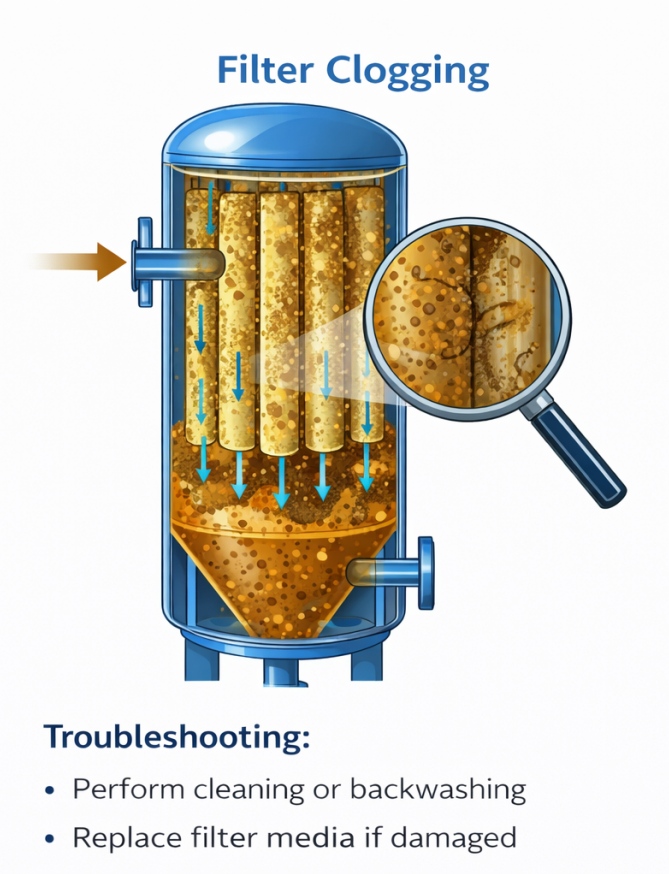
Maintenance centers on hydraulics, seal condition, and cloth wear. Pressure gauges catch leaks early. Cloth wash or change during scheduled outages keeps cycles predictable.
Hexin Equipment for High-Pressure Dewatering
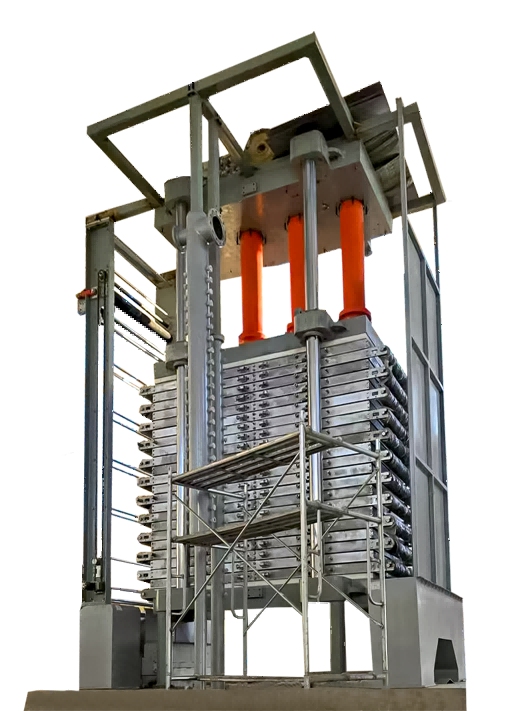
Янтай Хексин Обощивание Экологического оборудования Ко., ООО., located in the Yantai Economic Development Area, Shandong Province, China, has worked in filtration technologies since initial R&D in 1995, with formal restructuring in 2017. The range includes belt filters, ceramic filters, vertical tower filter presses, high-efficiency thickeners, and full EPC projects for mining, metallurgy, chemicals, fertilizers, pharmaceuticals, food processing, papermaking, sewage treatment, and tailings management. Designs pull from long-term site data, emphasizing manufacturing accuracy, quality controls, and field support for steady long-run performance.
Hexin TFP Series tower filter presses use vertical high-pressure compression—up to 2.0 MPa in configured models—to reach cake moisture typically below 10%, often 6–9%, on compressible or sticky metallurgy and chemical sludges and precipitates. Adjustable pressure curves and membrane capability allow tuning to different feed behaviors.
These series build on refinements from years of installed units and operator experience.
Вывод
Tower filter presses supply a mechanical route to cake moisture under 10% in metallurgy and chemical processes, using high hydraulic pressure and vertical chamber layout to manage sticky, compressible feeds where other оборудование для разделения твердой и жидкой фаз falls short. When drier cake lowers disposal fees, lightens transport, or cuts energy in later steps, the approach shows clear returns. Choosing based on feed analysis, cycle needs, and full operating costs—backed by representative trials—delivers consistent dryness and operational stability.
Site guidance starts with solids percentage, particle details, and target moisture.
Company Introduction: Yantai Hexin Environmental Protection Equipment Co.,Ltd
Yantai Hexin Environmental Protection Equipment Co.,Ltd., based in the Yantai Economic Development Area, Shandong Province, China, has focused on filtration for over twenty years. Work began in 1995, with company restructuring in 2017. Products cover belt filters, ceramic filters, vertical tower filter presses, high-efficiency thickeners, and complete EPC projects across mining, metallurgy, chemicals, fertilizers, pharmaceuticals, food processing, papermaking, sewage treatment, and tailings management. Emphasis stays on quality fabrication, thorough testing, and field service to provide equipment that holds up over time.
Вопросы и ответы
What cake moisture does a tower filter press usually reach in metallurgy applications?
Tower filter presses typically deliver under 10% cake moisture—often 6–9%—in metallurgy on residues or sludges through extended high-pressure compression.
How does tower filter press get cake moisture below 10% in chemical processes?
High hydraulic pressure (1.6–2.0 MPa) plus membrane squeeze and air blow compresses sticky chemical precipitates, consistently achieving 6–9% moisture.
When should tower filter press be selected for solid liquid separation in metallurgy?
Tower filter press fits metallurgy when cake moisture needs to stay below 10% to reduce disposal volume or transport costs on compressible residues.
What gives tower filter press an edge in chemical industry low-moisture applications?
Tower filter press stands out in chemical work by applying prolonged high pressure that removes bound water from fine sticky precipitates, reaching sub-10% moisture.
How does pressure level in tower filter press impact moisture in chemical precipitates?
Pressure up to 2.0 MPa collapses pore structure in chemical precipitates, squeezing out interstitial water and routinely hitting 6–9% cake moisture.