 Spanish
  English
  Russian
 In industries where the handling of slurries is involved in daily operations, precise operation for achieving solid-liquid separation is of utmost importance. Tailings from mining operations need to be dehydrated before storage. Residues from chemical plants need to have their moisture content strictly controlled. Sludge from environmental protection projects needs to be treated to meet strict emission standards. All these processes require efficient equipment to separate solids from liquids, thereby reducing volume, lowering transportation costs, and recovering water for reuse.
Two common options stand out particularly: vertical filter presses and belt filters. Vertical type (often referred to as tower filter presses) work in batches under high pressure, producing very dry filter cakes. Belt filters (including horizontal vacuum types) operate continuously and can handle larger flows while maintaining a stable output. Each device has its application scope, depending on the material, processing volume requirements, and the required degree of filter cake drying. Choosing the wrong equipment can lead to increased subsequent costs – possibly due to excessive energy consumption, frequent maintenance, or poor recovery rates. This comparison is based on actual performance in the mining, chemical, and wastewater treatment fields, aiming to help determine which equipment is suitable for a specific setup.
What Is Solid-Liquid Separation and Why Does It Matter?
Solid-liquid separation pulls water or other liquids away from suspended particles in a slurry. In mining, it concentrates ores or dries tailings. In chemical production, it isolates products from reaction mixtures. In environmental work, it reduces sludge volume before disposal or land application.
The importance hits hard in practice. Poor separation means hauling wetter material, which weighs more and costs extra in fuel or landfill fees. It also ties up water that could cycle back into the process, especially in dry regions where every drop counts. Regulations push for lower moisture in disposed solids to prevent leaching or instability in storage areas. Effective separation lowers energy for any drying steps that follow and improves overall plant efficiency.
Take a typical mining concentrator: tailings slurry might arrive at 20-30% solids. Without good dewatering, storage facilities fill faster, raising risks and expenses. In chemical plants, recovering clear filtrate means less waste and better compliance. Across these fields, the right equipment turns a messy slurry into manageable dry cake and reusable liquid, saving money and reducing environmental footprint.
What Is a Vertical Filter Press?
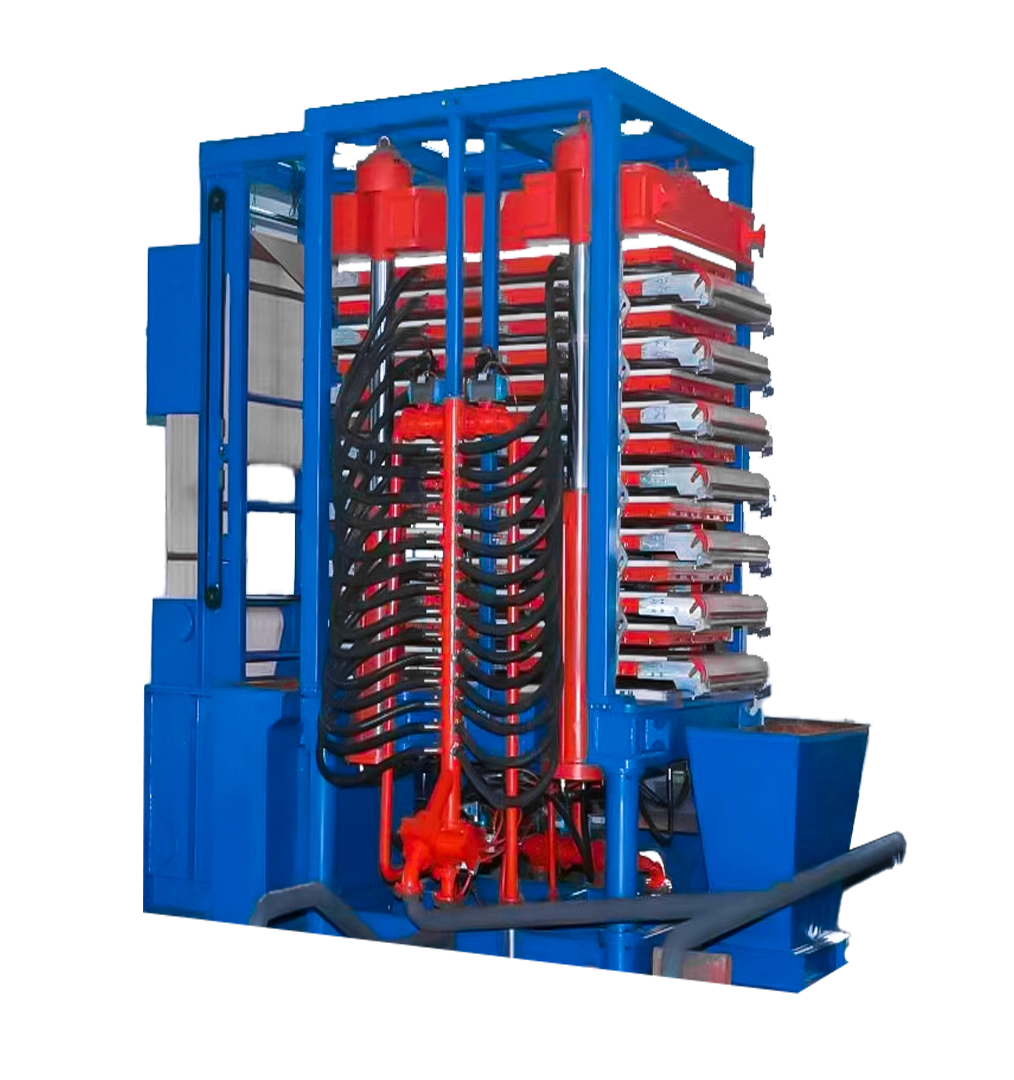
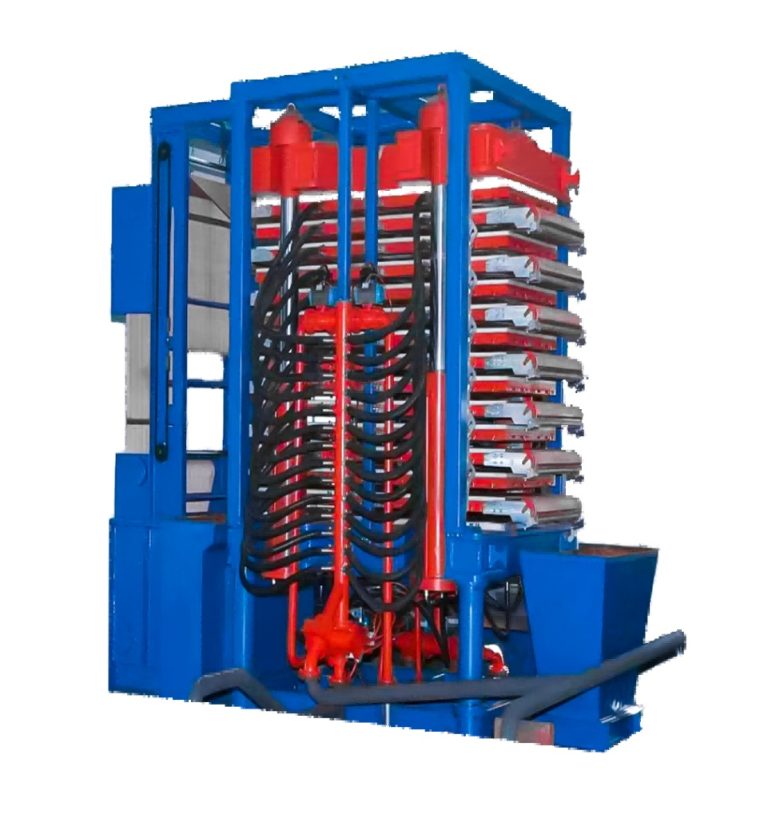
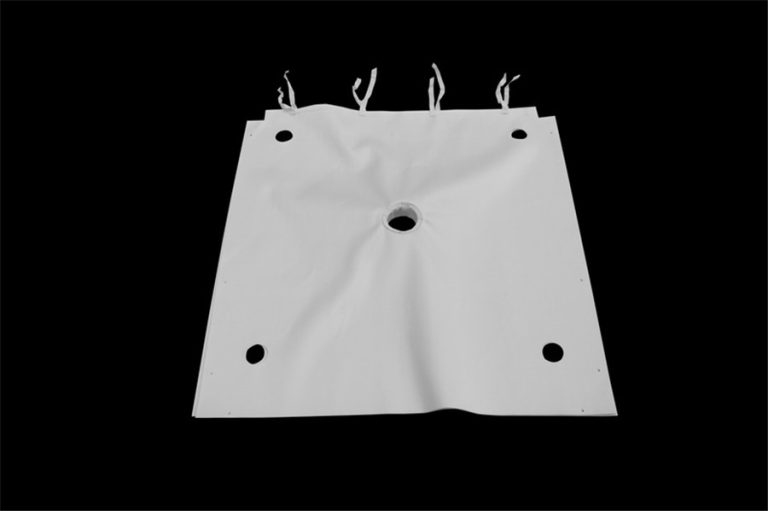
A vertical filter press stacks plates in a tower arrangement, allowing horizontal filtration under pressure. Slurry fills the chambers between plates. Pump pressure, combined with diaphragm squeezing and sometimes air blowing, forces liquid through the cloth while solids build into cakes. Cycles include filling, pressing, optional washing, further pressing, drying, and discharge. Automation handles most steps via hydraulic systems and PLC controls.
These units shine with sticky or fine materials that need thorough dewatering. Pressures can hit 20 MPa, driving moisture down low. Full automation keeps operation stable and safe.
Applications span mining concentrates and tailings, chemical oxides and residues, electrolytic sludges, leaching wastes, and sewage sludge. They handle demanding scenarios where cake dryness directly affects transport or further processing.
Advantages include exceptionally low cake moisture—often below what continuous systems achieve—making downstream handling easier. High capacity per footprint suits space-limited sites. Efficiency can reach several times that of older presses, thanks to multi-step pressing and drying.
Drawbacks involve batch operation, which means cycles rather than steady flow. Initial setup costs run higher due to robust construction for high pressures. Some materials require careful cloth selection and occasional manual checks for regeneration.
What Is a Belt Filter?
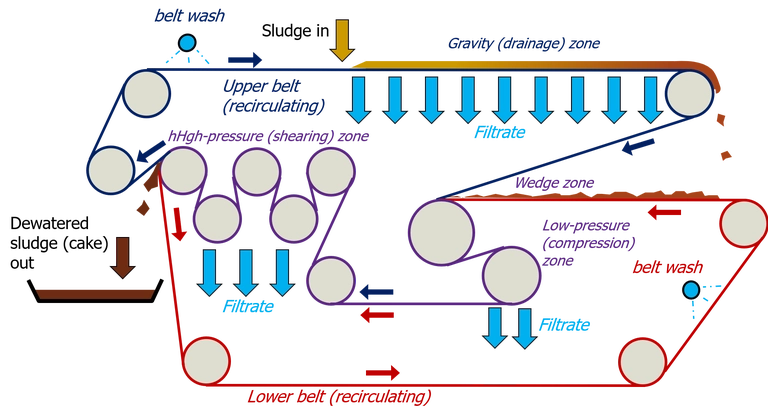
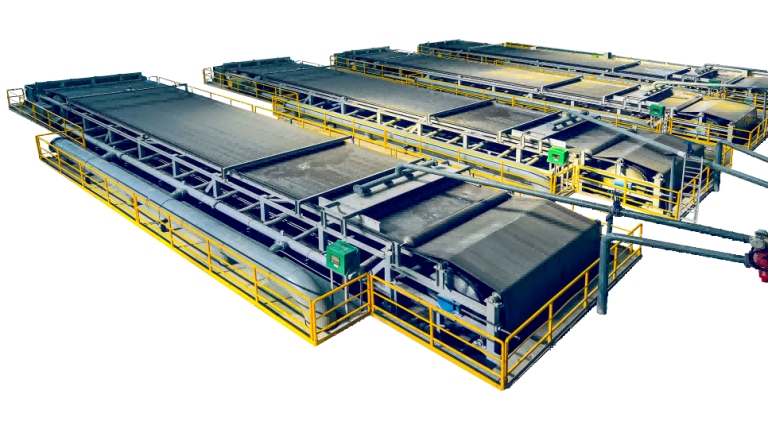
A belt filter, often a horizontal vacuum type, uses a continuous rubber belt with filter cloth on top. A fixed vacuum box underneath pulls liquid through as the belt moves. Slurry distributes evenly, gravity and vacuum start separation, then cake moves through washing and drying zones. At the end, cake discharges, and cloth regenerates.
Synchronous movement of cloth and belt enables feeding, filtering, washing, drying, and regeneration without stops. Options like roller or air cushion support reduce friction and extend belt life. Enclosed designs handle volatiles safely.
These filters fit continuous, high-volume work in metallurgy, mining, petrochemicals, chemicals, pharmaceuticals, and flue gas desulfurization for gypsum.
Advantages come from nonstop running, ideal for large flows. Low moisture cakes ease transport. Modular builds allow flexible sizing and easy shipping. Remote controls support automation.
Challenges arise with very fine or sticky particles, where capture or dryness suffers compared to pressure systems. Cloth and belt need regular attention to maintain performance.
Key Differences Between Vertical Filter Press and Belt Filter
Operation modes set them apart. Vertical presses run in batches: fill, press, discharge, repeat. This allows intense pressure for thorough dewatering but introduces downtime between cycles. Belt filters keep moving, processing slurry steadily without pauses, better for plants needing constant output.
Filtration results vary by material. Vertical units apply higher pressures, often yielding cakes with moisture 10-20% lower in tough applications like fine tailings or sticky sludges. Belt filters handle broader flows but may leave more residual water in challenging particles.
Maintenance needs differ too. Vertical presses rely on hydraulics and plates that benefit from automated cycles but require checks on diaphragms and cloths. Belt systems focus on belt alignment, cloth washing, and vacuum seals—straightforward but ongoing to avoid slippage or reduced suction.
Cost pictures emerge over time. Vertical presses demand more upfront for pressure-rated components, yet lower running expenses from efficient dewatering reduce disposal volumes. Belt filters start cheaper and suit volume-driven setups, though frequent part replacements can add up.
In short, batch precision versus continuous throughput defines the choice, with dryness and flow rate as deciding factors.
How to Choose the Right Equipment for Your Process
Start with the slurry itself. High flow with coarser particles leans toward belt filters for steady handling. Fine, sticky, or high-solids material needing minimal moisture points to vertical presses.
Throughput matters. Continuous lines in large wastewater or mineral plants favor belt systems to avoid bottlenecks. Batch-friendly operations, like concentrate polishing in mining, align with vertical efficiency.
Energy and labor play roles. Belt filters often run with less power per ton in volume scenarios, and automation keeps hands-off. Vertical units consume more during presses but save overall through drier output and water recovery.
Space and scale influence decisions. Tower designs stack upward, fitting tight spots. Horizontal belts spread out but scale easily with length.
Pilot testing reveals truths—moisture targets, chemical needs, and recovery rates show in real feeds. Long-term views include disposal savings from dry cakes or water reuse from clear filtrates.
Real-World Applications and Cost Scenarios
Mining Tailings with High Solid Content
Dense tailings from concentrators often contain fines that settle slowly. Vertical presses excel here, pressing cakes to low moisture for stable stacking and reduced dam risks. One operation handling copper tailings saw moisture drop significantly, cutting haul truck loads by a third over time. Upfront costs paid back through lower transport and extended facility life.
Belt filters work for coarser tailings or where flow dominates, but may need additives for comparable dryness.
Chemical Wastewater Treatment
Chemical plants produce varied residues, from oxides to electrolytic sludges. Continuous flows suit belt filters, processing large volumes with reliable separation. A facility treating process effluents maintained steady output, recovering water for reuse and keeping operations smooth.
For residues needing precise washing or extra dryness, vertical presses provide better control, though in cycles.
Municipal Sludge Dewatering
Urban plants manage high-volume biological sludges. Belt filters handle the load continuously, producing cake suitable for land application or incineration. Many sites achieve consistent results with minimal staffing, focusing on polymer dosing for optimal floc.
Vertical units step in for tougher sludges requiring lower final moisture to meet strict regs.
Why Upfront Cost of Vertical Filter Press May Be Justified
Higher initial outlay for vertical presses stems from heavy-duty plates, hydraulics, and towers built for extreme pressures. Yet in applications demanding dry cakes—like mining tailings or chemical residues—the payback arrives quickly. Less water in cake means fewer trucks, lower fuel, and smaller storage needs.
Performance edges show in fine materials where vacuum alone struggles. Multi-stage pressing and blowing drive moisture lower, improving recovery and compliance. As rules tighten on waste dryness and water use, these units future-proof operations.
Industry shifts toward pressure filtration in concentrators reflect this, eliminating dryers in some cases and streamlining flows.
Risks and Alternatives: When to Choose Belt Filter
Continuous needs carry risks with batch systems—downtime or buffering tanks add complexity. Belt filters avoid this, running nonstop for high-throughput lines.
Budget constraints favor belts’ lower entry costs, especially for coarser slurries where dryness matters less. Maintenance stays simpler, with focus on belts and cloths rather than complex hydraulics.
For less demanding moisture targets or volatile-handling enclosures, belts offer practical, scalable solutions.
Yantai Hexin Ambient Protection Equipment Co., Ltd.
Yantai Hexin Ambient Protection Equipment Co., Ltd., located in Yantai City, Shandong Province, has focused on solid-liquid separation for over two decades. The company researches, develops, and manufactures filtration equipment with professional teams handling everything from design to after-sales service. Main offerings include belt filters, vertical filter presses, and related systems, serving mining, chemicals, metallurgy, and environmental sectors. Built on quality and credibility, Hexin delivers reliable solutions that stand up in tough industrial settings.
Conclusión
Vertical filter presses and filtros de cinturón each bring strengths to solid-liquid separation. Vertical models deliver superior dryness and precision in batch mode, ideal for fine or sticky materials where low moisture pays off long-term. Belt filters provide continuous, high-volume processing with easier upkeep, fitting steady flows and broader particles. The best fit hinges on slurry traits, throughput demands, space, and cost goals. Matching equipment to real conditions cuts expenses, boosts recovery, and meets environmental standards.
Preguntas frecuentes
What is the main difference between a vertical filter press and a belt filter?
Vertical filter presses operate in batches with high pressure for lower cake moisture, while belt filters run continuously using vacuum and gravity for higher throughput.
Which equipment handles fine or sticky materials better?
Vertical filter presses perform stronger with sticky and fine particles, achieving drier cakes through intense pressing stages.
When does a belt filter make more sense for cost reasons?
For high-volume, continuous operations with less stringent moisture needs, belt filters offer lower initial costs and simpler running expenses.
How do moisture levels typically compare in mining applications?
Vertical presses often reach lower cake moisture in tailings, reducing volume for storage, while belt filters suit coarser flows effectively.
Can both types support automation and water recovery?
Yes, modern vertical presses use PLC for full cycles, and belt filters allow remote control, both enabling clear filtrate reuse.