 Spanish
  English
  Russian
 Before analyzing cost-effectiveness, it is essential to compare the structure, operation, and filtration mechanisms of both systems to identify their fundamental distinctions.
Design and Structural Composition
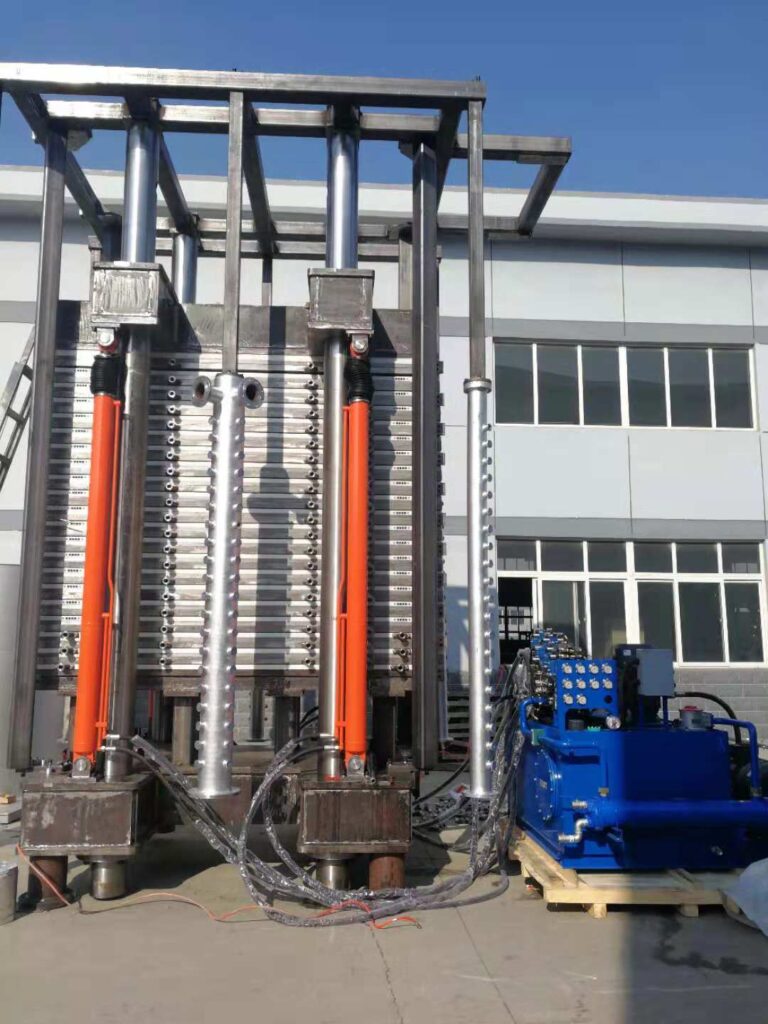
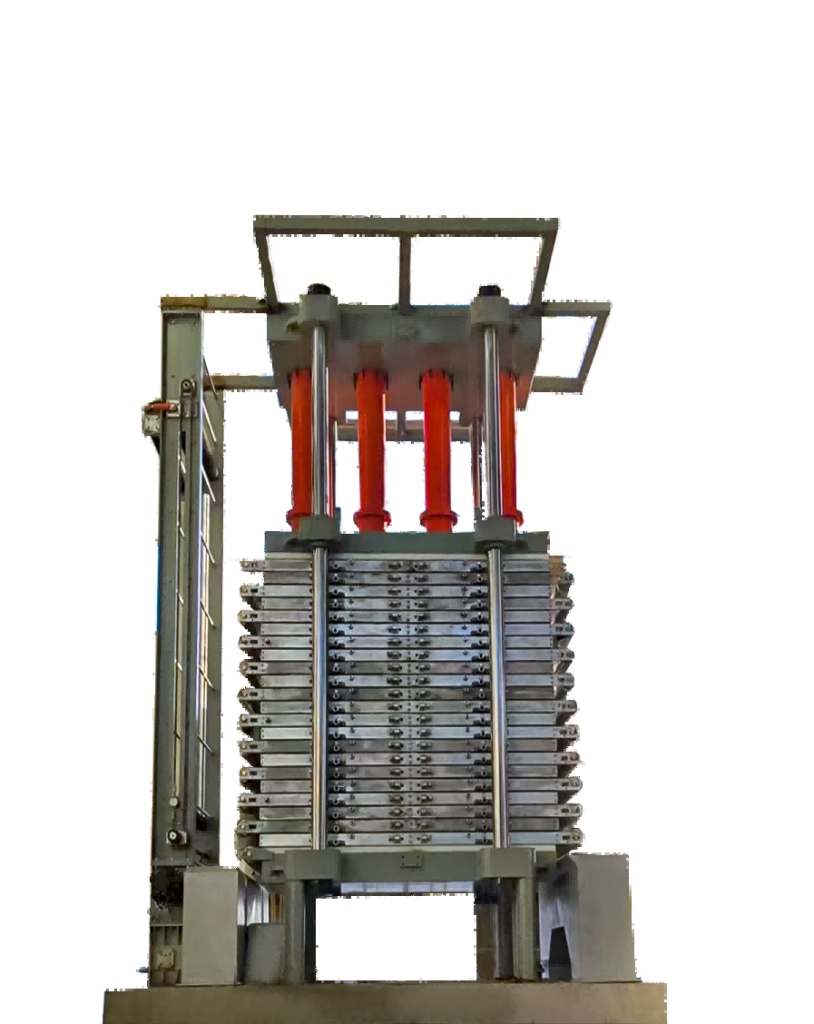
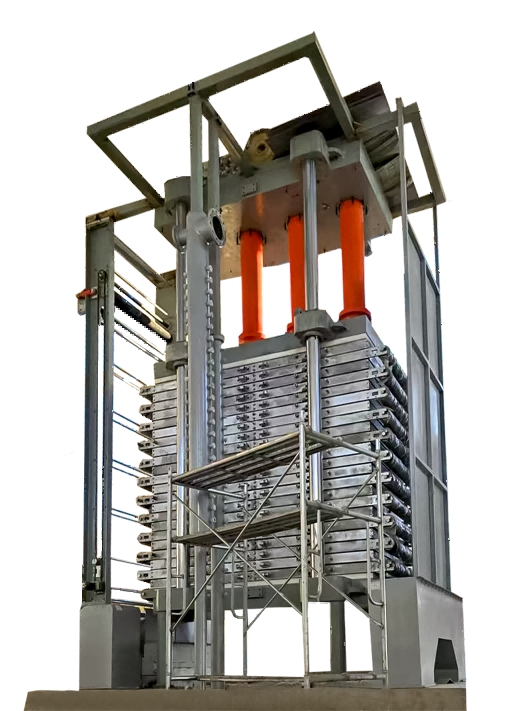
Filtros de torre TFP feature modular tower setups that improve airflow and particle capture. The TFP vertical filter press is a sophisticated, fully automated device built for solid-liquid separation. It stands out for its strong efficiency and modest energy use. This setup enables several tasks—filtration, pressing, washing, drying, and discharge—to happen in a steady and automatic way. The tower type structure uses filter plates, horizontal filtration, multi-cylinder synchronous running, self-guide hydraulic cylinder, compact structure, and smart design.
Traditional filters depend on flat or pleated media designs that need regular manual swaps. Their flat structure restricts throughput capacity. It also raises pressure drop as contaminants build up. The sturdy build of TFP systems supports greater throughput with less resistance. This comes from their vertical compression method and automatic cycle management.
Filtration Efficiency and Mechanism
The multi-stage filtration process in TFP towers boosts particulate removal for different particle sizes. It performs excellently with various sticky and fine materials. It also suits situations that demand a low moisture rate filter cake. On the other hand, traditional filters usually rely on single-layer media. That media loses efficiency as dust or sludge piles up.
TFP systems keep steady filtration performance with automatic washing and air-drying cycles. These cycles renew the filter cloth without human help. All the processes like filtration, pressing, washing, drying, discharge, and filter cloth regeneration can occur steadily and automatically. This steadiness cuts operational interruptions that often plague traditional setups.
How Does Each Filtration System Affect Operational Costs?
The financial effects of choosing a filter go beyond the starting purchase price. They cover maintenance frequency, energy use, downtime losses, and long-term viability.
Initial Investment vs. Long-Term Savings
Although TFP Tower Filters might demand a larger initial outlay because of their advanced automation features and hydraulic systems, they provide notable long-term savings via toughness and effectiveness. The machine relies fully on hydraulic control, so it runs steadily, dependably, and securely. It uses PLC and touch panel with auto valve for very simple operation and high automation.
Traditional filters seem cheaper at first. However, they cause repeated replacement costs due to shorter media lifespan. A lifecycle cost review often supports TFP systems. Their longer service periods cut waste production and maintenance needs.
Energy Consumption and Pressure Drop Impact
Energy efficiency marks a key difference in cost reduction between these two technologies. The tower design of TFP filters lowers pressure drop across the system. It does this by keeping ideal airflow paths. Lower resistance means reduced power needs for fans in air-handling units. It also means less pumping energy for liquid-solid separation processes.
Traditional filters build up resistance more quickly as contaminants block the surface area. As a result, energy needs rise over time. Fans or pumps have to work harder to keep flow rates. The improved airflow control in tower filters leads to clear yearly energy savings in industrial work.
In What Ways Do Maintenance Requirements Influence Cost Efficiency?
Maintenance holds a vital role in setting the total cost of ownership for any filtration system. The design approach of each type decides how often servicing happens. It also decides how tricky it gets.
Cleaning Intervals and Downtime Reduction
TFP Tower Filters include self-cleaning features or simple-to-swap modules. These reduce production halts. Their automatic washing cycles remove manual work linked to disassembly or replacement jobs. The first press process… washing (optional)… air dry… filter cake discharge… all stages blend smoothly in one automatic sequence.
Traditional filters call for frequent manual swaps. These cause operational delays during shutdowns. Less downtime means lower labor costs per maintenance round. It also boosts productivity in ongoing operations.
Spare Parts and Consumable Management
Modular parts in tower filters make spare part handling easier. Individual modules can get serviced on their own without stopping the whole system. Regular maintenance plans also help with better budgeting for sites running multiple production lines.
In contrast, standard filter systems need large stocks of consumables. This is because disposable parts like pleated cartridges or fabric bags have brief lifespans. Such needs add storage expenses to the total costs.
How Does Filtration Performance Influence Overall Cost Savings?
Steady performance affects not just air or liquid quality. It also impacts equipment lifespan and total energy use. These elements together shape operational cost effectiveness.
Impact on Equipment Protection and Longevity
Reliable filtration performance stops dust buildup on key machinery parts like compressors or turbines. By keeping process streams clean, TFP Tower Filters lengthen the life of downstream equipment a lot. This compares to traditional options. Less wear cuts capital spending on replacements or fixes over time.
Contribution to Environmental Compliance and Sustainability Goals
High-efficiency filtration aids in meeting strict environmental rules. It does this by cutting particulate emissions into the air or wastewater streams. It finds wide use for dewatering in mining output concentration and tailings… handling electrolytic residues… drying various slags… and plays a key part in environmental protection efforts like sewage sludge treatment. Filters that last longer also produce less solid waste during disposal. This fits with sustainability aims to shrink industrial impacts. At the same time, it brings clear cost savings through better resource use.
Why Is Yantai Hexin Environmental Protection Equipment Co., Ltd a Reliable Supplier of TFP Tower Filters?
Working with a dependable maker guarantees steady product quality, support availability, and lasting reliability. These are all vital for cost-effective work in tough settings.
Commitment to Innovation and Quality Assurance
The equipment gets made in full line with national, industry, and company standards. We also adopt advanced methods from overseas. The materials we pick are top-notch. All bought-out parts come from advanced, proven, dependable, and safe sources. These steps ensure high-caliber machines with few issues and strong output in fields needing exact separation tech.
The company has passed ISO9001 quality control system. We follow strict quality checks from order planning, material buying, making, and checking—all per the control system. Steady R&D spending at Yantai Hexin pushes constant upgrades in filtration effectiveness and toughness. These upgrades matter for industrial uses.
Comprehensive Support and Customization Options
Yantai Hexin offers custom solutions based on exact process needs or site designs. This draws from its engineering know-how built over almost two decades in filtration gear production. We specialize in making filter machines for about 20 years. Support teams help clients from setup to ongoing maintenance planning. Global service options ensure quick delivery in markets needing fast rollout.
Conclusion: Which Filter Offers Better Cost Savings?
When looking at total cost factors—like energy use cuts, maintenance need reductions, downtime skips, and part life boosts—TFP Tower Filters show clear better long-term financial gains over traditional filter systems. Their starting costs may look higher due to automation details. Yet, the built-up savings from better operational effectiveness make them a wise pick for experts aiming at lasting cost improvements in industrial settings.
Preguntas frecuentes
What industries benefit most from adopting TFP Tower Filters?
Sectors like power generation plants, metallurgy operations, cement production lines, chemical processing units, mining tailings management facilities, and waste incineration plants gain a lot. These areas deal with heavy dust loads in nonstop work. There, dependability shapes profits.
How often should a TFP Tower Filter be serviced compared with traditional systems?
Service times depend on the work conditions. But they usually last two to three times longer than those for standard filters. This thanks to built-in self-cleaning features plus tough build materials that ensure extended runtime between upkeep.
Can existing filtration systems be upgraded to incorporate TFP technology?
Yes—many sites update current setups with modular TFP units. This avoids big structural changes. It allows quick performance gains. At the same time, it lowers future running costs tied to energy use drops and cut consumable needs.