 Spanish
  English
  Russian
 For mines all over the world, gestión de residuos is no longer just an afterthought tucked behind production targets. It’s a real operational cost driver—and in many regions, a regulatory headache and long-term environmental liability. Tailings aren’t disappearing anytime soon, so the only question is how mines can handle them more safely, more efficiently, and at lower cost.
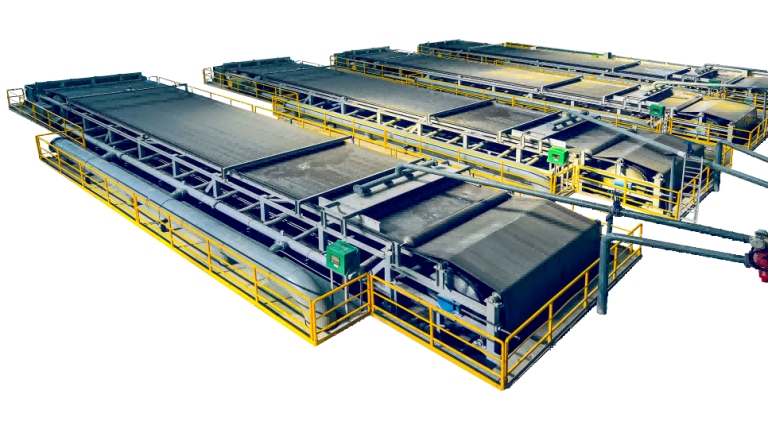
One solution that has been gaining ground across mineral processing plants is the belt filter, especially horizontal vacuum belt filter systems. Though often associated with concentrate dewatering, belt filters have proven to be powerful tools for tailings reduction: lowering moisture, shrinking storage footprints, reducing transportation costs, and easing pressure on tailings dams.
This article breaks down how modern filtros de cinturón help mines transform tailings management from a cost center into a more controlled and predictable part of their operation—based on real engineering, field experience, and the technology used by manufacturers like Yantai Hexin Environmental Protection Equipment Co., Ltd.
Why Tailings Are So Expensive to Manage
Tailings are one of the mining industry’s biggest unavoidable byproducts. Whether it’s iron ore, gold, copper, or non-metallic minerals, what remains after beneficiation is a slurry that must be handled carefully.
Several cost factors make tailings management difficult:
High Moisture Content = High Volume
Water makes material heavy. Heavy material costs more to pump, haul, store, and compact.
Many mines still send tailings to ponds with 40–60% moisture. That’s a lot of water trapped in solids.
Transportation Costs Increase Quickly
For sites that truck tailings to dry stacks or offsite operations, moisture is money. Every extra percentage of water bumps up tonnage and fuel costs.
Tailings Dams Are Under Global Scrutiny
Higher moisture = lower stability.
Lower stability = more dam inspections, more engineering controls, and sometimes expensive dam expansion or reinforcement.
Water Loss Drives Up Operational Budgets
Every liter trapped in tailings is a liter the plant must replace with fresh or treated process water. Over time, that adds up.
This is where belt filters begin to shift the cost equation.
How Belt Filters Improve Tailings Management
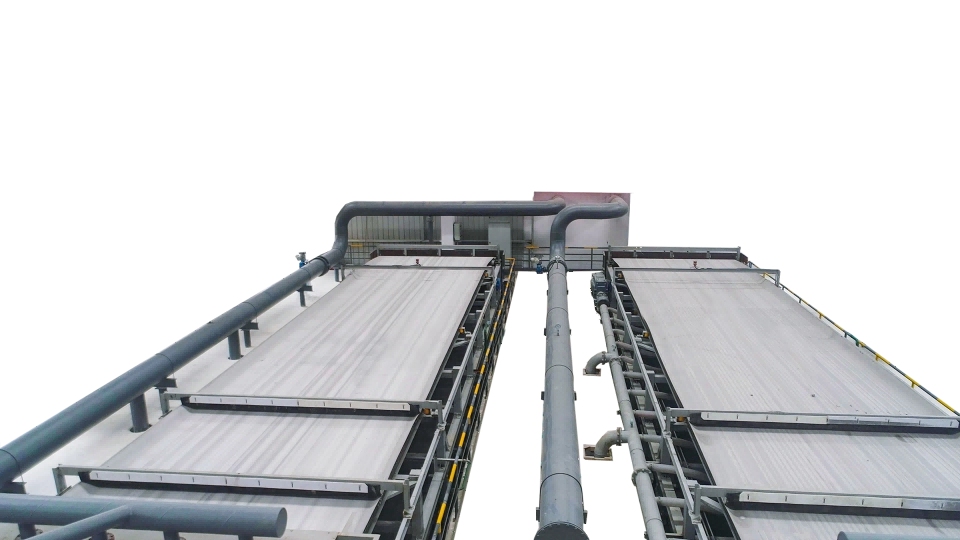
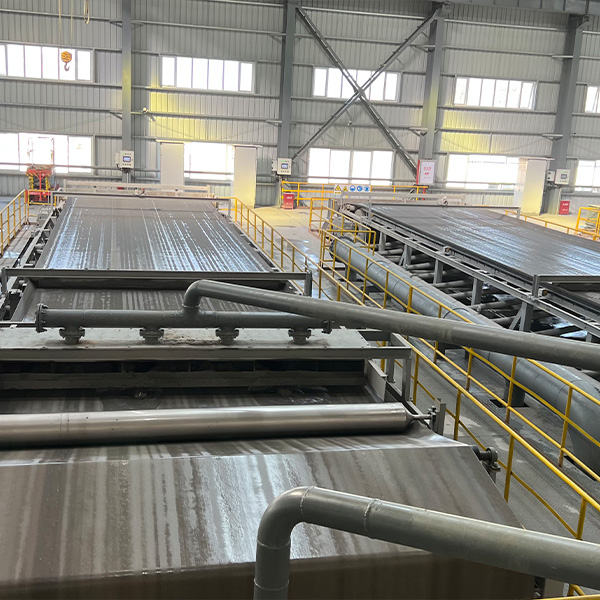
Belt filters create a continuous solid-liquid separation environment where tailings slurry spreads over a moving cloth, undergoes vacuum dewatering, and discharges as a much drier cake. The design inherently reduces moisture and cuts volume, which directly reduces downstream costs.
Below are the main advantages.
Lower Moisture Tailings = Lower Storage Pressure
The BF Belt Filter’s vacuum zone design—detailed in the product description—uses a sealed vacuum box beneath a rubber belt to accelerate dewatering. The vacuum chamber is efficiently sealed by the tension between the rubber belt and the friction belt.
In practical terms:
- Mines see a significant drop in tailings moisture.
- Drier cakes mean more stable stacking.
- Less water means reduced risk for dam slippage and seepage.
A 3–5% reduction in moisture might not seem dramatic on paper, but on a large-scale mining site handling thousands of tons daily, the impact is massive.
Shrinking Tailings Volume Lowers Operating Costs
The BF Belt Filter supports continuous filtration, washing, and drying, enabling consistent removal of water from the tailings stream.
Volume shrinks. Transportable material becomes easier to handle. Mines often report:
- Lower pumping requirements
- Smaller dry stacking footprint
- Reduced bulldozer/compactor time
- Lower long-term environmental liability
Tailings with lower moisture compact better, sit more firmly, and reduce the overall footprint needed for storage.
Direct Water Recovery Supports Mine Water Balance
Tailings often contain a large amount of water that can be reused in grinding, flotation, or washing circuits. The filtrate quality from a horizontal vacuum belt filter is typically clear enough to return directly to process.
Hexin’s belt filters are engineered for stable and clean filtrate discharge, with multiple discharge modes including high-level or zero-discharge configurations.
This offers mines:
- Less reliance on fresh water
- Smaller recycling system load
- More predictable water balance
- Reduced cost of chemical treatment
Water savings align with both operational and environmental goals.
Continuous Operation Means Fewer Production Interruptions
Tailings are produced continuously, so batch equipment often creates bottlenecks. Belt filters operate in a truly continuous mode, reducing surge loads and preventing slurry backlogs.
Hexin’s BF Belt Filter design highlights:
- Modular filtration zones
- Automatic control capabilities
- Flexible configuration for washing and drying
- Remote and field-interaction control features
This makes the machine easier to integrate into large-scale processing circuits where reliability is everything.
Reduced Tailings Transport Costs
Hauling wet tailings is expensive.
Hauling dry tailings is manageable.
For remote mines—especially ones trucking tailings over long distances—belt filters help:
- Lower total haulage weight
- Reduce fuel consumption
- Extend the life of haul roads
- Lower maintenance for trucks and machinery
With rising diesel prices, this alone can justify adding belt filtration.
Better Environmental Compliance with Lower Moisture Output
Many regions now push hard for:
- Reduced slurry disposal
- Water conservation
- Dry-stacking methods
- Lower-risk tailings storage
Belt filters check all those boxes. Lower moisture → safer tailings → easier permitting and fewer regulatory headaches.
Why Belt Filters Outperform Traditional Tailings Dewatering Methods
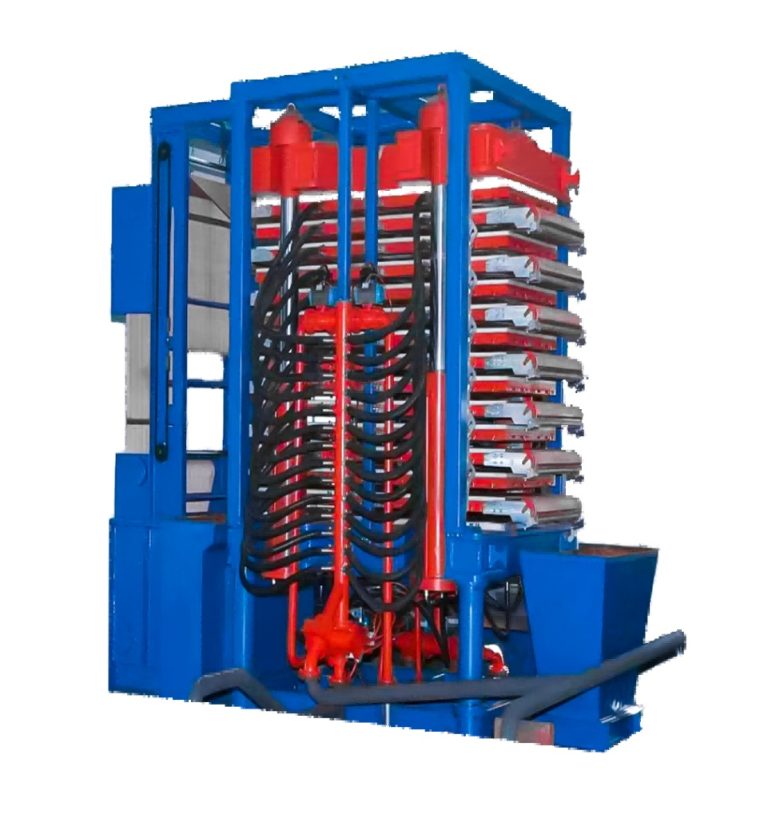
Other systems—centrifuges, thickeners, filter presses—have their place. But belt filters offer unique benefits tailored for tailings:
• Continuous throughput
No batch cycles. No downtime waiting for plates to open or reset.
• Large filtration area
Perfect for large tonnage mines.
• Better adaptability to variable feed
Tailings slurry can change daily; belt filters handle fluctuation better than compact batch machines.
• Lower maintenance requirements
Simple structure, accessible components, fewer high-pressure systems.
• More energy-efficient operation
Vacuum-based systems generally cost less to run than high-pressure squeezing systems.
The uploaded technical document also highlights the option for roller, air-cushion, or pallet support systems to reduce belt friction and extend lifespan, which further lowers long-term operating costs.
About Yantai Hexin Environmental Protection Equipment Co., Ltd
Yantai Hexin Ambient Protection Equipment Co., Ltd positions itself as a specialist in solid-liquid separation, offering belt filters, ceramic filters, tower filters, and a full range of filtration systems tailored for mining, metallurgy, tailings treatment, and environmental projects.
Their strengths include:
- Advanced manufacturing capability
- Reasonable structural design
- Large filtration capacity
- Strong customization for special materials
- Automated control options
- Long equipment lifespan
Mines working with Hexin often appreciate that the company supports both standard filtration projects and highly customized scenarios involving abrasive tailings, corrosive slurries, or extremely high tonnage requirements.
Hexin’s engineering style centers on durable, straightforward equipment—machines built for tough environments where reliability matters more than anything else.
Conclusión
Tailings will always be part of mining, but they don’t have to be an escalating cost burden. Filtros de cinturón offer a rare combination of operational, environmental, and financial benefits:
- Reduced moisture
- Lower transport and storage costs
- Higher water recovery
- More stable tailings storage
- Continuous, low-maintenance operation
For mines seeking a practical, proven, cost-saving strategy for tailings management, belt filters—especially well-engineered vacuum belt systems—are a smart investment.
And with manufacturers like Yantai Hexin Environmental Protection Equipment Co., Ltd providing robust designs supported by years of filtration experience, mines can implement these systems with confidence.
Preguntas frecuentes
How do belt filters improve tailings management in mines?
They reduce tailings moisture, decrease volume, recover process water, and support safer, more compact dry stacking, resulting in lower operating expenses.
Why are belt filters preferred for large-scale tailings dewatering?
Their continuous operation, large filtration area, and stable vacuum dewatering performance make them ideal for high-tonnage mining environments.
What cost savings can mines expect from belt filters?
Savings often come from reduced tailings transport weight, smaller storage areas, lower water consumption, and decreased energy and maintenance costs.
Can belt filters help mines reduce water usage?
Yes. Belt filters recover significant filtrate for reuse, lowering the need for fresh water and reducing recycling system loads.
Are belt filters suitable for all types of tailings?
Most tailings, including fine, abrasive, or variable slurries, can be processed effectively by vacuum belt filters, especially when the system is customized for the material characteristics.