 Spanish
  English
  Russian
 Picking a horizontal vacuum belt filter manufacturer acts as a crucial purchasing choice for mining facilities. These sites often require steady solid-liquid separation, tailings dewatering, concentrate filtration, or process-water recovery. A carefully crafted RFQ allows vendors to suggest the right filtration area and belt width. It also guides them in choosing materials, the vacuum system, controls, and extra gear. Furthermore, this document makes it much simpler to compare technical and financial bids. Before asking for a price quote, mining firms must share precise process details. They also need to outline the necessary working conditions clearly.
What Process Data Should Be Included in the RFQ?
The overall value of a filter quote relies greatly on the details given by the mining facility. Vague phrases like “filtering mine slurry” hardly ever provide enough background. As a result, such broad terms fail to ensure proper equipment selection.
Slurry Characteristics
Point out the exact slurry origin and the specific mineral type. You should also note the solids concentration, slurry density, heat level, and pH value. Moreover, detail the particle-size breakdown and mention if the substance acts in an abrasive or corrosive way. If you have any lab filtration results on hand, be sure to attach them.
Mining tasks frequently deal with concentrates, flotation tailings, or leach residues. They might also process metal-bearing slurries and various other liquid streams. These distinct substances tend to react quite differently throughout the filtration stage.
Required Processing Capacity
Clearly list the standard and peak slurry feed rates using m³/h or t/h. The RFQ must also show if the facility runs on a non-stop basis. Additionally, state the exact number of hours the filter will likely operate each day.
Sharing plans for future growth proves highly beneficial. This insight helps the manufacturer figure out if extra filtration capacity needs to be built into the chosen setup right now.
What Filtration Performance Should Buyers Specify?
Once you describe the feed material, your next move involves setting clear process goals. These specific rules let the manufacturer figure out the right filtration area. They also help the supplier pick out the most fitting working settings.
Cake Moisture and Filtrate Quality
State the exact residual moisture needed for the discharged filter cake. A lower cake moisture level often cuts down on transport expenses. It also makes later handling steps much simpler. However, this goal might demand a longer drying zone or a notably larger filtration area.
The RFQ needs to mention the desired filtrate clarity as well. This detail becomes especially vital when the reclaimed water flows back into the main plant operations.
Cake Washing Requirements
If your method demands the extraction of soluble impurities, state plainly if cake washing is a must. Make sure to name the specific washing liquid. Also, list the needed washing efficiency along with the estimated wash-water usage.
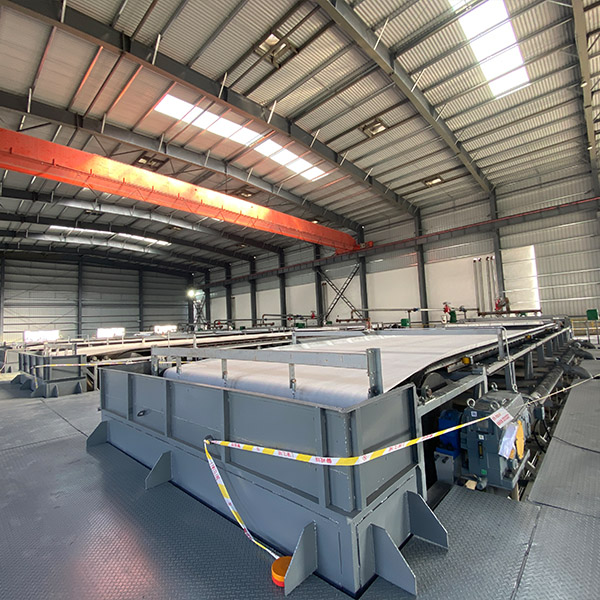
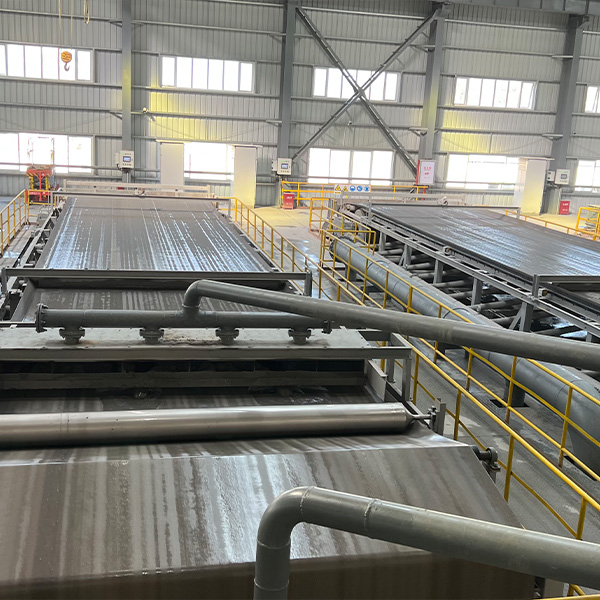
Horizontal vacuum belt filters fit perfectly into tasks that blend continuous filtration, cake washing, drying, and filter cloth regeneration. Yantai Hexin’s BF Belt Filter is built to handle these specific steps without stopping. It achieves this smooth flow because the filter cloth and the rubber belt travel together at the same speed.
What Mechanical Specifications Should the RFQ Cover?
The physical layout directly impacts the overall dependability of the machine. It also shapes upkeep needs, setup space, and the total lifespan within harsh mining conditions.
Belt Size and Filtration Area
Request that the manufacturer suggest the best belt width and the proper effective filtration length. They should also propose the total filtration area by looking closely at your real-world process facts.
Yantai Hexin provides BF belt filter setups featuring various belt widths and filtration areas. This broad variety allows the final equipment choice to align perfectly with diverse production volumes and unique plant designs.
Materials of Construction
The RFQ must outline your favored materials for the main frame and all slurry-contact sections. It should cover piping, vacuum parts, fasteners, and other vital pieces too. Choosing the right materials means thinking about rust, physical wear, slurry chemistry, and local weather patterns.
Purchasers need to ask for details regarding the rubber belt and the filter cloth. They should seek facts about wear items and the support structure as well. Finally, buyers must find out the expected timelines for replacing these parts.
Which Utilities and Automation Details Should Be Requested?
A filter must never be judged merely as a standalone device. Mining plants have to think about how the new gear will link up with current utilities. They also need to plan its connection to existing process controls and extra support systems.
Vacuum, Water, Air, and Power
Tell the supplier to supply the guessed vacuum demand and the needed motor power. Ask them for process-water needs and the amount of water used for washing the filter cloth. If it applies, request the compressed-air demands too.
The formal quote has to clearly point out which extra tools come in the package. This list might feature vacuum pumps, air-water separators, or filtrate receivers. It could also include washing systems and various fluid pumps.
Control System and Instrumentation
Name the specific PLC brand and the electrical codes that your facility prefers. Ask the vendor which running metrics can be tracked. Furthermore, find out exactly which warning alarms and safety interlocks come with the system.
Yantai Hexin’s BF Belt Filter allows for both remote and on-site interaction control to ensure automatic running. The machine can also adopt various liquid-discharge setups. Additionally, it can be built as a semi-enclosed or fully enclosed unit for tasks that demand stricter process containment.
What Commercial and Service Items Should Be Added to the Checklist?
Solid technical results are vital. However, long-term lifecycle support often proves just as critical, especially for distant mining sites.
Documentation, Inspection, and Spare Parts
Ask for general layout drawings and foundation load figures. You should also request electrical details, user manuals, and suggested spare-parts lists. Do not forget to ask for the official inspection paperwork.
The RFQ needs to question the vendor about their manufacturing checks and factory tests. It should cover packing rules, shipping times, and warranty conditions as well. Lastly, ask about on-site startup help and the training provided for your operators.
Total Scope of Supply
Force every quote to clearly list what is included and what is left out. Purchasers must verify if the priced package covers the main filter and the vacuum system. They should also check for the control cabinet, sensors, pumps, pipes, filter cloth, startup spares, and any unique tools.
This careful check stops huge cost gaps from showing up later on. Such shocks usually happen when two different makers quote entirely different equipment boundaries.
Why Consider Yantai Hexin as a Reliable Belt Filter Supplier?
Picking a seasoned filtration equipment vendor can make the technical choice much easier. It also smooths out the entire project execution phase.
Filtration Equipment Experience
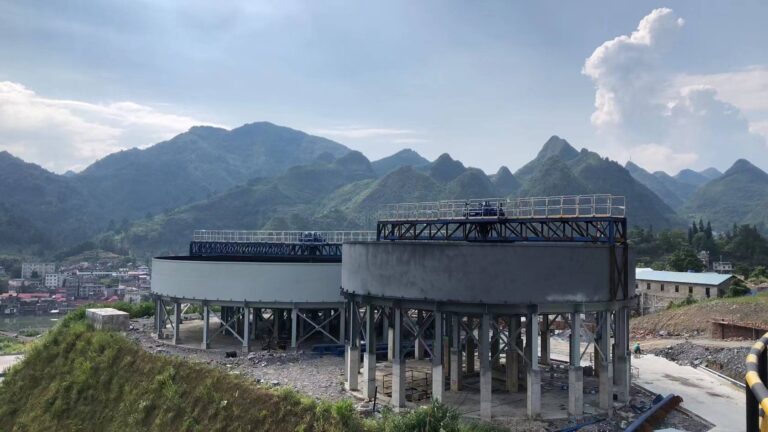
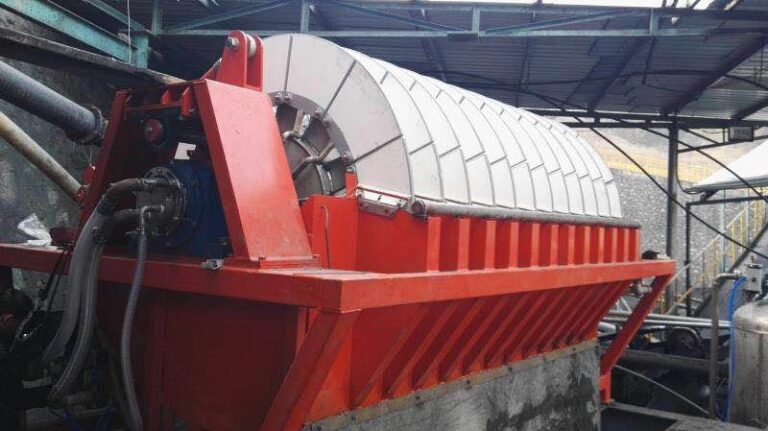
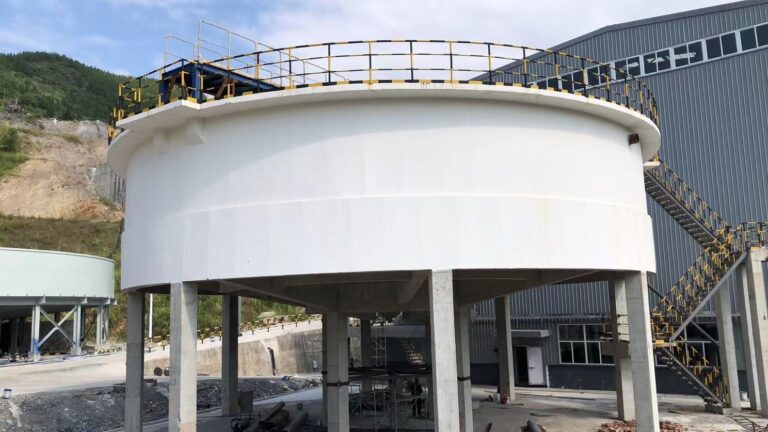
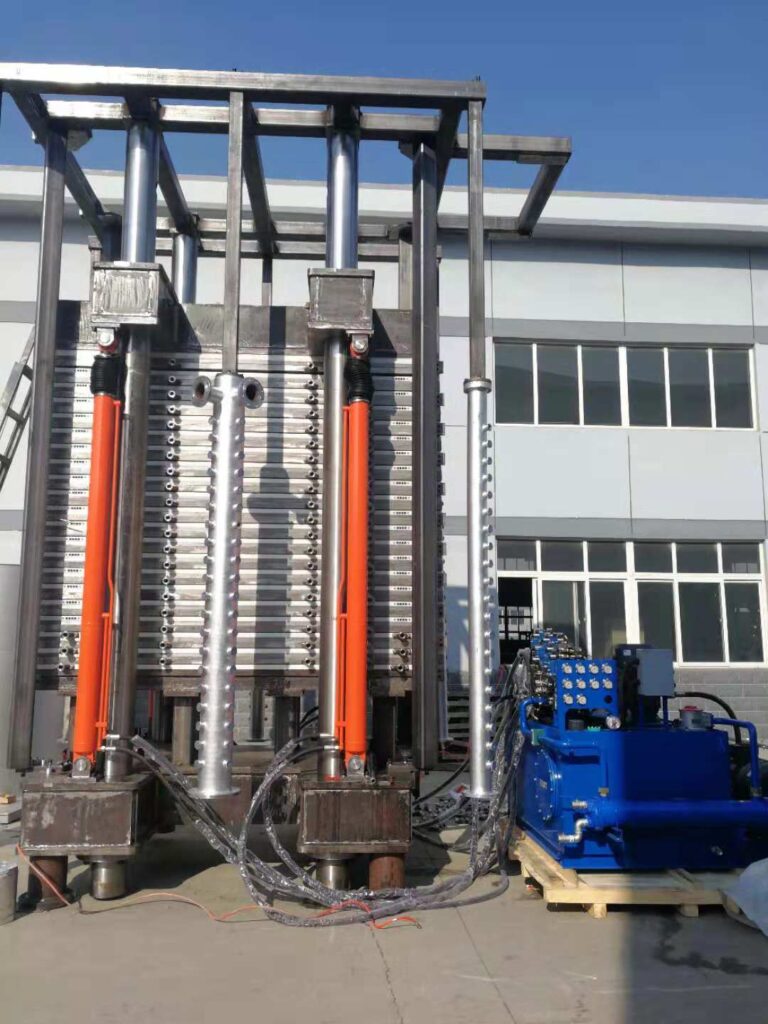
Yantai Hexin Ambient Protection Equipment Co., Ltd sits in Yantai, Shandong Province. This firm focuses heavily on filtration equipment for fields like mining, metallurgy, and chemical processing. They also serve tailings treatment and wastewater treatment sectors. Their main product lineup features belt filters, ceramic filters, vertical filter presses, thickeners, and full EPC solutions. The company notes that its core staff holds over 20 years of practical background in the filtration business.
For mining clients looking to buy a Filtro de banda, Yantai Hexin offers expert equipment selection driven by exact process needs. They pair this service with solid manufacturing, strict quality checks, and steady technical backing. Their stated quality-control routine involves checking raw materials and inspecting individual parts during processing. They also do a full-machine test before shipping. Meanwhile, their technical support delivers online advice, hands-on installation help, and staff training.
What Should Mining Plants Do Before Sending the RFQ?
A thorough horizontal vacuum belt filter RFQ must outline the slurry details and total capacity. It needs to show the cake-moisture goal, washing rules, and filtrate hopes. It should also list utilities, materials, automation rules, setup conditions, and the exact scope of supply. Sharing these deep facts allows makers to draft a technically precise plan. This approach prevents them from sending just a rough budget estimate.
Many mining projects demand non-stop solid-liquid separation. In these cases, teaming up with a skilled horizontal vacuum belt filter manufacturer like Yantai Hexin proves highly useful. It helps buyers judge the best setups. It also cuts down on costly doubts during the equipment purchasing phase.
Preguntas frecuentes
1. What information is most important when requesting a belt filter quotation?
The most vital details involve the slurry type, solids concentration, and particle size. You also need to state the feed capacity, desired cake moisture, filtration heat, and pH level. Finally, list your washing needs and the available plant utilities. Supplying richer process facts usually results in a much more precise equipment choice.
2. Can a horizontal vacuum belt filter wash and dry filter cake continuously?
Yes, it absolutely can. A well-set horizontal vacuum belt filter handles feeding and vacuum filtration without pausing. It also manages cake washing, dewatering or drying, cake discharge, and filter-cloth cleaning within one endless working loop. Yantai Hexin’s BF Belt Filter is built entirely around this non-stop processing concept.
3. Should mining plants request spare parts in the initial RFQ?
Yes, they certainly should. Purchasers need to ask for a suggested spare-parts list right away. They must also gather facts about consumables and wear-prone pieces. Putting key spare items into the first buying package helps prevent long upkeep delays after the initial startup. This step is especially crucial for isolated mine locations.