 Spanish
 English
 Russian
Tower filter press compressed air requirements must describe demand during the drying stage, not just consumption averaged over an hour. A plant header may have enough average capacity while pressure at the filter falls during an air pulse. The resulting interruption can complicate drying and extend the cycle. A useful supply specification therefore connects the filter recipe with peak flow, available storage, pressure at the machine inlet, and recovery before the next demand. These conditions need to be agreed before selecting a compressor or receiver.
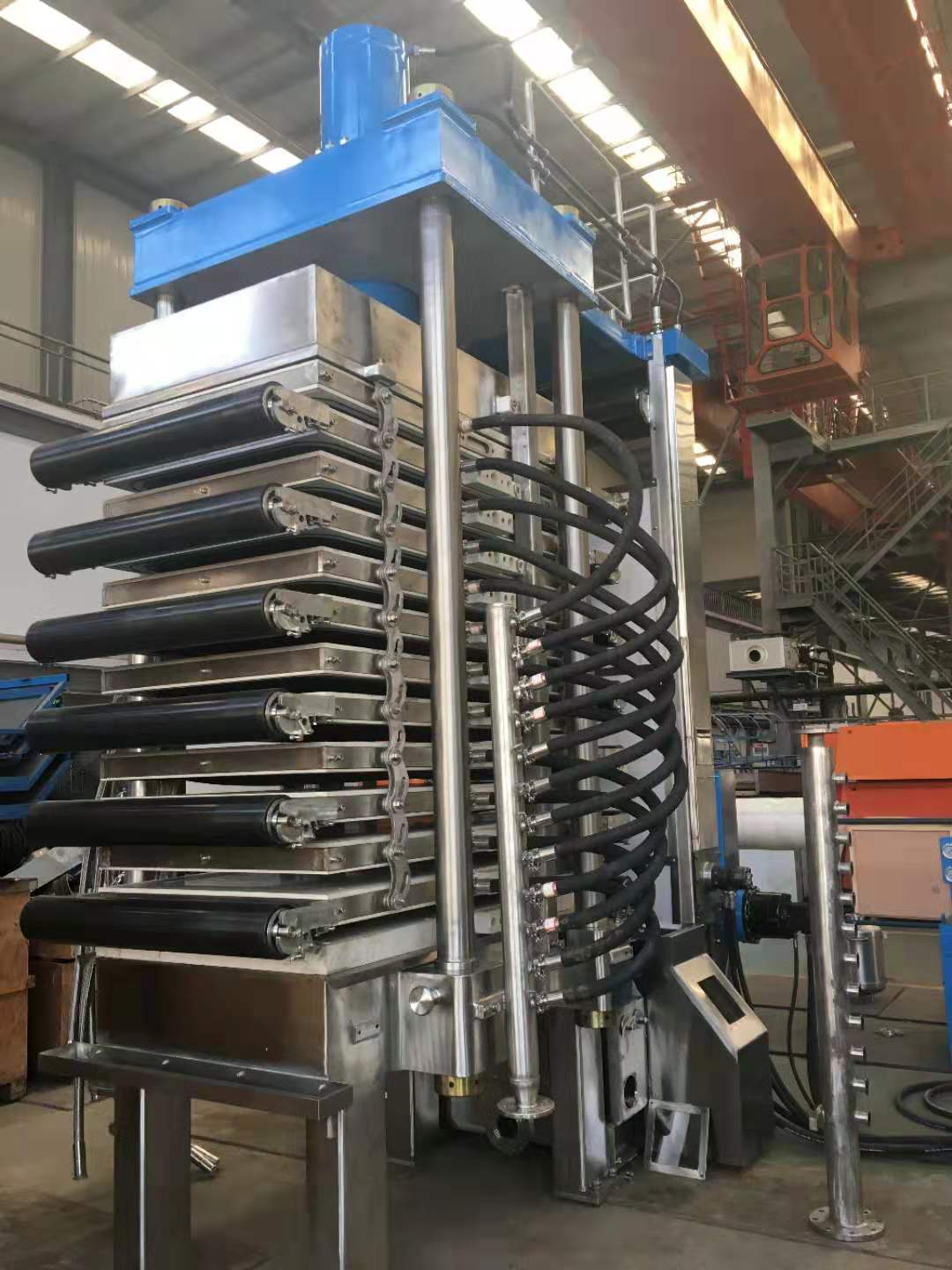
Define Air Demand from the Filter Cycle
The air system serves a particular process stage. Establishing when that stage occurs and what it requires prevents a general plant utility figure from becoming an unsupported equipment specification.
Separate Average Consumption from Peak Flow
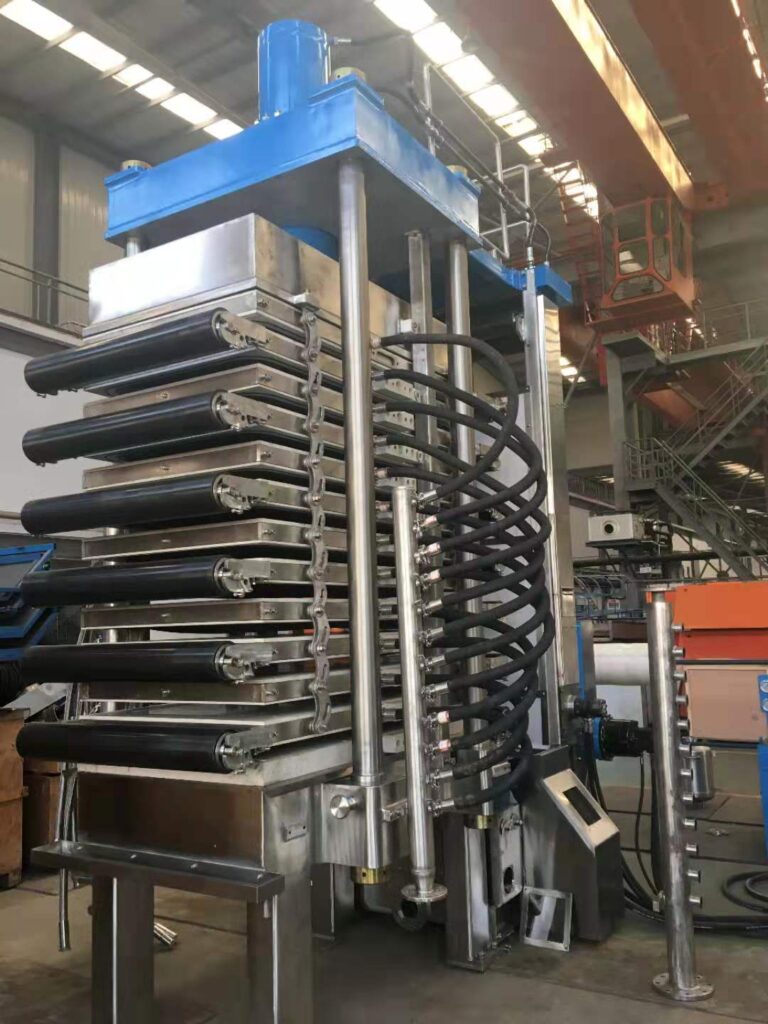
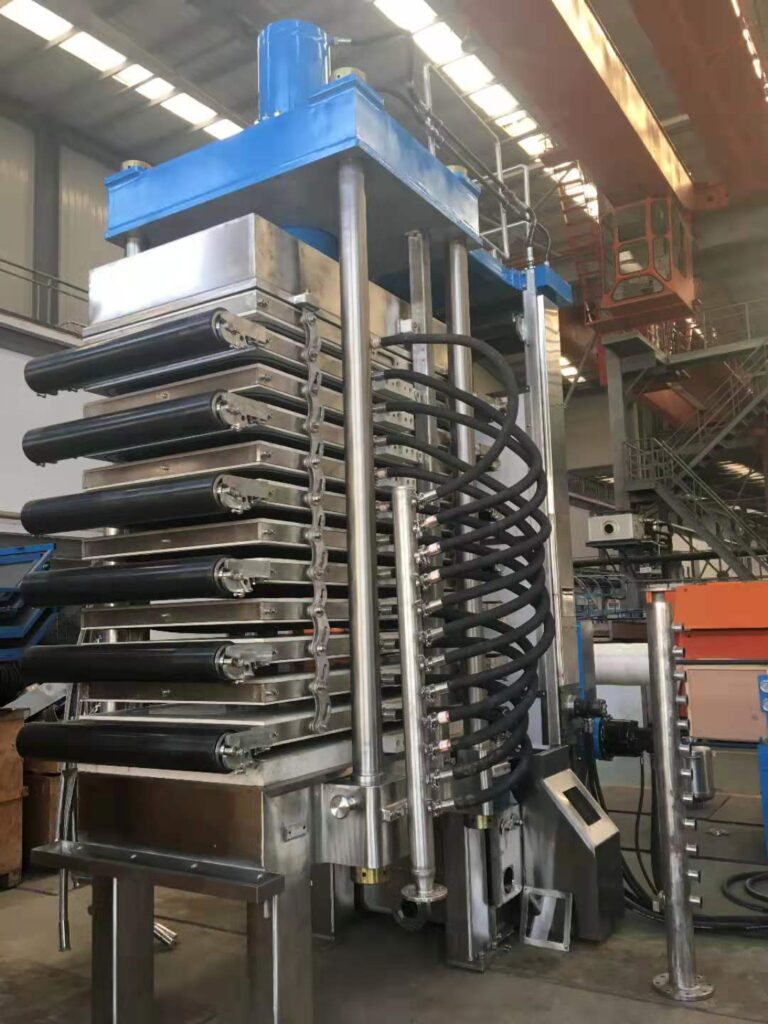
El Filtro de torre TFP uses compressed air for final cake drying after filtration, pressing, and any selected washing steps. Its published sequence confirms the use of air; it does not establish one universal air quantity for every slurry or machine size. Cake permeability and the selected drying conditions remain application dependent.
The utility schedule should identify the air volume per cycle, expected drying duration, peak flow, and required inlet pressure range. Consumption averaged over a complete cycle helps assess total demand. Peak flow determines whether the supply route can deliver air while drying is active. Both figures matter, but they answer different design questions.
State the Flow Reference Conditions
Air flow figures need a stated reference basis. A volume expressed at free-air or standard conditions is different from the volume occupying a pipe at operating pressure. Comparing figures without their pressure and temperature basis can produce a misleading capacity match.
The filter supplier and compressed-air designer should use a common basis when exchanging data. The same applies to gauge and absolute pressure. Neither the filtration pressure nor the hydraulic operating pressure should be copied into the air utility schedule: they describe different parts of the process.
Match Receiver Storage to the Drying Pulse
With the demand curve defined, the receiver can be assessed as temporary storage between production and consumption. It can help cover a short peak, but cannot correct a continuing shortage of compressor capacity.
Account for Recovery Time and Multiple Filters
For a hypothetical installation with two filters, simultaneous drying creates a different demand from the same cycles staggered in time. Scheduling may reduce coincidence, but the design must consider whether restart or a process delay could bring the drying stages together. Any credit taken for sequencing needs an agreed control arrangement.
When evaluating vertical press filter configurations, include the expected cycle pattern in the utility review. Receiver assessment needs the demand shortfall, pulse duration, allowable pressure change, available incoming flow, and time before the next pulse. Nameplate tank volume alone does not show how much air remains usable above the filter’s minimum inlet pressure.
A receiver also needs to recover. If each cycle begins with less stored air than the previous one, storage is masking a sustained imbalance. The compressed-air designer should check repeated operation alongside other plant consumers, rather than demonstrate only one successful drying pulse from a fully charged system.
Deliver the Required Air at the Filter Inlet
Storage is useful only if the connecting system can deliver its air. Pressure in the compressor room is therefore insufficient evidence of pressure available at the machine during peak flow.
Pressure Loss Through the Supply Route
The route includes pipework, fittings, isolation valves, filters, dryers, regulators, and flexible connections where fitted. Their combined restriction can cause a pressure difference that becomes apparent only during high demand. A restrictive final connection can remain a bottleneck even when the upstream receiver is large.
Compare pressure upstream and at the agreed machine inlet during the same drying period. That comparison helps separate a supply shortage from a distribution restriction. Increasing compressor pressure without locating the loss can consume more energy while leaving the original restriction unresolved. Changes must remain within equipment ratings and the approved system design.
Air Quality and Condensate Control
The required air quality depends on product sensitivity and the selected components. Oil, particles, and condensed water may affect the process or equipment. The specification should state the applicable limits and where they must be met, without assuming that every filtration duty needs the same treatment package.
Hexin’s guide to TFP cake washing and air drying provides the related process context. Where washing adds liquid before drying, the final recipe should already reflect that duty. Air treatment, drainage, and receiver location must then be reviewed together so that stored air reaches the filter in the required condition.
Verify the Air Supply Under Production Conditions
Commissioning should test the complete demand pattern that informed the design. A satisfactory static pressure reading with the filter idle does not demonstrate delivery during drying.
Record Inlet Pressure Through Complete Cycles
Trend inlet pressure through repeated cycles, along with drying duration, air consumption where measured, and the timing of other major users. Record feed condition and cake moisture as well. If pressure falls, the timing helps identify whether the problem is initial delivery, sustained demand, or incomplete receiver recovery.
Interpret the cake result alongside these measurements. Adequate air delivery does not guarantee a particular final moisture: cake formation, pressing, permeability, and channeling still influence the result. Conversely, a wetter cake should not immediately trigger more drying time when the air system is failing to meet its specified duty.
The handover record should define the inlet measurement point, accepted operating envelope, alarm response, and responsibility for utility maintenance. Pressure vessels, isolation, drainage, relief protection, and inspection arrangements require review under the applicable local requirements by the responsible qualified parties.
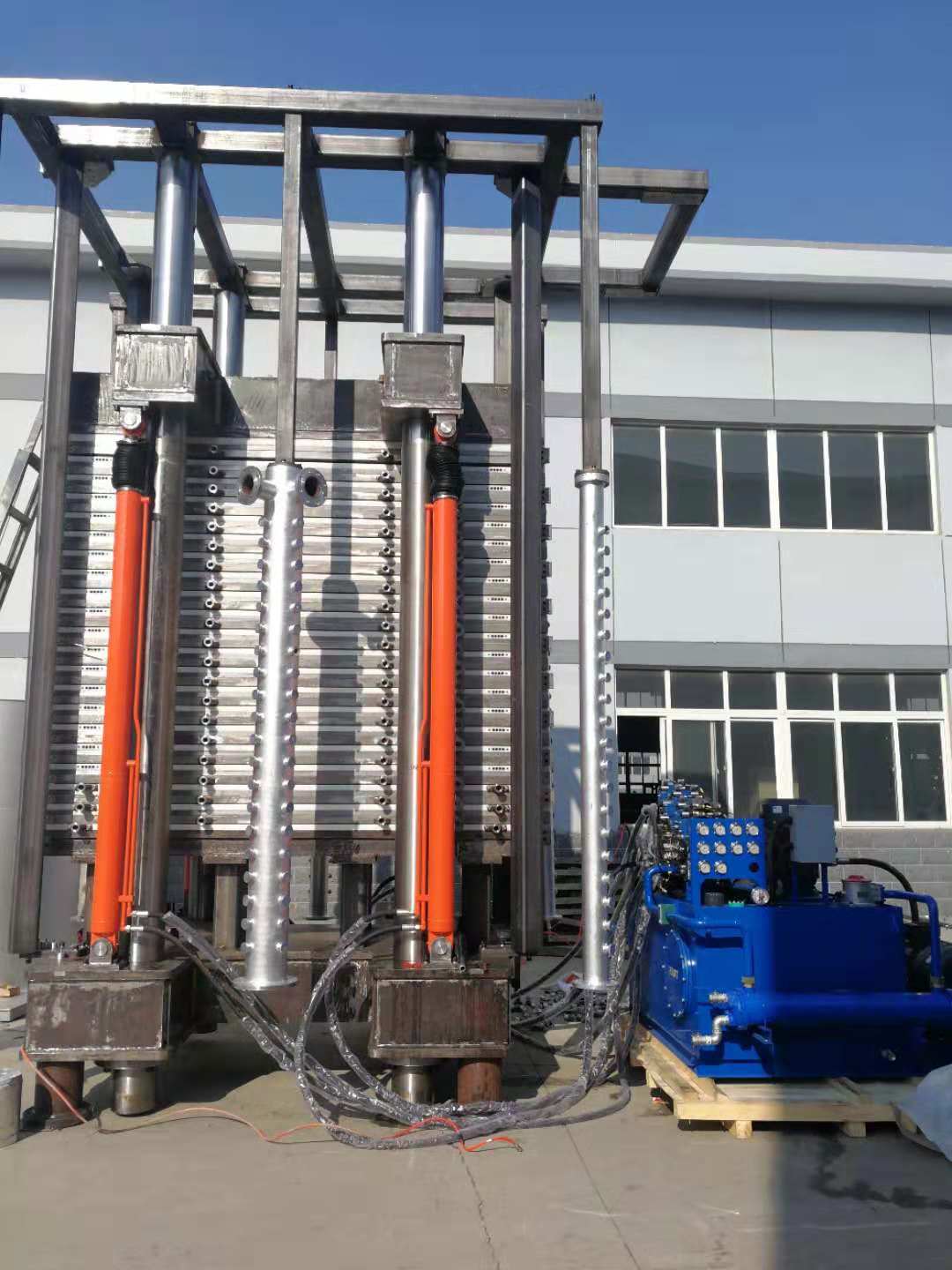
TFP Tower Filter Project Support from Hexin
Yantai Hexin Ambient Protection Equipment Co., Ltd supplies TFP tower filters with an automated sequence covering filtration, pressing, optional washing, air drying, discharge, and cloth regeneration. PLC and touch-panel control with automatic valves are documented features relevant to coordinating that sequence with plant utilities.
For a new installation or drying concern, contact the company for TFP product information and a quotation discussion. Describe the application and available plant air supply as an initial starting point. The final utility schedule should be agreed with the selected filter configuration and the plant’s compressed-air designer; it should not be inferred from filtration area alone.
Conclusión
A reliable tower filter press air supply starts with a defined drying demand, including peak flow and its duration. Receiver storage, replenishment, treatment, and pipe restrictions then determine whether the specified conditions reach the filter. Verification through repeated production cycles closes the design loop and separates air delivery faults from limitations in the cake itself.
Preguntas frecuentes
Can an air receiver replace an undersized compressor?
Only for a temporary shortfall within its usable storage. If average demand exceeds sustained supply, the receiver will eventually lose pressure and cannot recover fully between cycles.
Can process air and instrument air share one supply?
Possibly, if pressure stability, air quality, and reliability requirements are met for both duties. A process-air pulse must not compromise essential controls. The plant utility designer should review separation or protection where needed.
Must the air supply be reviewed after changing the drying recipe?
Yes. Longer drying or more frequent cycles changes the demand pattern and available recovery time. Recheck the utility duty when the recipe or number of operating filters changes, even if the installed compressor remains the same.