 Spanish
  English
  Russian
 An NGZ high-efficiency thickener rake-load alarm should be treated as a process-protection signal, not simply as an electrical fault. Rising resistance can reflect accumulated bed inventory, restricted underflow withdrawal, feed changes, poor flocculation, or mechanical problems. The NGZ Espesante de alta eficiencia product information describes overload alarms, automatic rake adjustment, hydraulic protection, pressure sensing, and automatic, manual, or remote control. Operators still need a structured troubleshooting sequence to recover safely and prevent a repeat alarm.
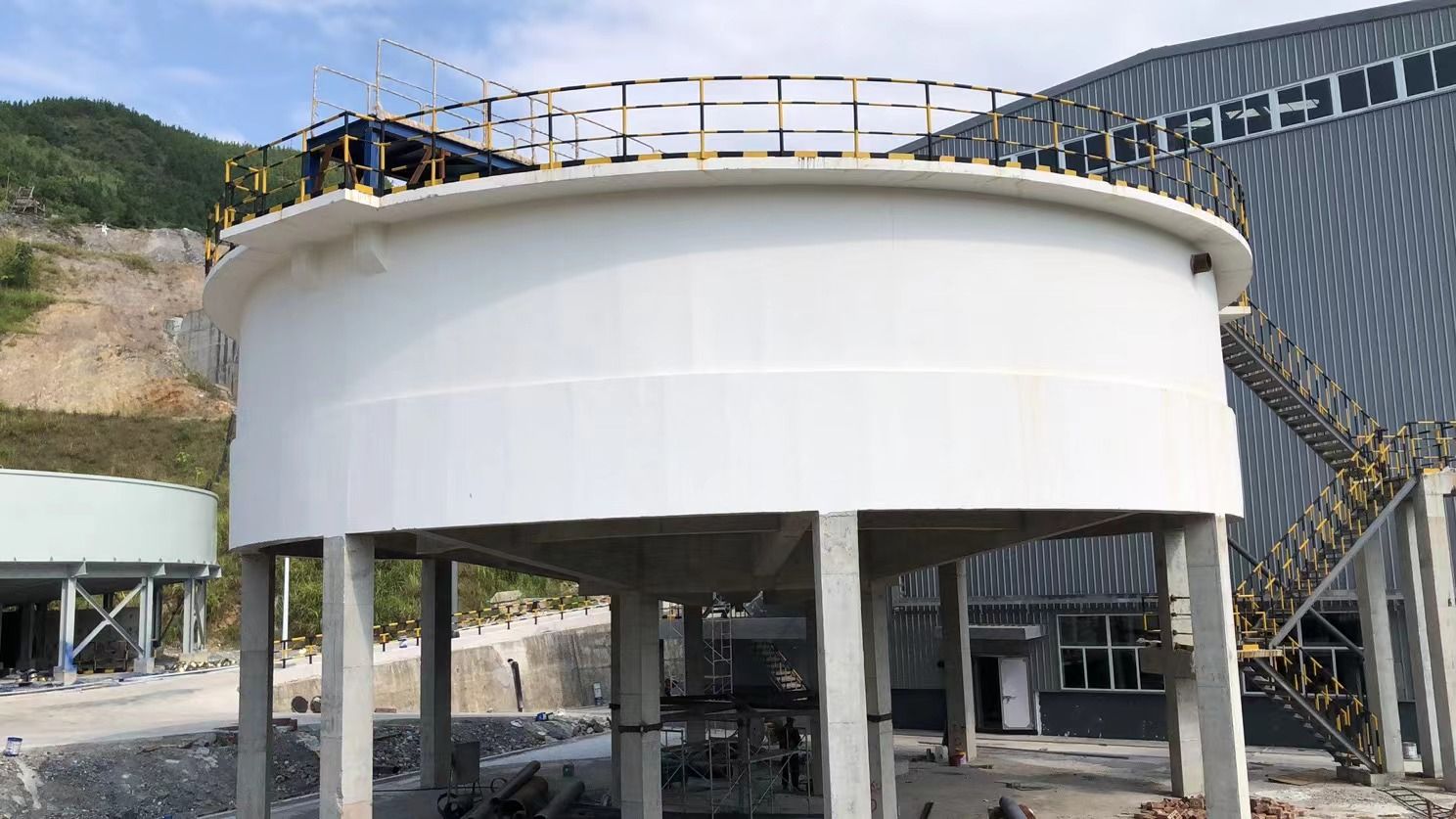
What Does a Thickener Rake-Load Alarm Mean?
The alarm indicates that the drive or hydraulic system is seeing resistance near a configured protection limit. It does not identify whether the source is solids inventory, torque transfer, underflow hydraulics, or a sensor issue.
Separate a Real Process Load from an Instrument Signal
Compare drive pressure or torque with rake position, bed level, underflow density, underflow flow, feed rate, and overflow clarity. If the load changes with slurry conditions and responds to a controlled withdrawal adjustment, the event may be process-driven. If the signal is implausible or persists when the mechanism is isolated, inspect instrumentation, hydraulic pressure sensing, wiring, and control logic according to site procedures.
Look at the Alarm Trend, Not Only the Peak
A gradual rise suggests solids accumulation, compression, or a slowly worsening underflow restriction. A sudden spike may follow a feed surge, a coarse contaminant, pump stoppage, valve movement, or a mechanical obstruction. Record the sequence before resetting repeatedly. Repeated resets can allow the bed to become more difficult to recover.
Could Underflow Withdrawal Be the First Place to Check?
The thickener cannot maintain a stable bed if settled solids cannot leave at the intended rate. Underflow equipment and process control should therefore be checked early, while respecting isolation and pressure-safety requirements.
Verify Pump, Valve, Line, and Density Conditions
Check pump status, speed, suction condition, discharge pressure, valve position, density, flow, and signs of sanding or blockage. Compare actual flow with the expected trend rather than assuming that a running pump is removing the planned solids. A high-density underflow target is only useful if the slurry remains movable through the pump and line.
Check for Interrupted or Excessive Withdrawal
Interrupted withdrawal can allow bed inventory to rise and compress around the rake. Excessive withdrawal can lower the bed too quickly, disturb settling, or introduce unstable dilution. Review the control loop, level or density signals, pump cycling, and any operator changes made before the alarm. Restore a stable withdrawal pattern before adjusting flocculant dose.
How Can Feed and Flocculation Increase Rake Resistance?
A change upstream can increase the mass entering the bed or create flocs that compress differently. Both effects can raise resistance even when the thickener drive is healthy.
Compare Hydraulic and Dry-Solids Loading
Review slurry flow, dry-solids throughput, feed density, particle-size distribution, clay or ultrafine fraction, and ore-zone changes. A short hydraulic surge may carry solids upward, while a sustained solids increase can overload the compression zone. Confirm instruments with samples or a mass-balance check before making a large control change.
Audit Flocculant Preparation and Contact
Confirm reagent identity, solution concentration, maturation, dilution water, pump output, injection points, and feedwell mixing. Weak flocs may settle slowly; overly dense or fragile flocs may compress poorly and increase resistance. Use settling and compression tests with current feed to compare dose and mixing conditions rather than increasing polymer automatically.
What Should Operators Check Around the Rake and Drive?
Once the process evidence is captured, inspect the equipment within the site lockout and maintenance procedure. A safe recovery plan should avoid forcing the drive through an unknown obstruction.
Review Rake Position and Automatic Lift Response
The NGZ control description includes automatic rake lifting when hydraulic pressure rises. Confirm whether the rake lifted as expected, whether the lift signal matches actual position, and whether the drive pressure fell afterward. A rake that does not move may point to hydraulic, cylinder, valve, sensor, or mechanical issues. A rake that lifts repeatedly may indicate that the underlying bed problem remains.
Inspect for Mechanical or Hydraulic Faults
Check lubrication, seals, abnormal noise, structural contact, hydraulic oil condition, pressure relief response, and sensor status according to the maintenance plan. The selected solid-liquid separation equipment should be evaluated as a connected process, because thickener protection is only useful when feed, underflow, overflow, and downstream filtration controls respond coherently.
How Can the Circuit Be Recovered Without Creating a New Upset?
Recovery should reduce risk while moving the bed and process toward a stable operating window. The exact sequence depends on the site procedure, equipment design, and material condition.
Stabilize, Sample, and Change One Variable
Secure personnel and equipment first. Preserve alarm and trend data. Confirm feed, overflow, and underflow samples, then stabilize flow within tested limits. Make one controlled change, such as restoring withdrawal or using an approved dilution path, and allow time for the response to reach the relevant zone. Avoid simultaneous changes to pump speed, polymer dose, feed rate, and rake settings.
Use Trends to Prevent Repeat Alarms
Trend rake load with bed level, underflow density and flow, feed solids, flocculant dose, overflow turbidity, and pump status. Hexin’s article on improving concentration and underflow stability provides related operating context. The goal is to identify the earliest leading signal and define an operator response before the alarm reaches the protection limit.
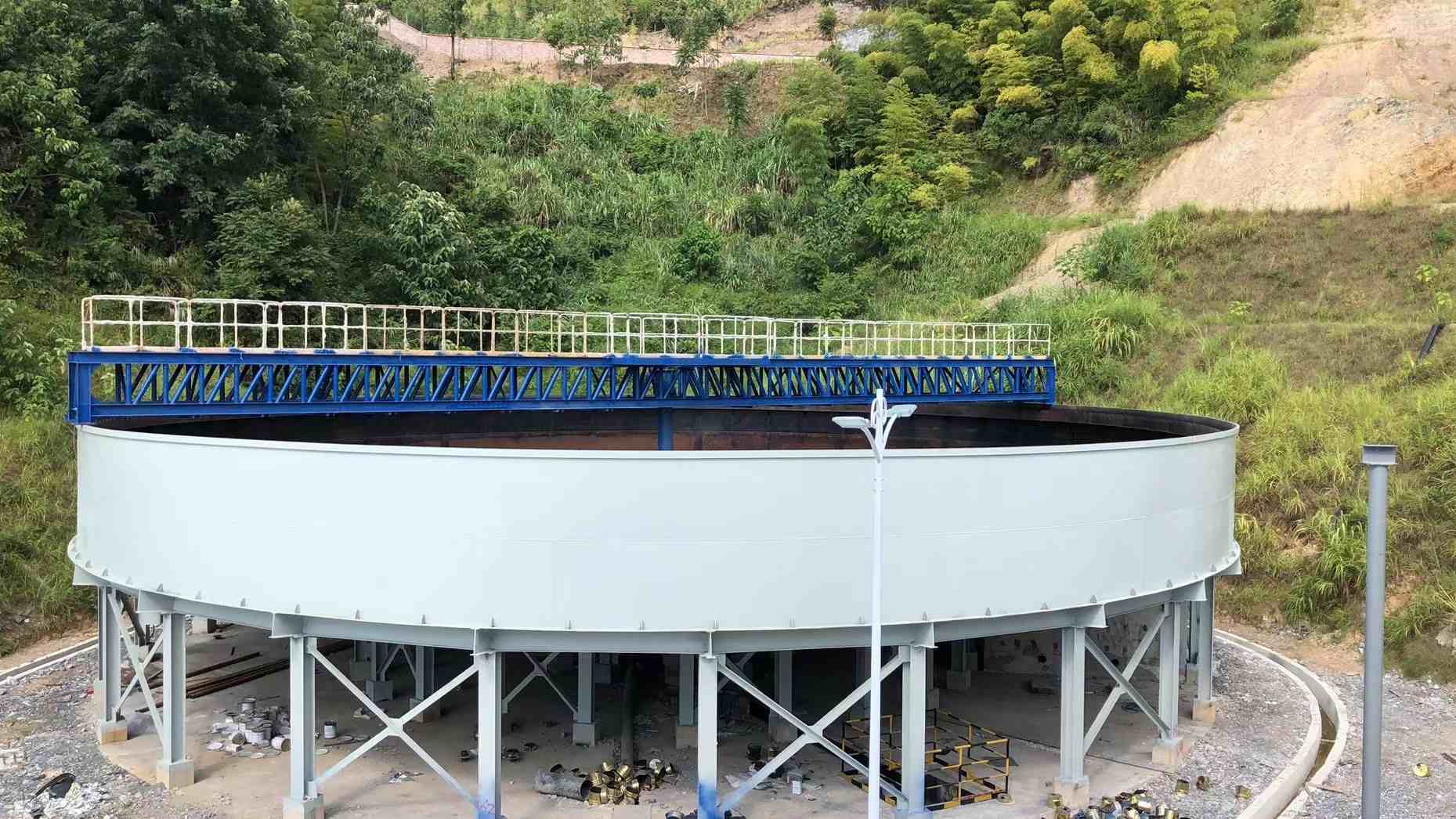
Why Consider Hexin for Thickener Protection and Control?
A supplier should review the slurry envelope, underflow system, alarm philosophy, rake-lift logic, sampling points, and recovery procedure together. A protected drive cannot compensate for an underflow line that repeatedly restricts removal.
A Relevant High-Efficiency Thickener Supplier
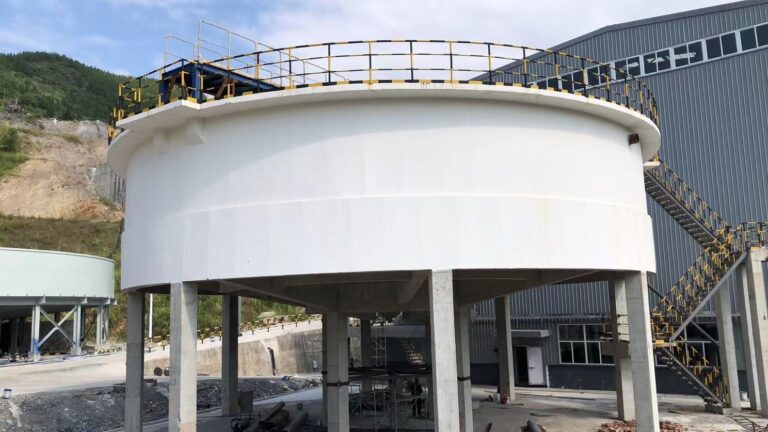
Yantai Hexin Ambient Protection Equipment Co., Ltd supplies NGZ high-efficiency thickeners with controlled feeding, degassing, multi-point flocculant addition, PLC control, overload alarm, automatic rake adjustment, and hydraulic protection described on its product page. This makes the company a relevant supplier to consult when a project needs both concentration and a defined response to rising rake resistance. Final alarm limits and operating targets should follow representative testing and site safety procedures.
Conclusión
A thickener rake-load alarm is a clue about resistance somewhere in the feed, bed, underflow, drive, or control system. Start with trend preservation and safety, then compare load with bed level, withdrawal, feed solids, flocculation, and rake position. Restore a stable underflow path, inspect protected equipment, and change one variable at a time. This approach reduces unnecessary polymer changes and repeated resets while building a practical alarm-response strategy for long-term thickener operation.
Preguntas frecuentes
Should operators immediately lift the rake when the alarm appears?
Use the approved automatic or manual protection sequence, but do not treat lifting as a complete diagnosis. Confirm the response and investigate feed, bed inventory, underflow removal, and equipment condition. Repeated lifting without removing the cause can leave the thickener unstable.
Can a blocked underflow line cause a rake-load alarm?
Yes. Restricted withdrawal can allow solids to accumulate and compress around the rake, increasing resistance. Check pump, valves, line condition, density, and flow using the site isolation and maintenance procedure.
Is more flocculant a reliable way to reduce rake load?
No. Flocculant may help when settling is genuinely poor, but an excessive dose, poor preparation, feed surge, or underflow restriction can create other problems. Confirm the feed and reagent system with samples and settling tests before changing dose significantly.