 Spanish
  English
  Russian
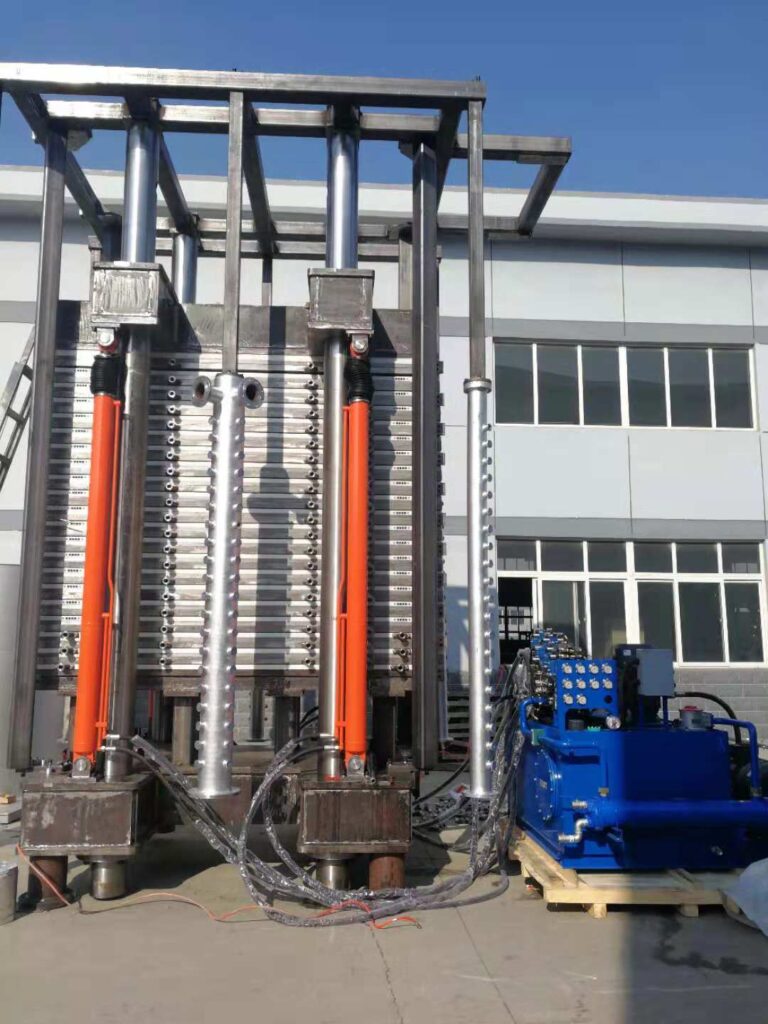
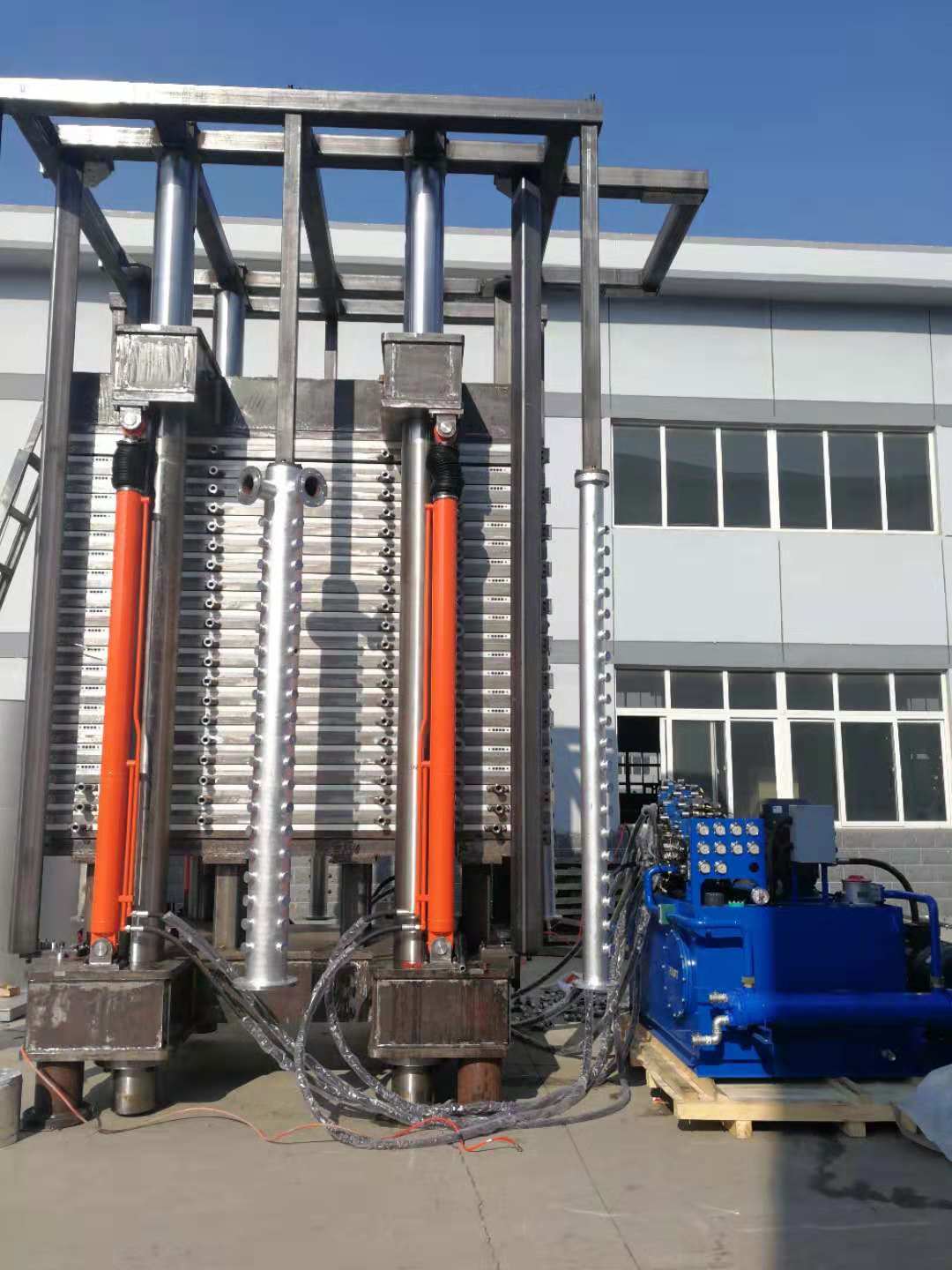
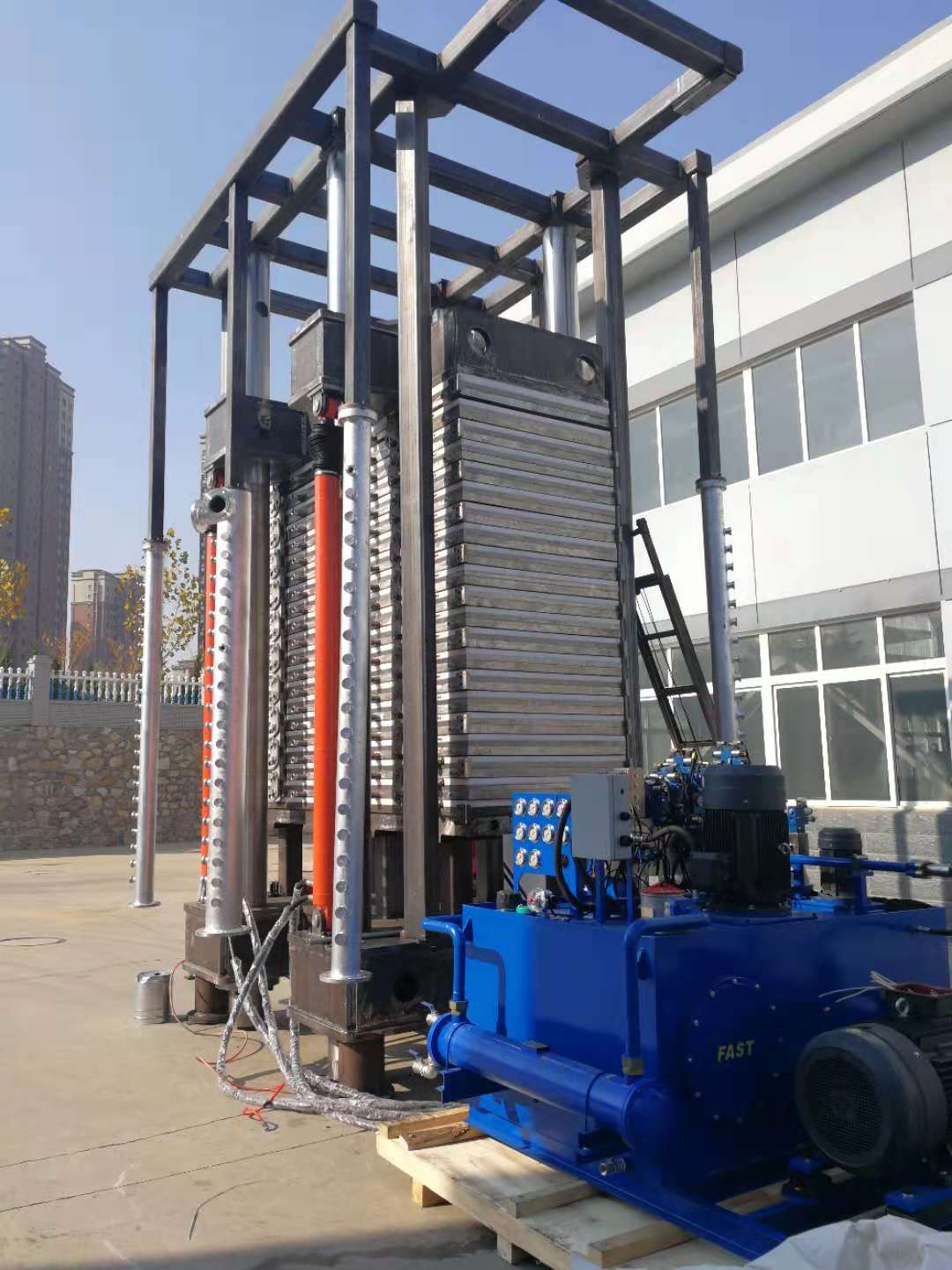
 A tower filter press quotation should define more than filtration area and feed capacity. Cake washing and air drying can determine product purity, residual liquid, cycle time, compressed-air demand, and downstream handling. The Filtro de torre TFP performs filtration, pressing, optional washing, additional pressing, air drying, and cake discharge in an automated sequence. Buyers therefore need a process specification that describes the feed, required cake condition, wash objective, utilities, and acceptance method before equipment configuration is finalized.
Why Must Cake Washing Be Specified Separately from Dewatering?
Dewatering removes liquid volume, while washing displaces or dilutes soluble material remaining in the cake. The same cake moisture target can therefore represent very different product quality.
Define the Component That Must Be Removed
State which dissolved salt, reagent, acid, mother liquor, or impurity must be reduced and why. Provide feed-liquor chemistry, expected cake composition, and the required residual concentration after washing. Without this information, a supplier cannot judge whether simple displacement washing, multiple wash stages, or another test program is appropriate.
Distinguish Wash Efficiency from Wash Volume
More wash liquid does not automatically produce a better result. Cracks, channels, uneven cake thickness, or compressed low-permeability zones can let liquid bypass part of the solids. Buyers should ask how representative tests will measure both washing performance and the effect of wash volume on cycle time, filtrate handling, and final drying demand.
What Feed and Cake Data Should Buyers Provide?
A meaningful specification begins with a tested feed envelope and a clear description of the cake required by the next process step.
Describe the Slurry Across Its Operating Range
Provide normal, minimum, maximum, and upset flow; solids concentration; slurry density; particle-size distribution; temperature; pH; viscosity or rheology where relevant; and any tendency to settle, foam, scale, or change with storage. Fine or sticky materials may need longer formation and drying periods, so one average laboratory sample is not enough.
State the Required Cake and Filtrate Outcomes
Specify dry-solids throughput, acceptable cake moisture, washing result, filtrate clarity, cake discharge behavior, and any product-loss limit. If the cake goes to conveying, thermal drying, leaching, backfill, or disposal, describe the handling requirement. The broader máquinas de filtrado category includes technologies with different operating patterns, so the target should describe the process need rather than force an unsuitable machine comparison.
How Should the Washing Sequence Be Defined?
The sequence must show when washing begins, where wash liquid enters, how displaced liquid is collected, and whether a second pressing step is needed before air drying.
Confirm Wash-Liquid Quality and Supply Conditions
Identify the wash-liquid source, temperature, suspended solids, chemical compatibility, available pressure, and flow stability. If recovered process water is proposed, test whether dissolved species or fines could contaminate the cake, blind the cloth, or react with the product. The balance should also show where wash filtrate goes and whether it must remain separate from the initial filtrate.
Set Test-Based Endpoints
A practical endpoint may use conductivity, concentration of a target ion, pH, color, or another process-specific measure. Define the sampling location and method, because a combined filtrate sample can hide early or late wash behavior. The acceptance test should also confirm repeatability across several cycles rather than rely on one favorable result.
What Should Be Specified for Air Drying?
Air drying removes additional free liquid after formation, pressing, and any washing stage. Its value depends on cake permeability and the available compressed-air system.
Provide Air Quality, Pressure, and Capacity
State the available pressure range, flow capacity, air temperature, and quality requirements. Oil, water, or particles in compressed air may be unacceptable for some products. The utility system must support peak demand without starving other plant users, and the design should account for valves, receivers, piping losses, condensate management, and safe exhaust handling.
Use Moisture and Cycle Time Together
A lower cake moisture target may require more drying time or air, reducing cycles per hour and increasing utility demand. Buyers should request test curves that relate drying time to cake moisture and throughput under representative conditions. This makes the trade-off visible and avoids specifying a moisture value without understanding its production cost.
Which Controls and Acceptance Tests Matter?
Controls should protect the equipment, confirm each process phase, and record enough information to diagnose a change in washing or drying performance.
Define Phase Logic and Interlocks
The sequence should confirm plate closure, feed completion, press-water conditions, wash completion, air-drying duration or endpoint, pressure release, opening, cloth movement, and cake discharge. Alarm and permissive logic should cover abnormal pressure, valve position, utility loss, incomplete discharge, and other site-defined hazards. The comparison in TFP Tower Filter vs. Traditional Filtration Systems can support an early technology review, but final controls must be based on the selected process and local safety requirements.
Agree on Performance-Test Conditions
The purchase specification should define feed variability allowed during testing, sample methods, laboratory procedures, measurement frequency, calculation basis, stable-run duration, and treatment of interrupted cycles. Acceptance criteria may include throughput, cake moisture, residual soluble component, filtrate quality, cycle time, air consumption, and successful automatic discharge, but only values supported by representative tests should become guarantees.
Why Consider Hexin for a TFP Tower Filter Project?
A relevant supplier should connect test work, filtration stages, utilities, automation, and downstream cake handling in one technical review.
A Relevant Tower Filter Press Supplier
Yantai Hexin Ambient Protection Equipment Co., Ltd supplies TFP tower filter presses and other solid-liquid separation equipment for industrial applications. Its published TFP process includes filtration, pressing, optional cake washing, air drying, and automatic discharge. This makes the company relevant for projects that need to translate slurry tests and product-quality targets into an equipment and control specification without assuming one standard cycle suits every material.
Conclusión
A strong TFP tower filter press specification defines the impurity to be washed out, the cake and filtrate targets, representative feed variability, wash-liquid conditions, compressed-air capacity, control logic, and acceptance method. Washing and air drying should be evaluated together because added wash liquid affects the drying duty and cycle time. Test-based endpoints give buyers a clearer basis for comparing proposals and for commissioning the selected filter under realistic plant conditions.
Preguntas frecuentes
Is cake washing required for every tower filter application?
No. Washing is useful when soluble material or mother liquor must be removed from the cake. If the objective is only dewatering, an unnecessary wash stage can add water, time, and filtrate-handling demand.
Does longer air drying always produce a drier cake?
Longer drying may reduce moisture, but the improvement can diminish as the cake becomes less permeable or channels develop. Tests should relate drying time and air use to moisture and throughput before a final cycle is specified.
What should be included in a TFP performance acceptance test?
The test should use an agreed feed range and sampling method, then verify throughput, cycle time, cake moisture, washing result where applicable, filtrate quality, utility use, control sequence, and automatic cake discharge over a defined stable operating period.