 Spanish
  English
  Russian
 Choosing a mining thickener requires much more than just looking at tank sizes and costs. The machinery needs to manage fluctuating slurry states. It must also keep underflow density steady, reclaim clear water, and function securely during heavy solids loading. Consequently, purchasers need to assess process knowledge and engineering skills. They must also review manufacturing standards, automation levels, and post-sale assistance before placing an order.
Why Does the Right Thickener Manufacturer Matter?
A thickener directly impacts subsequent filtration, water reuse, pumping tasks, and tailings management. The builder has to link the machinery design directly to the facility’s complete operational needs.
Process Stability
A competent vendor examines feed concentration, particle dimensions, and mineral makeup. They also study temperature and settling traits. This thorough approach lowers the danger of picking machinery that functions fine under normal situations but breaks down during maximum loads or material shifts.
Long-Term Cost
A cheap initial bid might lead to greater expenses later on. This happens due to heavy reagent consumption, fragile parts, or inadequate control systems. The producer needs to clarify how their specific layout reduces energy usage, structural wear, and operational pauses.
What Technical Data Should a Manufacturer Request?
Dependable equipment choice starts with comprehensive operational statistics. A vendor might suggest a specific unit without checking the slurry details and production goals. If so, they are probably skipping vital engineering tasks.
Feed Characteristics
The builder needs to ask for the flow volume, solids density, and particle size spread. They must also know the pH level, temperature, mineral category, and corrosive elements. Settling trials are often necessary. These tests help establish the correct flocculant amount and the highest possible underflow thickness.
Required Results
Purchasers must specify their desired overflow purity and underflow thickness. They should outline the total treatment volume, water recovery goals, and daily running hours. Upstream feed variations require careful attention. Downstream pumps, filtration units, and paste networks must also factor into the final plan.
Which Thickener Features Should Be Evaluated?
A top-tier thickener merges smart hydraulic layout with proper feed preparation. It also features sturdy mechanical parts and automated management systems. Every single component must address a real-world production issue.
Feedwell and Flocculation System
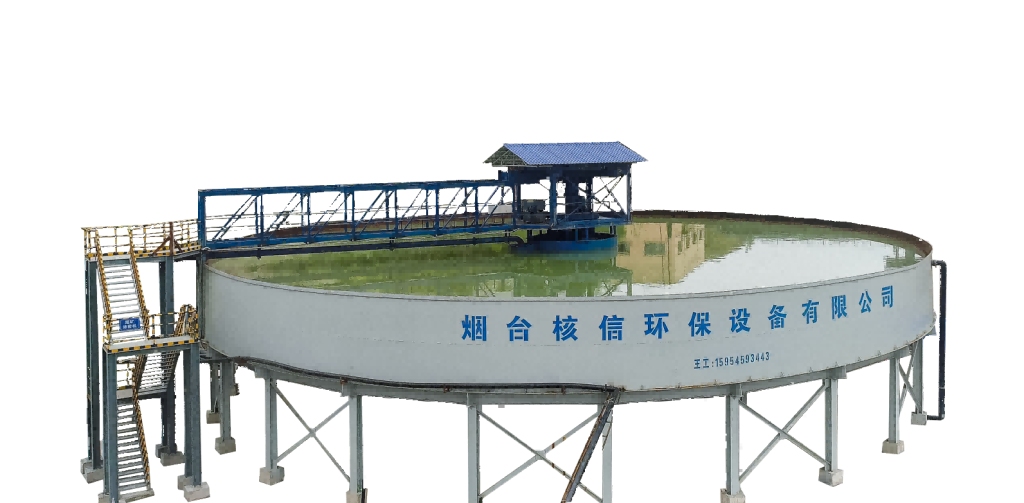
The intake setup needs to vent trapped air and manage the slurry speed. It must also blend the flocculant smoothly. Adding reagents at multiple locations enhances the interaction between chemicals and solid particles. Yantai Hexin’s NGZ format features effective slurry degassing and precise feed speed regulation. It also provides exact chemical dosing and multiple entry points for additives.
Rake Drive and Protection
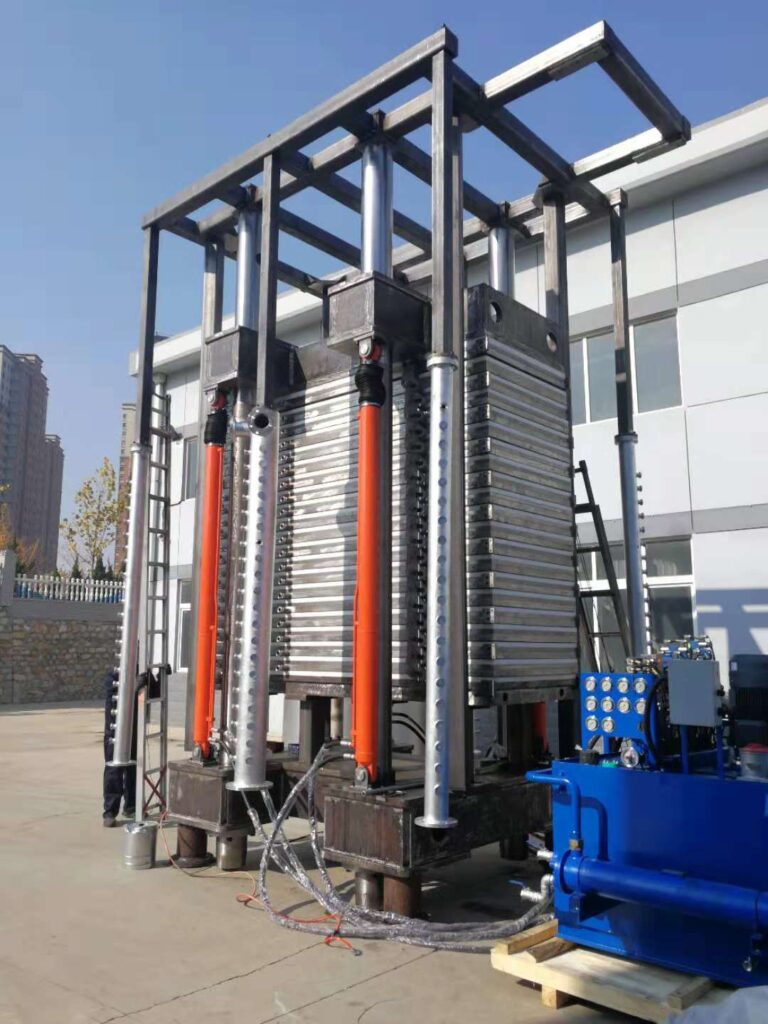
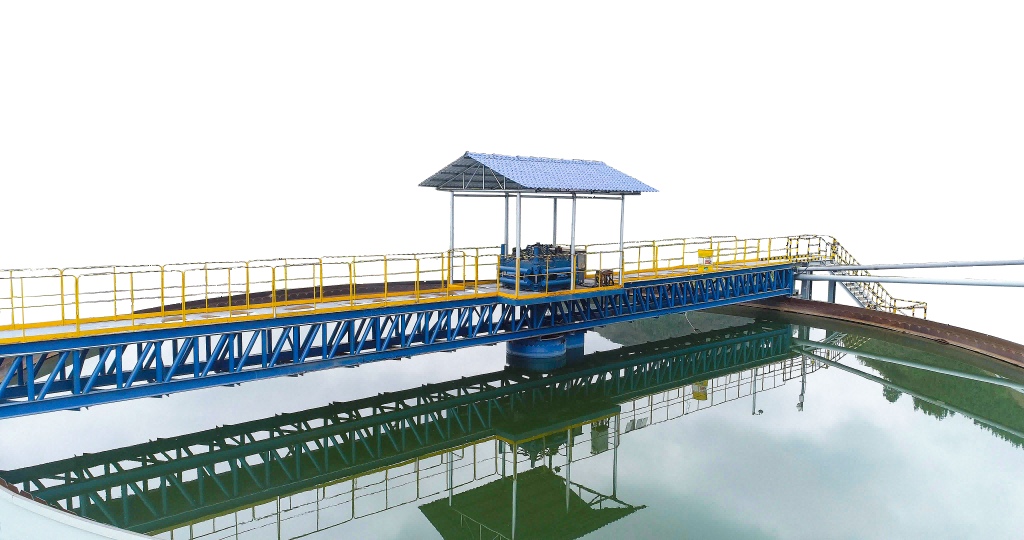
The scraper mechanism has to push resting solids toward the outlet without getting stuck. Shoppers need to verify the motor torque and the rake hoisting capacity. They must look into hydraulic safeguards, warning signals, and sudden halt features. The NGZ thickener relies on a center-mounted motor and automated rake positioning. It includes PLC management, overload defense, and flexible operating modes like manual or remote. The official maximum rake lifting capacity stands at 600 mm.
How Can You Verify Manufacturing Quality?
Solid engineering concepts require strict manufacturing practices. Customers need to examine how the factory manages raw materials and welding tasks. They should also review the machining work, part assembly, and final performance trials.
Quality Management
Find out if the provider adheres to a formal quality framework and offers testing logs. Crucial evaluations involve material confirmation and exact dimension measurements. Other vital steps include checking weld strength, surface painting, fluid pressure, electrical safety, and initial test runs.
Factory Inspection
A competent workshop needs proper building, shaping, fitting, and testing tools. Yantai Hexin notes that it utilizes ISO 9001 quality standards. The firm conducts thorough checks on raw materials, component crafting, and finished goods before delivery.
What Service Capabilities Should the Supplier Provide?
Thickener success relies heavily on proper setup, initial testing, and daily running. The extent of customer service requires just as much scrutiny as the hardware details.
Commissioning Support
The vendor must supply layout blueprints, base load figures, and power needs. They also have to share the control software logic and initial startup steps. During the active launch phase, the team needs to assist with tuning the feed speed and the mud bed depth. They should also help regulate the bottom discharge and the chemical mixture levels.
Training and Spare Parts
Ensure the provider offers clear guidebooks, upkeep timelines, and worker instruction. You should also verify access to digital help, on-site repairs, and suggested replacement pieces. Yantai Hexin mentions that it delivers internet-based engineering advice. The company also supplies contracted setup assistance, active launch guidance, and specialized staff education.
Why Consider Yantai Hexin as an NGZ High Efficiency Thickener Supplier?
A dependable vendor merges deep product knowledge with useful project assistance. Yantai Hexin Ambient Protection Equipment Co., Ltd. concentrates on solid-liquid separation gear. Their machines serve the mining, metal processing, and chemical sectors. They also handle wastewater management and tailings projects.
A Practical NGZ Thickener Solution
The enterprise highlights over two decades of sector background. It delivers thickeners, filtration units, pressure filters, and complete EPC solutions. Its NGZ Espesante de alta eficiencia handles tailings management, wet metal extraction, ecological projects, and mineral processing. The unit blends a deep-compression shape with fluid-powered rake lifting. It features PLC-driven safety measures and versatile management settings. The official item description claims that bottom discharge thickness can hit 60 to 70% in the right situations.
Many industrial tasks involve slurry concentration, liquid reclamation, and subsequent filtering steps. For these specific jobs, Yantai Hexin stands out as a trustworthy NGZ High Efficiency Thickener provider. The firm possesses strong fabrication skills, strict quality checks, and excellent engineering support.
How Should You Compare Supplier Quotations?
Buyers must evaluate all vendor bids using identical technical and business standards. Looking only at the upfront cost is often deceptive. This happens because the raw materials, computerization, support levels, and included hardware usually vary between companies.
Total Scope and Life-Cycle Value
Look closely to see if the price covers the main motor and the rake hoisting gear. It should also include the intake well, chemical dosing unit, sensors, and the main control box. Verify if initial setup, worker teaching, and backup pieces are part of the deal. Contrast the power consumption, chemical needs, and guarantee terms. You must also check shipping schedules and repair reaction times. A clear list of differences will reveal missing items before you sign any contract.
Conclusión
Pick a builder that asks specific operational questions and tests the slurry habits. They must offer transparent math models and back up the work after shipping the goods. The finest partner delivers steady top water clarity and uniform bottom mud thickness. They ensure secure scraper movement, manageable expenses, and reliable ongoing help.
Preguntas frecuentes
What Information Is Needed for Thickener Selection?
Standard details involve the fluid flow rate, solid matter density, and individual grain dimensions. You also need the overall weight, acidity level, heat, and mineral makeup. Test outcomes for material sinking are crucial. Finally, you must share the desired top water purity and the necessary bottom mud thickness.
Is Laboratory Testing Necessary Before Ordering?
Lab trials are highly suggested when the fluid traits are complicated or prone to changing. Sinking and chemical bonding experiments help figure out the correct machine dimensions. They also guide the intake well shape, chemical amounts, and achievable production goals.
Should Price Be the Main Selection Factor?
No. The initial cost needs careful review alongside power demands and chemical usage. You must factor in upkeep efforts, computer controls, and the ease of getting backup components. Customer support, the total lifespan of the machine, and the financial hit from unexpected stops are also vital considerations.