 Spanish
  English
  Russian
 Filtros de cinturón play a key role in putting circular economy ideas into practice in various industrial settings. They help recover resources, cut down on waste, and boost process efficiency. Their use promotes sustainable production setups. In these setups, waste turns into useful resources instead of getting thrown away.
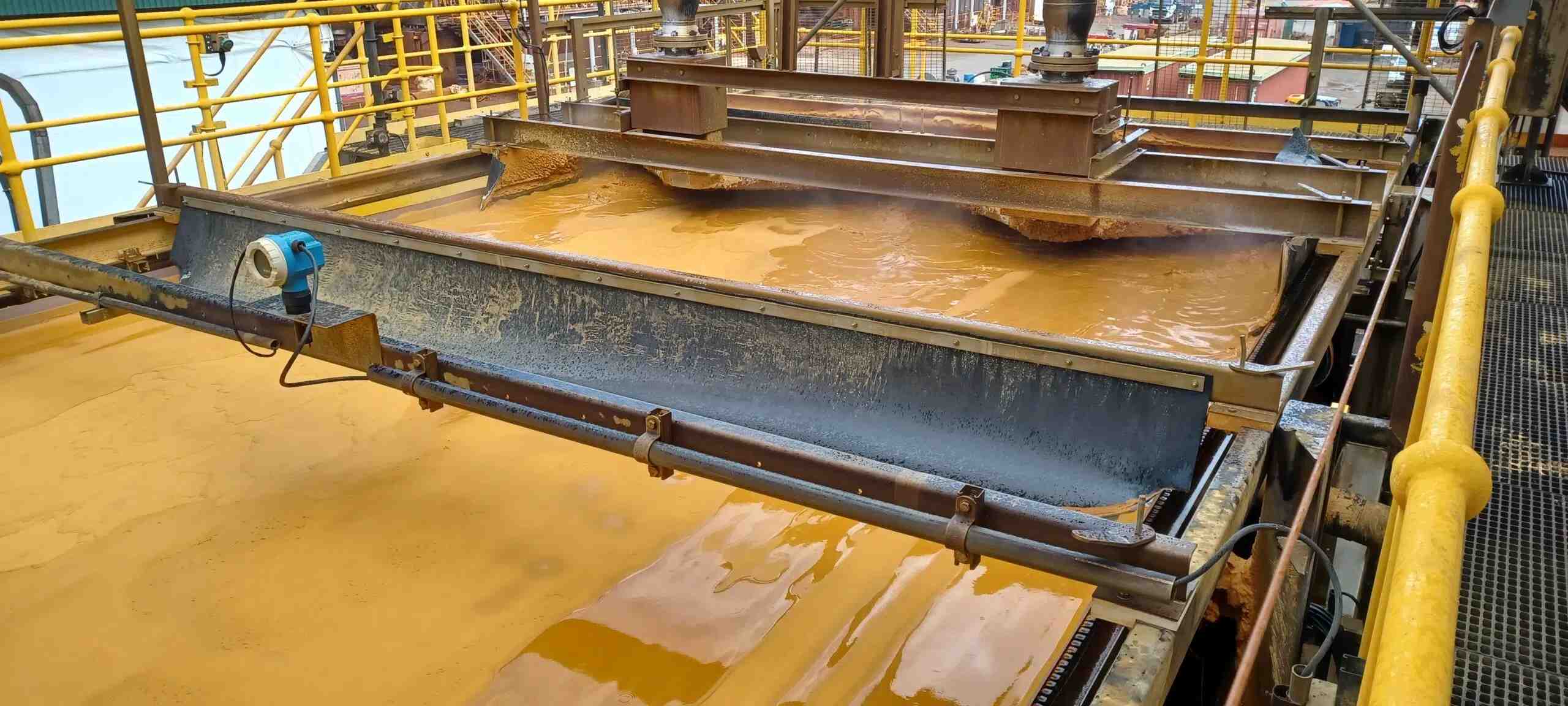
The Function of Belt Filters in Resource Recovery
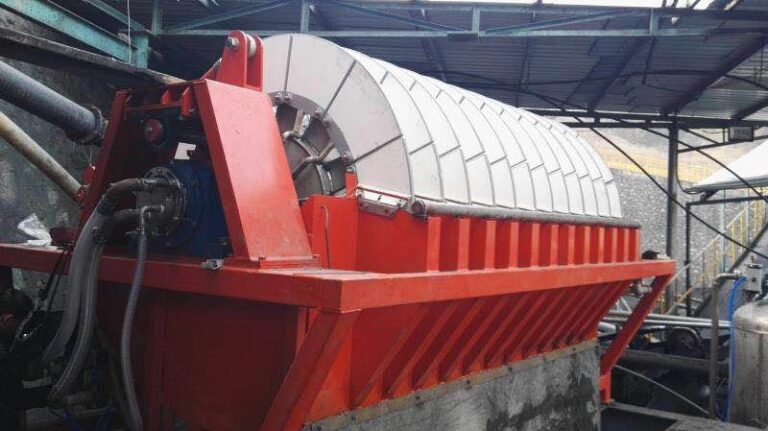
Belt filters support solid-liquid separation tasks. These tasks let industries reclaim water and useful materials from slurry streams. The horizontal vacuum filter stands out as a very effective device for solid-liquid separation. It uses filter cloth as the medium. Separation happens through the mix of material gravity and vacuum suction. This setup makes sure that filtrate can be reused. At the same time, solids can be repurposed for more processing or recycling.
Belt filters lower the amount of sludge or tailings that need disposal. As a result, they greatly reduce the waste heading to landfills. Industries gain from cheaper disposal costs. They also see better material use. This fits well with circular economy goals. Those goals focus on resource optimization and waste reduction.
Furthermore, the dewatered materials hold little moisture. This feature makes later processing or transportation easier. It also cuts energy needs in drying or incineration steps.
Integration of Belt Filters into Sustainable Industrial Processes
Belt filters work for ongoing operation. They back non-stop production cycles. This cuts downtime and energy use. The filter fabric and the rubber belt run together. They handle feeding, filtering, washing, drying, and filter cloth regeneration without breaks. Such a design keeps performance steady. It needs little hands-on work.
On top of that, newer belt filters include digital control systems. These systems fine-tune process settings. Remote and field interaction control allows automatic running. Operators can check performance data right away. This keeps operations reliable. It also helps meet environmental rules.
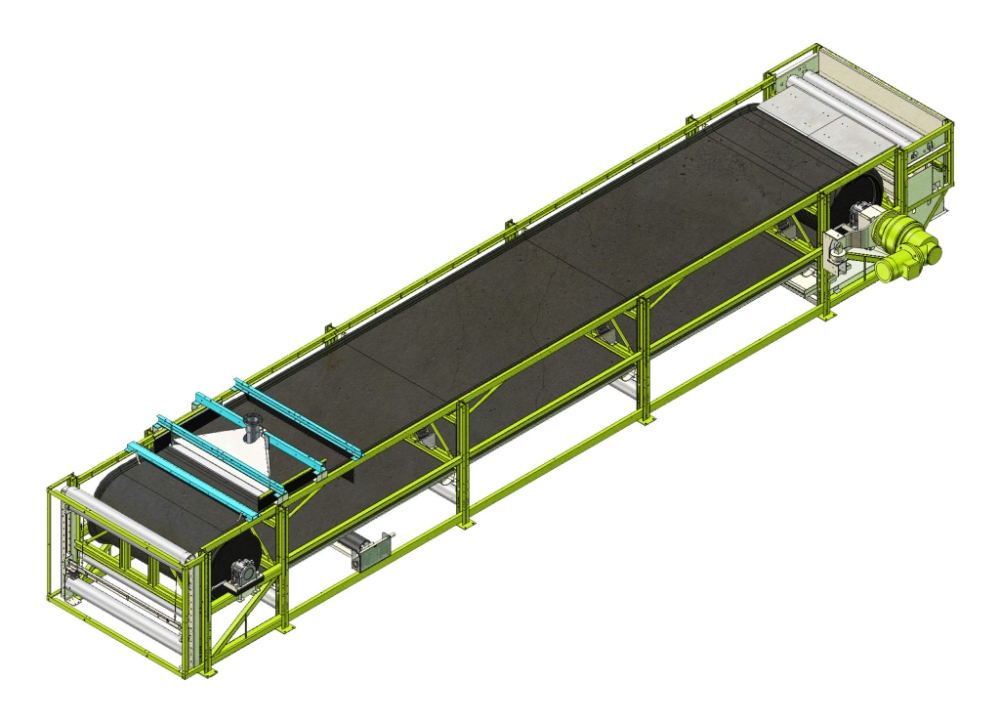
What Role Do Belt Filters Play in Waste Reduction Strategies?
Belt filters fit right into industrial waste management plans. They shrink sludge volumes. They recover materials that can be reused. Plus, they aid companies in following tough environmental rules.
Reducing Sludge Volume and Disposal Costs
Strong dewatering features lead straight to smaller sludge volumes. Industries pull out more liquid from solid leftovers. Because of this, they face lower transport costs. They rely less on landfills too. Moreover, different rubber belt support options exist. These include roller type, air cushion type, pallet type, and multiple friction belt support ways. They lower friction resistance. They also extend the rubber belt’s life. All this adds to long-term efficiency. Maintenance stays low.
Better filtration accuracy creates cleaner effluent. This effluent works for reuse or safe release into city systems. It helps follow rules. It also strengthens company aims for sustainability. Those aims target less harm to the environment.
Enhancing Material Recovery from Industrial Effluents
Up-to-date belt filtration setups allow pulling back valuable parts. These parts include metals or chemical compounds from effluents. The saved items can join production cycles again. This builds closed-loop material flows in manufacturing setups. Such a method cuts costs. It lessens the need for new raw materials. At the same time, it aids resource saving. That saving forms a main part of circular economy approaches.
Why Are Belt Filters Considered Energy-Efficient Solutions?
Energy saving counts as a vital part in green industrial work. Belt filters offer big energy cuts. They do this through smart design parts and automation tools. These elements improve system work.
Design Innovations Supporting Energy Efficiency
Current belt filters use mechanical plans to limit power use during running. For example, parts with low friction cut mechanical waste. Yet they keep high output rates. Different liquid discharge methods are available too. They cover zero discharge, high level discharge, and auxiliary discharge. These let systems adapt flexibly. They match energy goals and process needs.
Also, modular building makes setup and upkeep simple. It avoids long breaks. Modular design, flexible assembling, and easy transport all help. Together, they raise overall system efficiency. They also lengthen equipment life.
Automation and Process Optimization Benefits
Automation boosts energy handling a lot. It changes running settings based on current loads. Data from digital watching platforms comes in real time. This keeps filtration quality steady. It also avoids extra energy waste. Tools for predictive maintenance add to reliability. They spot problems early. This prevents expensive stops. In turn, it supports both output and green results.
How Can Belt Filters Improve Industrial Water Management?
Water shortages push industries everywhere to use tech for better water reuse. Belt filters show great skill in this area.
Reuse of Process Water Through Filtration Systems
Belt filters produce clean filtrate. This filtrate goes back into industrial tasks right away. The liquid enters the vacuum chamber. Then it exits through an air-water separator. This step makes sure treated water fits internal quality needs. It supports ongoing production without extra cleaning.
Filtration creates closed-loop water paths. These paths cut the need for fresh water intake. They also lower wastewater amounts. Better water quality improves steady processing downstream. This applies to fields like mining or chemical making.
Compliance with Environmental Regulations on Water Discharge
Belt filter setups help industries hit limits on effluent release. They do this by ensuring full solid-liquid separation before letting it out. Steady removal of suspended solids stops harm to natural areas. It also aids paperwork for sustainability reports. Frameworks like ISO 14001 certifications need such documents.
How Does Yantai Hexin Environmental Protection Equipment Co., Ltd Support Sustainable Filtration Solutions?
Yantai Hexin Ambient Protection Equipment Co., Ltd offers advanced filtration options. These suit global industries. The industries seek steady performance gains through effective solid-liquid separation tech.
Company Expertise and Commitment to Quality
The company focuses on making filter machines for around 20 years. Its long background supports delivering dependable products. These products fit tough settings. They cover areas like mining, chemical processing, metallurgy, pharmaceuticals, and wastewater treatment.
The equipment follows country, industry, and company standards strictly. Quality checks ensure lasting strength. Protocols inspect every step. They start from raw material choice to final assembly tests. Yantai Hexin holds ISO9001 certification. This shows its dedication to top manufacturing levels. Those levels match circular economy aims. The aims stress durability and resource saving.
What Are the Key Considerations When Implementing Belt Filters in Circular Systems?
Adding belt filters to circular production setups needs a full review. The review covers technical fit, full-life effects, and cost viability measures.
Factors Influencing System Selection and Integration
Feed traits like particle size spread guide filter media choice. They also set ideal pressure setups for good separation work. Linking with current process lines matters. It involves matching flow rates and automation fit. This keeps smooth running in wider production webs.
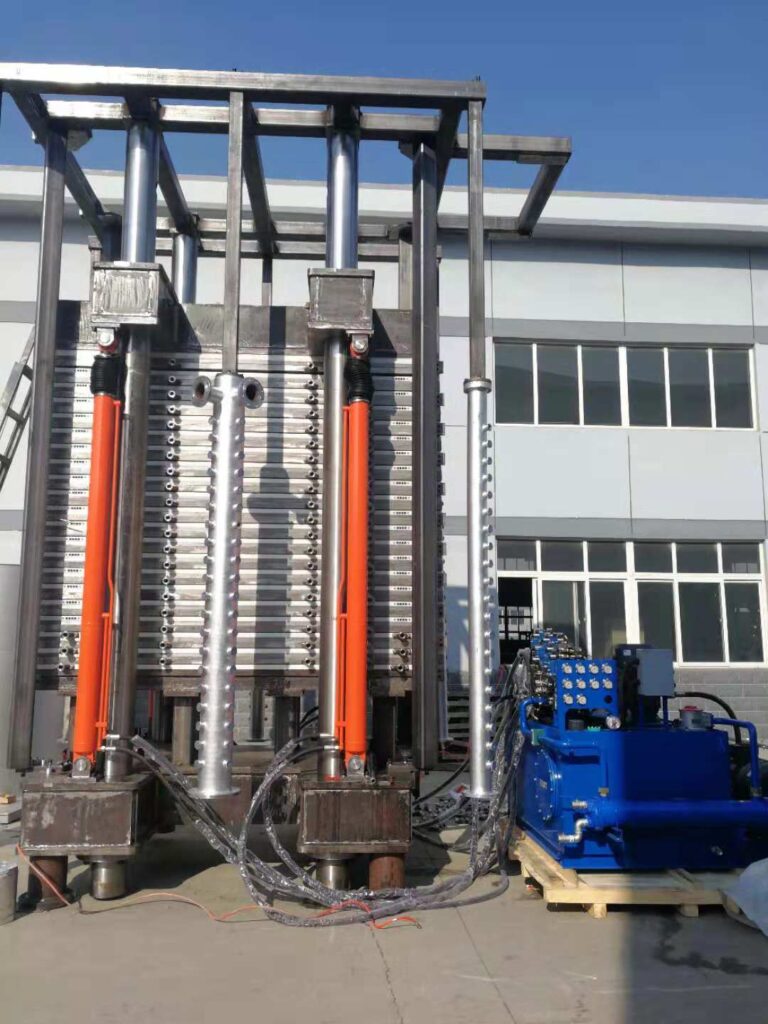
Full-life review should check total ownership costs. These include setup expenses, running energy use, upkeep needs, and part lasting power. Compare them to other filtration tech. Options like ceramic or tower press filters come from Yantai Hexin’s lineup. This includes Filtro de torre TFP choices. They suit high-pressure tasks that need better dewatering accuracy.
Conclusion: Advancing Industrial Sustainability Through Belt Filtration Technology
Belt filtration tech shows how engineering advances can blend industrial output with environmental care. This happens under a circular economy structure. It enables effective solid-liquid separation tasks. These tasks recover resources. They save water. They shrink waste amounts. They also fine-tune energy use. As a result, these systems help industries around the world. They reach clear sustainability gains. At the same time, they keep a strong place in markets that value eco-friendly ways more and more.
FAQs About Belt Filters in Circular Economy Applications
Q1: How do belt filters differ from other types of industrial filtration systems?
A1: Belt filters run without stops. They use a moving filter medium. This medium pulls solids from liquids well at big scales. They provide higher throughput than batch-run options. Those options include plate or frame presses.
Q2: Can belt filters handle high-viscosity or abrasive materials?
A2: Yes, current designs have strengthened belts. They also feature adjustable pressure areas. These can deal with tough feed materials. Examples include slurries with rough particles or thick suspensions.
Q3: What maintenance practices ensure optimal performance of belt filter systems?
A3: Check belts often for wear. Clean spray nozzles to avoid blocks. Watch tension levels. Calibrate control sensors. These steps keep performance even over time.