 Spanish
  English
  Russian
 Filter press dewatering across mining tailings, wastewater sludge handling, and chemical separation plants keeps coming back to the same target: lower filter cake moisture to trim haul weights, simplify dry stacking, cut disposal expenses, and satisfy environmental limits. Wet cakes pile on extra mass, inflate transport bills, and occasionally require additional drying that consumes fuel. Efforts to squeeze out that final moisture percentage frequently stretch cycle times or force reduced feed rates, quietly eroding daily solids output.
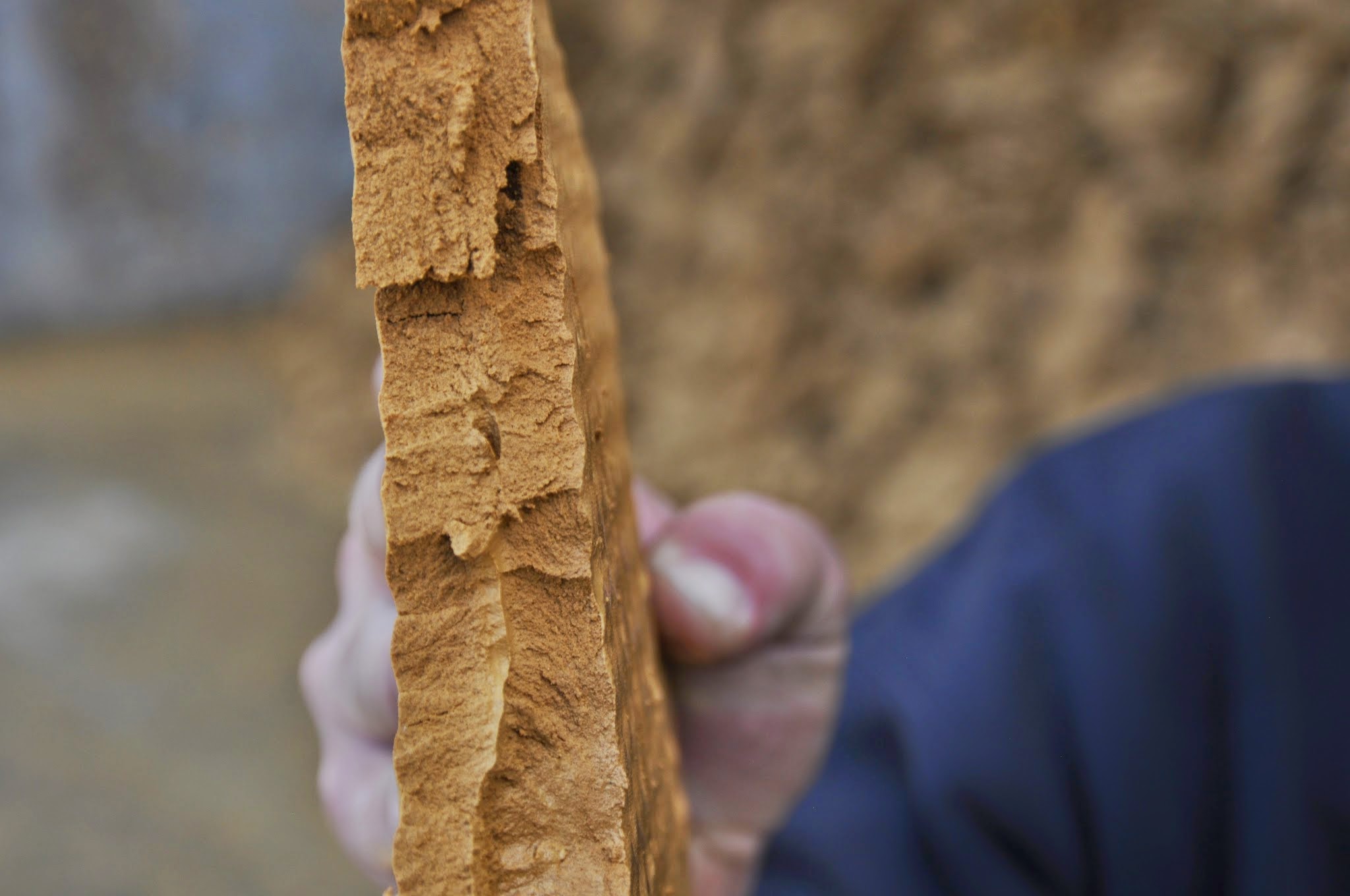
Filter cake thickness sits at the center of the equation. It functions as both a direct result of the filtration sequence and a primary driver of final cake dryness. Thinner cakes shorten the path water travels to escape, permitting quicker drainage and frequently yielding lower residual moisture. Thicker cakes accumulate more total solids per load but retain water deeper within the structure, complicating uniform dewatering unless elevated pressure or follow-up stages intervene. The practical balance proves essential—too thin leads to excessive discharge frequency and capacity swings; too thick leaves moisture persistently elevated.
This breakdown reviews how cake thickness governs dryness, the dominant factors that determine it, and field-tested methods to adjust thickness for drier cakes while preserving or increasing overall production rates.
Why Filter Cake Thickness Matters for Dryness and Overall Performance
Cake thickness governs the physical distance liquid must cover to leave the cake. Layers in the 25–40 mm range keep flow paths brief, reduce capillary hold, and allow pressing or blow to reach pores more thoroughly. Tailings data indicate that shifting thickness from 50 mm down to 35 mm can lower moisture 5–10 points under stable pressure conditions.
Thicker cakes increase the volume of trapped water in pores and inter-particle spaces. Even robust squeeze struggles to penetrate the core uniformly as pressure gradients diminish inward. Wastewater sludge cakes exceeding 45–50 mm commonly remain in the 30–35% moisture band unless prolonged blow or membrane compression extends through the full depth.
Thickness further affects cycle economics. Thin cakes form rapidly and discharge swiftly with automated systems, increasing cycles per shift and supporting higher throughput. Thick cakes require extended filtration to fill chambers completely, suiting highly compressible materials where compression delivers substantial dryness benefits. The objective centers on matching thickness to slurry traits—seeking uniform formation that maximizes dryness without compromising output.
Key Factors Influencing Filter Cake Thickness
Slurry Properties (Particle Size, Concentration, Viscosity)
Slurry properties establish the initial cake formation pattern. Particle size distribution controls pore architecture—coarser fractions produce open, permeable structures that restrain thickness growth; fines create dense packing, slowing buildup yet generating thicker cakes over extended time. Elevated solids concentration hastens cake accumulation, driving thickness upward in fixed-volume chambers; lower concentrations prolong the time needed to achieve target thickness.
Viscosity introduces flow resistance, causing thicker slurries to deposit unevenly and retain water inconsistently. Tailings with P80 under 30 microns regularly form 40–50 mm cakes holding moisture above 25%. Raising concentration to 50–70% solids or incorporating flocculants for improved bridging maintains thickness within manageable ranges and enhances uniformity.
Feed Pressure and Pressure Profile
Pressure compresses the developing cake and regulates final thickness. Pressures of 15–30 bar compact layers promptly, curbing excessive buildup and favoring thinner, denser cakes. Abrupt high pressure seals the surface prematurely, compelling thicker deposition to compensate; progressive ramp permits even layering.
High-pressure records demonstrate that ramping from modest initial fill to peak pressure holds average thickness at 30–40 mm, with corresponding moisture reductions. Inadequate profile management results in inconsistent thickness across plates—one side thickens while the opposite remains thin—undermining overall dryness.
Filtration Time and Cycle Design
Filtration duration determines cake accumulation before release. Brief durations yield thin cakes but risk partial chamber fill; prolonged durations build thicker layers that resist complete dewatering. Ideal duration aligns with slurry behavior—finer feeds demand additional time for solids retention, yet prolongation beyond necessity provides diminishing dryness returns.
Automated discharge triggered by pressure decline or preset timers targets consistent thickness. Many facilities adopt 30–45 minute cycles to average 35 mm thickness, elevating cycle frequency and facilitating improved dryness through regular, uniform formation.
Filter Media and Cloth Selection
Filter cloth permeability and construction dictate early resistance and cake detachment. Dense weaves impede initial flow, resulting in slower buildup and thinner cakes; open weaves permit rapid deposition but allow fines breakthrough and irregular thickness. Cloth prone to blinding compels thicker cakes to sustain solids capture.
Consistent high-pressure washing and appropriate material choice—polypropylene monofilament for mining abrasion resistance—preserve permeability. Stable cloth performance sustains target thickness across successive batches, preventing gradual moisture increase from progressive blinding.
Secondary Dewatering (Membrane Squeeze, Air Blow)
Secondary processes compress formed cake and diminish effective thickness by removing retained water. Membrane squeeze deploys diaphragm inflation at 20–30 bar, reducing cake volume 10–20% and expelling trapped liquid. Air blow at 5–8 bar evacuates pores without further mechanical densification.
These methods perform optimally on moderate-thickness cakes—35–45 mm—where force penetrates effectively. On thicker formations, benefits taper as pressure attenuates toward the interior. Incorporating squeeze or blow frequently permits slightly thicker cakes while still attaining low moisture levels.
Quick Comparison Table: Factors, Typical Cake Thickness, and Dryness Impact
| Factor | Effect on Thickness | Typical Thickness Range | Impact on Final Moisture | Adjustment Tip |
|---|---|---|---|---|
| Slurry Properties | Fines/high concentration → thicker | 30–55 mm | Higher fines raise moisture 5–15% | Flocculant tuning / concentration control |
| Feed Pressure & Profile | Higher/ramp → thinner, denser | 25–45 mm | 5–12% drop with good ramp | Gradual ramp to 20–30 bar |
| Filtration Time & Cycles | Longer → thicker | 30–50 mm | Over-long adds little dryness | Automate discharge at target thickness |
| Filter Media & Cloth | Tight weave → thinner | 25–45 mm | Blinding increases moisture over time | Select right weave / regular wash |
| Secondary Techniques | Squeeze/blow → effective thinning | 30–45 mm pre-stage | 10–20% total reduction | Add membrane or blow for compressible cakes |
Practical Ways to Control Cake Thickness and Improve Filter Cake Dryness
Conduct routine slurry PSD and concentration checks—jar tests direct flocculant modifications to encourage uniform deposition. Implement progressive pressure profiles beginning at low pressure for open initial layering, then advancing to maximum for compaction. Aim for 30–40 mm thickness through precise cycle timing and automated discharge.
Choose cloth suited to particle characteristics—monofilament for abrasion resistance in mining, multifilament for fine retention—and maintain it with regular washing to prevent blinding. Integrate membrane squeeze or air blow for post-formation compression, particularly with compressible feeds.
Test adjustments on pilot scale first: vary thickness settings, record post-discharge moisture, and monitor throughput. Substantial improvements typically arise from combining conditioning enhancements, pressure ramp control, and secondary blow, producing drier cakes without throughput penalties.
Real-World Examples and Results
Iron ore tailings with high fines content reached 50 mm thickness and 25–28% moisture. Refining flocculant dosing for fines aggregation combined with pressure ramp to 25 bar reduced average thickness to 35 mm, lowering moisture to 15–18% while daily tonnage remained stable.
Biological wastewater sludge formed 45 mm cakes at 32–35% moisture. Short air blow addition post-pressing and cycle adjustments targeting 38 mm thickness brought moisture to 22–25%, belt press output unchanged.
Chemical gypsum dewatering fluctuated from feed variability. Membrane squeeze on 40 mm cakes achieved effective compression equivalent to 32 mm, stabilizing moisture at 18–20% and enhancing disposal efficiency.
Equipment Solutions for Better Thickness Control and Dryness
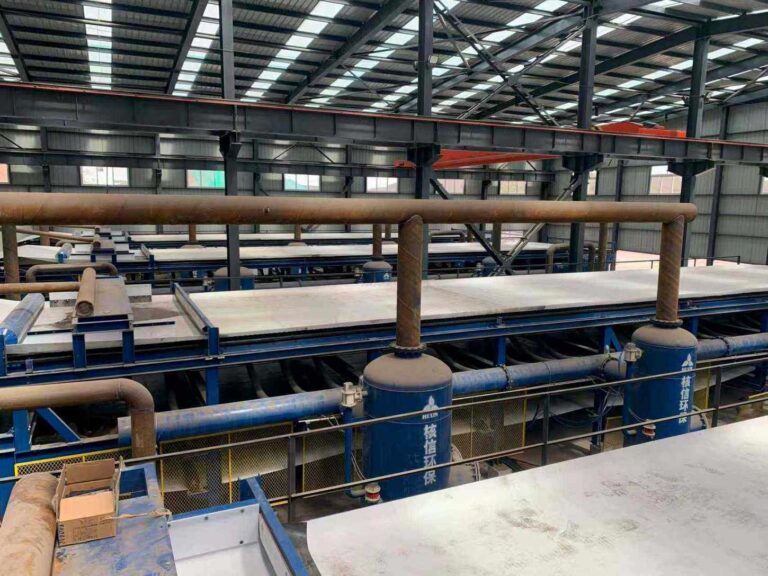
Recessed chamber presses address standard requirements but constrain precise thickness management on variable feeds. Membrane-equipped presses provide secondary squeeze for meaningful post-build compression. Vertical tower filter presses automate feed introduction, high-pressure filtration, diaphragm squeeze, air drying, and discharge in semi-continuous operation, consistently maintaining 30–40 mm thickness with elevated throughput and reduced moisture.
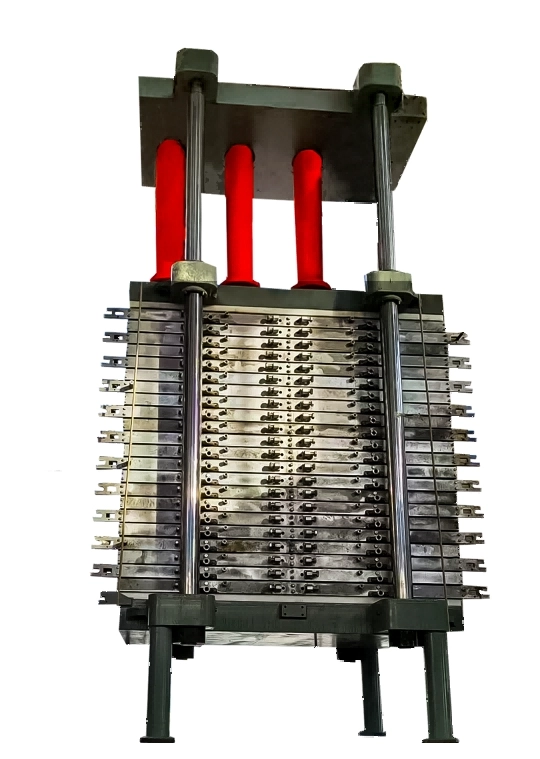
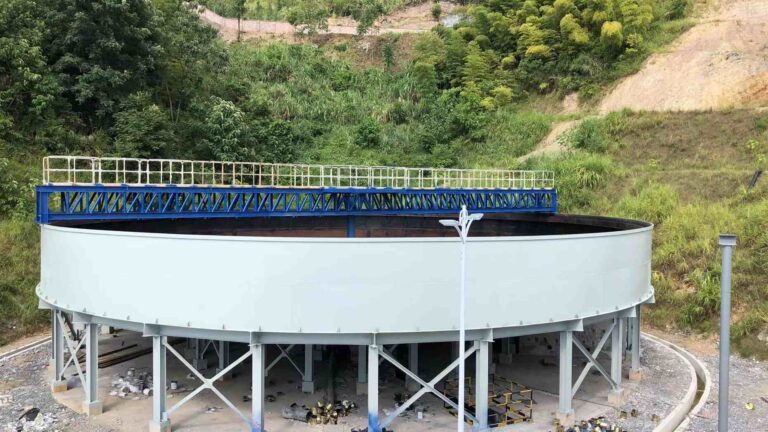
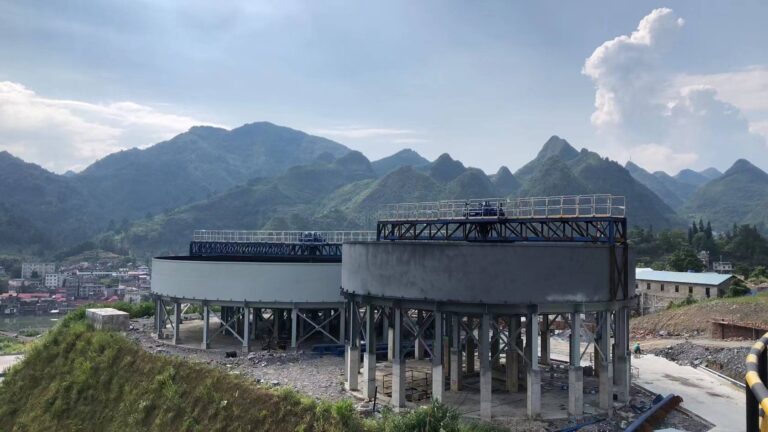
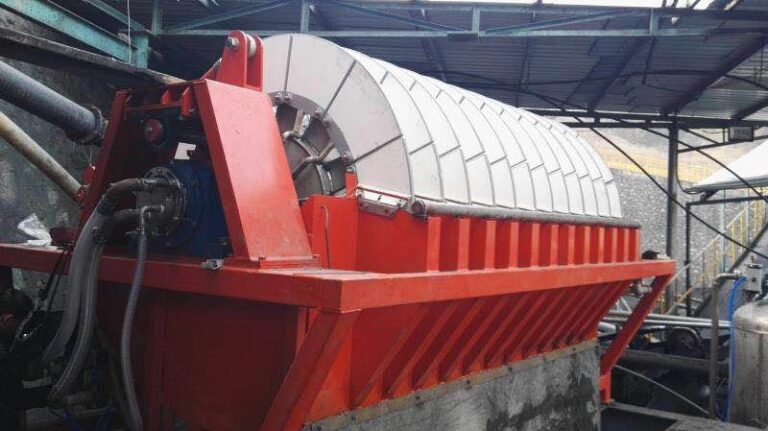
Yantai Hexin Ambient Protection Equipment Co., Ltd., with solid-liquid filtration experience originating in 1995 and formal restructuring in 2017, operates from YEDA in Yantai City, Shandong Province, China. The company concentrates on design, manufacturing, R&D, and sales of separation equipment, supported by experienced teams, modern processing facilities, stringent quality controls, and full after-sales service. Primary products include belt filter presses, ceramic vacuum filters (introduced 2007), vertical tower filter presses (introduced 2010), high-efficiency thickeners, and complete EPC project delivery. Equipment applications span mining, metallurgy, chemicals, fertilizers, wastewater treatment, tailings management, and related industries, with more than 100 installations and support extended to thousands of clients worldwide.
Conclusión
Filter cake dryness advances when thickness receives deliberate consideration—as both filtration outcome and critical determinant of moisture retention. Slurry properties, pressure application, cycle timing, cloth performance, and secondary dewatering collectively shape thickness, and deliberate adjustments across these elements produce drier cakes without capacity concessions. Facilities that monitor thickness diligently, refine parameters methodically, and equip systems for reliable control achieve sustained reductions in handling costs, improved process efficiency, and stronger regulatory compliance.
Preguntas frecuentes
How does filter cake thickness affect moisture content?
Thicker cakes lengthen drainage distances and retain greater pore water, typically increasing moisture 5–15% relative to thinner layers. Thinner cakes in the 30–40 mm range facilitate rapid liquid escape and more effective squeeze or blow penetration, resulting in lower residual moisture.
What is the optimal filter cake thickness for low moisture?
Applications generally aim for 30–40 mm to strike the most effective balance. This thickness minimizes flow paths for thorough dewatering while providing sufficient solids per cycle to sustain throughput. Below 25 mm increases discharge frequency; above 45 mm retains excess water unless substantial compression compensates.
How can I reduce filter cake thickness in a filter press?
Apply gradual feed pressure increases for early compaction, shorten filtration duration with automated discharge, adjust slurry concentration or flocculants for controlled buildup, and incorporate membrane squeeze or air blow to reduce effective thickness post-formation.
Why does my filter cake come out too thick and wet?
Frequent causes include fine PSD or high viscosity impeding uniform formation, abrupt or insufficient pressure blinding the surface, prolonged cycles without secondary dewatering, or cloth blinding necessitating thicker cakes for solids retention.
What factors influence filter cake thickness the most?
Slurry particle size and concentration, feed pressure profile, filtration duration, filter cloth permeability, and secondary techniques such as membrane squeeze exert the strongest influence. These elements interact closely—fines elevate thickness unless pressure and conditioning counteract the effect.