 Spanish
  English
  Russian
Optimizing a solid-liquid separation circuit requires a granular understanding of how slurry rheology interacts with mechanical pressure. When plant throughput targets are missed due to a slow filtration rate in your mineral slurry circuit, the root cause is rarely a single variable. Instead, it is typically a convergence of shifting ore mineralogy, sub-optimal flocculation, or mechanical degradation of the filter media. This technical analysis identifies the specific variables that compromise permeability and provides the actionable engineering fixes required to restore design capacity.
Answer: Slow filtration rate: causes and fixes for mineral slurry
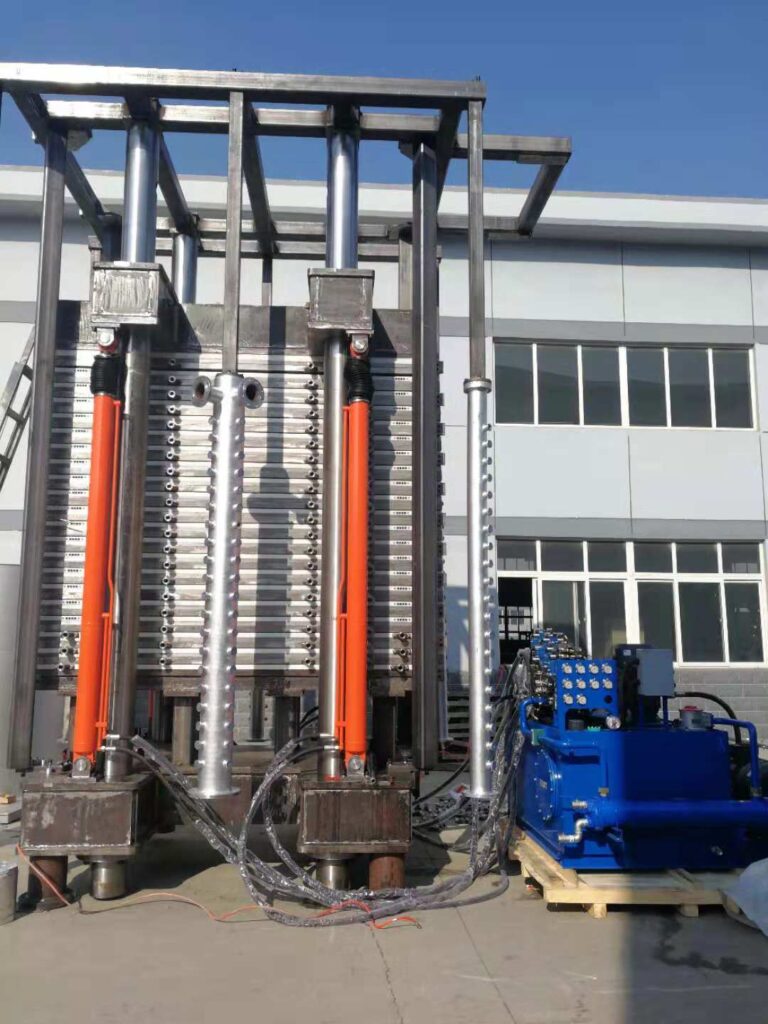
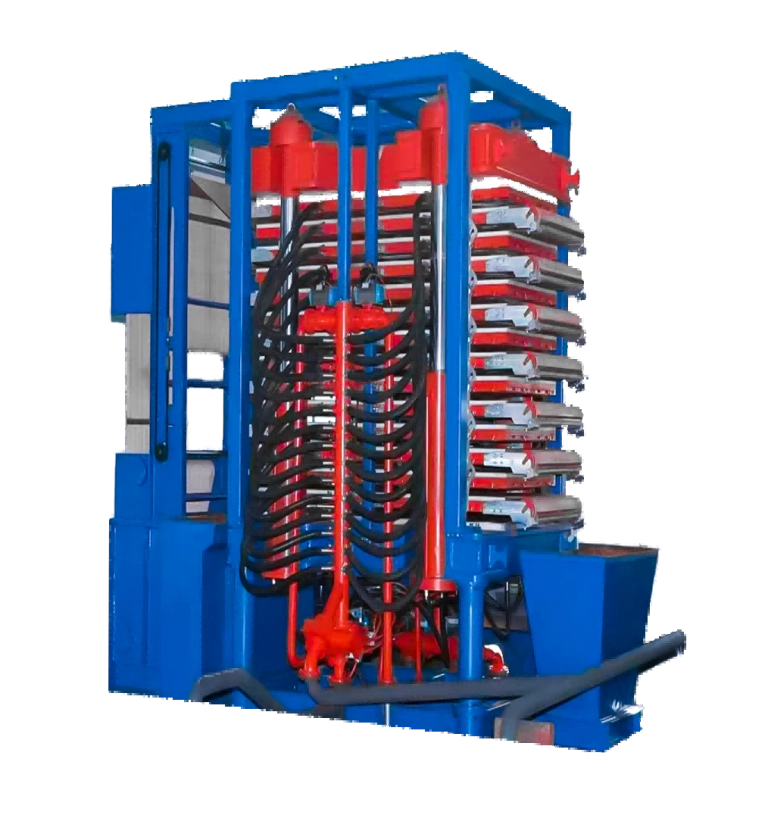
In the context of industrial dewatering, a slow filtration rate is fundamentally a failure to maintain high cake permeability or sufficient driving force. The primary causes include a high concentration of ultra-fines (slimes) leading to media blinding, excessive slurry viscosity that resists pore-water movement, and low feed solids concentration which artificially extends the fill cycle. To fix these issues, operators must optimize upstream thickening to increase underflow density, adjust chemical conditioning to stabilize floc structure, or transition to high-pressure mechanical expression. For mineral slurries with significant clay content or fine-grained concentrates, utilizing a TFP Vertical Press Filter provides the high-pressure diaphragm squeeze (up to 1.6 MPa) necessary to overcome the hydraulic resistance that traditional filters cannot manage.
Impact of Sub-Micron Particles on Cake Resistance
The particle size distribution (PSD) of a mineral slurry is the most reliable predictor of filtration velocity. In a metallurgical circuit, as the fraction of -20μm particles increases—often due to changes in the grinding circuit or the mining of more complex ore bodies—the specific cake resistance rises exponentially. These fines migrate during the initial cake formation phase, depositing themselves directly at the interface of the filter media.
This “blinding” layer creates a hydraulic barrier that necessitates higher feed pressures to maintain flow. If your cycle times have plateaued, the fix involves a re-evaluation of your coagulant and flocculant regime. By inducing a multi-stage aggregation (bridging and charge neutralization), you can create a “macroporous” cake structure. This allows the liquid phase to bypass the fine-particle barrier, significantly increasing the filtration constant ($K$).
Managing Apparent Viscosity and Temperature Fluctuations
Viscosity is a measure of the internal resistance of a fluid to flow, and in mineral processing, it is often non-Newtonian. High clay content (kaolinite, montmorillonite) or high pulp density can lead to a “thixotropic” slurry that is difficult to pump and even harder to dewater. When the viscosity is high, the Darcy flow through the porous medium (the cake) is restricted.
A common oversight is the impact of seasonal temperature changes on the filtrate’s dynamic viscosity. In colder environments, the increased viscosity of process water can reduce filtration rates by 15-20%. While adjusting the temperature of a massive tailings stream is rarely feasible, the fix lies in increasing the mechanical driving force. Switching from vacuum or low-pressure systems to high-pressure expression technology is the most effective way to maintain throughput when dealing with high-viscosity slurries.
Feed Solids Concentration and Cycle Efficiency
The filtration rate is not just about the filter itself; it is a function of the mass balance provided by the upstream thickener. A dilute feed (low solids concentration) forces the filter to process a disproportionate volume of carrier fluid to achieve a target cake thickness. This extends the “t1” (filling) phase of the filtration cycle, which is the least efficient part of the process.
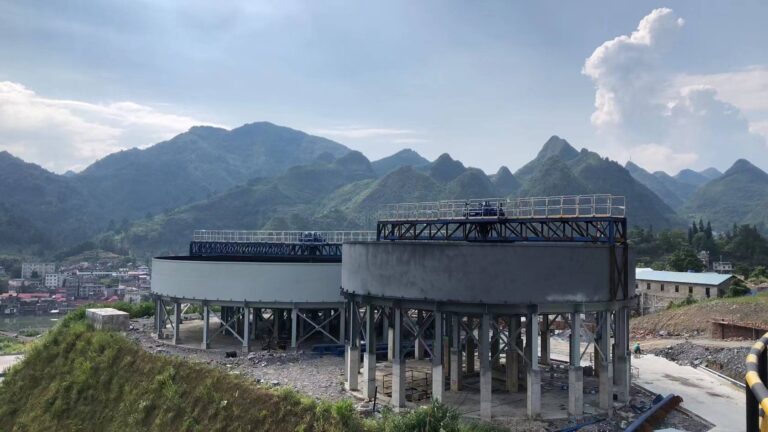
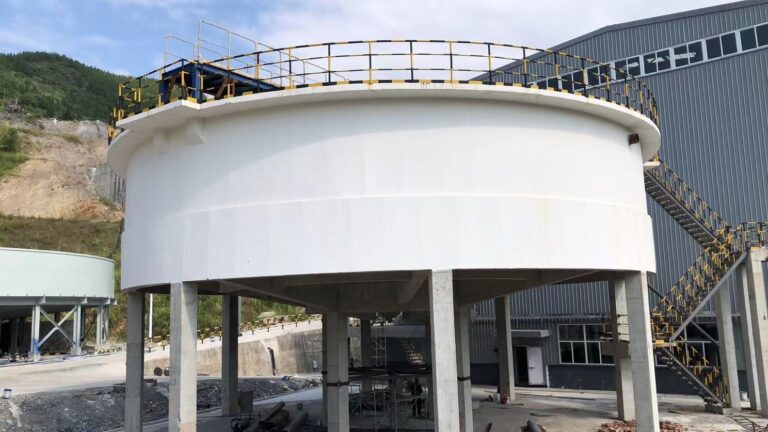
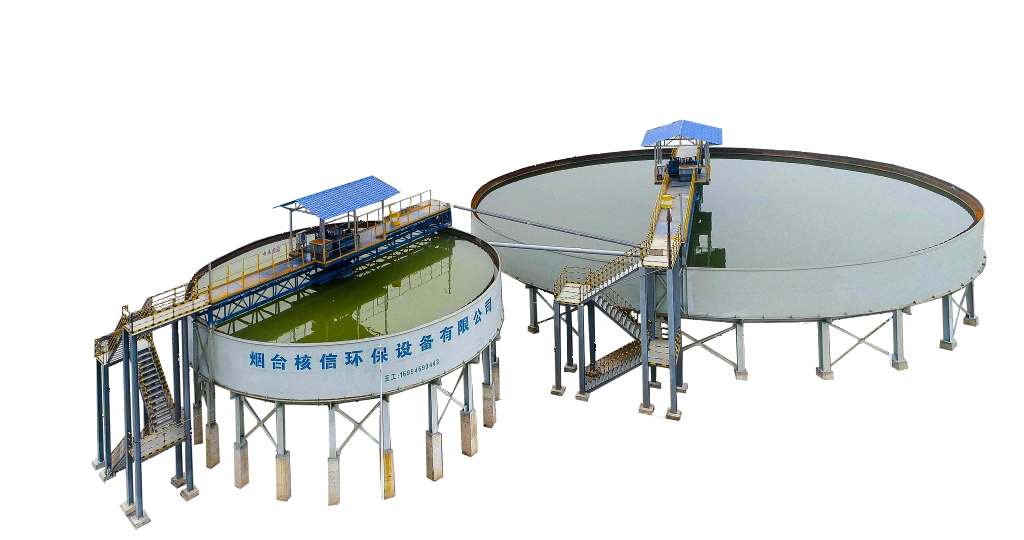
Furthermore, low solids concentration often leads to particle classification within the chamber, where heavier particles settle, leaving a “slimy” layer on top that inhibits air blow efficiency. The fix is to ensure the thickener underflow is maximized. Integrating a High Efficiency Thickener ensures that the filter receives a consistent, high-density feed, which minimizes the volumetric load and allows the machine to focus on the compression and air-blow phases rather than simple filling.
Remediation of Media Blinding and Chemical Scaling
Filter media, whether synthetic cloth or ceramic membranes, are susceptible to both mechanical and chemical blinding. In circuits with high pH (lime addition) or significant dissolved salts, calcium carbonate or gypsum scaling can precipitate within the weave of the cloth. This reduces the effective filtration area and increases the pressure drop across the media.
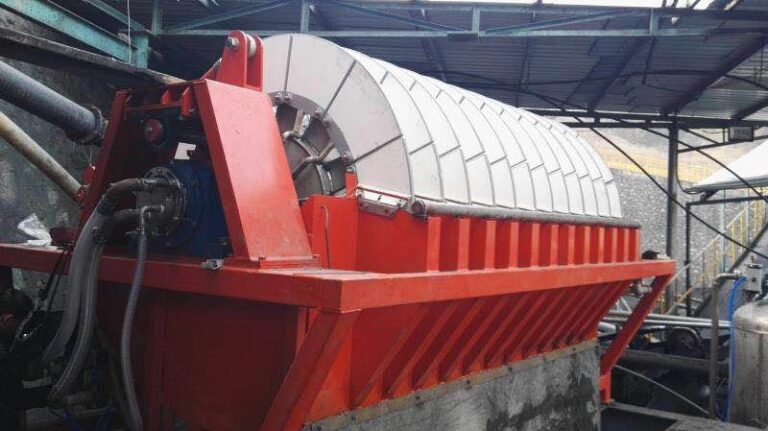
The fix requires a structured maintenance protocol. High-pressure water washing may remove surface cake, but chemical “regeneration” using acid or specialized detergents is often required to restore the permeability of the fibers. If cloth blinding is a recurring bottleneck that forces frequent shutdowns, evaluating advanced media options is necessary. Ceramic filtration systems, for example, utilize ultrasonic cleaning to dislodge sub-micron particles from the pores, maintaining a stable filtration rate over much longer periods than traditional needle-felt or monofilament cloths.
Selection Criteria for Challenging Solid-Liquid Separation
Selecting the correct technology for a specific mineralogy is the difference between meeting production targets and facing constant operational downtime. When dealing with slow-filtering, compressible cakes (like gold or silver leach tails), the equipment must be able to apply consistent, high-pressure expression.
The transition from a standard chamber press to a vertical configuration often solves the issue of unreliable cake discharge and inconsistent washing. Choosing the right Solid-Liquid Separation Equipment involves analyzing the “compressibility index” of your slurry. If your cake is highly compressible, increasing feed pressure alone won’t work; you need a mechanical diaphragm squeeze to physically reduce the void ratio and force the moisture out.
Mechanical Driving Force: Diaphragm Squeezing vs. Pump Pressure
In the final stages of a filtration cycle, the flow of filtrate becomes negligible as the cake consolidates. At this point, increasing the feed pump pressure yields diminishing returns and can even damage the filter plates. The most efficient fix for achieving low moisture in a slow-filtering slurry is the application of a secondary mechanical squeeze.
By inflating a flexible diaphragm behind the filter cloth, the cake is compressed independently of the feed pump. This mechanical expression stage is far more effective at removing interstitial water than hydraulic pressure alone. It ensures that even with a difficult, fine-grained mineral slurry, the final cake is firm, dry, and ready for efficient discharge, thereby shortening the overall cycle time.
About Yantai Hexin Environmental Protection Equipment Co.,Ltd
Founded in 1997, Yantai Hexin Environmental Protection Equipment Co.,Ltd has established itself as a premier global manufacturer specializing in advanced solid-liquid separation technology. Operating from a 150,000-square-meter facility in Yantai, China, the company integrates R&D, engineering design, and precision manufacturing to serve the global mining and chemical sectors. Hexin’s technical expertise is focused on high-pressure filtration solutions that address the specific challenges of ultra-fine mineral processing and environmental tailings management. With a product portfolio spanning vertical press filters, ceramic filters, and high-efficiency thickeners, Hexin provides customized engineering solutions that prioritize durability and process optimization. You can learn more Sobre nosotros and our commitment to environmental engineering excellence.
Conclusión
Restoring a compromised filtration rate requires a data-driven approach that addresses slurry characteristics, media integrity, and mechanical driving force. By systematically troubleshooting particle size distributions, viscosity, and feed density, process engineers can identify the specific resistance points in their circuit. Whether the solution involves chemical conditioning, media regeneration, or an upgrade to high-pressure diaphragm technology, the objective is to minimize cycle times and maximize solids recovery.
Preguntas frecuentes
Why does my filtration rate drop significantly during the winter months?
This is primarily due to the increase in the dynamic viscosity of the process water as temperatures decrease. Higher viscosity increases the resistance to flow through the filter cake. Increasing the mechanical squeeze pressure or slightly increasing the flocculant dosage can often compensate for this seasonal drop in throughput.
How do I determine if my slow filtration is caused by the slurry or the filter media?
Perform a “clean media” test. If the filtration rate remains slow even with a brand-new filter cloth or ceramic plate, the issue is likely rooted in the slurry characteristics (high fines or high viscosity). If a new cloth restores the rate, your old media was blinded by chemical scaling or particle entrapment.
Can I increase the filtration rate by simply increasing the feed pump pressure?
Only to a certain point. In many mineral slurries, the cake is compressible. Excessive feed pressure can collapse the pore structure of the cake, actually increasing the resistance and slowing the filtration rate. A mechanical diaphragm squeeze is a more efficient way to achieve dewatering in the final stages of the cycle.
What role does air blowing play in the overall filtration rate?
Air blowing is essential for removing residual surface moisture from the cake and the internal channels of the filter. If the air blow is ineffective, the cake will remain sticky, leading to discharge delays. Ensuring sufficient air volume and pressure can significantly reduce the “dead time” between filtration cycles.
Why is feed solids concentration so critical for filter press efficiency?
The filter press is a batch process. If the feed is dilute, the machine spends more time in the “fill” phase, moving large volumes of water without building significant cake. By increasing the solids concentration via a thickener, you reduce the volumetric load and allow the filter to complete more cycles per day.