 Spanish
  English
  Russian
 Solid-liquid separation shows up in more places than most engineers realize at first. A mining plant struggles with tailings that won’t settle. A chemical facility deals with slurry that clogs filters. A wastewater site fights to meet discharge limits on suspended solids. At first glance, the task looks simple—pull the liquid away from the solids. In practice, it turns into one of the trickiest steps in many processes. Capacity suffers when flow slows. Quality drops if clarity falls short. Emissions rise when water stays trapped. Energy costs climb with inefficient cycles. These issues don’t stay theoretical. They hit production targets, maintenance budgets, and regulatory compliance head-on. Traditional methods work in narrow windows but falter when conditions shift. Understanding the root causes and matching approaches to specific materials makes the difference between smooth operation and constant firefighting.
Common Solid-Liquid Separation Problems and Their Causes
Problems rarely come from one obvious failure. They build from interactions between slurry properties and equipment limits.
Particle size distribution creates persistent headaches. Slurries often contain everything from coarse fragments to ultra-fine colloids. Coarse material settles or filters quickly but can blind media if not managed properly. Fines pass through openings or form dense cakes that stall flow entirely. A tailings stream might swing from mostly below 20 microns in wet weather to coarser in dry periods. Equipment tuned for one range performs poorly in the other.
Cake moisture control proves equally stubborn. Applications needing dry solids for transport or reuse target levels below 20% water. High moisture raises handling costs and environmental risks. Achieving low figures without excessive pressure or heat challenges sticky or compressible materials. The cake forms, but water stays locked in pores.
Throughput and quality often pull in opposite directions. Faster cycles sacrifice filtrate clarity or cake dryness. Slower runs improve results but cut capacity. Plants facing seasonal peaks or variable feed end up adjusting constantly, never quite hitting the sweet spot.
These difficulties persist because slurries behave unpredictably. Temperature changes thicken or thin fluids. pH drifts alter surface charges. Upstream upsets introduce unexpected solids. Equipment that shines in steady lab tests struggles in real plants where nothing stays constant.
Typical Solid-Liquid Separation Applications and Challenges by Industry
Different sectors face distinct demands that shape their separation strategies.
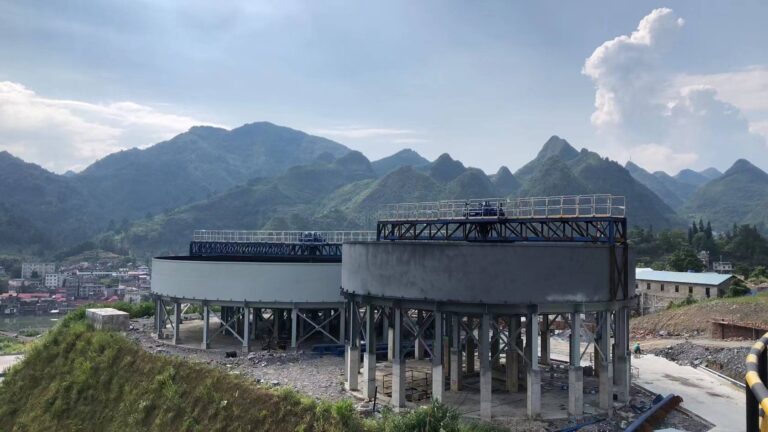
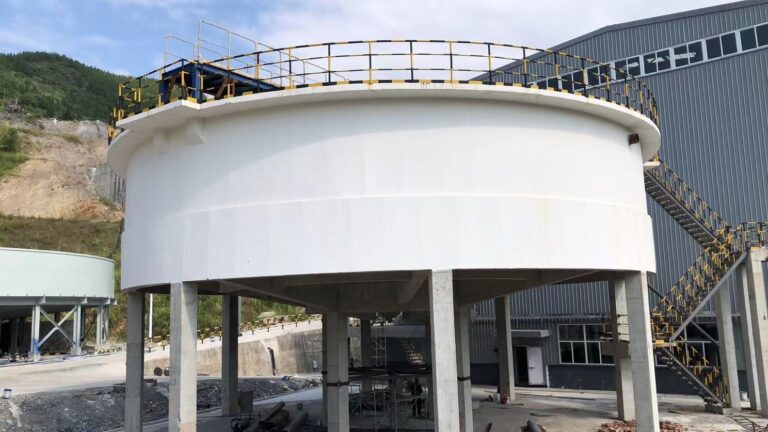
Mining operations focus on tailings dewatering for water recovery and storage reduction. Fine particles from grinding circuits form stable suspensions. Conventional thickeners settle coarse fractions but leave cloudy overflow. Filter presses handle volume but cycle times stretch with ultra-fines. Moisture targets below 15% for dry stacking add pressure. Salt content corrodes components. Remote locations complicate parts supply and service. Achieving both clear water for reuse and dry solids for stacking tests equipment limits repeatedly.
Chemical production deals with slurries that include viscous liquids or crystalline products sensitive to shear. Clarity matters for downstream purity. Organic residues foul media quickly. Temperature control prevents unwanted precipitation or dissolution. Batch processes require rapid turnaround between campaigns. Continuous operations demand steady performance despite feed variations. Safety considerations around hazardous materials raise the stakes considerably.
Environmental projects like wastewater or sludge treatment prioritize discharge compliance. Variable influent from industrial or municipal sources brings changing solids loading. Pathogens or heavy metals require careful containment. Odor control influences site design. Energy use faces scrutiny under sustainability goals. Final cake dryness affects disposal costs or land application feasibility.
Food and beverage processing adds biological factors. Sticky organics coat surfaces. Sanitary requirements demand easy cleaning. Temperature sensitivity limits aggressive methods. Volume fluctuations from seasonal production complicate sizing.
Pharmaceutical manufacturing imposes stringent purity standards. Trace contaminants cannot carry through. Validation requirements extend testing periods. Small batch sizes favor flexible equipment.
Each sector brings unique constraints that standard approaches struggle to meet consistently.
Viable Solution Strategies and Technical Paths
Addressing separation challenges requires targeted steps rather than blanket fixes.
Pre-treatment establishes the foundation. Coagulants neutralize charges, allowing particles to aggregate. Flocculants bridge aggregates into larger clusters that settle or filter readily. Dosage optimization through jar tests prevents over-treatment that wastes chemicals or creates sticky flocs. pH adjustment enhances charge neutralization. Temperature control aids polymer performance. These steps boost downstream efficiency significantly, often doubling throughput in difficult slurries.
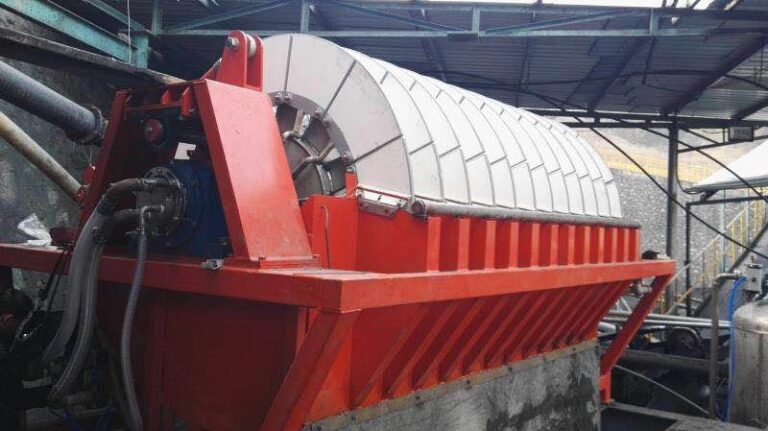
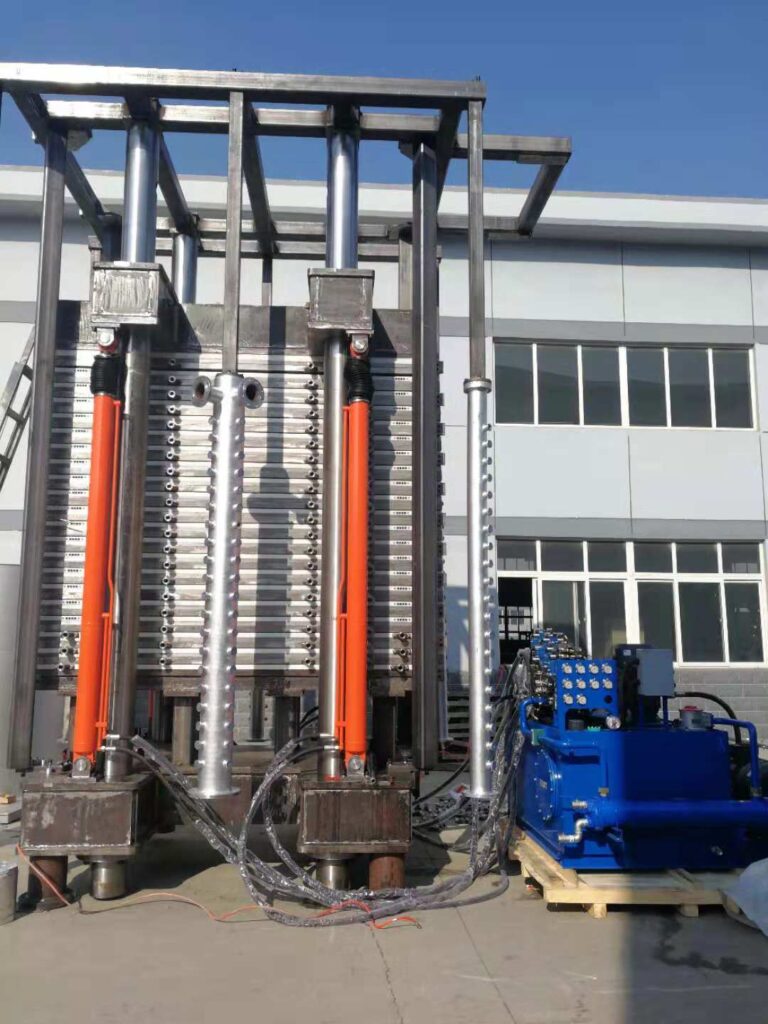
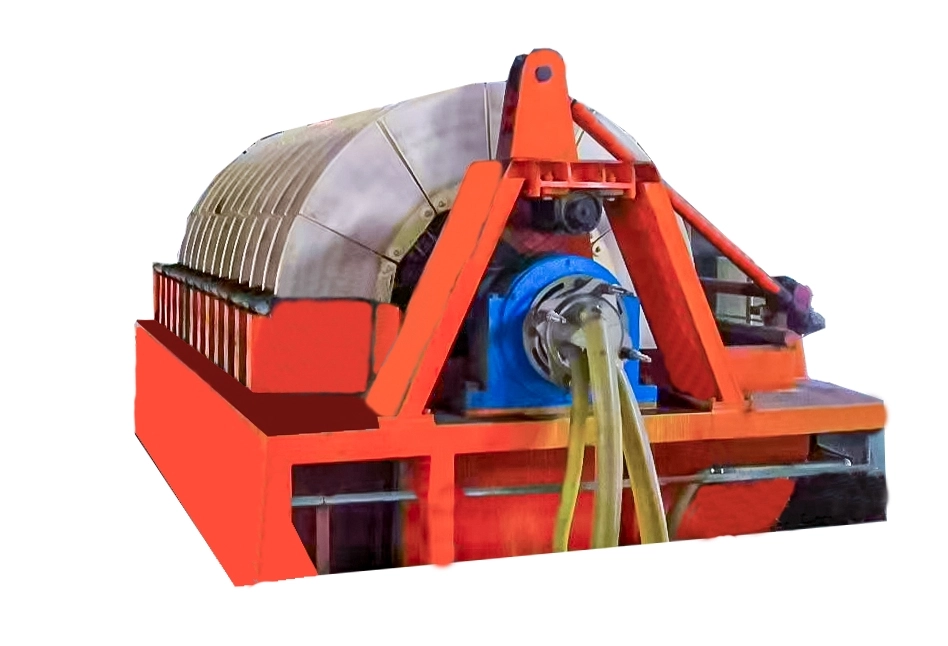
Equipment selection follows material characteristics. Chamber filter presses suit high solids with compressible cakes, delivering low moisture through high pressure. Belt presses handle continuous flow in wastewater plants. Centrifuges excel with fine particles that resist gravity settling. Vacuum drum or disc filters work for coarse, free-draining solids.
Hybrid approaches gain ground. Pre-thickening followed by pressing combines gravity and mechanical dewatering. Multi-stage filtration refines clarity progressively. Automation adjusts parameters in real time to feed changes.
Pilot testing proves essential. Bench-scale trials reveal behavior under controlled conditions. Scale-up factors guide full-size design. Long-term monitoring validates performance in actual operation.
Equipment Selection and Combination Recommendations
Matching technology to application drives results.
Mining tailings benefit from high-pressure presses for dry cakes and centrifuges for fines recovery. Water recycle rates often exceed 90% with proper combinations.
Chemical processes favor enclosed systems like chamber presses to contain volatiles. Automated cake discharge supports batch cycles. Temperature-jacketed plates maintain product integrity.
Environmental sludge suits belt presses for continuous operation or centrifuges for pathogen reduction through high G-forces.
Food processing requires sanitary designs with quick-clean features. Belt or chamber units with stainless construction prevail.
Pharmaceutical applications demand validated systems with contained transfer.
Custom configurations address site constraints. Limited space favors vertical presses. Remote locations need robust, low-maintenance designs. High throughput calls for parallel units with shared feed systems.
Operation and Maintenance Practices
Reliable performance depends on consistent care.
Regular media inspection prevents blinding. Proper chemical cleaning extends life. Hydraulic system checks catch leaks early. Alignment verification avoids uneven cake formation.
Operator training covers parameter adjustment for feed changes. Safety protocols address high-pressure risks. Documentation tracks performance trends for predictive maintenance.
Spare parts strategy keeps critical items on hand. Vendor support networks reduce downtime in remote areas.
Environmental and Regulatory Considerations
Separation influences compliance directly.
Discharge standards demand low suspended solids in filtrate. Cake dryness affects landfill classification. Water recovery supports closed-loop goals. Energy efficiency aligns with carbon reduction targets.
Equipment design incorporates containment for hazardous streams. Noise and odor control suit urban locations. Durable materials resist corrosive slurries.
Yantai Hexin Environmental Protection Equipment Co.,Ltd Introduction
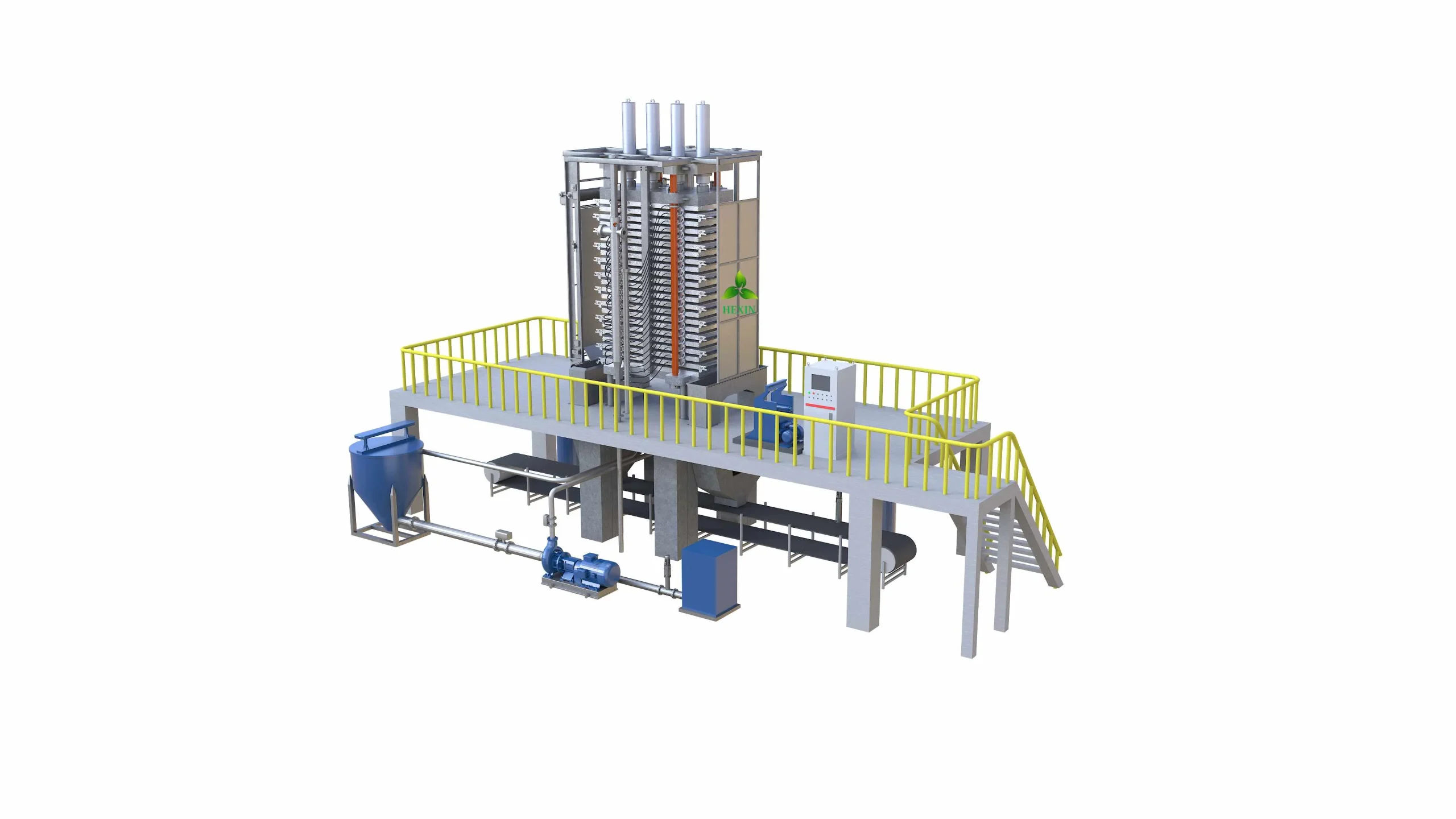
Yantai Hexin Ambient Protection Equipment Co., Ltd specializes in solid-liquid separation solutions for industrial applications. The company’s range includes filter presses and related systems designed for reliable performance in challenging conditions.
Conclusión
Solid-liquid separation remains a critical yet complex step across industries. Understanding material behavior and equipment capabilities guides effective solutions. Pre-treatment, appropriate technology selection, and consistent maintenance address common challenges. These practices support capacity, quality, and compliance goals while managing costs.
Preguntas frecuentes
Why does solid-liquid separation pose ongoing challenges in industrial processes?
Variable particle sizes and slurry properties create difficulties that standard equipment struggles to handle consistently.
How can pre-treatment improve solid-liquid separation outcomes?
Coagulants and flocculants aggregate fines, making subsequent filtration or settling more efficient.
What factors influence equipment choice for solid-liquid separation?
Material characteristics, throughput needs, and moisture targets guide selection among presses, centrifuges, or filters.
How does moisture content in filter cake affect downstream operations?
Lower moisture reduces transport costs and environmental risks while enabling reuse or safe disposal.
What role does maintenance play in solid-liquid separation reliability?
Regular care prevents blinding and extends component life, maintaining performance over extended periods.